
Send us a text with a question or thought on this episode ( We cannot replay from this link)
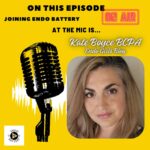
When my guest Kate Boyce from Endo Girls Blog and I first discussed our endometriosis struggles, little did we know that our candid exchange would resonate with so many. This episode is a heart-to-heart about the excruciating path to diagnosis, the weighty decision to resort to a hysterectomy, and the rollercoaster of recovery that follows. Kate shares her raw and personal account of life post-surgery—where the removal of her cervix and ovary threw her into a whirlwind of health challenges. We stress how crucial it is for those affected by these conditions to find accurate information and advocate for themselves, a true testament to the power of sharing stories and leaning on one another.
Venture with us as we unravel the tangled relationship between hysterectomy and hormone replacement therapy, particularly when it comes to endometriosis. The choice to undergo this procedure can be daunting, and it’s not a one size fits all approach. We explore the repercussions of such a surgery on ovarian function and the often-unexpected slide into premature menopause. Through our own HRT journeys, we underscore the significance of tailored care and navigating post-surgical life. Our intimate chat mirrors the diversity of experiences and the pressing need for personalization in healthcare decisions, especially for those grappling with the aftershocks of a hysterectomy.
In a heartfelt discussion, the transformative power of hormone replacement therapy—especially testosterone—is brought to light. I reveal how a deficiency led to my own skin and allergy issues, and how testosterone replacement served as an unexpected lifeline to my well-being. As we challenge the misconceptions surrounding testosterone for women, we also address the difficulties in finding well-versed HRT providers. The episode delves into the intricacies of various hormone delivery methods, highlighting the potent role of compounding pharmacies in individualized care. It’s an episode brimming with insights on hormonal health, aimed at empowering you to take charge of your well-being and advocating for better support and understanding from the medical community.
This episode was too good to only be a one and done. So join Kate and I for a Part two next week!
Website endobattery.com
Navigating Endometriosis and Hysterectomy Decisions
Speaker 1
0:03
Welcome to Indobattery , where I share about my endometriosis and adenomyosis story and continue learning along the way . This podcast is not a substitute for professional medical advice or diagnosis , but a place to equip you with information and a sense of community , ensuring you never have to face this journey alone . Join me as I navigate the ups and downs and share stories of strength , resilience and hope . While navigating the world of endometriosis and adenomyosis , from personal experience to expert insights , I'm your host , Elana , and this is Indobattery charging our lives when endometriosis drains us . Welcome back to Indobattery . Thanks for joining us today . Go ahead and grab a cup of tea , a cup of coffee or whatever beverage you want and join us at the table . I'm joined today by Kate Boyce with Indogirlblog , and she is a board certified patient advocate . Thank you , Kate , so much for joining me today . We are both in this journey of hormones and endometriosis and advocacy . Can you give us a background , a little bit about your story .
Speaker 2
1:13
Yeah , thank you so much for having me first of all . Yes , it's always an honor to be on a guest . I feel like , when it comes to the endometriosis part of the story , I always say my story is so much like others with endometriosis . We go through the misdiagnosis , the confusion , the delayed diagnosis all of that by the time I actually found my endometriosis surgeon the disease had pretty much progressed to overtaking quite a bit of my abdominal pelvic cavity , including my bowels , my ureters , unfortunately , my ovaries . I had a huge endometrioma on my right ovary . Because of the extent of the disease that was found and having suspected endometriosis , I opted for a hysterectomy with my excision of the disease . I had a complete excision of all of the endometriosis and then I had a partial hysterectomy , which means that they left my cervix . They only removed my uterus and they left behind my ovaries .
Speaker 2
2:17
We tried to salvage what we could of my right ovary from the endometrioma . Unfortunately , I did go back . Just six months later I had quite a bit of persistent pain on that right side and some pelvic pain still like light cramping . I did not know that you could have a quote little mini period if you left the cervix . I went back to my surgeon and sure enough , I had to get the cervix removed and I did have my right ovary removed as well . Everything had kind of like re-adhered , and for me the best solution at that point was to remove the source of pain and to prevent that ovary from just re-adhering again . That was the best course of action for me . During all of this I have been doing patient advocacy work online , offline . As I navigate my journey and it continues to evolve and change over time I am continuously taking what I'm learning and applying it to helping others .
Speaker 1
3:13
Yeah , it's needed because I feel like it can be very convoluted when we're trying to figure out our next step when it comes into metriosis , with very little out there for guidance . When you went to go get your hysterectomy , were you well aware of why you were getting hysterectomy , what was the cause why you would do it in the first place and what would be the outcome of that . Was that something that was ever explained to you or that you knew prior to getting your hysterectomy ?
Speaker 2
3:42
Really , all I knew was that I had horrific periods . My sister had actually introduced me to adenomyosis . She had that as well . She had surgery before I did . All I knew is that my entire life I had these horrible periods . I wanted a hysterectomy because I didn't want to have bad periods anymore . That was before there wasn't a lot of accessible information about endometriosis . Then it wasn't until I finally got to my surgeon that he explained endometriosis was causing all these other symptoms as well and the painful periods weren't necessarily just the uterus but there was a lot of other things going on .
Speaker 2
4:22
Going into it on my own , all I knew was that the uterus was connected to the period and if I got rid of that then life would be so much better . I went in wanting the cervix gone actually , but my surgeon was like if the cervix isn't having any issues , recovery can be easier if you leave it . That's now . It's not really something commonly done . Normally a hysterectomy is just total now and they remove the cervix with the uterus . Something I definitely didn't know is that if you go back to have the cervix removed I thought it was going to just be some easy procedure they just take it out . No , it's very radical surgery where they have to take a portion of the vagina with it , and the recovery from that was absolutely brutal .
Speaker 2
5:09
I also didn't know anything about the implications of removing an ovary . I was told oh , you'll be fine , the other ovary will make up for it . And that's nothing on my surgeons , that's not my surgeon's fault , that's what everybody believes . This is a very not well navigated realm . When we lose an ovary or have a hysterectomy , just having the hysterectomy itself , the ovaries can go through a shock period , which I was told . But I was also told everything will go back to normal within a few months . So in a way I really I didn't learn a lot about what I had done until after . Right , it's not like I went into it knowing all the details .
Speaker 1
5:50
Yeah , what's interesting is for me , I knew I was going to have a hysterectomy because I had adenomyosis , which I did know . I also knew that there was a likelihood of me having both ovaries removed . There's a difference between a hysterectomy and an opherectomy , so you can have a hysterectomy and still have your ovaries . But I do think what's not well communicated is the quality of ovaries left and what they go through post hysterectomy , because it's not the same . Like we're learning this as we , you know , navigate our own journeys is that it's not the same ? Why would we need to remove ovaries , in your opinion , if we're doing a hysterectomy ?
Speaker 2
6:32
Right . So and of course , nothing I say ever is medical advice . Everything's just based on , you know , personal experience , working with others and then research . So when it comes to the ovaries , because they're so critical , I feel like any good surgeon or doctor is going to do everything they can to preserve that . However , sometimes we do have to lose them .
Speaker 2
6:53
So I know that there are times if we're saying you're going in for endometriosis , say you have , you know , one or even two endometriomas , so maybe both ovaries have an endometrioma . They can be , they can be absolutely massive . They can essentially destroy your , your ovary , the quality of your ovary . And there are times where I know surgeons will remove what they may need to and even leave just a little bit of ovary behind . That's a thing , and it can still produce some estrogen . But you know , sometimes it's better to make sure we move , remove the whole thing , because there is something called ovarian remnant syndrome where there is that tissue still there causing issues .
Speaker 2
7:31
So pretty much when it comes to the ovary getting removed , like for me , it was a very major source of pain . Even when that endometrioma was removed , it was still causing pain , and that's because ovaries love to stick to anything nearby , Like once they have found a way to adhere to something , it's like they're just going to keep it . And I know we can use adhesion barriers and I know every surgeon has like their own little trick . But I can just tell you from working with I came and tell you how many patients over the years it's like textbook . Within a few months they're starting to recognize that they feel that pain . But it's important to note that adhesions occur pretty much immediately after surgery . So it's that healing process that is within a few days . That's why some surgeons will do the second look surgery where they open you up just like a few days after break up adhesions that are forming . So it's like once that adhesion forms , it's there and it's really difficult to manage that .
Speaker 2
8:25
So some of us , you know , like me , I said I don't want to continue living with that pain . It was sharp shooting , taking my breath away , and so we removed it . That was the source of the pain . It's usually up to patient discretion on whether or not they want that ovary removed . But other times it's just the doctor gets in there and it's just so stuck to everything and destroyed by an endometrioma or the disease itself and it just has to in order to essentially , you know , reconstruct the anatomy properly or , you know , maintain the integrity of other organs . Sometimes they just have to remove that ovary and that is an unfortunate reality . But again , there are a lot of options there you can work through with your surgeon .
Speaker 2
9:13
But sometimes , like me , you end up back under just because I couldn't do it anymore with that ovary . I do have my left ovary and it does cause issues occasionally . It is re-adhered to my pelvic sidewall because ovaries love to do that , and you would believe the amount of like adhesion barriers and you know I had the plate , plate lit , rich plasma used in there , everything in there , and it's it's biology , it's just the healing process and the body . It's what happened . So , anyway , but then I , by that time I understood the implications of removing both ovaries , so I decided that pain wasn't bad enough . I was able to manage that pain , but for a while it was bad and I almost had that ovary removed as well .
Speaker 1
9:58
Right , and I think the biggest misnomer with this is that just because you have endometriosis does not mean you have to have a hysterectomy , and just because you have a hysterectomy does not mean you have to have your ovaries removed . One thing does not mean another and I think it is case by case . Do you want to preserve fertility , do you not ? Do you want to get rid of this pain , or do you want to come back later and and readdress that because of what your life goals are ? I think it's just it's very individualized
Understanding Hysterectomy and Hormone Replacement Therapy
Speaker 1
10:28
for that . But to say blanketed statement you have endometriosis , you need a hysterectomy is not accurate .
Speaker 2
10:34
No , no , no , no , no we should not go in thinking that .
Speaker 2
10:37
No , that's very dangerous and we always hear that . You know , hysterectomy is not a cure for endometriosis . But then you have the people who say , well , I had a hysterectomy and it fixed my endometriosis pain and both . Both are valid , right . And I always try to remind maybe you need a hysterectomy and you don't have endometriosis , because a lot of people will be really sad because they're like well , my hysterectomy , I had a hysterectomy and it came back . I didn't have endometriosis . Was that all for nothing ? And I say , well , let's take a look at your quality of life , right , you don't have to have a hysterectomy . The only indication for hysterectomy isn't just endometriosis .
Speaker 2
11:08
Right , I know it can make it it's more palatable to have a hysterectomy for that reason . But sometimes , when it just comes down to your quality of life , like you are worth it . It is a major medical decision . Yes , does it has its own journey after that . But sometimes the endometriosis has caused so many adhesions or the deeply infiltrating disease has just caused such havoc within our pelvis that having the hysterectomy can remove one source of pain . But what I'm thinking of is like place for things to stick to . Yes , more opportunity for that .
Speaker 2
11:46
Yes , exactly , and I worked with patients where that was their decision . Because of that , they're like , oh , I had such advanced disease , we just went ahead with the hysterectomy . So when people hear that sometimes I think , oh , the hysterectomy cured the endometriosis , I want to say no , the endometriosis caused such havoc within the body that the uterus became a victim of it and so the uterus came out in order to achieve some sort of improved quality of life . And so , like I said , a lot of people maybe that's why that hysterectomy helped with your pain so much , because it was a victim of the endometriosis and so there's a lot of .
Speaker 2
12:24
There's just so much variation in there and , like you were saying about , you don't have to have the ovaries out as well . That's really important to note . And it's also important to note that when the hysterectomy is done , they're removing the uterus , you're also removing the major blood supply to the ovaries , and we're not often told that . But by removing the major blood supply to the ovaries , that doesn't mean they're going to shut down , but it means it can take time for them to kind of like readjust to their new blood supply . And there's the research on if you have a hysterectomy , you'll go through menopause sooner , even with your ovaries , but that's related to losing that major blood supply source . And you know what I always tell people . I'm like , don't think of it as like a fear mongering thing . Like let's take a step back and just look at you know quality of life , what decisions you have made with . What do you want with your hysterectomy ? Right , cause you can have the whole , the partial you can have with the opherectomy . It's a completely different procedure .
Speaker 1
13:24
So for me , I had a hysterectomy and an opherectomy . Both my ovaries are gone and I chose that because I had persistent endometriomas for my ovaries , so it was a better option I was done having kids as a better option for me to remove all of it . But what I didn't fully understand is the need for replacing those hormones , which is what got us talking , because this is a very nuanced thing , this hormone replacement therapy , but , and what it entails . But see , I didn't know anything other than I was going to be put on Estordale post-op , but I didn't know why . I didn't know why I was going to be put on these things . What are the ramifications of it ? Great , we're taking out a source of hormone and we're replacing it . But , but why ? And I think that's something that when you're making these decisions to be well informed , you need to know why you need to replace these hormones . What has been your experience with that ?
Speaker 2
14:24
Fortunately and unfortunately my I have that remaining ovary and it clearly works cause . It causes pain , but for me I was able to maintain estrogen production . So I thought I was going through early menopause because I was having all of these symptoms that , honestly , could only be trapped like linked back to hormones Right . So I knew something was going on , like my skin was burning , it was drying , I had zero sex drive , I was gaining weight in my midsection like crazy , I was having panic attacks . At 2am I hurt all over . I was just like a puffy disaster and I could not figure out what was wrong with me and I was like , oh well , that's it , it's menopause , it's got to be menopause . So I go to my primary care doctor and she tests my hormones and everything's good and I'm like you've got to be kidding me .
Speaker 2
15:07
She's like your ovaries working great . I was like , how am I like this ? So I you know , fortunately having the knowledge of a patient advocate and just like science background . I looked at my blood work and I noticed that I had like no testosterone , Like you know , even though the normal range at anything less than a certain amount .
Speaker 2
15:22
Like , well , like I know better than to just be like , oh , that's fine . So anyway , I sought out somebody that I trusted . Yeah , yeah , I had sex with so many girls . I was so sick inside to take a closer look at that . And so I found my current hormone replacement therapy doctor , who I am so blessed to have found . He's taught me everything I know now and he kind of just explained it to me . It's like , yes , your ovary is still making estrogen , but you're not making testosterone anymore . And I'm like , why does that matter ? And he said , well , funny story , as a females make more testosterone over their lifetime than estrogen .
Speaker 2
15:54
And I'm like sitting here like , are you kidding ? He's like , after menopause , the ovaries do still serve a purpose , they continue to make testosterone . And I'm sitting here like , oh my God , I did not know this , I knew nothing about this , and so you know . Then I started my journey down that and I started my testosterone replacement therapy journey and every single symptom resolved and I was shocked by that . But as I kept working in that realm and meeting more individuals going through this hormone replacement journey , I started to realize that no one's even being really told why , like you were saying , why they need this replaced . And so estrogen , yes , at some point through natural menopause , at the end of that , when we're on the other side of that , we no longer create estrogen , and that's fine because that has been a natural process . But when you have it done surgically or medically induced , or you go through it like way too early because of some sort of failure , then we start to face the issue where , okay , the body still needs to have access to estrogen , right ? So we know the implications of not having enough estrogen and that it is absolutely essential to so much of our continued health , right ? And I think the most commonly known one , of course is our bone health right , so there's no reason that we need to be having fractures by this age of 60 if we can be supplementing with proper amounts of estrogen cognitive function . There are so many validated , researched , well-known benefits to maintaining estrogen that we normally would have , but we're
The Importance of Hormone Replacement Therapy
Speaker 2
17:31
not .
Speaker 2
17:31
Of course , it gets a little bit more complicated when you're talking to people who've gone through maybe a natural menopause . That's not my realm . I'm really only versed in individuals who've gone through it early due to some factor there . And that's where it's like , yes , it should be supplemented , Of course , working with a provider who understands it . But that's also its own difficulty in finding someone who understands it .
Speaker 2
17:53
There's a lot of fear mongering around estrogen and we know that very well in the endo community . We're told estrogen is like the worst right , oh , it'll make your endo come back , It'll make everything wrong . Well , turns out that's not necessarily the case . Estrogen can be inflammatory , it just is . Naturally it's not a bad thing . It serves a very important role as something inflammatory .
Speaker 2
18:14
So it can cause some maybe uncomfortable symptoms , but as you get to be quote like leveled off or whatnot on it , everything seems to , typically in individuals I've helped resolve and from a lot of people I've helped . They will all tell you that the symptoms of having no estrogen are so unbearable that any other kind of mild discomfort will be worth , yes , the replacement . And so I know that , like we're just told , you'll wake up from surgery with a patch just slapped on and you're good to go and like it doesn't even make any sense . So you know that's what so many are told who I work with . And so then we have to go through and be like well , why am I replacing the estrogen ? And then it doesn't stop there . Right , it's like okay , there's local vaginal estrogen , because that's a whole different environment and I needed that . So my estrogen levels are totally fine when you look at my blood , but my vaginal estrogen is depleted and we had to go based on symptoms . So there's where it gets complicated , right , Right , Sure , my ovaries making estrogen , but I need local added . And no one tells you what that's like , and it's a horrific journey when you need to have vaginal estrogen . And then , of course , the benefits of testosterone .
Speaker 2
19:30
The reason that we make that for , like almost the rest of our life , you know it's that helps maintain a variety of other health factors that there just isn't a lot of research on so it's hard for me to point people to where to go get that information . But , as a disclosure , my hormone doctor . He's very elderly at this point he's been practicing for I don't even know how many years . I think that he's had like over 50,000 patients . He brought bio identical hormone replacement therapy to Mayo Clinic in Scottsdale , Arizona , One of the top gynaoxic Mayo Clinic who also is an excision surgeon for endometriosis . He calls him my doctor , the hormone magician . He believes in his patients to my doctor because he genuinely is a hormone magician and I really taken I've seen him for four years now . So everything that I share a lot of it comes from him . It's hard to find research just because it's not really being done .
Speaker 1
20:23
No , that's the biggest thing right now For me . I didn't even know after my hysterectomy . I didn't know how much our ovaries played a part in our hormones other than estrogen , like I didn't know how much testosterone it really produced , and how insufficient our education is in translating that to like how we get post-operative care . I don't think that it's necessarily the doctor's fault . I think there's just not enough information out there and it's a very challenging thing to navigate and to learn about because there is no research . And that's where it's frustrating for me as a patient who has experienced a number of things .
Speaker 1
21:06
I thought my fatigue was great and then I realized that I couldn't formulate my sentences correctly . I realized I couldn't get enough sleep again and it was almost like that endophatigue a little bit , where I was like , oh gosh . It made me question is my endometriosis acting up again ? Am I a reoccurrence patient , which we know reoccurrence isn't a high number . After proper excision Maybe symptom generators are still there , but the reoccurrence , unless some is left , is not really as much of an issue with that .
Speaker 1
21:38
But I was sitting there thinking what is going on with me ? I can't formulate my sentences , I'm having a hard time sleeping , my weight gain was going up . My muscle mass is going down . I had started working out and then I couldn't lift as much , like my muscles were fatigued and my bones and I have hypermobile EDS as well . So I'm sitting here with all of this piling on and really what it was is someone telling me Alana , have you ever thought about testosterone ? No , like , why aren't we talking about testosterone ? That plays a huge part in our overall health . What have you learned that testosterone does for those of us who are surgically menopause or perimenopause or menopause due to having surgery or otherwise ?
Speaker 2
22:26
So from my , again , my personal journey . And then there are some researchers I chat with about testosterone , as well as some physicians that work with patients and utilize testosterone . So one of the most interesting things I think about testosterone is it's innate anti-inflammatory nature . So people forget that Testosterone isn't just like some male thing , it's a critical component to . Everyone wants to talk about hormone balance . Well , you got to have the testosterone in there to kind of manage how the the ebbs and flows within the body and maintain you know what should be our equilibrium . And so when you remove this wonderful anti-inflammatory agent , things just like .
Hormone Replacement Therapy and Its Effects
Speaker 2
23:13
I've met multiple people who started having wild allergic reactions . I thought I had developed a seafood allergy and I would just like scratch and scratch and scratch until I would bruise . And the only thing I was thinking of is like we were going out to eat and I'm like , well , it happens sometimes after I eat shrimp . You know coming up with something . But no , I just had lost so much of the natural oil production for my skin and I was just so inflamed and I noticed that my hair was dry , right .
Speaker 2
23:43
So the testosterone brought so much of that back to life and you'll hear like side effects that can be hair falling out If you're taking too much . Yeah , you can get male pattern baldness , but in the right amounts . We actually see I say we . When you look at literature on it , I see hair regrowth . My hair got thick again . My hair got shiny again . My hair got thick . It doesn't break off as much my skin you know everyone's like oh , it'll make you break out . I may have a few more zits occasionally , but my skin no longer burns when I put something on it .
Speaker 2
24:15
Right , it's more like I don't know more plump in a lot of ways it's not just like feel like haggard , yeah , but other than you know , so like . Those are some of like the physical things I noticed and , yeah , the muscle mass , I feel like I'm less flabby . But when it comes to like I think probably it's most important rule for me were the cognitive .
Speaker 1
24:34
Mm-hmm .
Speaker 2
24:35
Same . I'm not panicked , so it's like I can almost mess when someone messages me about like I think I'm having hormone issues . I don't know if it's estrogen , I don't know if it's testosterone . It's wild . I can literally say are you waking up at like two and three AM with panic attack and like they'll be like , yes , how'd you know ? Because it seems to be all of us . Yeah , we lose testosterone . It's like our clocks go off in the middle of the night and we wake up with a panic attack . And it's not a night sweat , it's a panic attack and the world is ending and I would be like I'm worthless . Oh my God , what am I even doing here ?
Speaker 1
25:06
Yeah .
Speaker 2
25:07
It was . I'm on an antidepressant , I'm on a mood stabilizer and this was still happening . I said this is messed up . Yeah , that went away , so I no longer have the panic attacks . And that blew my mind right there . And the word recall . When my testosterone drops , I can't find words . My husband notices . He'll say I'll be like saying something and not even know I'm saying it . Like what did you say ?
Speaker 1
25:31
And then I can't remember what I just said .
Speaker 2
25:34
I just that went away when I got my testosterone back up . Just wild things that I did not know could be impacted by a hormone that I didn't even know I needed , right ? You know , no one ever tested my testosterone before . I didn't even know it was a thing . And here I am on the other end of it learning oh my God , like I genuinely can't function without this , and it makes me so sad . For how many ? Not only are there individuals that don't even know about hormone replacement therapy at all . Right , they're not given estrogen or they are put on estrogen , but that's like a tiny piece of the puzzle , right , and then they're put on antidepressants and they're taking down this other crazy route . And another thing about the testosterone is that some doctors that are like for some reason there's a whole group that's like against testosterone in women .
Speaker 1
26:25
Weird .
Speaker 2
26:26
And they're like well , you know it can cause clitoral enlargement . And the thing with that is what happens , and anyone who's been through menopause or dealt with this understands that their entire vulva just like shrinks for some reason . You're like what happened to my anatomy ? You don't know where my clitoris is . I don't , I don't know where my vulva is anymore at all . And what happens is that that is something testosterone can do . Is it just like ? I don't know how else to say it other than bring life back . Yes , and it like increases blood flow . And then that clitoral enlargement is literally just a healthy bringing it back to life .
Speaker 2
27:09
I really dislike when doctors say that , because I'm like are you just ? Why ? Are you shaming , right , a body for that even happening , right ? And that also makes me upset , because I'm like that just puts it in someone's mind that it's like the female anatomy is supposed to look a certain way and like , no , it needs to be . Are you feeling better , right ? Yeah , are you feeling better ? Is your sex life better ? I know , when everything seems to like shrink up , it's impossible to have an orgasm . And then testosterone not only does it rev up that sex drive , but increasing that blood flow and increasing the size of the clitoris and then the whole vulva , kind of like coming to life again . That improves the ability to have an orgasm . It's also interconnected in so many ways and nobody ever brings that up . And then , to make it worse , you've got doctors demonizing it . Oh no , it'll make your clitoris well enlarged , like it's some horrible thing .
Speaker 1
28:08
Like thank you , it does . Yeah , okay , Clearly you don't understand .
Speaker 2
28:13
The other thing is that I like to point out is that it is we know that it is dose dependent right , and testosterone doesn't stay accumulated in our body . It goes very quickly , and so if you don't like something that's happening on it , you can always decrease your dose , right ? That's one of the great things about it . It's a horrible thing that it leaves our system so quickly , because it can be hard to maintain , but it's also a blessing . If you're not liking , maybe you're on too much for your body , right .
Speaker 1
28:41
So you take the raisin . Without it , you're raisin .
Speaker 2
28:45
Yeah .
Speaker 1
28:46
And then you hydrate it , you give it the proper nutrients , you have a grape . I'm just saying , like , if you need that visualization , that's what it's like .
Speaker 2
28:55
That's exactly it . And then there are other issues where you have to utilize the vaginal estrogen , even because , yes , I've got , I had a lot of improvement with the testosterone , but I still ended up needing to add the estrogen because the vagina and the bladder have a very similar , if not the same , microbiome and that's why you get a lot of these symptoms like painful urination or frequent urination with menopause , and you'll notice a lot of endometriosis . Patients that have been on long-term hormone suppression or GNRH analogs . They are told they have interstitial cystitis , but magically a lot of that resolves when they get put on vaginal estrogen . And so the vaginal estrogen . It will resolve a lot of the chronic bacterial infections , yeast infections .
Speaker 2
29:46
I thought I had something very wrong and I was so embarrassed because I know I shouldn't be . I'm supposed to be the empowered patient advocate , but I'm still a human and I was so embarrassed . I thought I had the worst bacterial vaginosis imaginable . I thought I had the worst yeast infection . I was just like why can't anything get better ? And it didn't get better until I was on vaginal estrogen and it all resolved . It just blows my mind that it was that simple yet never brought up . Fortunately there are more urologists talking about it . Now they're even calling out their OBGYN friends . Why are you not doing this ? Why are you still prescribing antibiotics for a suspected UTI ? Why are you still putting patients on medications for painful bladder syndrome without trying vaginal estrogen first ? Finally , I got to this point where I'm on testosterone and I finally got that entire system working again . That was life-changing , because when you feel like you have a yeast infection constantly , it is the most distracting , miserable thing .
Speaker 1
30:57
It is . We already deal with that a lot of times with our endosymptoms . Then we take the effort to relieve those symptoms , but then we are gifted this other symptom of vaginal drain . I had to move my estrogen from the patch to the pill , which I know is a big like people don't like that , because it does have to go through the liver to process and things like that but the patch did absolutely nothing for me anymore . That was something that I had to do a little bit more research on and weigh the benefits versus the drawback , because if you are so miserable on what you're doing , you have to find something else and find what works for you but know what you're getting yourself into .
Speaker 1
31:49
But I will say that there's one that I'm going to see , but I have yet to see a really good hormone doctor that can explain this stuff to me . I feel like that is where a lot of us in this journey for me , specifically where I'm at now is finding someone that will even take me on as a patient when it comes to hormones , specifically to get testosterone if you want to do a progesterone , which we can talk about that in a second too but someone to actually look at me . Do my labs understand it ? That is a whole nother beast , because we're talking balance , but if you don't know what you're trying to balance , then you can't balance , you can't help someone . How do we get there ? How do we get there , Kate ?
Speaker 2
32:34
I wish I had an answer . This is like my next endeavor . I will , and I believe this .
HRT Provider Challenges
Speaker 2
32:39
It is harder to find someone who is knowledgeable in hormone replacement therapy than an endometriosis surgeon at this point .
Speaker 2
32:45
I agree 10 , 15 years ago , maybe not , but now we have more surgeons that are at least capable of performing an endometriosis surgery than we do . Doctors or providers of any kind that have any smallest amount of knowledge on testosterone that is just out the door . There are some doctors trying on social media now to educate on that . I'm very grateful for them , but it is still just an absolute nightmare . What you end up with is you can go to a provider that takes your it's like in network with your insurance and it's like , okay , they very rarely are going to . They may take you seriously , maybe kind , but they're just going to look at the results and clinical guidelines which will say , okay , everything here looks normal , right , and then send you on your way not knowing the nuances of what normal means . Or you end up getting scammed by a really expensive med spa that is not doing it right . They're giving levels that are actually completely out of line and they're not following up with the blood work , they're not following up with the patient and they're charging way too much money . So we're definitely at a space where it's like we do have to find we typically end up finding a fringe provider , which is what I call them because they're not going to be your you know your traditional OBGYN , right . You know they're not just like with endometriosis surgeons , it's not going to be the self-proclaimed menopause experts .
Speaker 2
34:19
I work with patients often who've been to those Right and I still wasn't heard , because they insist that it's their way or the highway , it's their way . You follow these guidelines and that's it . And I'm like , once again , there's no perfect template right Of us and most of the time they have no idea what to do with an endometriosis patient who has been on hormone suppression forever , been in medical menopause , put into surgical menopause . We're just an entirely new subset of patient group that is like completely ignored , right . And so what do we do ? You know we have to approach it a lot like how we approach finding a surgeon , and the unfortunate reality is that it's just not going to be accessible for most people . So we end up finding , essentially , like I was saying , a fringe provider , right , and we have to vet them ourselves to make sure . You know , are they ? Are they being safe in their practices ? Are we getting scammed ? You know ? Are they charging too much money ? You know , is this validated ?
Speaker 2
35:16
If they're doing compounding , is it through a good , reputable compounding pharmacies . There's a lot of hate on compounding pharmacies , but people forget that they're not new , they're not something special . People have forever had allergies that necessitated medication being formulated without specific ingredients . So compounding pharmacies have always been around . They're not new or scary . Most of the time if you're getting a compounded formulation of a hormone , they'll tell you the lab and then that it is an FDA approved lab , which is a separate . Everything can may not be FDA approved , but it can still be made within an FDA approved lab , which I do feel is it's still important to note . But a lot of it is us going through and you know we go out with our gut and then asking around in the community like does this seem out of line to you ? Does this seem like it's too much money ? You know how do you think I should go about ?
Speaker 1
36:07
this Talking about compounding , so I take a compounded testosterone cream . That is because that is what is available to me that I trust , and I think that something that you have highlighted is that not all you're on the pellet right , but it's not what is offered everywhere .
Speaker 1
36:25
Like it is a different type of bio identical pellet than what you would get at a med spa or things like that . So that's important to note too is that there are other options , but you have to know where they're going and you have to look at the research behind them . That is one thing that I that I have been hesitant about with the pellets specifically is the research longterm with what's typically offered is not . I don't think it's a complete research yet because it's not longterm In my opinion of what I've seen and I could be wrong on that , but from the research that I've seen , longterm I haven't seen a lot there for that , but I don't know .
Speaker 2
37:01
So it's complicated and I love mine . I think it is the preferred method , at least for testosterone , just because , when you look at the way testosterone works in the body , you need to always have a reserve , because it ebbs and flows increases in the morning , it decreases throughout the day , it changes . You use it more as you exercise , so the issue is , though so there's actually I don't even know where to start with this Pellets have been around for 80 years or something . Wild People who get the Zolodex injection for endometriosis . That is technically a pellet . It's a slow release pellet that goes under the skin , not the same as Lupron and there is an FDA approved pellet for men for testosterone . It's called Testopell . Of course , right , pellets are a just , well-known , very wonderful method for medication administration and because it can provide consistent levels .
Speaker 2
37:53
The issue lies in the fact that you get greedy companies and get providers that don't know what they're doing . So the most popular one that's expensive and sold everywhere you see it on TV . They got great marketing . What they do is they're putting an appellate and they're putting in too many milligrams , so they're putting their loading patients up on this testosterone , and then they also do this bizarre thing where they tell you something's wrong with your thyroid and they have all these patients go on thyroid medication and you got to do this and you got to do that and you got to take this supplement because you're going to get hair growth , so you need to take this to combat the hair growth on the testosterone and that's where it becomes this issue Right , and then they're just loading patients up . They're not monitoring them , and I've dealt with patients that have gone through this , and so that is where you run into a lot of trouble with the pellet when you get good providers .
Speaker 2
38:44
There is a brand . It's called Soda Pelley . They're different than the main one that everyone sees called Bioti . They're actually the original one . There was an issue in-house and one of the people left and made Bioti , and so Soda Pelley is made and developed by this amazing , very well respected OBGYN . Actually His name was Gino Tutera . He did pass away a few years ago . His wife has started . She took over the company and I know for a fact . I know where their compounding lab is because I personally , if I'm going to be putting this in my body , I got to know .
Speaker 2
39:15
So no other their compounding facility . They only use steric acid with their testosterone as the only other ingredient . So steric acid is just a , as a chemist , very common ingredient for making anything bind .
Speaker 1
39:27
So it holds it together .
Speaker 2
39:29
That's all it is . So I know for a fact I don't know what's in the other one and I've recently made a graph of tracking my hormone levels and it's very . I mean , my doctor was on it within three weeks . We were testing again within another few weeks . We were testing again because we needed to see how my body was reacting and the reality is these places aren't doing that . So that's where you get into trouble with the pellet . No one's monitoring these patients properly and they're having experiences or they're having several side effects , but again , fortunately they're reversible .
Speaker 2
39:57
The other issue , like you were saying , like what about long term ? Because a lot of this is just being done in like meds , balls or whatever you'll lose the ability to get good data when it's not being utilized and more controlled environments . Fortunately , there is a group out there that does do amazing research , the most prominent one of my favorite one . Her name is Dr Rebecca Glacier . She is an breast cancer surgeon . Not sure if you're familiar with her work . Yes , she's retired from the surgery part and now she treats her breast cancer patients with testosterone pellets . Don't know what brand she uses , but she has them compounded in the similar fashion that endoses that I get mine in and she's got phenomenal research done on an incredible amount of patients and when you look at that you know and some of it's pretty long term because of just the nature of how long pellets have been around , and then her research being , I forget , the longest group that the research has been done on . And then Dr Gino Tatera has a lot of documented data on his and I'm not sure for how many years .
Speaker 2
41:05
Okay , but again the issue lies in dosing , because when testosterone is too high , really the side effects are all superficial , like physical , right , there has been some concern with , maybe , cholesterol levels , but those can naturally get out of control in menopause anyway , yep , so that is a concern . But my biggest thing is , as long as levels are being maintained , not above a certain amount , and I go based on , you know , what my doctor has told me and shared with me and what that entire corporation , that whole company , goes based on . You know , basically , my doctor explained to me he's like most of my patients , feel best about 120 . And it's like an enneagram for a deciliter that's . You'll see the total testosterone level , right , and when I went in my total testosterone level was like 13 . But when you look at a lab report . It says anything below . One lab will say anything below like 55 . Another lab will say anything below like 80 . So little is known about it that we don't even have a proper reference range , right so ?
Speaker 2
42:07
when someone's doctor is like , well , it's too high . It's like you don't even know what's too high . Right , because I've also had another doctor tell me and I will have to find the literature on this that naturally , when we're just healthy , that our testosterone levels can spike above 100 during ovulation and that is why you get that increased sex drive right with ovulation .
Speaker 2
42:28
Yeah , it's this whole natural process . It's the body being brilliant . We're going to increase your testosterone , we're going to drive up that sex drive because you're ovulating and now's the time to get pregnant . Right , that's just how that goes . But it fluctuates and so there's not good research on what baseline levels are . Anyway , the only research I've seen is on like PCOS and nothing like long term of you know . Let's track these testosterone levels throughout .
Speaker 2
42:54
I don't know more of a confined timeframe , like more regularly and within a healthy population . So , anyway , all of that to say is that , yeah , I love my pellet , but I got lucky right . I have a provider who knows how to do it responsibly . It needs to be the same with estrogen as well , because estrogen I feel like estrogen needs to be more closely followed , just because it has a greater impact on other parts of our health . You know , like looking at like blood clots and whatnot , but I definitely think there's a lot of fear mongering around it . But I know that estrogen can be added into the pellet . That's how my mother gets hers . She gets estrogen and testosterone in one pellet and then every 12 weeks gets it redone . That works really well for her , but I know a lot of people who will do like testosterone pellet and then estrogen patch , or you know , whatever combination and , honestly , if a compounded testosterone cream is working , do it right .
Speaker 2
43:49
Like I feel like , like you were saying , there's no like best way , it just works best for you , your schedule , even financially . I always tell people that it's really important to not feel like the most expensive option is the best option either , because sometimes we get sold into that and that's a lot of the issue with those med spots . So I think , like you were saying , just make sure you're doing a due diligence and then pros and cons If the patch wasn't working for you , you had to move to the oral fine whatever , as long as you know you know you go through the pros and cons , you weigh the risks and it's that informed consent is what matters .
Speaker 1
44:24
Which is , I think , missing in the hormone world . Because I think what's interesting is you talk to some people and they're like you can only do the pellets and that's the only way that's going to make a difference . The creams don't do anything for you . You talk to other people and they're like only creams . I feel like I'm like have the devil and the angel , except it's like more testosterone , less testosterone .
Speaker 1
44:45
It's on the shoulders of the balancing act , right , you hear so many different things that it's hard to weed through what's beneficial , and I think it really boils down to what is accessible to you , both location and financially , and what's going to work . But making sure that you have a doctor that fully understands it Because I mean , I was going to an OBGYN who was willing to do just about anything for my hormones that I said so I would bring in . Hey , I would like to look at this , and she would have the baseline , but to be fair , she didn't know enough so that she could test me frequently and adjust those levels frequently . And that's where I think that we get ourselves in trouble . Is that we kind of okay , we've got our testosterone , we've got our estrogen , what next ? They don't know , and I think that's .
Speaker 1
45:31
What's frustrating from many people's perspective is that they feel very fish out of water when it comes to this . But I have to . I'm looking at all the people who do know more about hormones and they sometimes feel like a fish out of water because it's so nuanced . The results can be very ambiguous depending on the person , and so the other seed of this is that the progesterone . We've talked about this . You're not a progesterone person , but then I . There's other people in the progesterone camp who find significant benefits for them and how they feel . What are your thoughts on that ? Join Kate and I in our next episode as we continue talking about the nuances of hormones and all the ups and downs that come with it . You won't want to miss it . Until next time , continue advocating for yourself and for those that you love .