
Send us a text with a question or thought on this episode ( We cannot replay from this link)
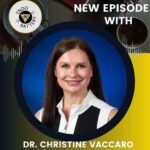
Dr. Christine Vaccaro, a double board certified urogynecologist, provides crucial insights about the often-overlooked challenges of surgical menopause and comprehensive hormone replacement therapy. She explains why the abrupt hormonal changes after ovary removal create a “rude awakening” for the body, unlike the gradual transition of natural menopause.
• The difference between natural menopause and surgical menopause (removing ovaries)
• Why all three hormones matter: estrogen, progesterone and testosterone
• The specific roles each hormone plays in overall health and wellbeing
• How quickly bone loss occurs without hormone replacement
• Why local vaginal hormone treatment is necessary even with systemic hormone therapy
• Options for vaginal hormone treatments including creams, tablets, rings and suppositories
• The importance of addressing pelvic floor muscles after surgery
• Why some women still have pain after hysterectomy
• How mental health support, particularly sex therapy, aids in recovery
• The value of education before surgery to make informed choices
Don’t underestimate the impact of surgical menopause. Find doctors who will discuss comprehensive hormone replacement before surgery and create personalized treatment plans to support your quality of life afterward.
general email: info@rachelrubinmd.com
appointments: office@rachelrubinmd.com
website: rachelrubinmd.com
instagram: @drchristinevaccaro
youtube: youtube.com/@DrRachelRubin
Website endobattery.com
Introduction to EndoBattery
Speaker 1
0:02
Welcome to EndoBattery , where I share my journey with endometriosis and chronic illness , while learning and growing along the way . This podcast is not a substitute for medical advice , but a supportive space to provide community and valuable information so you never have to face this journey alone . We embrace a range of perspectives that may not always align with our own . Believing that open dialogue helps us grow and gain new tools always align with our own believing that open dialogue helps us grow and gain new tools . Join me as I share stories of strength , resilience and hope , from personal experiences to expert insights . I'm your host , alana , and this is EndoBattery charging our lives when endometriosis
Welcoming Dr. Christine Ficarro
Speaker 1
0:38
drains us . Welcome back to EndoBattery . Grab your cup of coffee or your cup of tea and join me at the table .
Speaker 1
0:47
Today we're joined by Dr Christine Ficarro , a double board certified and fellowship trained urogynecologist and reconstructive pelvic surgeon with advanced training in sexual medicine . Dr Ficarro is deeply passionate about women's pelvic health and the role it plays in overall well-being . She's compassionate , dedicated and truly takes the time to create the best care plans for her patients . And when she's not in the clinic or in the OR , you can find her cheering on her kids at their sports events , walking her labradoodle or powering through a hot yoga session . Please help me in welcoming Dr Christine Vaccaro to the table . Thank you , dr Vaccaro , so much for joining me at the table . I am excited for this conversation . It is long awaited , so thank you for taking the time out of your busy schedule to join me today .
Speaker 2
1:40
Alana , it is my absolute pleasure , as you and I have spoken before , it fills my cup to educate women so they have good education to empower themselves to make excellent healthcare decisions . So I can't wait to start this conversation .
Understanding Surgical Menopause
Speaker 1
1:47
I know and we need more education surrounding the topic that we're going to cover today , and this is something that is near and dear to my heart as someone who has had a hysterectomy and a nephrectomy and trying to navigate this convoluted world of hormone replacement therapy and what's right and what's wrong , and I think that something that you and I had talked about before is that there is a lot of talk surrounding perimenopause and normal menopause , but what gets a little bit challenging is when you go into surgical menopause . That's a whole nother ball game , and one that I didn't know that I was signing up for , necessarily , in the sense that I was in so much pain . I just wanted my uterus and ovaries out , but I didn't know what was going to come , and there's a problem with that .
Speaker 2
2:39
Absolutely , and I'm going to just shape this response in my lens so that your listeners know who I am , so they understand my lens . So I am a double board certified , fellowship trained gynecologist , which basically just means I am a specialty gynecologist in women's quality life conditions and that's like pelvic floor symptoms , urinary leakage , pelvic floor pull ups , menopause , sexual health , pelvic pain , so basically anything in that realm is what I deal with on a daily basis and I think sometimes when patients have a diagnosis of either pain or cancer , right , we're really good at like treating those conditions , but then we forget about the quality of life aftermath . So for you specifically , it's like all right , alana , we're going to do the definitive procedure for you , we're going to take out the uterus which is producing the implants outside your uterus causing pain , and we're going to take out your ovaries . But we might not get to then talk about like how catastrophic that is for the rest of your body to go from a natural hormone level to zero hormones , meaning estrogen , progesterone , testosterone those are the three hormones that are all critically important , that are made by our ovaries to help our body be functioning optimally . So , basically , women that have a slow decline of estrogen , progesterone , testosterone . As we approach midlife , have a little bit more of a gentler but still not great gentler approach to perimenopause , menopause .
Speaker 2
4:09
But again , surgical menopause is an abrupt , almost rude awakening . It's like running , it's like you know , going 1000 miles an hour and slamming into a wall . Right . It's like the body is all of a sudden completely , not completely , not prepared to deal with . And again , you can tell me what your symptoms were if you'd like . But generally , again , severe hot flashes , night sweats , brain fog , memory loss , word finding , zero libido and then usually musculoskeletal aches and pains , chest heart palpitations , musculoskeletal aches and pains , chest heart palpitations , and then again , the longer from hormone support , the genitourinary syndrome of menopause , like recurrent UTIs and going to the bathroom all the time , getting up at night , vaginal dryness , difficulty with arousal and orgasm . So all these things start happening , very detrimental to women's quality of life . And I forgot to mention anxiety , depression . Those are also extremely common . And not because you're going crazy , it's because your hormones are low .
Speaker 1
5:11
Which is hard to differentiate that when you're in the midst of it . You know , I think for me . I woke up and I craved chocolate first thing , which I had not done before . You know . I was like give me that cookie and don't take it from me , because I will chop your arms off , Right . It just was like this visceral response to my body changing , and then it went from that to . I was in so much pain prior that I was like certainly it's got to
The Three Essential Hormones Explained
Speaker 1
5:36
be better . After my hysterectomy , Like it is , like I'm in , I was desperate at that point and I had severe adenomyosis bleeding all the time . So of course it was like this has got to be better , right ? Well , after my hysterectomy , after my excision surgery and everything else , what ended up happening was it didn't get significantly better in intercourse . It didn't get significantly better with my brain fog . My fatigue was slightly better , but there were things that I just didn't understand .
Speaker 1
6:05
I was immediately put on the Estradiol patch , which I was thankful for , but I didn't know why , I didn't know why I was being put on that , and I remember a provider it was a nurse in the office who's no longer there saying to me . She said you know , you don't really need the estrogen patch if you don't want , just get some over theounter things to help with your symptom relief . And I was like , no , that's not what I was going to say . I had the wherewithal to say no , I don't think they're right , but I didn't know about testosterone or anything else walking into it , and so I think a lot of those things that you mentioned I dealt with . And so when you talk about that mental struggle with thinking that things were going to be better and it wasn't as good as it could have been post-operatively , there was a little bit of depression . That happened after that .
Speaker 1
6:55
You know , that false sense of hope in a way , like my endo pain was not there anymore , but I definitely had other pains and I still dealt with the brain fog and the muscular skeletal let's not even go into that yet . You know , it's kind of all those little things that escalated in a way , but in that I wish I would have had a pre-surgical plan for hormones . What should we do in that respect ?
Speaker 2
7:25
Yeah . So , Alana , I think you ask a really important question . I love prevention and I love proactive women . I love when I see a patient coming in for variety of reasons why they're having their uterus out and their ovaries out and they want to have the conversation , and it's like thank goodness , because can you imagine a world where we're actually women , are prepared and ready and like know exactly what they're going to do and and have the expectation that , like you know , here's what happens if you don't supplement your hormones , that we're going to be abruptly ripping from your body ? You know , and make it obviously a conversation , shared decision making , right , Because , again , for a variety of reasons , some women may not want hormone therapy .
Speaker 2
8:08
At least they know and they understand the risk . I don't think we also clearly talk about what this happens to your bones , right ? Just osteoporosis alone kills so many women every year and , again , we don't talk about that enough either . So it's just all sorts of prevention . So , again , imagine a world which I do see this often actually , and I love it the woman comes in , okay , to meet with her surgeon and or , potentially , a hormone specialist , and they go through all the options , they go through the expectations and there's a plan for either hormonal or non hormonal therapy and that can actually start the day of slash . Before , after whatever they agree upon , you don't have to wait until symptoms are severe and you're feeling awful and anxiety and depression and brain fog sets in . Like the point about prevention is to prevent feeling terrible , so catching it before it starts .
Speaker 2
9:03
I think there's a misperception still in the medical community that transdermal hormones cause or can contribute to blood clots . Transdermal estrogen products do not cause blood clots . But I think again , sometimes surgeons still have this sort of perception and they don't want to start anything in and around the perioperative time frame either . That you know before , right , immediately after , etc . So a lot of times women are in this , you know , six week zone of suffering until they go into their postdoc visit and then it's like , oh , how are you feeling ? And it's like I feel awful , like you know . But we have avoided that six weeks of awful and just helped them through that with replacing again what their body was already making . It's not like we're giving supra therapeutic doses here , we're just giving a little gas in the tank so it doesn't run on empty .
Speaker 1
9:55
Yeah , I think what's hard too is a lot of people coming out post-operatively kind of associate what they're going through as post-op pain as opposed to the significant changes in their bodies occurring instantly , and I definitely experienced that . Are there risks associated with holding off on hormone replacement therapy , even if it's a year or two ? Because I think you know personally for me I didn't start testosterone for a year because I didn't know that was a thing . But , I'll tell you it was a huge difference when I did .
Speaker 2
10:29
Yeah , I think the best , the best data we have is in bone health . So for bones the loss is pretty significant right away . The best data we have is the perimenopause window , which is like four to seven years before menopause . During that just that transitional time where again times estrogen is normal and sometimes it's really low , we lose like 10% of our bone loss just in that up and down time . So if you can imagine one year without hormones completely , which is a huge change , the bones take a huge hit there . I don't have a number to quote , but again it could be up to 10% . You know , you don't know , but again women that have normal testosterone then go down to zero . That's a huge change and the bones definitely feel that .
Speaker 2
11:17
I mean , other things are going to be harder to quantify , right ? We know how much sleep is disrupted during hot flashes , night sweats , and again , it doesn't even have to be a hot flash of night sweat . You can just wake up for no reason at all , meaning like you're a great sleeper , and then all of a sudden you're like why am I awake at 2am ? For no reason , and then the mind starts going and then things start happening and then you can't fall back asleep , okay . So then you have , you know , months slash years of poor sleep , which poor sleep is directly related to chronic illnesses , skeletal pain , depression , yeah , et cetera , et cetera , right , so it's like all these things layer on each other and only the patient themselves know how devastating that , you know , year of waiting can be .
Speaker 2
12:03
You know , again , I just hate to see women suffer at all . So my approach is that that timeframe is zero days , like I want them to start right away . I even have some patients that are already low in testosterone start testosterone before their surgery , because it does take several months to ramp up on testosterone . So every patient's a little bit , a little bit different , based on their age , symptoms that they're already experiencing . But again , you know , think about one year . Think about a diabetic with one year without insulin . You know that's a really important human hormone . Think about a hypothyroid patient with one year without their thyroid . They're going to feel miserable . And I don't know why we treat sex steroids as something that we withhold for some reason , just to allow women to suffer , like it doesn't make any sense to me at all . So , to prevent pain and suffering and also to prevent chronic disease like osteoporosis , I don't recommend waiting unless there is a concern about hormonal dependent cancers . Or there's a concern , and then again then that's a more of a detailed discussion with the patient about risk benefit .
Speaker 1
13:06
Right , and I think something that maybe we should address is what each of these hormones do in the body , because I think that can be very confusing for patients walking through the various aspects of trying to heal their body or help their body . What ? Part does estrogen play ? What part does testosterone play ? And is there a reason to take progesterone ? And what role does that play in our bodies ?
Speaker 2
13:31
Because , oh my gosh , these are such that is very confusing and these are such great questions . Thank you for bringing it up . So you're right , each one does things that are unique to it , but then a lot of times they , when layered together , complement each other . So we'll go through them one by one . So the main estrogen is estradiol . The ovary actually makes several estrogens , but that's the main bioidentical most active estrogen and it's the most important for , again , supporting our whole body , head to toe . So when I think of estrogen , the easiest way to describe it is it is a grower . It grows things . It grows our hair , it grows our bones , it helps support our muscle , helps support elastin and collagen in our face . So , again , it helps support the elastin collagen in the vagina . So it literally grows and supports our tissue , whereas progesterone its main role and again , a woman that's had a hysterectomy , it's like well , I don't need that because its main role is like stabilizing the uterine lining , because , again , estrogen grows things , including the uterine lining , and for women that have a uterus , we need to balance that growth with progesterone and I actually want to do this research study . I really think that progesterone is not just for uterine protection . We know , we have great data , that it helps support sleep quality and also initiating sleep and it also reduces anxiety . It works on the GABA receptors in the brain to help kind of quiet and calm our mood . So there's so many other additional benefits of progesterone and I think sometimes women that again are going in for hysterectomy don't get offered progesterone , and I think sometimes women that again are going in for hysterectomy don't get offered progesterone when that also might be something that they really would benefit from . So I would like to see progesterone , some more good quality studies that I may or may not be involved in creating , because there hasn't been a study showing the benefit in women that either had their uterus removed or potentially women that are using a Mirena IUD to control their pain symptoms , control the uterine lining . But again , could those women benefit from oral progesterone for sleep and anxiety reduction as well ? No one has done those studies yet . So again , just a little teaser on progesterone .
Speaker 2
15:41
But then next is testosterone . So testosterone , of course , the most data we have is in males . Again , testosterone is not a male only hormone , it's a human hormone . Women have more testosterone at all times in their life than estrogen . The only time where this may not be true is late in pregnancy , when estrogen levels are really really high . But other than that , we have more testosterone than estrogen , which I think is a revelation to some patients . It's a revelation to some doctors because , again , we just don't have good education on hormones in our medical education .
Speaker 2
16:15
It's true that men have a lot more testosterone than we do . They have 10 times more , but we still have a lot more than we have estrogen . So the symptoms and the way it supports a man's body again , we're all human , so it works . Similarly , it supports libido , okay , which is the main reason that we use testosterone in women . That's like the most commonly indicated reason to use it , even though it's still off label because there's no testosterone products for women in the U S , although there are some in Australia .
Speaker 2
16:43
But it works for libido . It works for overall muscle building and muscle strength . It works for overall feelings of wellbeing . There's data to support it . It works for depression and anxiety . So again , it is a very important hormone . Just again , feel . It's kind of similar in women not feeling like yourself . That's kind of a similar phrase they sometimes use for men with low libido . Like not feeling like yourself Because , again , in both men and women , testosterone starts
Hysterectomy Types and Terminology
Speaker 2
17:12
to decline in our late twenties and just continues to decline . So it's very common for men to seek testosterone replacement , but it should also be common for women to seek testosterone replacement to continue to feel our best selves . So in very short , estrogen is a grower . Progesterone stabilizes the lining , but can be used for sleep and anxiety reduction . And testosterone is great for libido but also probably has other benefits to muscles , bones , brain .
Speaker 1
17:39
I experienced that tenfold when I started testosterone . It was a huge difference for me , huge difference , and when you get it balanced it makes a big difference in your quality of life , for sure .
Speaker 2
17:52
And again all those , yeah , and all those again . And things complement each other right . It's like you know , women feel generally so much better when they get a little extra on board if they're having hot flashes , night sweats , because at least then they can sleep right . And then you layer on even improved sleep quality , and then you layer on a little bit extra energy and libido and it just again , it all just complements each other .
Speaker 1
18:13
Yeah , you know there are kind of two different phases of hysterectomy there's a partial and then there's a full hysterectomy . Does that affect our hormone , how we receive hormones if we need hormone replacement therapy , and then how does that affect our sexual function as well , Because they kind of all go together ?
Speaker 2
18:32
right . Another great question , and I'll tell you we do a bad job at terminology as well . Even I'm so confused sometimes when patients tell me like I had a total hysterectomy or I had a partial hysterectomy , because depending on what they mean , it could be very different , Right ? So I'm just going to talk about medically what the term hysterectomy means . So sorry , we're going to go down this rabbit hole for a second , but I like it .
Speaker 2
18:54
Hysterectomy literally means removal of the uterus . Ok , it generally involves the cervix , but if we call it a subtotal or a partial hysterectomy , that means we're leaving the cervix . So total hysterectomy when I'm talking medically to my medical colleagues , is removing the whole entire uterus , including the cervix . Subtotal means leaving the cervix . We don't usually use the word partial . Mostly patients will sometimes use partial , but usually what they mean by that is that the ovaries were left and a lot of times the term total hysterectomy for a patient they're referring to . They took all my female organs . I had a total removal of my female organs , but again , hyster , that word hyster , hysterectomy , ectomy just means removal and hyster means womb . So it's removal of the womb . So that's what that means . But again , commonly everything is sort of wrapped into that . But it's a huge distinction and a lot of times a woman doesn't even know when I ask , well , did they leave the ovaries ? And they're like I don't know . I had a full hysterectomy and then I'm still like I don't know either , because that's confusing to me too . So it's really important to know , if you're having a hysterectomy , what else is being removed . So again , there's the cervix , there's the uterus , there's the tubes and the ovaries , and when we say everything , then I would say that's a total hysterectomy with a bilateral meaning both sides salpingo tubes , oophorectomy , ovaries . So hysterectomy with bilateral salpingo oophorectomy To me that's everything . So that's just so we have the terminology . So when a woman has a hysterectomy with bilateral oophorectomy and salpingectomy , I am thinking differently about her hormones , because the ovaries are the ones producing the hormone . So that's , if she's pre or perimenopausal , she's going to go right into surgical menopause . If she's already menopausal , she may or may not notice any significant abrupt changes because already her hormones were very low to start with . But a pre or perimenopausal woman usually is going to have that abrupt change where we do want to have that talk about how she's going to feel right afterwards .
Speaker 2
20:59
Sexual function . You know there's been some elegant studies showing that the cervix isn't generally very sensitive to being removed . Meaning they've done biopsies of the cervix . There's not a lot of nerve density there but again , some women depend on their how they feel their erogenous zones . Some women do feel like having the cervix there was important for their sexual function . So I think most of the data says there's no change in sexual function regarding , like , the presence or absence of the cervix . But I think that's a very patient , specific thing .
Speaker 2
21:35
Yeah , we know , obviously , that the main sexual organ is the clitoris and we're not altering the clitoris in any way . Again , clitoris equals penis . They're the same homologous structures and that's where we get our sexual pleasure . But again , it doesn't mean that some other pleasant sensations are coming from the cervix or uterus . So the other part of your question is so if a woman just has their uterus removed , does that change hormones ? And the answer is yes . So whenever we dissect the uterus from the ovaries and the tubes , because they are connected that does interrupt the blood flow and generally puts woman into menopause one to two years sooner than she naturally would . So if she was in perimenopause and kind of like teetering on the edge , that might be enough to put her into menopause . If she was premenopausal , it would put her into maybe earlier perimenopause and then hence earlier menopause , because , again , it's about blood flow to the organ which is the ovaries .
Speaker 1
22:32
And how do you tell that ? Because for those who don't
Sexual Function After Hysterectomy
Speaker 1
22:35
have a cycle because they don't have the uterus , how do you tell whether they're going through perimenopause or menopause ? Is it based off of just symptoms or is there more blood work that needs to be done ? Because I know a lot of people who just remove the ovary and they're like I don't know which way is up or down with my cycling .
Speaker 2
22:52
Yeah , yeah . When just the uterus is removed it is tricky because , again , we do use bleeding patterns as a marker for menopause . But generally the symptoms are going to be the way to go , right . We love treating symptoms and when there's no symptoms it's like oh , what are we treating ? You know , I'm not really sure . But when there's symptoms , we were like okay , this is clinical , bothersome symptomatology consistent with a low hormone state .
Speaker 2
23:15
So again , hot flashes , night sweats , mood changes , irritability , anxiety , depression , brain fog , memory loss , hair loss , dry eyes , dry eyes , itchy ears , heart palpitations , musculoskeletal pain , bladder symptoms , all of those things vaginal dryness are in in the whole realm of something that would be related to perimenopause , menopause , and then the whole like when do we check labs ? That's a you know . You know you could always do a point counterpoint in that , because whenever I'm counseling patients it goes something like this we can always check labs and see where you are If it's perimenopause , meaning they haven't had surgery , and they just kind of want to know where they are . Almost always most of the labs are normal , because they still have enough gas in the tank and , depending on if I catch them on a up cycle or a down cycle , you know , generally they're normal , except for testosterone . That's generally already at a low point .
Speaker 2
24:09
So I just let them know like we can check these . Almost always they're going to be normal in perimenopause , but sometimes women just want to know and I think that's fine . It's a data point and it's a place to start . But if we're thinking about testosterone replacement , we do have clinical practice guidelines that state that we do need to know where their baseline is and we do need to make sure that it's somewhere in the range that we think that testosterone replacement would be beneficial for them . So that's a place that we do need to check labs and follow labs to keep them in the safety range of a normal female .
Speaker 1
24:44
Yeah , what are some setbacks with having a hysterectomy and taking as far as the sexual function is concerned ? Because I know personally , as someone who struggled , once I got my testosterone , I still struggled a little bit vaginally because it wasn't comfortable , I mean it just . And then you've dealt with trauma , medical trauma , you know , having IUDs inserted without pain medication , you know name it . It's probably happened , right . And so how do we , what are some of the drawbacks to that and how do we talk about that to our doctor ?
Speaker 2
25:20
Right . So I think sometimes , or even even a good doctor that talks about full body replacement , might forget about local vaginal hormones , which are also really important . So full body hormones , even though they're called full body or systemic hormones , they're actually not enough to support the genitourinary systems . The genitourinary systems Because , again , full body hormones are just getting a little bit of gas in the tank . We're not giving back the full amount that most women have , and so the genitals really suffer in that regard and generally need local support . So that's generally in the form of either vaginal estrogen , either creams , tablets , suppositories there's vaginal rings or through other suppositories like DHEA , which converts to estrogen , testosterone in the cell level .
Speaker 2
26:11
So there's different ways that we can replace the hormones in the vagina . Which protects against , you know , pain with sex or dryness related pain . Protects against overactive bladder , like urgent urinary urgency , potentially leakage . It protects against recurrent UTIs and changes in sexual function . So , again , blood flow to the vulva , vagina , clitoris is really important to maintain a healthy sexual function . All these places are really sensitive to a decline in hormones . Even if it's still half a quarter gas in the tank , it's not enough for the genitals , Right , it's really important .
Speaker 1
26:46
Yeah , I experienced that personally where it was like I didn't know that was even a thing . Again , that comes back to that educational piece where you I had this surgery but I wasn't really educated on the hormone piece of it . And to be honest , I think this is what's so hard about navigating a hysterectomy is the fact that not many providers are well-versed in both the hormone piece and the surgical piece to be able to treat both , and so we oftentimes just feel left out in the cold and we don't know which way to go . But I know that for me personally , bringing in the vaginal estrogen made a huge difference , and it's not even just for me , for the intimacy aspect of it , it's the dryness , the itchiness , the everything else that goes along with it . But something that a few of us have talked about before is that we don't always know when to use those vaginal supplements , because we don't want it to interfere with intimacy .
Speaker 1
27:45
And we're already a little self-conscious or sometimes a little stressed about that because of the trauma . How do you approach that with your patients ?
Speaker 2
27:53
That's a great question . Number one women hate to do things that are cumbersome , messy and could potentially transfer to their spouse . Again , we're very sensitive to messy things in and around the genitals right , we want to always be clean and you know all those things . So I like to talk to patients about whatever they're doing , doing it on a routine basis . So you know , probably the one of the least you know I can talk about like the least messy options first . So things that don't cause any mess are vaginal rings . So I do love vaginal rings . There's a hormone , full body hormone ring and there's a local ring . One is called the fem ring , one is called the east ring . The nice thing about the fem ring is it does full body support and local support and it's literally like just working . It's just in the vagina , just working constantly and there's literally only mess is from your natural lubrication , which is generally a good thing , right , supporting the natural lubrication of the vagina .
Speaker 2
28:50
But , again , some women are like ew , I don't want something in my vagina , and I totally get that right . Next is the tablets . Right , the tiny little Vagifim tablets and those are usually twice a week Generally aren't going to cause really . I mean
Vaginal Hormone Treatment Options
Speaker 2
29:02
, there's super tiny tablets that dissolve in the upper vagina and generally don't cause hardly any mess or any noticeable anything . But again , some people that are really green are like I don't want to be like you know , throwing away all this plastic applicators all the time , et cetera , et cetera . So there's there's that , there's other inserts that are just placed with the finger Invexi again , another tablet insert for the people that are really green and want to look out for the environment . It was kind of nice because there's no applicator that comes with that . Next is the DHEA suppositories . These come in palm oil . So for patients that are really dry , I find they're nice because it's a natural sort of emollient for the vagina and it also helps with the health .
Speaker 2
29:42
But again , some people are like nope , that's too much for me , like I don't want to see anything on my underwear at all . Right , you know , every woman's different . And then , if it comes down to the cream , which is considered to be like the most messy . But it really depends and I am a cream lover it really depends on how you use it . So when I talk to women about the cream because a lot of times women need something in the upper vagina and also something at the opening , because that's where we usually feel a lot of our symptoms Usually the symptoms of irritation and itching and burning is usually just right around the opening of the vagina and that area called the vulvar vestibule , which is just right next to the opening of the vagina . That's where things are the most sensitive . I can have a patient with the upper vagina that looks glorious , but then their opening is like red and irritated and dry and sore , right .
Speaker 2
30:30
So it's like sometimes we do need cream , and the way that I like to use cream is to actually put a little pea-sized amount on the finger and rub it into the tissue . If you think about it like moisturizer or sunscreen , right , you wouldn't just like put a dollop on your face and then , like you know , walk away like you rub it in , right , just like lotion your hands , you have to rub it in . So if you are someone that's concerned about the messiness of cream , I recommend , just again , a pea-sized amount on the finger and rubbing it into the tissue until it is absorbed . Generally then you're not , it's not messy , you're not transferring anything . There's no , like you know , white creamy discharge , because women hate discharge . They also hate cleaning an applicator full of cream and , you know , trying to get it cleaned .
Speaker 2
31:16
All these things are cumbersome , right , and the goal is to not make it messy , difficult or annoying so that we increase compliance and we're able to actually treat the symptoms without it being a cumbersome situation . But for patients that are using the cream just on the outside , I really like at least three times a week . So usually there's a ramp up for all these products of nightly for two weeks and then it's a maintenance dose of two to three times a week . I really like three times a week . You can't overdose on local estrogen products and if it's used too infrequently it's not going to work . So I really kind of like with the cream , like a Monday , wednesday , friday , take the weekend off , kind of a plan so that it's getting enough hormone to the tissue .
Speaker 1
31:58
That makes sense .
Speaker 2
31:58
I had .
Speaker 1
31:59
you know it's interesting . I had a friend of mine tell me she goes , can you ask , does it change the smell of the flora ? And I was like , okay , I'll do that . But that is a concern when you're dealing with the intimacy , like is it going to change my smell down there ? Is it going to make it different than what I'm used to ? You know , I think when we're talking about , when we're already maybe self-conscious about intimacy and maybe have that trauma to add , changes can be a little intimidating . Is that a thing with the vaginal estrogens ?
Speaker 2
32:34
Um , I can't , I can't speak for everyone's um flora , but I will tell you that um , estrogen itself supports a healthy bacterial environment and I'll just kind of walk through how that does . I'm going to little like geek out for a second , but hopefully your listeners won't mind . But basically , a healthy vagina has these really fluffy and big superficial cells . So there's like a tiny little nucleus and then all this glycogen that's in the cell . Lactobacilli are the healthy bacteria that live in the vagina and create a healthy , normal smell and normal environment and they feed off of the glycogen in these superficial cells . So the lactobacilli feed on the glycogen , they produce lactic acid which then creates an acidic pH , usually around 4.5 or less . That supports the healthy environment of the vagina .
Speaker 2
33:29
So again , the vagina should have a predominance of lactobacilli . It also has a little bit of other things gardenerella , yeast , et cetera , like a smaller amount . And again , it's all about keeping things in balance with the pH to keep a normal smell . Um , the way , the way nature intended , if we're supporting the normal , healthy layers of the vagina with having those superficial fluffy cells , which are the healthy cells that are made when we have enough estrogen , then it supports that natural lower pH , which is a good , healthy environment for the vagina . So hopefully , that'll help .
Speaker 1
34:06
Yeah , I mean , these are all valid questions and concerns that people have and something that I think maybe we can touch on a little bit more is that reoccurring pain after surgery , specifically vaginally , doesn't always mean your hormones are off . It could mean something else is a little bit more sinister . And can you speak to that a little bit and we have , you know , we're balancing our hormones , but things are still not right , whether that's in the urinary tract or whatever . There's got to be other things that can contribute to that as well .
Speaker 2
34:42
Absolutely so . I'd say in the immediate , like immediate post-op course , the most common is a UTI bladder infection because most women have had instrumentation of the bladder and urethra during hysterectomy . That's a part of the procedure to look in the bladder and urethra and then a lot of times there's a part of the procedure to look in the bladder and urethra and then a lot of times there's a Foley catheter that's been inserted either at the time of surgery or even sometimes is needed for a short amount after surgery if there's any difficulty with urination . So UTIs are probably the most common source of immediate pain and quote-unquote complications after a hysterectomy . Now , in absence of that , the vulva , urethra and bladder are all again really sensitive to declines in hormones and can just even feel like a UTI when it's not a UTI . So just urgency , frequency , sometimes even some pain with urination , because when the urine sprays on the sensitive vulva it feels irritated . So there can be hormonal changes of the bladder , urethra , vulvar , vestibule that are just caused like general irritation and inflammation . But then we also think about the other larger musculoskeletal system , so the pelvic floor muscles themselves . So most women that have had a chronic pelvic pain condition their muscles have been trying so hard to guard against pain they don't even know they're doing it . But a lot of times the muscles are extremely tight and tender . Even though the uterus , cervix , potentially tubes and ovaries are gone , that muscles are still remembering all that pain and are still like , super tight .
Speaker 2
36:15
And working with a good pelvic floor physical therapist can teach patients . Okay , this trauma is now improved , but I need to relearn how to relax my pelvic floor Because a lot of it's unconscious . You know some people carry tension in their you know their upper back and they're walking around like this right . And some people keep tension in their pelvis , especially patients that have pelvic pain , and it's teaching them how to do deep diaphragmatic breathing , understanding how their body feels and again , relaxing the pelvic floor , and that usually does take some time , especially patients that have had chronic pain for a long time .
Speaker 2
36:52
There can still be some you know , I hate to say it implants still . You know that were maybe not found , but sometimes some implants are still on the bowel or inside the abdominal cavity of some places that still cause some lingering pain . So that's also possible . But again , after surgery , generally that significantly improves and then again , sometimes it's a nerve that's just super inflamed . Okay . So nerves over time get sensitized to pain and it's called nerve sprouting , create additional fibers that basically are upregulated and just sense pain more easily than normal nerves that are have not been traumatized . So those are all the things I kind of think about when I'm thinking about you know , post-op public pain . Those are all the things I kind of think about when I'm thinking about you know post-op pelvic pain .
Speaker 1
37:39
You know , something that I hear a lot of people experience is bladder spasms even after . I think that's something that people don't really know how to address . Do hormones help that , or is that really you need to have like Botox or you know a block ? In there somehow . But do hormones help with that ?
Speaker 2
37:58
Absolutely . Or you know a block in there somehow . But do hormones help with that ?
Managing Post-Surgery Pain
Speaker 2
38:05
Absolutely . So that's what we term the genital urinary syndrome of menopause . So we know that obviously , again , hormones support the whole body , but the genitals and the urinary system are really really exquisitely sensitive to decline in hormones .
Speaker 2
38:12
So the bladder can have bladder spasms , like I got to go . I got to go right now , so urine , that's called urinary urgency and then frequency , like I went to the bathroom but like 30 minutes later I feel like I have to go again , you know . So that's like feeling like you have to go all the time , or sometimes even what we call an incomplete , a sense of incomplete emptying where it's like I know I just went , I haven sensitive to anything , any sort of bladder filling . A lot of times that's associated with urinary leakage , which is of course even more bothersome . It's like one thing to have to go a lot and that's another thing to be leaking .
Speaker 2
38:48
So my first line approach is hormone replacement locally , so meaning vaginal estrogen products , especially when it's time related to a change in hormones . So that's where I start just replenish the local tissues . But a lot of times there are additional therapies that are needed . You know behavior , lifestyle , pelvic floor , physical therapy , learning how to strengthen the muscles , and then there's advanced therapies Botox , nerve stimulation . That can also be done if things aren't responsive to behaviors , physical therapy and hormones .
Speaker 1
39:21
Right , something that you just brought up which I think we need to talk just a little bit more about , and that is the role of mental health professionals when it comes to making such a big shift in your body and in your life , and I know a lot of people who have hysterectomies and oophorectomies . They have a sense of grief and loss and then , on top of that , they are still struggling with their sexual health , and how do you help patients that come into your office who are still struggling with a lot of this ? Because that's a huge change and huge shift in someone's body and part of their identity , in a way 100% .
Speaker 2
39:58
There's actually one of my colleagues , libby Chang . She's extensively published on the concept of the value of the uterus and she actually developed a questionnaire about women and their how much value they put on their genital organs . So it's like it's about a third a third , a third to a third of patients like don't really care , one way or the other , the uterus doesn't make them feel any more or less womanly . But then there's a third that's like no , this really makes me feel womanly . And then there's a third like I hate it , get it out of my body . You know so it's just an interesting dynamic , but if you don't ask the question , we don't know .
Speaker 2
40:30
So the women that is are thought to be more bothered by hysterectomy , or women that really strongly valued the presence of their uterus as a sense of their identity and their womanhood , meaning like this is where my babies grew , this is how I feel . You know that I'm a woman and now I don't have this , and it really is detrimental to their mental health . But I don't think that's the only thing going on if the blood flow has been disrupted or if the ovaries have been removed , because then we're talking about a totally different situation where it's like such a huge hormonal shift that the hormones are causing anxiety , depression , et cetera . It's two things going on and it's hard to determine exactly which is happening . But both need to be supported and I'm absolutely in full support of having a really good mental health provider .
Speaker 2
41:17
Sometimes a sex therapist is also really important because the symptoms are predominantly sexual meaning . Like I have low libido and now this is causing a huge mismatch in my marriage and now my spouse might want to leave me and I just don't have any desire and like when it goes down that way , then really the best mental health provider is a sex therapist , because they can balance and they can focus on a sexual health and also they're pretty good also at understanding hormones and hormone changes . So those are kind of my I , really . I really . Unless there's zero sexual symptoms , which is rare , I generally opt for sex therapists in this situation .
Speaker 1
41:55
Is there ways that you help medically manage that as well , if they have low libido beyond just the hormone replacement therapy , because there might be those people who really struggle still after hormone replacement therapy .
Speaker 2
42:08
Yeah , yeah , so there's two FDA approved medications , e erythrobancerin and then Vileci brimelanotide , and those work on the neurotransmitters , so those are on label to treat women that are suffering from low libido . Of course they're labeled for premenopausal patients , so a little bit we have to go through prior off to get those that are generally not not a problem to get covered for patients . After a little bit of paperwork , after a little bit of paperwork . So yeah , when hormones are all plussed up , then a lot of times it is a neurotransmitter issue if we're thinking about just pure biology . But again , I never want to think that it's just pure biology . That's just why we talk about like , how's your relationship , what's going on in your life , what are your stressors ?
Speaker 2
42:54
Because midlife is this like very stressful time for most women , where their kids are , you know , teenage years , and then their parents are aging , they're usually their job . If they're in the job , world is getting more and more complex and then their spouse is wanting to leave them because they won't have sex , but they're super fatigued and it's just like , you know , they might have a parent dying , like it is just very challenging time . So that's the psychosocial
Mental Health and Body Identity
Speaker 2
43:21
piece that the mental health slash sex therapist can also address if there's any concerns in that area . Because , again , it's not just biology . If you hate your partner and your partner's abusive or mean or whatever right , no amount of hormone or neurotransmitter is going to make my patient like their spouse again if they're an awful person . So we call that a you know , a boyfriendectomy or a husbandectomy or whatever .
Speaker 1
43:44
Just excuse them out of the room and space . Yeah exactly how can patients and providers work together to ensure accurate diagnosis and treatment of pelvic pains or low libido or hormone imbalances ? How can they work together and how can they find a provider to work with them ? Yeah , that's a really great question .
Speaker 2
44:07
There are great organizations , but basically there's a bunch of different pelvic pain societies that I think it's always good for patients to educate themselves because I know it's probably not shocking but medical education isn't always perfect and providers aren't always aware of everything . I can't tell you and this is I hate to say this , but I'm going to share it anyway I can't tell you how many patients come to see me after their hysterectomy and bilateral salpingoephrectomy having the exact same pain they had before , because the pain was misdiagnosed as endometriosis and wasn't endometriosis at all . It was vulvodynia or bladder pain syndrome or a variety of other musculoskeletal pain conditions . And that really fires me up , because now we've done a major surgery on a patient , reeked to have it on her hormones and she's still not any better from a pain standpoint . So when I'm teaching medical students , residents , fellows , I make sure that we do a very comprehensive pain mapping , where we start on the outside and we slowly work our way in covering all the possible areas of pain . Because , again , most of the time women just have a speculum exam and then a very uncomfortable internal exam . We call it bimanual exam and it's not very specific on you know , everything's getting touched all at one time . And then doctors ask does it hurt here ? You know , as they're mashing everywhere and the woman's like , yes , it hurts everywhere , right , right , and then they get . And then they get signed up for hysterectomy and you know , bilateral salpingoephrectomy , and that's not always the right thing .
Speaker 2
45:42
So my point in saying all that is there's lots of pelvic pain conditions , endometriosis is super common , which is why it gets , you know , rightly so , a lot of attention . But some of the other ones that are also there sometimes are missed and misdiagnosed and then the woman actually gets the wrong treatment . So I think knowing all the possible pelvic pain conditions and knowing kind of the classic symptoms are important . So just really quickly , you know , if I'm thinking about working my way from outside to inside , the first thing I'm looking at is vulvar pain , so vulvodynia . Then I'm looking , and also the genitourinary syndrome , menopause .
Speaker 2
46:18
And then I'm looking at is vulvar pain , so vulvodynia , then I'm looking , and also the genitourinary syndrome , menopause . And then I'm looking at the bladder , so bladder pain syndrome . I'm looking at the musculoskeletal system , the levator , so levator myalgia . I'm feeling for the bowel , the rectum as well , because sometimes again there's implants there . And then I'm touching the cervix , looking for cervicitis like an infection of the cervix . And then I'm doing the uterus and ovaries separately to kind of evaluate those last , because if you have a systematic way of approaching the pain evaluation , you're going to get more information than just a let me mash all around and see what happens it is alarming to see how many people tell me I had a hysterectomy , I'm like why ?
Speaker 1
46:59
And they're like
Final Thoughts on Hysterectomy Education
Speaker 1
47:00
I don't really know .
Speaker 2
47:02
And I'm like that's a problem .
Speaker 1
47:04
You should know why you are having hysterectomy .
Speaker 2
47:08
It's a big surgery . It is and again it's thank goodness like most gynecologists are really skilled at performing the surgery and complications are rare . But it's still a big surgery . It's a big recovery . It's changes to the hormones . Potentially it's you know , potentially if you're that woman that values your uterus and now you don't feel like a woman anymore and your body image changes like all . These are really big issues and shouldn't be just taken lightly . So again to your point education is huge , advocacy is huge , educating yourself before you go into a doctor's visit is really important .
Speaker 1
47:40
Yeah , oh , this was so good . Thank you so much for covering all of this , and I know there's probably so much more we could even talk about , but I just appreciate you sitting down and taking time out of your busy schedule to go over all of these things . I think it's going to be extremely helpful for a lot of people navigating this journey of hysterectomy and hormones . So thank you so much for taking the time . It's been my pleasure , alana . Thank you . Until next time , everyone continue advocating for you and for those that you love .