
Send us a text with a question or thought on this episode ( We cannot replay from this link)
Intimacy doesn’t have to end when chronic pain begins – it simply requires thoughtful adaptation, clear communication, and a willingness to explore new pathways to pleasure.
• Understanding the crucial difference between pain (stop immediately) and discomfort (slow down and get curious)
• Expanding your definition of intimacy beyond penetrative sex to explore the “whole playground” of possibilities
• Approaching new relationships with honesty about endometriosis without feeling obligated to become an educator
• Recognizing that most female orgasms occur through clitoral stimulation rather than penetration
• Learning that pleasure and pain signals use the same brain pathways, which is why pain can inhibit pleasure
• Embracing acceptance without judgment as a pathway to moving forward
• Considering therapeutic approaches like EMDR to address medical trauma and negative beliefs
• Using communication as your most powerful tool for maintaining intimacy despite chronic illness
If you’re struggling with intimacy issues related to endometriosis or chronic pain, visit The Brooke Center for Counseling and Wellness at thebrookecenter.com or follow @thebrookecenter and @malloryoxendine on Instagram.
Website endobattery.com
Introduction to EndoBattery
Speaker 1
0:02
Welcome to EndoBattery , where I share my journey with endometriosis and chronic illness , while learning and growing along the way . This podcast is not a substitute for medical advice , but a supportive space to provide community and valuable information so you never have to face this journey alone . We embrace a range of perspectives that may not always align with our own . Believing that open dialogue helps us grow and gain new tools always align with our own . Believing that open dialogue helps us grow and gain new tools . Join me as I share stories of strength , resilience and hope , from personal experiences to expert insights . I'm your host , alana , and this is IndoBattery charging our lives when endometriosis drains us . Welcome back to IndoBattery . Grab your cup of coffee or your cup of tea and join me at the table .
Speaker 1
0:47
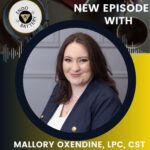
Today , I'm joined at the table by my guest , mallory Oxendine , who is a licensed professional counselor , a certified sex therapist and is certified in EMDR therapy . She focuses her work on sexuality-informed and trauma-informed care , working with both individuals and couples . Informed and trauma-informed care working with both individuals and couples . Mallory's areas of focus include intimacy issues , women's health issues , sexual and chronic pain and dysfunctions , infertility and the prenatal years . She works diligently in educating , empowering and journeying with those suffering with endometriosis and other chronic pain issues . Part one of this episode with Mallory was very impactful . If you haven't already listened to it , it's episode 120 , and I encourage you to go back and listen to it . But this is where we left off and where we're going .
Speaker 2
1:35
Something I . I love this little catchphrase . I forget who coined it , but it's I can't truly say yes if I can't say no . I think there's so much pressure that that is put on ourselves , where we're like like you're allowed to say no , which means that when you say yes , you are 100 , mean it it's not on a yes out of duty or obligation or shoulds , but it's a yes out of like desire . So but I only get that when I have the freedom and ability to say no , and a lot of times we put those expectations and those rules on ourselves . I can't say no because then that would mean X , y , z about me . Yeah , usually in a negative light . That's how we talk to ourselves is usually in that negative light .
Speaker 1
2:22
Yeah , and we've kind of talked a little bit about this too , but what steps can those individuals take in getting their sense of sexual agency back ? When pain becomes a persistent barrier .
Speaker 2
2:36
I think there's a difference and I think this is really hard when I'm working with my gals who have chronic illness is there's a difference between pain and uncomfortable ? Yeah , and I . It's important to know that because I think when there's pain , we need to stop and to honor our body every time , regardless of what we're doing , but especially with sex and intimacy , when it's uncomfortable . That's when I want us to slow down and be curious . So , pain , we're going to stop . Uncomfortable , we're going to slow down and be curious . So pain , we're going to stop . Uncomfortable , we're going to slow down and be curious . Is it the position we're in ? Is it ? Do I have enough lube ? Like , is there some practical things going on that will make a difference here ?
Speaker 2
3:18
And so I think , differentiating those two things , first and foremost , because , like , like you said , we don't want to push through pain . That's never , never , okay . It does hurt ourselves physically , mentally , you know , in all the ways . And so uncomfortable though , like what ? What can we do to slow down , be curious and pivot , as we need to explore and figure out where there is pleasure or positive . There will be times when there's not any , and that's okay . Right , that's okay . We can just pause and and try again or do something different later .
Speaker 2
3:50
But like , where is their pleasure ? Where is their enjoyment ? Maybe there's only sexual or enjoyment , and then maybe sexual pleasure arousal with a back rub okay , like , that's not one of the like , that's not a sexual Like , that's not one of the like , that's not a sexual organ , it's not one of those things . But like , maybe that's where you feel most aroused and relaxed is after receiving a back rub . What would it look like for y'all just to do back rubs one night ? So there's just . I guess my biggest encouragement to people is to not limit themselves
Sexual Agency & Pain vs. Discomfort
Speaker 2
4:20
to what it has to be or what it shouldn't be , but really like , take the barriers down and be willing to explore and try things out . And it's okay to be . There's no test . Yeah , when no one's , no one's getting a grade , no , you're not going to fail like kids or adults and we're living life . We get to like , be messy and figure it out and go . Well , that was awkward , and so let's go watch a movie instead .
Speaker 1
4:44
Okay , like , let's let's laugh about this a little bit and then move on . Yeah , you know , I'm probably one of those people that I , one of my coping mechanisms tends to be laughter , and so I've always found the humor in little things like that . And I will say it is helpful . As long as it's done in an appropriate time and you're not laughing at an inappropriate time , it can be very good , just you know . And and there are those times of disappointment I will say you know there's .
Speaker 1
5:17
There was one specific time where I remember feeling undesirable and feeling very , and it was . It wasn't even that , it was that my husband was protecting me , or he thought he was , because he didn't want to hurt me or didn't want to pressure me or didn't want . And so that's where that communication , and then also looking at me at , you know , am I , am I being kind to myself , you know ? Am I , am I in pain or am I just not comfortable ? Am I , you know ? Am I talking to him about that ? Am I , you know ? So I think they get taking , taking inventory of where I'm at sometimes and then taking inventory where we are at , which I think is why couples counseling is a great tool to have , because sometimes we don't talk unless someone brings out those little things , or we forget about them or we step aside .
Speaker 2
6:15
You know of that situation , or we've blacked it out because we don't want to address it .
Speaker 1
6:21
It's very real . Yeah , it's just very real . You know we've talked a lot about established couples . I know that there's a lot of people who are getting into new relationships and are dealing with chronic illness and chronic pain . How can they approach a potential new partner about some of these things that we've talked about , about the persistent pain , about the challenges that are going to come up because of this ?
Speaker 2
6:49
Knowing where you are at when you go into a relationship and like where you're at physically , where you're at in your illness , but also where you're at like in this relationship . Like what ? What are you wanting ? Are you wanting to pursue physical intimacy at all ? Are you wanting to like wait it out and see ? Kind of knowing where you were at will help better set the stage . I think . First and foremost . So , attuning to self First , like you said a few moments ago , having conversations up front front , a lot of the single sexuality or uses the term dtr right define the relationship which is it's a term , it's been around for a long time , but a long time it's a long time , but I think it can be helpful of like , hey , let me define where I'm at , what's going on for me , and let me let you know parts of me , and then I would encourage people to do that as it feels safe to so felt . Safety is very important . That shows up in established relationships too . But usually there's a level of safety already ideally established if you're in a committed or longterm relationship . But you're building that trust and safety in these newer relationships and so it doesn't have to be a dump if you will Like so , and you know we kind of go on and on and on . But like , hey , I'm curious what your expectations are for intimacy in this relationship . I am holding this loosely , or I feel this way . I do struggle with endometriosis . I'd love to introduce and tell you about that a little bit or send you links to learn about it .
Speaker 2
8:36
It is not . This is for everyone . It is not your job to teach or inform everyone . That's a big role that people with chronic illness take on that , technically , isn't theirs to own unless they want to . Um , because it's a lot of energy and , yeah , a lot of you doing like you doing this with no battery , like you've decided to like step into this world and do that , and so you would know better than anyone how much energy and work that it takes .
Speaker 2
9:08
And I have listened to your podcast . Like there's parts of it . They're like you have been blessed in a way to share your story . That is that way . It's not . It's that doesn't . That's not a requirement of everyone right to be the teacher of everyone else in their life . That's a big role that you didn't sign up for necessarily , and so I just want to preface that . As I said , to teach your partner . I want to backtrack that a little bit . It's one thing to go . Hey , I had this . Here's some resources for them to teach themselves , and then they can come to you with questions , as you're willing to answer . But it's not your job to teach everyone you meet or everyone you're in relationship with about the disease .
Speaker 1
9:49
That's so true . It is hard to educate people on this disease when it's overwhelming to you to educate yourself , and I think that's you know . I took this role knowing what I was getting myself in . Mostly , but mostly not , I know it's good , but it is hard and it's taxing and it can be very traumatizing at times and it can be triggering often to talk about it over and over again , but there are tools and there are resources where you could send them to learn more about it .
Speaker 1
10:27
A good example of this and I'm going to say he would be okay with me saying this is Mike Baker , who
Approaching Intimacy in New Relationships
Speaker 1
10:34
runs the Instagram account endodad76 , I believe , is the handle . He is a husband and a father of endo patients and he took it upon himself to learn about this disease . He took it upon himself . I remember the first time I met him in person was at the endometriosis summit , and he came by himself . He didn't come with his wife , he didn't come with his daughter , and I think it shows a lot to the people you love that are walking through this journey that you want to learn more about it and you want to understand the disease better .
Speaker 1
11:08
But not putting you in a position to have to teach them is huge . That's any partner listening to this . I hope you are . I hope that your partner can listen to this and learn , because it is a lot of work to educate , but I think that you shouldn't have to . No , you do it together . That's a great way of doing . It is doing it together , and then I and maybe you would say otherwise , but for me I've left space for the people around me , whether it is my partner or whether it is my loved ones to ask me any questions they want to , as long as they don't push a boundary line with you . It's important that you're open to answering these questions to help better understand each other .
Speaker 2
11:55
Yes , Because I think learning and educating yourself about the disease is first and foremost , but then also okay . So how does that affect you ? Like , does this these symptoms ? Do you experience ? Like being able to learn the individual story , the person you're sitting with Because we're not textbooks , right , we were worried . We don't all fit into this beautiful diagnosis thing . Like , people have variations to how the illness shows up for them and some symptoms are stronger than others and some people struggle with other parts of it , and so there's just components where , like , there's educating yourself about the disease and then there's getting to know the person in front of you and knowing what it looks like for them . Right , it's the both end of that .
Speaker 1
12:41
And that is like it's interesting . If you were to sit down in a circle with people who have endometriosis , you will learn that there are similarities but there are a lot of differences , and you will learn that what one person has had success with , someone else has not , and that is true in relationships .
Speaker 1
13:02
What some relationships do well with others will not , and that speaks to how individualized we all are , not just the people who are living with endometriosis , but also the partners that are with these people . And so just knowing that and knowing how it affects the individual and knowing how it can affect you as a couple is really important . And I had one person tell me . She said you know , I told my partner what I had prior to us getting real serious and the effects that it would have on a relationship , and I gave him an out . I said if you can't do this , walk away . And I was like I don't know if I could do that . That was a really strong thing for you to like . I don't know if I could do that . That was a really strong thing for you to do . I don't know if I could do that . But I also think that it's fair to say this is kind of what this disease looks like .
Speaker 1
13:55
Will it always go this way ? Maybe not , but this is what it looks like and can you do this ? Is that fair for people to do ? I ?
Speaker 2
14:02
think I . Can you do this ? Is that fair for people to do ? I think I don't know that I could speak to . I'm thinking , I'm like , have my thinking eyes .
Speaker 1
14:09
I don't know that I could speak to that ?
Speaker 2
14:11
Yeah , For a general answer to that . I I I do think that informing and not surprising people is kind . So Brene Brown's you know one of her famous quotes is clear as kind , and I think there's a lot of truth to that . So , like being as clear as you can with what you know and you probably don't know everything yet about yourself or about the disease and how it shows up for you but being as clear as you can , as kind , and then informing . I think it matters to say , hey , I have endo and this is what this looks like for me and this is what this could mean , and I also think it's important to let them know what that means to you right it's like , and I feel this way about potential infertility , and I feel this way about the chronic pain that I deal with , and I feel this way about the constant doctors that have dismissed me .
Speaker 2
15:06
and I like going over how it actually feels for you , not just the data points of what it is right , because one's transparency , which is good , clear , kind , and then one's vulnerability , which is what leads to intimacy , and so we need transparency , but like , can you tell , even if it's like , hey , here's an out and that's the the route you decide to go right , like letting them know , hey , here's what I mentally and emotionally go through , all these data points when I'm living , all these data points , here's what's happening to me . For me , I think that is a more intimate picture of who you are and the complexity than just like I have endometriosis and here's the data about it . It's like , no , but
Understanding Individual Experiences
Speaker 2
15:54
who are you as an individual who does have endometriosis ? Yeah , what does that look like for ?
Speaker 1
15:59
you yeah , and that's a good point too is like endometriosis . What does that look like for you ? Yeah , and that's a good point too is like endometriosis doesn't define you , and I think it's hard , when we're constantly in pain because of it , to not allow it to define us and not allow it to define our lives and our worth and our abilities and our capabilities , and our worth and our abilities and our capabilities . But I do think to allow it , to allow yourself the space to explain what it is to you and how it affects you and the deeper meaning of what it can potentially bring up . You said infertility that's a great point . You know talking about those things that it could affect significantly . I think isility that's a great point . You know talking about those things that it could affect significantly I think is important , and to remember it doesn't define you . That's so hard to remember when you're in the midst of pain all the time you know .
Speaker 1
16:53
What is one piece of advice that you would give someone who feels hopeless about ever experiencing a fulfilling sex life again ?
Speaker 2
17:00
Sex is broad and available to you and how you can receive it and want it , and so I think I really encourage people especially there's a big or we haven't talked about orgasms yet , but there's a big orgasm gap between in the research , between male and female , and that's a lot of the way that Westernized culture has deemed what sex is . But I'm like I'm part of , I tell couples this . I'm like my job is for y'all to go have good , pleasurable sex when you want , how much you want , whatever you want , both consenting , like I've done , double done . That's how you leave my office .
Speaker 2
17:41
But I want to encourage people as kind of advice and that like it is not just the trail of intercourse , you have a whole playground that you can choose from and be curious about and explore with and just invite them to step into that , which is scary . It's scary if I only know how to swing , to go . Try to do the monkey bars . That's scary , but it's there for you and you have there's no pass or fail . You have your life to figure it out . And ideally , sex gets better as we age because we become more to with ourselves and we know what feels good and what doesn't . Yeah , and so ideally like it's only going to get better from here , and so I encourage people that to give a little bit of hope .
Speaker 1
18:24
Yeah , we need that hope . We need that hope gets better . Okay , you talked about orgasms and we're going to go there because this is important too . Tell us what we need to know , as someone with endometriosis or chronic illness , about orgasms . Is that achievable ? Is it something that can cause a flare in your opinion ? Or have you seen patients ? Because obviously you're not a medical provider , but patients come in , they talk . You need to understand that piece of's a bit too , right ? Yes , so tell us a little bit more about that .
Speaker 2
19:03
Yeah , so orgasms are . I just also want to preface this because a lot of people are not aware of this A lot of times , for women , most of the orgasms are experienced are through the clitoris which is externally for them the clitoris which is externally for them , and usually there's not enough movement at the correct tempo or speed or how however you want to say it when there was penetration .
Speaker 2
19:28
So I just want to like preface that in that , like , most orgasms for women occur not in penetrative intercourse , right , just like all those expectations of like I never have an orgasm when we're , you know , having been a great , of course . Well , most , most women don't , and that's , that's okay , um , and so I want to just preface that . Um , it's usually something that women feel a lot of relief about . It's okay to need . I also want to say it's okay to need extra help , or that's something to talk about as a couple , what it looks like to have toys or devices , or like different types of lube and things like that . Talk through and what , where you're comfortable as a couple . But I would invite you to have those conversations . With orgasms , it is a contracting right of the pelvic floor muscles . That's what's actually occurring in the genitals , so blood flows to the genitals when we're aroused , and then , with orgasm , the muscles contract around the clitoris and so the orgasms actually happen .
Speaker 2
20:33
In our brain , though , so , the pleasure that we feel is actually occurring in our brain . That's where our pleasure and pain centers are located , not in our genitals , and so the pleasure is occurring in our brain , even though there is muscle contraction happening in the pelvic floor , and so something to be mindful of is where there is pleasure . We usually don't have pain . So if we're having a lot of pain not that we can't , it's just going to be more rare for that pleasure to be able to be achieved at that level . Once again , there's something pain and uncomfortable . So for a little uncomfortable or a little , all pleasure is a lot more achievable .
Speaker 2
21:14
But if we're having pain , pleasure is going to be harder to reach because it's coming from the same part of our brain , right , and so that I just want to encourage women with that too . If they're like well , like that's okay , we can grieve it . We don't like that . I'm not saying we're like hunky-dory about it , um , but to educate that like it's okay that it does that . That's how the brain operates . It's coming from the same part of the brain , so the pleasure center um is coming , is coming from that same area , and so being able to find what is pleasurable to you , um is , is a big proponent and that's where we go back to being curious and playful and things like that .
Speaker 1
21:57
But I think the thing to say here , too , is that if it's not , if you're trying to achieve a state of euphoria , pain is not going to do it for you . So it's okay to step back and know that you don't have to have penetrative sex to have that , because you won't be in pain sometimes if it's not penetrative . So you're actually going to achieve more pleasure from each other if you talk about it in that way . I want to pleasure you .
Speaker 1
22:29
I don't necessarily need to do it one way or another for me , but if it brings pleasure to you , then let's approach it that way , and it's good to know that it doesn't have to be penetrative .
Speaker 2
22:41
Yes .
Speaker 1
22:42
Because many don't enjoy that , because it is painful . So there is a way to achieve pleasure for both , if you know that .
Speaker 2
22:52
Yes , I also want to debunk the myth that mutual orgasms at the same time as like this epiphany euphoric , like once again , movie sex , not real . So like it's okay if you have a turn and then your partner has a turn , or your partner goes
Orgasms, Pleasure & Pain Connection
Speaker 2
23:10
first and then you like that's okay , it's , it's , that's . That's a way more normal and common than the like mutual orgasmic experience where everyone's finishing at the same time . That's just not as not that it's not possible , but it's very rare compared to what we see in media .
Speaker 1
23:30
Um this is not 50 shades of gray , there's just let's put it out there , we're gonna say this if you , if that is your , your dream , you will be very disappointed . Yeah , yes , for most people . I can't say for everyone , but I think for most people . Yeah , like we're human , I think it's so interesting that we have this skewed perception of what the human body is and is capable of , sometimes Like I don't really know where that came from capable of , sometimes Like I don't really know where that came from , but I just there are times that we put expectations of this movie sex in our heads and it becomes so much more disappointing to us and then we start feeling disappointment in the relationship and I think that maybe that's something we should talk about is our own disappointment in the way that we project that into our relationship and how that affects the relationship long term , because I mean , I know that if I feel disappointed and I project that into my husband , he's going to feel disappointed . Then there's that whole miscommunication , lack of communication thing .
Speaker 2
24:42
It's cycle , start cycle right or just missing each other , misunderstanding , miscommunication , just constantly missing and I think that bleeds into other areas of our life .
Speaker 2
24:55
100 yeah yeah , um , your , your true marriage and family therapist will talk about , like the cycles , patterns of couple dynamics and even just relationship dynamics . But the cycles and patterns that we do with sex often mirror or are very similar to finances , in-laws , parenting work , like running the household , like all the other factors it plays out . Yeah , they all kind of mirror each other , so we show that cycle in other ways . For sure . Yeah , yeah , the . I thought of something as you were sharing that , the . I think one of the bigger things too , with the reason that we have these kind of misconstrued beliefs about what sex should look like . Like it's because a lot of our education was from media , like the amount of millennial women who are like the notebook , and I'm like , oh boy whoa , that's a reference point .
Speaker 1
25:55
We get basic biology . It's the notebook the notebook .
Speaker 2
25:59
I'm like good book but also like is that the best sex education we could have ? No like . And so some of that too is um , educating about sex and about like intimacy and and all of that . There's a book called total intimacy and it talks about three different colors of intimacy purple , I think it's purple green and orange . But it talks about like a friendship intimacy where , like I'll hold my best friend's hand while we're walking to dinner or like I'll give a big hug to , you know , my sister-in-law , my brother and the like , and it's like . It's not sexual , but it's like this intimacy of touch and connection that we have . And then there's gosh I'm drawing a blank on the second one , the orange one . And then the last one is exotic , erotic , exotic Whoa .
Speaker 2
26:47
Which could be both Could be both Erotic intimacy , and that's more of like what we're talking about here , with like the intercourse and things like that course and things like that . And so buffing up our green and our purple intimacy , where there's like layers of sensual touch that don't mean anything and that aren't sex truly , and all of that really helps to bolster so that when we have more erotic time or intimate time like that , we actually have high desire , we have high arousal , we're att arousal , we're attuned with our bodies , we're attuned with our spouse and our partner to be able to say that all of those things .
Speaker 1
27:25
Innuendos work great . I'm just telling you right now , as a couple , innuendos are fun . That's just my advice right there , and I I have no right to give you advice at all on that , but what I'm saying is , when you have young children around you , innuendos are awesome . That's my , that's my takeaway for everyone Talk in your code , okay , make it fun , you know , and I do think like we have to remember that intimacy can be fun .
Speaker 2
28:01
Yes , I would argue , and I'm it is . It is designed to be . I'm not going to say it should be , because shoulds often leave us with guilt and shame feelings . Okay , but like it is designed , you have the choice and the freedom for it to be fun , yes , and you get to choose to engage in that , should you want to . Right .
Speaker 1
28:21
Yeah , and it's okay to laugh things off sometimes and no one needs to give you permission . But if you need to hear that it's okay to do that , it's okay to do that . You know , if you need permission to do that , then do it . I don't think there is a textbook to how you desire your pleasure , because you're individualized .
Speaker 2
28:47
Yes , and there's goodness in that . That is good .
Speaker 1
28:52
Yes , yeah , and there's freedom in that , isn't it Right ?
Speaker 1
28:57
Yeah , to be able to be individualized in that desire . Yeah , man , we are covering so many good things here today , looking forward to this discussion for so many reasons , but like just to sit down and feel okay talking about this in a space that can be uncomfortable for many people . When you're dealing with chronic illness and chronic pain , it's really hard to want to talk about intimacy and yet we desire it so much , right , and so it's just it can be . There are moments that we feel like we have failed our partners or that our body has failed us , and our body is giving us exactly what it can , and the disease has a mind of its own , and I think part of getting back to this center of joy and intimacy is sometimes grieving those things that we can't control and letting I don't even want to say letting go , because it always holds onto us at some point right , but maybe changing our expectation around it . I don't know what are some tips that you would have
Acceptance Without Judgment
Speaker 1
30:12
for your patients walking in with that feeling .
Speaker 2
30:16
Yeah , this goes back to the definition from John Townsend's book People Fuel I mentioned a little while ago . But acceptance means to connect without judgment , which means no praise , no blame , and I think that is huge . And one of the first steps that has to happen is being able to accept myself as I am today . It's being able to accept my diagnosis or the disease , and I'm not saying that we're like okay with it . Acceptance does not mean that Right , right . It means to connect without judgment .
Speaker 2
30:50
I'm not shaming myself for having the disease or I'm not , you know , belittling myself because I should have caught it sooner or what . You know all the ways that our brain goes to trick us into that negative thought spiral but just accepting . Okay , this is where I'm at today and by doing that acceptance we're actually able to move forward into the things that we want . It gives us energy and it fills our tank up with like goodness and joy of like . I can do the next thing for me , the next best thing for me , right , and my hope is that at times and often , that that's intimacy , that's connection , whether that's just emotional intimacy and being seen and known by someone besides you , all the way to that being , you know , physical intimacy with your partner . Like there is a component where that is that acceptance of the here's where I'm at today and I'm okay with that .
Speaker 2
31:44
I'm not okay in accepting , like , I'm not happy about this , but I'm okay in accepting that this is where I'm at today . I don't have any judgment for myself . I think that's a and that's a hard practice to do . So let's practice that I'm not just like it's a and that's a hard practice to do . So let's practice that I'm not just like . It's a lot easier for me just to say that than it is to do that . I realize that , but that is a skill that I think . If we can master that , nothing can stop us , nothing can hold us back .
Speaker 1
32:10
Yeah , oh , we needed to hear that . I think you know , just without judgment you know , there's that whole trend going on online right now . We listen and we don't judge . If you look at yourself in the mirror , you know it's like the affirmations . You know we listen and we don't judge . What are the best tools for people to have to navigate this , in your opinion ? What are some tools that they can take and tangibly use to get healthy in their relationship when it comes to intimacy as well as mental health ?
Speaker 2
32:56
Communication is huge . I think that's come up in every like small part that we've talked about today , and so learning how to communicate is worth every minute spent or dollar spent , or however it is . Learning how to communicate well is huge . I think a lot of the hurts that we feel in relationships , whether that's relationship with ourself or with others is , begins with miscommunication or misattribution or misunderstanding , and so learning to communicate , I would argue , is the most important step to be able to enter some of the things we talked about the play and the freedom and the hard conversations , and so some of those resources , hard conversations , and so some of those resources I mean there , there's , there are . There is a difference between self-help books and then , like , more clinically driven guidance books . Um , and I'm not opposed to self-help books . I actually like try to read a couple a year , like I'm all for those , and that's a little bit different . Those are a little bit more feel goody than like , hey , here's a , here's a plan or ways that you can communicate , um , so there's books , there's podcasts , there's um blogs and you know all kinds of instagram reels , tiktoks , there's all kinds of things right about , um , the content is there . Um , I would invite you to research and look into ways to communicate .
Speaker 2
34:20
Obviously I'm pro-therapy and so , whether that's EMBR therapy to process through a trauma or hurt , or just the chronic pain and grief , or couples therapy to work through , how do we talk about this or how do we improve our intimacy I think either and
Tools for Communication & EMDR Therapy
Speaker 2
34:36
or both of those are great options . We improve our intimacy . I think either and or both of those are great options . I don't you know there's other types of trauma therapy that are great too . I don't know those . You know as well versed in those as others , as EMDR . But finding what you need right now and kind of pursuing that you're not going to regret investing in yourself that's what I tell people all the time you are worth the investment .
Speaker 1
35:01
Yeah , it's true , and I do want to say you talk about EMDR . It's really hard to walk through this process , but it can be worth it . Can you just let us know what this is ? There might be some people out there that don't know what EMDR is . Can you explain that a little bit for us ?
Speaker 2
35:22
Yeah , yeah , so EMDR is a shortened acronym for eye movement , desensitization and reprocessing . It is a trauma therapy technique that is experiential , and so that's why it's , in my opinion , one of the more effective ones . It's one of the most research-backed and effective trauma therapy techniques , and so people have been doing it since the early or late 70s , I believe , and it's had a lot of research done on it . So I like that component . We're not just out here testing people . We're not just out here testing people like we're doing something that we know works .
Speaker 2
36:02
What EMDR does is it allows you to reprocess a traumatic or bad and we use air quotes , but bad experience or memory . We cannot change the things that have happened to us , but we can change the way in which our brain stores that and the messages , that which our brain stores it , and so we talked about the negative beliefs earlier . So I had a very bad interaction with a doctor when I was 16 , when my pain started , and the negative belief that I gathered from the doctor being dismissive or my parents being dismissive or whatever it was was that I don't matter or my pain doesn't matter , right ? We have something along those lines . What EMDR does is it uses bilateral stimulation , so stimulation on either side of our body , to basically open up that memory and reprocess it , and then we instill a positive belief . So instead of thinking about that memory at 16 , we're still going to go , that hurts , that wasn't okay . But instead of thinking about that memory and saying I don't matter , we think about it and say , enough , I know myself , I am good , like whatever positive belief that you need in your place . And so we use a set scale you know the doctor's like frowny face to happy face , like we use something like that to kind of figure out how painful the memory is , how traumatic it is for you .
Speaker 2
37:35
And it is fast . As far as therapy go , I wouldn't say it's like you're not in one session , out one session , but it is faster than some other therapy types where we really get to the root of the trauma or the memories that are plaguing you with this , these beliefs that are unhelpful . Right , there's tons of . That's just a quick snapshot . There's . Right , there's tons of that's just a quick snapshot . There's . There's tons of good stuff out there on it , but yeah , it's .
Speaker 1
38:06
I think it's a an effective therapy for so many people , especially with chronic pain and chronic illnesses , because we tend to hold on to our pain more , and so I think it allows us the space to walk through that pain and feel that pain , but have a better relationship with that part of it , and so it's been highly effective for a lot of people . So great tool to put in your tool belt .
Speaker 2
38:49
And I will say you can do it virtually . I do a lot of indoor virtually . I know some people are like diehard in-person therapy , people which you know love you all . That's great . I mean I love in-person too and like it is effective . Just as effective virtually too . So if there's not an EMDR therapist near you , like there's one in your state , I guarantee so you can find people in your state .
Speaker 1
39:13
Yeah , and speaking of that , you have your online platform as well as you do telehealth or telecounseling . I guess you could say yeah , Can you give us a little bit about that ? Where can we follow you at ? How can we get connected with you if we feel like you could be a good fit for us Like ?
Speaker 2
39:36
give us the rundown , you could be a good fit for us , like , give us the rundown , absolutely so . I am licensed in the state of Texas right now , so I can only do counseling and therapy for Texas residents . It's by each state , but virtually or in the DFW area is where I'm located , I would . I am just launched my own practice , actually quite recently , and so the Brooks Center for Counseling and Wellness . You can find me on Instagram at the Brooks Center and then the brookscentercom website , so find me on socials and all of that . My personal handle is just my name at Mallory Oxendine . I have lots of stuff there and then working on getting ready to launch my own podcast with a good friend of mine to answer questions about some of these hard things that we don't talk about . Enough to do some of that . And then I do offer like coaching services and things like that more in the sex therapy realm , but it wouldn't be not sex therapy but like intimacy coaching for out of state people . So do things like that as well too .
Speaker 1
40:44
So , yeah , you have great content , so I encourage anyone listening . Mallory has great content and it's so intentional and that's why I connected with her was because the content is so good . So for putting the content out there and for being available and doing what you do and helping so many people around you thrive , not just survive , in this crazy world we live in , and especially for doing that for patients with endometriosis or PCOS or trauma , chronic illness it's hard to find people that can speak in this space . So thank you so much for taking the time to speak in this space and to learn more about those of us who are struggling in this space and help us . I appreciate everything that you're doing . Thanks so much , alana . Yeah , thanks for joining me . It's been so fun .
Speaker 1
41:47
I kind of don't want to end , but I'm not sure everyone wants to listen to six hours of me talking . I mean you maybe , but not so much me . We could keep going , but I just feel like they might not like that . So it so funny . Thank you for spending the time with me today . I appreciate it and I can't wait till we can do this again sometime .
Speaker 2
42:06
Yes , me too Looking forward to it .
Speaker 1
42:09
Yes , Until next time . Everyone continue advocating for you and for others .