
Send us a text with a question or thought on this episode ( We cannot replay from this link)
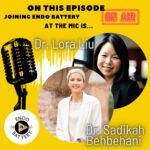
What happens when two of the most prevalent gynecological conditions intersect? Join us as Dr. Sadikah Behbehani and Dr. Lora Liu shed light on the complexities and common misconceptions surrounding endometriosis and PCOS. These esteemed experts guide us through the landscape of these conditions, emphasizing that although both affect a significant number of women, their co-occurrence is more about chance than any causal relationship. Through their insights, we aim to clarify the confusions that often arise between these conditions and highlight the importance of precise diagnosis for effective treatment.
Discover the intricate process of diagnosing PCOS using the Rotterdam criteria, an approach that demands patience, particularly in young women. Dr. Behbehani and Dr. Liu walk us through the genetic and lifestyle factors that may predispose certain ethnicities to PCOS and discuss strategic interventions like weight management to alleviate symptoms. The conversation takes an enlightening turn as we unravel the frequent misdiagnoses between PCOS and endometriosis—a misunderstanding that can lead to inappropriate treatments and prolonged patient distress.
Our discussion doesn’t stop at diagnosis; we venture into the realm of treatment options, from hormonal management to the evolution of surgical procedures like ovarian drilling. Dr. Liu shares her experiences with the emotional and transformative effects of excision surgery, painting a vivid picture of the impact proper treatment can have on patients’ lives. We also address systemic issues in women’s healthcare, such as the inadequacies in endometriosis treatment and the challenges faced by patients navigating infertility and IVF. Tune in for a thought-provoking conversation that empowers both patients and healthcare providers to pursue informed and compassionate care.
Dr. Sadikah Behbehani–The Center for Endometriosis & Fertility
Dr. Lora Liu
Website endobattery.com
Endometriosis and PCOS Intersection
Speaker 1
0:03
Welcome to EndoBattery , where I share about my endometriosis and adenomyosis story and continue learning along the way . This podcast is not a substitute for professional medical advice or diagnosis , but a place to equip you with information and a sense of community , ensuring you never have to face this journey alone . Join me as I navigate the ups and downs and share stories of strength , resilience and hope . While navigating the world of endometriosis and adenomyosis , from personal experience to expert insights , I'm your host , alana , and this is EndoBattery charging our lives when endometriosis drains us . Welcome back to EndoBattery . Grab your cup of coffee or your cup of tea and join me at the table .
Speaker 1
0:45
Today I'm excited to welcome two of the most accomplished experts in endometriosis care to the table . First we have Dr Sadiqa Bebehani , a double fellowship trained OBGYN , specializing in reproductive endocrinology and infertility , as well as minimally invasive gynecological surgery . Dr Bebehani completed a second fellowship at the prestigious Mayo Clinic , where she mastered complex pelvic surgery using both laparoscopy and robotics . As an associate professor at the University of California Riverside School of Medicine , she is also deeply involved in medical research and publications . With her rare combination of training in surgery and infertility , dr Bebiani is uniquely equipped to treat complex gynecologic conditions such as endometriosis and fibroids that affect fertility .
Speaker 1
1:32
We're also joined by Dr Laura Liu , a highly respected board-certified excision surgeon specializing in deep excision of endometriosis . Dr Liu is known for her expertise in minimally invasive techniques and her dedication to providing patients with evidence-based care that brings long-lasting relief . With her background in both gynecology and robotic surgery , she has helped countless individuals find a path to healing after enduring years of chronic pain . Together , both Dr Bebehani and Dr Laura Liu bring an incredible wealth of knowledge to today's discussion . Please help me in welcoming to the table Dr Bebe Hani and Dr Laura Lou . Thank you both for joining me today . I am so honored that you took the time out of your busy schedules to sit down with me and talk about something that I feel like is very important , which is the intersection of PCOS and endometriosis . So thank you both for joining me today . Thanks for having us , Alana we're excited to be here .
Speaker 1
2:28
Thank you . So , as I talked about before , there's a big correlation maybe not a correlation , but there tends to be a lot of crossover between endometriosis and PCOS . Dr Baiba-Henny , can you tell us a little bit more about the PCOS piece of it and what it is , how it kind of responds in the body , and just kind of give us that overview ?
Speaker 2
2:53
Yes , I'm glad that you bring this up because this is a question we get asked often in clinical practice is how are endometriosis and PCOS related ? We have to remember that endometriosis occurs in about 15% of the population . So , not looking at pelvic pain or fertility patients , just in the general population , about 15% of women will have endometriosis and 5 to 15% of the population will have PCOS . So they may not necessarily be caused by the same cause , like in utero , or the same manifestation that created the disease . But because they are both prevalent and common , it is definitely possible for women to have both endometriosis and PCOS . So I often get asked is the endo causing PCOS ? Is the PCOS causing endo ? No , there are no studies to show that one causes the other . It's just because they're both prevalent . It is absolutely possible for both diseases to co-occur in some way .
Diagnosing and Treating PCOS and Endometriosis
Speaker 2
3:51
Now , what is PCOS ? You asked me what PCOS was . Pcos , for those of you who don't know , stands for polycystic ovarian syndrome and it is often misdiagnosed . So a large proportion of women will come see me and say oh well , my doctor diagnosed me with PCOS 5 , 10 , 15 years ago . The first question I ask them is how was the diagnosis established ? And most of the time , they're not able to provide the evidence or the results that led to the diagnosis of PCOS . So PCOS is often misdiagnosed and sometimes is overdiagnosed . But when we are correctly diagnosing PCOS , we diagnose it based on a criteria called the Rotterdam criteria . So that's the scientific way of diagnosing PCOS . What the Rotterdam criteria looks at is to see if women have irregular periods or no periods , so that's one of the criteria . Have irregular periods or no periods ? So that's one of the criteria .
Speaker 2
4:49
Number two is elevated male type hormones called androgens testosterone , dhea , 17-hydroxyprogesterone . Those fall in the category of androgens , or clinical findings of elevated androgens , like having increased facial hair , acne , sometimes male pattern baldness . Those are all called clinical findings of elevated androgens or elevated male type hormones . And then number three is the appearance of polycystic ovaries on ultrasound . So you need two out of those three things to be diagnosed with PCOS , and the reason why this is important is because many women will have an ultrasound to show multiple follicles or cysts on their ovaries and be automatically told that they have PCOS .
Speaker 2
5:29
You cannot diagnose PCOS based on just one of the three things . You cannot just have polycystic appearing ovaries and have PCOS . You need to have polycystic appearing ovaries , plus one of the other two things on the criteria , which are either irregular periods or absent periods , or clinical or lab findings of elevated androgens . So you need two out of three to diagnose PCOS . And then you can't be really young and diagnose PCOS .
Speaker 2
5:55
You need to wait a certain number of years after you start your period . So you can't have a 15-year-old who started her two years ago see a GYN and be told she has PCOS . She's too young to be diagnosed with PCOS . You need at least six to eight years of regular menstrual cycle . So from the start of the first period we wait six to eight years before you re-evaluate the situation to see if they have PCOS or not , because it takes this long for the brain to stimulate the ovaries to produce hormones on a regular basis . So it's very common for girls in the first six to eight years of starting a period to have irregular periods , elevated androgens and polycystic appearing ovaries on ultrasound . But they will not have PCOS if you just give them time to regulate their own hormones . So that's another important thing to remember is you need to give your body time to adjust to having periods before you're able to diagnose PCOS .
Speaker 1
6:53
Do they know what causes PCOS ? Is it just the hormonal imbalance of it , or are people predisposed to having PCOS because of a genetic component ?
Speaker 2
7:03
Absolutely . That's a great question . So we know that it tends to run in certain ethnicities . So you know I said the prevalence is about 5 to 15 percent , depending on where we're geographically located . In the US it's closer to 5 . But if we look at certain populations and ethnicities , like Mediterranean people or people of Southeast Asian descent , those populations are more likely to have PCOS .
Speaker 2
7:27
It definitely has a genetic predisposition and also a lifestyle predisposition . So women who are obese or pre-diabetic are more likely to have PCOS . So pre-diabetes is a common finding in PCOS patients . It could be the insulin resistance that has led to the PCOS and has led to the prediabetes . But the cause of PCOS is not clearly identifiable , just like with endometriosis . We don't know exactly why some women have PCOS and others don't . But there's definitely a genetic component and a lifestyle component . So women who are lean are less likely to have PCOS . They actually have a different subtype . We call it lean PCOS as opposed to the regular PCOS , because PCOS tends to occur in overweight women . And that's another thing is I often tell my patients is if you lose 10% of your body weight , there's a very good chance that you will establish regular cycles and then you will not fit the diagnostic criteria for PCOS . So we cannot say you have PCOS . So just losing weight may be enough to help regulate hormones and establish regular cycles .
Speaker 1
8:33
Interesting . And now you both do endometriosis excision surgery . But , Dr Liu , you primarily only do excision surgery for endometriosis . Can you explain to those who maybe are trying to differentiate between PCOS for endometriosis ? Can you explain to those who maybe are trying to differentiate between PCOS and endometriosis what endometriosis is , as well as how you go about diagnosing and treating that ?
Speaker 3
8:57
Yeah , I think you know , like Sadiqa mentioned , what I found in my practice is a lot of patients are diagnosed or they come to me and they're like I have PCOS , I have really painful periods , I have heavy periods , and they go through all of these symptoms saying that they , you know , my doctor told me I had PCS and I was like did your doctor ever mention endometriosis ? And they're like no , I you know , I kind of Googled that on my own and I find that you know a lot of patients or not a lot , but there are patients who are definitely misdiagnosed and told they have PCOS when actually they have endometriosis .
Managing PCOS and Endometriosis Symptoms
Speaker 3
9:30
So one of the biggest , or what I believe , are the symptoms of endometriosis . So one of the biggest differentiating qualities of the two diseases is PCOS really shouldn't cause pain . It shouldn't cause pain , it shouldn't cause bowel symptoms , it shouldn't cause bladder symptoms . It can cause difficulties getting pregnant , it can cause difficulties with ovulation , but it shouldn't cause pain and I think that's something that can differentiate the two .
Speaker 3
9:57
For patients who are kind of wondering do I have PCOS , do I have endometriosis ? Do I have both ? I think if you have a lot of pain and your quality of life is impaired by your periods . That sounds more like endometriosis to me than PCOS . Now , if you have difficulties conceiving and you don't have any of the other symptoms , with pain or anything like that , that could be quote unquote silent endometriosis or unexplained infertility caused by endometriosis , or it could also be from PCS . But I think if you have pain , if your primary symptom is pain around the time of ovulation or periods , that's going to be endometriosis .
Speaker 2
10:33
Right and we know , Dr Lu , may I add something please ? So actually , if women tell me that they have pain with ovulation , it is unlikely PCOS , because PCOS patients don't ovulate .
Speaker 3
10:43
Pain with ovulation , it is unlikely PCOS , because PCOS patients don't ovulate . They don't ovulate , so they don't have pain .
Speaker 2
10:47
So having pain is an unusual symptom that , like Dr Liu said , is more likely to be endometriosis related . And some women will say I only have pain once every three or four months . Well , because you're only ovulating once every three or four months and you could have the endo that's creating the pain when you're ovulating . So just wanted to explain that point a little further , since Dr Liu is absolutely right you cannot have pain with PCOS if you're not ovulating .
Speaker 1
11:12
Yeah , and that's interesting to think about because I think a lot of people correlate the two as both being painful . So the fact that PCOS really in theory should not be painful is a good indicator that it's more endometriosis related . That's fascinating to kind of put that correlation together . The other thing too and maybe you can speak on this either one of you is the fact that with endometriosis , early detection and diagnosis is key for proper care and treatment , and to not have that delay in diagnosis is key to being able to preserve fertility , other symptoms of endometriosis , whether that's prolonged pain or anything like that . What's your experience with providers diagnosing it with PCOS before endometriosis ? Is that common at an earlier age , or they don't even put the two together at all .
Speaker 3
12:02
I'll let Sadiqa speak a little bit more in detail . But I think a lot of providers , when patients present at a young age , either with painful periods or irregular periods , they automatically get a ticket to birth control pills automatically and if that doesn't work then they try a different birth control pill and then they try 10 others and birth control pills and again I'm going to let Dr Beva-Hondi speak a little bit more about this for PCOS . But birth control pills , it's hormonal suppression . It prevents ovulation . For the most part , most of them prevent ovulation If a young patient presents with irregular periods , painful periods at a young age , and , as Dr Babani mentioned too , you really can't even diagnose PCOS until six to eight years after their first menstrual cycle , after they regulate their own hormones . You know , I think the birth control pills people think is just a silver magic bullet for everything . Pcos , endometriosis , doesn't matter , we're going to treat you anyway the same because it just doesn't matter .
Speaker 2
13:02
Just go on the birth control pills , pill versus 30 , or change the progesterone from Northendron to Drosperinone , the results will likely be very similar . We're just wasting our patients' time where we should really be digging into the root cause of the problem so we know how to fix it . I have nothing against birth control pills . They actually play an excellent role in the management of PCOS in women who are not trying to get pregnant , because you mentioned early detection Early detection of PCOS is actually important to reduce their lifetime risk of developing uterine cancer . So women who have undiagnosed or untreated PCOS for many , many years , they're not ovulating , they're not producing their own progesterone , they keep producing estrogen only , and that estrogen is actually stimulating the lining of the uterus to produce precancerous cells . So we don't want that . We want to give our patients progesterone , either through progesterone only pills or through the birth control pill , to reduce that risk . But when we're talking about endometriosis and pelvic pain , the birth control pill is not going to make the endo go away , just like it's not going to make the PCOS go away .
Speaker 2
14:16
I always tell my patients we treat the symptoms of PCOS and we don't really treat the disease , because the disease may go away once we remove certain lifestyle factors , like I said , obesity . Once it resolves , or insulin resistance . Once it gets treated , the PCOS may go away . But we treat the symptoms while they're there . So if the woman has irregular periods , we have to make them regular because , like I said , the irregularity can put them at risk for developing uterine cancer . If the woman has infertility , we have to treat that and help them get pregnant . If they have heavy periods , we treat those heavy periods and if they have pelvic pain , then we have to investigate and see why . Because pelvic pain does not fit into the diagnostic criteria or the common symptoms of PCOS .
Speaker 1
14:59
Right For endometriosis . Gold standard is excision surgery . How do you , other than lifestyle changes , help with PCOS ?
Speaker 2
15:07
That's a good question . So if they have infertility and we're helping them get pregnant , then helping them ovulate is where we start , because they are usually anovulatory . With PCOS they're not ovulating , so we either give them a pill to help them ovulate and they can have regular intercourse at home . Try that for three months . If they're pregnant , great , we don't do anything . Or if that doesn't work , we can add procedures in the office something simple like an intrauterine insemination , where we inject the sperm directly into the uterus to help get the sperm and the egg to meet faster . Or it can even be as invasive as in vitro fertilization or IVF . So we treat the infertility just like any other infertility , but with certain precautions , knowing that their cause of infertility is anovulation and PCOS .
Speaker 2
15:53
And the good thing about PCOS when we do decide to do IVF is that they're the best responders . We actually worry about over-responding with PCOS patients . So it's very , very normal to get 20 and 30 and 40 eggs with PCOS patients . So it's not an egg quantity issue , it's not even always a quality issue . I always tell them it's the fact that the egg is just not being released from its shell . So you've got plenty of eggs on your ovaries , those cysts that we're calling polycystic ovaries . Those cysts are not cysts , they're eggs in their early stages of development .
Speaker 2
16:25
So having PCOS is a good problem to have when we're treating fertility , because it means that we have a great reserve of eggs to choose from . There are plenty of eggs on the ovary . We just need to help those ovaries release the eggs on a regular basis . So that's how we would treat the infertility aspect . If someone has irregular periods and they're bothering them because they're heavy so when they finally have a period two or three months later they're clotty , they're heavy , they're soaking through their clothes then we want to prevent that from happening by either putting them on birth control pills or having them take a week off progesterone every month so that their body sheds the lining every month rather than have it accumulate towards the end . And if someone has insulin resistance , which we typically see with PCOS , I put them on metformin . So we need to get their sugars regulated and that metformin will actually help regulate their cycles . It'll help them have more regular periods when we resolve the insulin resistance issue .
Speaker 1
17:19
Fascinating . When you have a patient come in and they have both PCOS and endometriosis , how do you address that when we're faced with both of those things ?
Speaker 2
17:29
So I always tell patients I'm treating you as a whole , I'm treating all your symptoms . What makes me a little different than my other REI colleagues is I'm also an endometriosis specialist . So if someone and I always tell patients it depends on who you go to see first . If you go see the endometriosis surgeon first , they'll definitely treat your endo and they will not really care about your irregular periods as much until the endo is all gone . Then they'll be like , okay , now you need to see a hormone specialist , an REI , who can help treat your PCOS . If you go see a fertility doctor first , all they want to do is treat the PCOS , because that's what they do every day . They'll ignore the pain . They'll ignore the endo . They'll say we'll get back to that later . Now let's focus on why your periods are irregular , or let's help you ovulate and see if that will get you pregnant . So it depends on who you see first .
Speaker 2
18:14
But I have the advantage of being trained or board certified in infertility and also being mixed trained in endometriosis . So when I see my patients my approach is a little different . I talk to them and see what's bothering them first . Is the pain interfering with their quality of life ? If so , then we definitely need to get that first . First , are they bothered by their irregular periods and they just want to have a regular cycle where they can track ovulation and try and conceive that way ?
Speaker 2
18:41
Because , yes , they may have endo , but we don't know if the endo is affecting their fertility , because about 70% of women with endometriosis can get pregnant naturally . It's only 30% of women with endo that have infertility . But if you're not ovulating at all , we're not giving your buddy a chance at getting pregnant at all . Your chance is almost zero . So if they say you know , my pain is not bothering me , maybe I have endo , maybe I don't , I'm not interested in pursuing that just yet . I want to see if I ovulate , will I get pregnant naturally first . Then I'll try that first . But usually ultimately it'll involve a combination of both treating the pelvic pain , doing surgery for the endo , finding out if it's there and removing it if we find it , and then also getting them on a regimen where they're going to ovulate consistently to give them the best chance of getting pregnant naturally .
Speaker 1
19:28
Do you notice a significant difference for those who have the surgery for endometriosis first , as opposed to having it after trying , like IVF or other methods , to becoming pregnant ?
Speaker 2
19:40
Absolutely . I wouldn't even proceed with IVF if we had a strong suspicion for endo , because the surgery may save them the cost of IVF . If we do the surgery and we find endo and we treat it , then they may have a good chance of getting pregnant naturally without IVF . And if they don't get pregnant and we still do IVF , their chances of pregnancy with IVF is going to be significantly better than if the endo was still there and we hadn't removed it . And I'm going to add one more thing to the discussion , and I'm not sure if Dr Liu does that or not , but when I have my PCOS patients go in for surgery for endometriosis , I actually will do ovarian drilling , since I'm there , you know
Ovarian Drilling and Ovary Removal Debate
Speaker 2
20:19
might as well .
Speaker 2
20:19
Ovarian drilling is a surgical procedure that was done very often in the older days when fertility treatment was not as available . So we would go in and surgically poke holes in the ovary . Those holes are meant to release that thick layer where the androgens are being produced . Remember I mentioned the elevated male type androgens that we see with PCOS patients . So those are produced by cells called the theca cells . The theca cells are around the cortex , the superficial layer of the ovary . So if we poke multiple holes in the ovary . That's called ovarian drilling and it actually helps women ovulate and overcome that problem of elevated androgens . We don't nowadays take women to surgery just for that , and 20 years ago people used to do that . But nowadays , because we have so much more advancement in medicine , we give them pills rather than , you know , take them to the OR . But if I'm there doing their endo excision surgery and I know they have PCOS , I will add ovarian drilling to my procedure .
Speaker 3
21:14
But Sadiqa . It has to be confirmed .
Speaker 2
21:17
PCOS Correct . So if I've diagnosed them already based on their hormone checks the Rotterdam criteria they fit the diagnosis of PCOS . They have infertility . They're trying to get pregnant . We also suspect endo . When I go in for my surgery to remove and treat the endo since I'm there , it literally takes 10 seconds to poke 10 holes on each ovary . There . It literally takes 10 seconds to poke 10 holes on each ovary and there are no significant side effects . Help , that's the data . It's maybe not as consistent in helping get pregnant , but there are no side effects or harm , since we're there already doing something else .
Speaker 1
21:51
Right For those with PCOS that maybe they've tried all these different methods . Is there ever conversation about removing the ovaries at any point ? They're past fertility stage or you know they are past wanting to have kids but they're having symptoms of PCOS . Maybe that's the hair growth or the imbalance of hormones , or whatever the case may be . Is there ever that conversation that you have with your patients about removing your ovaries and the side effects of that ?
Speaker 2
22:19
I'll start by talking about PCOS patients and Dr Liu , you can also talk about endo patients and having their ovaries removed . So from a PCOS perspective , I don't think removing the ovaries is a good idea , because the disease is a lot more multifactorial than just the ovaries and we have ways of managing the symptoms of PCOS without removing the ovary . Removing the ovary will not solve the problem . It may actually create worse problems when women go into menopause . Because if they go into menopause and they will , if we remove their ovaries before the natural age of menopause , that I have to give them hormones to replace the ovary that we've removed .
Speaker 2
23:00
I would rather keep their ovary and give them different types of hormones that are safer , that will resolve the symptoms they're experiencing from PCOS , without it being hormone replacement therapy for menopause . So , for example , if they're bothered by the hair growth , the androgens , then there are medications that we can prescribe . One popular one is called fenestride . That will reduce the hair growth , reduce the male type hormones , but it is very toxic to an embryo so they cannot get pregnant while they're on it . So they need to be on reliable contraception , iud or birth control pills or they can do more dermatology and cosmetic things like laser hair removal . Those things are usually safer and will probably resolve the problem in a way that's more convenient for the patient without creating new symptoms and new issues like removing the ovaries . Would Dr Liu , would you talk about how you would approach your endo patients if they've had PCOS and you're concerned about removing an ovary ?
Speaker 3
24:00
Yeah , no , I don't like to remove ovaries in premenopausal women , I mean even if when they approach the age of menopause around the age of 50 , maybe we'll have that conversation and it's really only to reduce the risk of developing ovarian cancer in the future . I generally don't like to remove ovaries healthy ovaries on patients , even if they're PCOS . I would prefer to control the symptoms of PCOS with medication . First of all , you need your ovaries for bone health , brain health , heart health , cardiovascular health , all of that stuff . And it's very easy to remove an ovary I mean it takes 20 seconds . But I just don't think it's the right thing to do for patients either with PCOS or for patients with endometriosis .
Speaker 3
24:46
The only time that I will ever remove an ovary generally on a premenopausal woman is if the other ovary looks good and healthy . If the offending ovary has had multiple endometriomas or they have lots of pain on that side of the head , it's very stuck and it's not it's . There's really no healthy ovarian tissue left for me to salvage after doing a deep dissection or after removing an ovarian cyst . But again , I always want to look and make sure that other ovary is healthy , just because that other ovary will take over the function of the missing ovary . So I I have a really hard time when I have patients who come to me when they're young and they've lost one or both ovaries for really no good reason at all that I can figure out . You know again , you know they've had surgery by other physicians .
Speaker 3
25:31
I just I feel so sad I really do when that happens and I really try to preserve ovaries at all costs , all the while speaking with the patient . You know , at the end of the day , if the patient's like I've had problems with my right ovaries ever since I started menstruating and I am 48 or I'm 45 , my left side is beautiful . I've never had an issue with my left side . Please take out my right ovary . It's just . You know , that's a conversation that we will definitely have . It has to be a conversation between myself and the patient , but I will present all the data and at the end of the day , you know , I will make a recommendation and the patient can decide what the patient wants to do in regards to that . But I have a hard time removing ovaries . I really do , yeah .
Speaker 1
26:14
As someone who's had both ovaries removed , the outcome of that is much harder than I had anticipated .
Speaker 1
26:19
In fact , prior to that , I didn't really understand what the long-term effects of having both ovaries removed would be , and I think that needs to be a conversation that's had with your provider and a good , evidence-based approach to talking to the patient about what we'll be facing after we do that , if we choose to have our ovaries removed .
Speaker 1
26:40
Mind you , I had mine removed because mine continued to have endometriomas that were massive in size and a lot of adhering was happening and no , it was different for my case . But I also would say that I hear patients time and time again say they just went ahead and removed my ovaries so that it would solve my hormonal imbalance of endometriosis , which is what I hear , which is not , you know , evidence-based . It's not providing the best accurate information to the patient , and I think that's an issue that we have in women's health in general is that the information that we are given isn't complete information . It's just essentially throwing a Band-Aid at the issue and not addressing the actual situation with evidence and with expertise a lot of times which I think both of you have amazing expertise , Dr Liu , for you because you do primarily endometriosis excision . When you have these patients that come in with both PCOS and endometriosis and you address the endometriosis piece , what is your role after that in addressing the PCOS piece ?
Speaker 3
27:40
I fortunately work with really good REIs . I have a list of them , we text each other , we refer to each other and I tell my patients look , I am very good at what I do . I can definitely get rid of your endometriosis , but you definitely want somebody other than me to manage your PCOS just because I am not up to date on all that stuff . I have not been trained as extensively as Dr Bebehani or the other REI counterparts and you deserve the best person to help you with this particular issue . So I will refer out . I wish Dr Bebehani was closer and I would send all my patients to her because I think she's amazing . But look , I know my limitations . I'm very good at what I do and I also know when there's somebody else who does a better job at certain things than I do a lot of things better than I do and I have no problems with sending my patient to the person who can help them the most , because they deserve the best .
Speaker 1
28:38
Dr Abubahani , when you have patients come in that have seen other providers before you , are there challenges with that ? Are there challenges when they've been provided with extensive hormones or maybe multiple rounds of IVF or whatever the case is ? Is there more challenges associated with seeing a provider that isn't as well-rounded trying to treat the PCOS piece and the endometriosis , absolutely so you have to remember I practice in Southern California .
Speaker 2
29:08
There's a fertility office every two miles . There are tons of IVF centers here , and so patients will often go on Google , find the fertility clinic , see excellent reviews about the doctors , go see them and then don't understand why they've had two or three unsuccessful IVFs . Then they go see the doctor next door and then it's the same case scenario until they come and see me and I review their IVF history and this poor patient has had six embryo transfers , four egg retrievals , multiple beautiful blastocysts created that have just not resulted in a pregnancy . And it breaks my heart that no one ever mentioned the possibility of endometriosis to those patients , because no one even asked about their pelvic pain . They've all been dismissed , not a problem . Maybe the other doctor didn't put you on the right protocol . Let's try a different protocol .
Speaker 2
29:52
Or maybe the lab didn't create good embryos .
Speaker 2
29:54
Their ICSI rates are not as good as our ICSI rates . Let me do your IVF and I'll get you better embryos that will definitely get you pregnant , and so it just it saddens me . I really get invested in my patient's care and I feel for them , and it just bugs me that no one had the courage to say , like Dr Lu said , you know your limits , you know what you can do and what you cannot do . So you should want what's best for your patients and if you see that the patient has gone through this many IVF cycles that are unsuccessful , you should now think outside the box and say , okay , this may be outside of my jurisdiction , let me find them someone that can explore the possibility of endometriosis , because we're all smart physicians , we've all went to medical school and OBGYN residency . We've all heard of endometriosis . Yes , it may not be their specialty , but there's ample data now to show that endometriosis is a huge part of the unexplained infertility category . And if we fix it , then we've identified the problem , we've solved the problem and now they can get pregnant .
Speaker 3
30:52
So if you're not , and I'm also sorry to say , though , dr Bebehani , but then they lose the business , and I know that sounds terrible to say .
Empowering Patients in Women's Healthcare
Speaker 3
31:07
You know . You said it breaks your heart when you see patients like that . It boils my blood . When I see patients like that , I have a visceral reaction . I get angry because these poor patients now they're like late thirties , they've gone through and they've had a known endometrioma for this entire time nine IVF cycles later and they still can't hydrostat pinks , and I'm just like it doesn't break my heart anymore . I'm like over being sad . I'm actually very angry and that is why I think , um , like you said , you know I'm in New York city . There's IVF centers on every corner too , and it's just it's not okay , for sure , dr lou .
Speaker 2
31:43
But you know why I don't get mad or upset or show my emotions in front of patients , because it's not fair to them . They did their , they did their research . They know .
Speaker 3
31:50
I know it's not it's not fair to them at all but I am , I am , I know , not mad at the patient . Obviously I am mad on behalf of the patient . I know the patient did nothing wrong . They trusted physicians . They trust and I'm not bashing , listen , I'm not bashing anyone .
Speaker 3
32:12
I just feel like there's maybe there's a lack of awareness . I think that's a huge part , even in the GYN world , absolutely in the GYN world , I mean , everyone's known about endometriosis , but it's like a paragraph in medical school . I still ask my medical students what do you know about endometriosis ? And it's like , oh , we learned a little bit . Like you retrograde menstruate , and it's like it causes , and it's like it's something having to do with , like I don't know , you have pain and you have to miss school . Like they have no idea . So if that's what they're teaching in medical school and then in residency , you don't get a lot either . I mean , I was fortunate I did .
Speaker 3
32:48
But I think that the majority of residencies do not have good endometriosis training . They think that , oh , let's go in there , let's burn a couple of things that look like black dots , let's stick a laparoscope in and let's take a look around . No , everything looks fine . Five minutes later they go out . They tell the patient you don't have endo because they don't recognize it . And so , yeah , I'm not mad at the patient , I'm not even mad at the healthcare provider because , honestly , they may not even know , they may not even know , they may just think it's unexplained infertility and let's keep on going . But I am mad that this is such a prevalent common disease and patients are suffering , and it's years and decades of pain and being ignored , and so that's that's what really makes me upset . It's it's the whole , it's the whole system .
Speaker 2
33:38
I completely agree with you and you know what I actually try and educate my REI colleagues . So I've gone around , knocked on their doors , talked to them about what I am here to add on to their care . I'm not here to steal their patients away . I'm here to help help their patients achieve their goal of fertility . I'm happy to do their surgery , send them back to you , but they will not refer them for two reasons . One is because , like Dr Liu said , they're worried that they're going to come see me and then not go back to them . And number two , they don't believe that endometriosis is anything to do ?
Speaker 3
34:05
They don't believe it .
Speaker 2
34:06
I've gone to medical conferences . I've taught lectures . I've been attacked after lectures . Your data is weak . Your data doesn't really support that IVF helps improve , or excision of surgery helps improve IVF outcomes . We're not going to change our clinical practice . We're still going to keep doing 10 and 11 and 12 IVF cycles . Why , you know that's what bothers me is I've tried , dr Lu , I've gone out on , you know , every conference I talk about endometriosis and fertility . It's one of my , you know , most cherished talks because I feel like I'm definitely one of the best people to talk about it given that I'm trained in both aspects .
Speaker 2
34:41
but you know , even I have and not all REIs are like that , I have to say I have a bunch of REIs who are excellent at referring their patients to me for surgery . Yes , but but always after they've tried a bunch of IVF cycles like it's right .
Speaker 2
34:54
It's never a first line on their treatment but after trying a bunch , a couple , or if the patient brings it up , then they will admit that they're not the best people to talk about the disease and send them over to see me . But the majority will just , you know , not interested . No .
Speaker 1
35:09
Yeah . At what point do we stop listening fully at the system and listen to the patients ? Because this is where I , as a patient , I get frustrated because patients have said so many times I'm frustrated with women's health , I'm frustrated with the fact that no one knows what I'm going through and I see 10 , 12 providers before I get an answer . I'm frustrated because I spent all these thousands of dollars trying to get pregnant and yet I still can't get pregnant and I'm in a lot of pain and no one can tell me why .
Speaker 1
35:36
At what point do providers start listening to patients and their experiences ?
Speaker 1
35:40
Because if you ask a majority of patients who have gone through excision surgery for endometriosis , not all are successful with fertility but and not all are successful at being , you know , 100% pain free , because the reality is that the is the disease doesn't often leave us able to be 100% pain free because of other things going on . And so at what point do we step back and say but my quality of life has been significantly increased because of excision surgery , and if patients are saying this has been extremely helpful for me , can we as a community just listen to that ? I think that many patients are feeling unheard , invalidated , and I think a lot of that is because of that system . But when will the patient start having that voice in the educational system ? And of course , there are doctors that do like you , ladies , but is that even a feasible thing ? Walking into fellowships and med schools as a patient saying this really increased my quality of life or this increased my ability to have kids Is that even heard anymore ? Or is it just backed by data ?
Speaker 2
36:46
For us , dr Lu and myself , we definitely hear that that's what we're here for to listen to our patients and that's why Dr Lu said I give them the evidence-based material on removing ovaries , I give them my clinical recommendation , but at the end of the day they're the boss . They tell me what they want and if someone comes in and says , well , I really want a hysterectomy , I talk to them about the pros and cons , but if that's what they want ultimately , you know my job as their physician is to guide them and then also respect their wishes . So for the REIs or the GYNs that are dismissing and ignoring patients' pain , that's not okay . That's what we are treating our students and residents and fellows . To do is listen to your patient and if your patient is not happy , find out why and what you can do to help them , even if it is not within the realm of your rotation . So if you're in an ER rotation and you don't know what to do to help this patient with pelvic pain , go on the internet , look it up on UpToDate , see what it could be and if you find something that you think may help them , then you go back there and you give them recommendations on who to see that may be able to understand their problem . So it's not okay to just follow data blindly without listening to your patient and see how they feel about it . And then also , the patients are very smart nowadays . You ask when are we gonna start listening to our patients ?
Speaker 2
37:58
I love that social media has empowered women to find the resources that are right for them . My kids always make fun of how long my business name is Center for Endometriosis and Fertility , but I tell them this is the best way for patients to find me , because when they Google endometriosis and fertility , I pop up and then they can read the resources that are there set up for their type of disease . You don't have to dig through textbooks nowadays or the yellow pages to find doctors . You go on the internet , you search things and social media pops up . You've got Twitter accounts , instagram accounts . Dr Lu posts excellent surgical videos . Patients are educated now . They watch those and they're like this is the type of surgery I want for myself . Or they read patient reviews . You mentioned that not all women will get pregnant 100% . Not all patients will get rid of their pain , but when you read other women's experiences , you want that for yourself . You're like this is what I want for me . So this is where you end up going , yeah .
Speaker 1
38:52
What should people be aware of for both the PCOS piece but also the endometriosis , when they are seeking out new providers ? Because this is a very hard thing for a patient to do to know where to go and what to look for when they are seeking out educated , well-rounded providers . Maybe they don't specialize in everything , but they understand where they do specialize and can refer out . I think is a huge part of it . But what should they look for ? Oh , that's a good question . Let's start with endometriosis care , because that's kind of your ballgame . What should they be looking for for an endometriosis doctor or surgeon ?
Speaker 3
39:27
I think one of the biggest things is well , first of all , low-hanging fruit Make sure that the surgeon does excision , not ablation , which excision means cutting out the endometriosis lesions . Ablation means burning it . We do know that excision is the gold standard and that is what provides you with pathological diagnosis , which means that's how you cut out the endometriosis . You send it to the pathologist . They look at it under microscope and they're like yes , this is endometriosis and that's how you get diagnosis and that's also how you get treated , because you remove the lesion or the disease that could be causing the symptoms , such as pain , the bowel symptoms , the bladder symptoms , the infertility . That's treatment for the disease . So I think that's the number one thing is make sure it's excision . Second of all , you know , I think it would be good for patients to really focus on surgeons who really only do endometriosis surgery . Dr Bebe Hane is specialized because she does both and she's very good at both . But you see a lot of these endometriosis treatment centers popping up all over the country because it's very fashionable these days . Endometriosis is which is good , which is good . I'm not saying it's a bad thing , but I also think that a lot of their surgeons are , first of all , they're fellowship trained , which is excellent , which means that they've had extra years of training in surgery after residency .
Speaker 3
40:53
But they're probably not just doing endometriosis surgery . They're probably doing a lot of big fibroids . They're probably doing a lot of large uteruses . They're doing hysterectomies . They're doing a lot of big fibroids . They're probably doing a lot of large uteruses . They're doing hysterectomies . They're doing a lot of different things , which I think , when it comes to endometriosis , it's really good if you can find someone who does it all day , every day , and that's all they do , because endometriosis is such a tricky disease and it can grow on literally any organ you can think of . And if really you're only doing one endometriosis surgery a month and the rest of your surgeries are fibroids , you may not be equipped when you get into the OR with a difficult endometriosis case to really do a thorough surgery and really give the patient the best outcomes just with one surgery . So I think that's another thing is look and make sure that they're specialized . That is all they do .
Speaker 2
41:49
Like Dr Liu said , I can definitely do both of us . We can do fibroids , we can do hysterectomies , we can do pelvic inflammatory disease , we can do everything . But the reason why we choose to do only endometriosis because the more you do of it the better you get at it , because it's a very complex disease and it presents in so many different ways . That's one thing , and the other thing is there are other surgeons that can do fibroids or PID or o't have to see the low volume surgeons or the surgeons that may have a lower understanding of the disease .
Speaker 1
42:17
Yeah , oh , that's great advice . Thank you both so much for taking the time and breaking this down . I appreciate it . Thank you for your wisdom . You're welcome here anytime , so thank you .
Speaker 2
42:39
Thank you so much . We appreciate it . Thanks for having us .
Speaker 1
42:43
I hope this episode was helpful and if you have more questions , go ahead and email info at endobatterycom and I'd be happy to reach out to experts to help answer those questions and , until next time , continue advocating for you and for those that you love . Thank you .