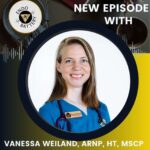
Menopause & Endometriosis: The HRT Truth You Need to Know With Vanessa Weiland

The First Podcast
The First Podcast
Menopause & Endometriosis: The HRT Truth You Need to Know With Vanessa Weiland
Loading
/

Send us a text with a question or thought on this episode ( We cannot replay from this link)

Navigating menopause while managing endometriosis can feel like a battle with conflicting information and limited options. In this episode, we sit down with Vanessa Weiland, a primary care nurse practitioner and certified menopause specialist, to uncover the truth about menopause, hormone replacement therapy (HRT), and post-hysterectomy care.

Vanessa breaks down the gaps in traditional medical training surrounding menopause and why so many women feel unheard when seeking treatment. We explore the role of HRT in endometriosis care, how testosterone can benefit women, and the real risks associated with estrogen. Plus, we dive into natural strategies like the Mediterranean diet and phytoestrogens to support hormonal balance.

From debunking myths about the Women’s Health Initiative study to navigating medical gaslighting and post-surgical hormone options, this episode is packed with practical insights and expert-backed strategies. Whether you’re in perimenopause, postmenopause, or managing surgical menopause after an endometriosis diagnosis, this conversation will leave you feeling empowered and informed.

🔎 What You’ll Learn in This Episode:
✅ How menopause impacts endometriosis and pelvic pain
✅ The truth about estrogen, progesterone, and testosterone in HRT
✅ Managing menopause symptoms naturally and through diet
✅ How to advocate for yourself in the doctor’s office
✅ The importance of community and self-care in long-term health

🎧 Hit play now and take control of your menopause journey!

Support the show

Website endobattery.com

Instagram: EndoBattery

Menopause and Hormonal Health Insights

Speaker 1
0:02

Welcome

to

EndoBattery
,

where

I

share

my

journey

with

endometriosis

and

chronic

illness
,

while

learning

and

growing

along

the

way
.

This

podcast

is

not

a

substitute

for

medical

advice
,

but

a

supportive

space

to

provide

community

and

valuable

information

so

you

never

have

to

face

this

journey

alone
.

We

embrace

a

range

of

perspectives

that

may

not

always

align

with

our

own
.

Believing

that

open

dialogue

helps

us

grow

and

gain

new

tools

always

align

with

our

own
.

Believing

that

open

dialogue

helps

us

grow

and

gain

new

tools
.

Join

me

as

I

share

stories

of

strength
,

resilience

and

hope
,

from

personal

experiences

to

expert

insights
.

I'm

your

host
,

alana
,

and

this

is

IndoBattery

charging

our

lives

when

endometriosis

drains

us
.

Welcome

back

to

IndoBattery
.

Grab

your

cup

of

coffee

or

your

cup

of

tea

and

join

me

at

the

table
.

Speaker 1
0:45

Today

we're

diving

into

a

topic

that

impacts

so

many

of

us

but

is

often

misunderstood

or

dismissed
,

and

that's

menopause

and

hormonal

health
.

And

to

help

us

navigate

this

journey
,

I

am

thrilled

to

welcome

Vanessa

Whelan

to

the

table
.

Vanessa

is

a

primary

care

nurse

practitioner

with

over

a

decade

of

experience

and

a

menopause

society

certified

practitioner
.

She

created

the

phases

framework
,

a

course

that

takes

a

holistic

approach

to

managing

menopause

symptoms
,

covering

everything

from

lifestyle

shifts

to

over

the

counter

solutions

and

medical

interventions
.

If

you're

in

Washington

state
,

you

can

even

see

her

in

person

at

phases

clinic
,

where

she

blends

hormone

therapy
,

hypnotherapy

and

more

to

support

menopause

and

sexual

health
.

You

can

also

follow

her

on

Instagram
,

at

phasisclinic
,

for

insightful

tips

and

expert

guidance
.

Speaker 1
1:33

So
,

whether

you're

navigating

perimenopause
,

postmenopause

or

surgical

menopause
,

or

just

want

to

be

more

informed

about

this

stage

of

life
,

vanessa

is

here

to

break

it

down

for

us
.

So

please

help

me

in

welcoming

Vanessa

Whelan

to

the

table
.

Thank

you
,

vanessa
,

so

much

for

joining

me

today

at

the

table

and

taking

the

time

to

share

your

passion

and

your

wisdom

and

your

insight

into

hormone

replacement

therapy

and

something

that's

near

and

dear

to

my

heart
,

which

is

surgical

menopause

and

hormone

replacement

therapy
.

But

I

think
,

in

the

broader

context
,

I

love

that

we're

talking

about

this

topic
.

So

thank

you

so

much

for

joining

me

today
.

Speaker 1
2:09

Thank

you

so

much

for

having

me
.

It's

a

pleasure
.

Can

you

give

us

a

background

of

what

you

do

and

what

you're

passionate

about
,

and

the

things

that

you're

striving

to

change

in

women's

health

care
?

Speaker 2
2:20

Thank

you

so

much

for

having

me
.

Speaker 2
2:22

I'm

an

adult

gerontology

primary

care

nurse

practitioner
.

I've

been

doing

that

for

about

12

years

and

in

my

training

as

a

nurse

practitioner

I

got

about

a

one

hour

lecture

on

menopause

and
,

for

whatever

reason
,

I

didn't

think

twice

about

whether

that

was

adequate
,

even

though

this

is

something

that

the

population

goes

through

for

a

large

portion

of

our

lives
.

So

I

was

practicing

in

gerontology

mostly

the

older

adults

for

the

last

10

years

or

so

and

then

I

realized
,

by

listening

to

a

podcast

of

all

things
,

that

the

training

I

had

gotten

in

menopause

was

not

only

so

little
,

it

was

also

really

out

of

date

and

inaccurate

and

that

just

made

me

mad
.

So

I've

spent

a

lot

of

time

since

then

learning

more

about

menopause

care

and

busting

a

lot

of

the

myths

around

hormone

therapy
,

and

I've

decided

to

dedicate

my

career

to

this

now
,

and

I

own

a

menopause

and

sexual

health

clinic

in

the

Seattle

area

and

also

really

enjoy

doing

education

around

this

for

both

you

know
,

the

folks

going

through

it

and

also

clinicians
,

to

try

to

move

that

needle

forward
.

Speaker 1
3:25

Yeah
,

I

feel

like

that's

probably

one

of

the

biggest

challenges

that

we

face

is

that

there's

a

lot

of

misinformation

or

outdated

information

surrounding

not

only

menopause
,

but

I

would

say

women's

care

in

general

is

very

outdated
,

and

that's

partly

because

women

weren't

researched

for

a

very

long

time

and

so

that's

been

kind

of

the

struggle

even

with

endometriosis

is

there's

so

much

outdated

information

out

there

that

really

wasn't

encompassing

the

complete

picture
,

and

I

think

what

I

like

about

your

story

is

that

you're

looking

at

it

from

a

holistic

standpoint
,

which

I

think

we

miss
.

That

right

and

in

our

healthcare

is

looking

at

menopause

as

being

holistic

because

it's

a

natural

thing

to

go

through
,

but

it's

not

natural

to

live

as

long

as

we

do

without

the

hormones

that

we

have

to

function
.

Speaker 2
4:20

Yeah

Well
,

you

touched

on

a

big

debate

in

the

menopause

community

about

whether

menopause

is

a

evolutionary

adaptation

or

if

it's

just

an

evolutionary

accident
.

But

regardless
,

we've

always

had

women

that

lived

until

their

70s
.

But

to

have

the

majority

of

us

live

into

our

70s

and

spend

a

third

of

our

life

in

menopause
,

that's

definitely

new
.

So

I

think

we

need

to

take

on

that

new

paradigm

with

new

solutions
.

Speaker 1
4:48

Yeah
,

I

agree

and

I

like

that

you're

not

afraid

to

speak

about

that
.

That's

great

for

future

generations
.

The

other

thing

that

I

admire

about

what

you're

doing

is

you

know
,

prior

to

us

doing

this

podcast
,

you

had

put

some

questions

out

there
,

and

I

kind

of

just

want

to

go

over

some

of

these

questions
,

because

these

are

questions

that

if

one

person

has

them
,

multiple

people

have

them
.

And

so

one

of

the

questions

that

was

asked

is

if

you've

had

a

hysterectomy

but

still

have

ovaries
,

what

symptoms

warrant

hormone

replacement

therapy
?

Speaker 2
5:20

Yeah
,

so

normally

menopause

is

a

clinical

diagnosis

and

we

use

periods

to

kind

of

help

figure

out

where

you

are

in

the

transition
.

So

oftentimes

early

perimenopause

you're

still

having

periods
,

but

they

get

longer

and

closer

together

and

heavier
,

and

then

later

perimenopause

is

when

they

start

to

get

more

spread

out
,

and

then

the

definition

of

menopause

is

one

year

without

a

period

at

all
.

So

obviously

all

that

is

all

out

the

window

if

you

don't

have

a

uterus
.

But

all

the

other

symptoms

ought

to

be

pretty

similar
.

So

a

lot

of

people

in

that

early

perimenopause

phase

the

reason

you're

having

heavier

and

longer

periods

is

that

you

have

less

progesterone

on

board
,

and

progesterone

also

can

make

you

sleepy

and

calmer
.

You

know

our

progesterone

is

naturally

highest

when

we're

in

that

week

before

our

period
.

Everyone

likes

talking

about

the

luteal

phase

now

where

you

just

chill

out

and

be

left

alone
.

So

when

you're

low

on

that

you

can

get

anxious

and

have

trouble

sleeping
.

So

if

you

start

to

notice

that

that

can

be

a

sign

of

early

perimenopause
,

and

then

in

that

middle

perimenopause

phase

where

your

periods

are

getting

spaced

out
,

that

means

that

you're

starting

to

lose

the

estrogen

and

so

low

estrogen

symptoms

are

the

stereotypical

symptoms

of

menopause

Hot

flashes

and

night

sweats

and

vaginal

dryness
.

Speaker 2
6:36

Some

common

things

that

are

less

well

known

are

heart

palpitations
,

itchy

skin
,

itchy

inside

your

ears
,

joint

pain
.

Speaker 2
6:43

A

lot

of

people

notice

brain

fog

and

forgetfulness

during

this

time
,

and

those

symptoms

tend

to

basically

ramp

up

to

their

most

extreme

in

that
,

I

would

say
,

two

years
,

right

around

the

last

period
,

typically
.

So

if

things

are

really

reaching

a

a

point

where

it's

almost

unmanageable

or

is

unmanageable
,

then

hopefully

you're

getting

toward

the

end

of

it
,

and

then

you

know
,

two

to

five

years

past

the

last

period
,

things

usually

start

to

settle

down

because

our

hormones

aren't

going

through

the

roller

coaster

anymore
.

They're

stable

but

they're

low
,

and

so

for

most

of

us

the

hot

flashes

do

calm

down
,

but

some

other

symptoms

of

low

estrogens

stick

around
,

like

the

vaginal

dryness

and

urinary

complaints

and

dry

skin
.

When

should

you

try

to

get

treatment
,

which
,

in

my

opinion
,

is

whenever

you

have

any

of

those

symptoms
,

is

reasonable

to

pursue

treatment
,

and

it

might

turn

out

that

it

wasn't

perimenopause
.

But

the

treatment

is

really

quite

safe

and

you

can

do

a

little

bit

of

an

experiment

and

see

if

you

do

feel

better

with

progesterone

for

those

anxiety

and

sleep

symptoms

early

on
.

Speaker 1
7:51

Do

you

think

that

there's

benefit

for

those

who

are

going

to

have

a

hysterectomy

and

maybe

not

even

a

nephrectomy
,

but

just

like

a

hysterectomy

and

or

a

nephrectomy

to

get

blood

work

prior

to

having

that

done
,

so

that

it

gives

the

providers

who

do

hormone

replacement

therapy

a

good

base

to

go

off

of

and

track

those

numbers
?

Or

is

that

not

significant

in

the

fact

that

maybe

it's

just

better

to

track

symptoms
?

Speaker 2
8:16

Yeah
,

the

blood

work

is

tricky
,

even

when

someone

hasn't

had

a

hysterectomy

a

lot

of

times

in

perimenopause
.

It

just

comes

back

normal

and

so

a

lot

of

people

have

experienced

basically

gaslighting

from

that
,

because

they

go

see

their

provider

and

they

say

I

have

all

these

symptoms

of

menopause

and

then

they

go

do

labs

and

they're

normal
.

So

I'm

always

happy

to

draw

labs

if

people

are

curious

and

if

you

draw

them

sequentially
,

like

a

lot

of

those

over-the-counter

perimenopause

kits

are

trying

to

get

your

FSH
.

You

know
,

I

think

it's

usually

several

months

in

a

row

and

then

you

might

catch

it

if

it's

going

into

the

menopause

range

sometimes
.

But

if

you

just

check

it

one

time
,

odds

are

it'll

just

be

normal

and

it's

hard

to

interpret

that
.

Speaker 1
8:56

Yeah
,

and

I

think

that

was

something

that

I

wasn't

sure

of
,

like

when

I

had

my

hysterectomy
,

my

oophorectomy
.

I

wasn't

sure

what

I

should

even

be

looking

at
.

So

I

think

what's

important

for

a

lot

of

people

considering

these

life

altering

changes

is

what

should

we

be

looking

at

prior

to

going

into

surgery
?

I

mean
,

we

know

our

bodies

are

going

to

change
,

but

how

fast

are

they

going

to

change

when

we

get

ovaries

removed
?

Or

even

how

fast

are

they

going

to

change

if

we

don't
,

but

we

cut

off

that

blood

supply

potentially

to

the

ovaries
?

Speaker 2
9:26

So

I'll

take

that

in

two

steps
.

So

if

you

do

have

the

oophorectomy

meaning

both

ovaries

are

removed

then

you

go

into

menopause

overnight
.

That's

surgical

menopause
,

which

is

really

well

documented

to

be

a

more

difficult

form

of

menopause
.

I

mean
,

it's

hard

enough

to

go

through

these

ups

and

downs

over

the

course

of

five

to

10

years
,

but

to

do

it

overnight

is

a

really

it's

whiplash
,

right
.

And

you're

not

only

losing

the

estrogen

and

progesterone

overnight
,

you're

also

losing

a

significant

portion

of

your

testosterone
,

because

that's

also

made

in

the

ovaries
,

it's

made

in

the

adrenals

too
,

so

you're

not

losing

all

of

it
,

but

you're

losing

a

bigger

chunk

than

even

someone

going

through

natural

menopause
.

So

that

can

cause

a

lot

of

changes

in

mood
,

and

one

study

found

that

almost

80%

of

women

after

surgical

menopause

have

a

change

in

their

sexual

desire

because

of

that

testosterone

loss
.

So

and

I'm

sure

we'll

talk

more

about

it

there

are

reasons

to

do

the

more

extensive

surgeries

versus

not
,

but

that's

definitely

something

to

keep

in

mind
.

Speaker 2
10:28

And

then

you

were

also

touching

on

if

you

have

the

hysterectomy

without

removing

both

ovaries
,

so

you

still

have

those

hormones
.

In

theory
,

you

still

have

those

hormones

functioning

normally
.

But

you're

right

that

there's

been

quite

a

few

studies

now

showing

that

when

you

have

the

hysterectomy

alone
,

it

tends

to

lead

to

earlier

menopause
.

And

you

know
,

it's

not

totally

clear

that

due

to

the

surgery

or

due

to

inflammation

or

due

to

changes

in

blood

flow
,

or

maybe

it

could

be

vice

versa
,

that

the

people

getting

hysterectomies

had

other

conditions

that

led

to

that
,

that

might

have

led

to

earlier

menopause
.

Anyway
,

we

don't

know

that

answer

and

there

is

some

data

that

endometriosis
,

regardless

of

surgery

status
,

can

lead

to

earlier

menopause
.

Speaker 2
11:12

So

there's

some

validity

to

that

too
.

Speaker 1
11:15

Yeah
,

I

think

I

experienced

a

lot

more

symptoms

and

I

think

partly

because

of

the

medical

management

of

my

endometriosis
.

There's

studies

that

indicate

that

taking

GnRH

agnus

drugs

can

decrease

your

ovarian

reserve

permanently
.

And

so

you

already

are

kind

of

up

against

the

wall

with

medical

management

of

that
.

And

then

when

you

do

actually

maybe

have

a

hysterectomy

and

it's

just

your

uterus

and

cervix

and

all

of

that
,

I

can't

imagine

that
.

That

doesn't

add

insult

to

injury
,

if

you

will
,

to

the

ovarian

reserve
.

Speaker 2
11:53

We

do

a

test

called

the

AMH

or

antral

follicle

count
,

which

is

an

imaging

test
,

but

I

actually

don't

know

if

there's

any

studies

looking

at

before

and

after

hysterectomy

for

those

things
.

Speaker 1
12:12

Yeah
,

it

would

be

interesting

to

find

that

out
,

just

because

I

think

that

there's

so

many

of

us

that

have

gone

through

medical

management

and

then

later

on

had

a

hysterectomy
,

and

I

think

you

know

I

can

only

speak

for

myself
,

but

I

can

tell

you

that

having

the

oophorectomy

for

me

was

essential
,

but

I

know

that

there's

other

people

that

have

had

both

and

it

is

there's

so

much

challenge

and

they

were

32
,

33
,

early

to

mid

thirties

when

that

happened

and

had

their

hysterectomy

and

they

went

into

perimenopause

early

and

so

I

don't

know
,

it'd

be

an

interesting

study

to

have
.

I

don't

know

if

there's

one

out

there
,

but

do

you

find

that

with

your

patients

with

endometriosis
,

there's

risk

to

having

hormone

replacement

therapy

for

menopause

symptoms
?

Speaker 2
12:56

So

I

did

look

at

this

and

it

seems

that

as

long

as

you

have

both

a

progestogen

which

is

either

a

natural

progesterone

or

a

synthetic

progesterone

along

with

the

estrogen
,

that

you're

in

good

shape
,

it's

not

going

to

make

the

endometriosis

grow

again
.

It's

just

if

you

have

estrogen

alone

that

can

potentially

make

the

endometriosis

grow
.

So

the

only

trick

about

that

is

if

you've

had

a

hysterectomy
,

most

providers

don't

think

about

doing

estrogen

plus

a

progestogen
,

because

usually

the

standard

of

care

is

only

estrogen
.

After

hysterectomy
,

you

don't

need

the

progestogen

to

protect

the

uterine

lining

anymore
,

right
?

So

you

have

to

find

a

provider

that's

a

little

bit

savvy

about

this

or

you

know
,

bring

the

research

to

them

yourself

that

there's

really

a

good

indication

to

add

the

progestogen

in

your

case
,

right

Hormone Replacement Therapy

Speaker 2
13:50

?

Speaker 1
13:50

And

and
.

For

me

and

this

is

something

maybe

you

can

speak

to

or

maybe

you

can't

we've

talked

about

this

a

little

bit
,

but

for

me
,

having

no

uterus
,

no

ovaries
,

I

chose

to

skip

the

progesterone

therapy

piece

of

this

because

of

my

hypermobility
,

and

so

it

caused

a

lot

of

issues

with

that
.

So

I

think

for

me

it

was

important

to

look

at

the

whole

picture
,

which

is

why

having

an

expert

in

hormone

replacement

therapy

could

be

beneficial

for

people

walking

through

this
.

Often
,

we

have

different

comorbidities
,

we

have

more

than

one

comorbidity

or

co-challenge
,

so

having

an

expert

actually

looking

at

your

whole

case

is
,

I

think
,

so

important

as

well
,

and

I

think

that's

kind

of

what

you

were

speaking

to

is

like

having

that

expert

look

at

whether

you

have

all

the

organs

or

not
,

to

look

at

what's

best

for

you

individually
.

Speaker 2
14:42

Another

piece

of

the

pie

is

the

testosterone

piece
,

particularly

if

you've

had

both

ovaries

removed
.

But

I

did

find

some

interesting

data

that

on

average
,

women

with

endometriosis

have

lower

testosterone

levels
.

So

testosterone

replacement

has

great

evidence

for

libido

and

growing

evidence

for

mood

and

body

symptoms

and

energy

evidence

for

mood

and

you

know

body

symptoms

and

energy
.

But

not

a

lot

of

providers
,

at

least

in

the

United

States
,

offer

it

for

women

at

all
,

because

there's

no

FDA-approved

version

of

testosterone

for

women
.

So

we

menopause

providers

often

use

the

male

version

and

only

a

tenth

of

it
,

which

is

not

ideal
.

Right
,

that's

what

we're

working

with

right

now
.

Speaker 1
15:23

As

someone

who

takes

it
,

I

appreciate

that

they

give

it

out

in

any

dose
.

A

question

that

was

asked

was

can

estrogen

increase

endometriosis

pain

post-excision
,

and

have

you

had

experience

with

this
?

I

can

tell

you

from

my

personal

experience

what

it's

been
.

But

for

you
,

what's

your

take

on

that
?

Speaker 2
15:41

All

I

can

go

is

off

of

the

data
,

which

is

that

if

you

do

the

estrogen

alone
,

you're

putting

yourself

at

risk

for

that
.

And

then

estrogen

plus

the

progestogen

most

likely

the

answer

is

no
,

but

I

know

that

in

your

case

you

weren't

feeling

so

great

on

the

progesterone
,

so

it's

going

to

be

case

by

case
.

Speaker 1
16:02

Yeah
,

there's

a

couple

I

think

a

couple

studies

that

kind

of

highlight

this
.

There's

one
,

and

the

title

of

it

is

Management

of

Menopause

in

Women

with

History

of

Endometriosis
.

They

talk

a

little

bit

about

that
.

There's

another

one

that

looks

at

the

review

of

literature

on

hormone

replacement

in

women

with

endometriosis

and

really

I

don't

think

there's

like

a

ton

of

research

to

back

up

one

way

or

the

other
.

It

does

highlight
,

I

think

in

these

research

articles

it

highlighted

that

it

could

potentially

perpetuate

some

of

the

pain
,

but

theoretically
,

if

it's

properly

excised

and

properly

removed

by

an

expert
,

you

shouldn't

see

those

symptoms

by

an

expert
.

You

shouldn't

see

those

symptoms

theoretically

speaking
,

and

that

goes

to

having

an

approach

where

you're

having

an

actual

expert

take

that

out

as

opposed

to

having

it

ablated
.

So

that's

just

my

take

on

it
.

Speaker 1
16:58

When

I

was

looking

into

it

and

asking

around
,

that

was

something

that

I

found

interesting
.

I

was

like

I

don't

know

if

pain's

going

to

come

back
.

I

think

there's

always

room

for

pain

to

come

back

with

endometriosis
.

It's

a

sneaky

little

monster

that

can

reappear

at

any

point

in

time

and

it's

different

for

everyone

and

I

think

we

can't

really

put

every

endometriosis

patient

into

the

same

category
.

We

are

so

individualized

because

the

disease

acts

so

differently

for

everyone

and

how

we

respond

to

it
.

So

that

was

something

that

I

thought

was

an

interesting

question
,

and

one

that's

valid
.

Speaker 2
17:33

Yeah
,

yeah
,

I

came

across

some

interesting

studies

too
,

looking

at

how

the

skill

of

the

surgeon

really

makes

a

big

difference

in

endometriosis

care

and

how

one

study

found

that

if

a

surgeon

had

performed

more

than

30

laparoscopies

for

endometriosis

they

had

much

better

rates

for

recurrence

and

also

the

fertility

if

that

was

a

concern
.

And

you

know
,

generally

speaking

the

remission

from

endometriosis

is

better

with

the

radical

hysterectomy

where

you

remove

the

uterus

and

ovaries
.

But

that's

something

to

keep

in

mind

if

you're

hoping

still

for
,

you

know
,

to

carry

a

baby

or
,

you

know
,

just

prefer

to

keep

your

uterus

and

ovaries
.

Based

on

the

rest

of

the

conversation

we've

had
,

that

really

seeking

out

a

skilled

surgeon

is

going

to

be

a

big

piece

of

that

puzzle
.

Speaker 1
18:26

Yeah
,

I

mean
,

you

don't

want

a

cardiologist

working

on

your

brain

and

it's

similar

in

endometriosis

you

know

you
.

You

want

the

the

right

provider

providing

a

service

to

you

that

is

going

to

be

a

holistic

approach

to

helping

give

you

your

quality

of

life

back
,

or

just

giving

it

to

you
.

In

general
,

some

of

us

have

lived

with

this

forever
.

So

have

you

noticed

a

difference

for

those

patients

who

have

started

hormone

replacement

therapy

right

after

having

a

hysterectomy

versus

those

who

have

waited
?

Is

there

risk

versus

benefit

in

doing

that
?

Speaker 2
19:02

I

mean

there's

no

need

to

wait
.

I

know

that

some

surgeons

are

wary

of

estrogen

because

of

some

studies

showing

higher

risk

of

blood

clot

Right
,

but

actually

no

study

has

ever

shown

an

increased

risk

of

blood

clot

as

long

as

the

estrogen

is

delivered

through

your

skin
.

So

that

means

a

patch

or

a

gel

or

the

vaginal

ring
.

So

that

can

and
,

in

my

opinion
,

should

be

given
.

Basically
,

you

should

wake

up

from

surgery

with

that

patch

on

so

that

you're

not

having

to

deal

with

this

extreme

drop

in

estrogen

levels

and

progesterone
.

I

can

see

where

the

surgeon

might

be
,

you

know
,

feel

like

they

want

to

just

play

it

safe

with

that
.

But
,

as

I

say
,

there's

literally

no

data

showing

a

higher

risk

of

blood

clot
,

whether

surgical

or

not
,

with

the

patch
.

Speaker 1
19:49

Are

there

risks

versus

benefits

in

doing

hormone

replacement

therapy
?

Because

since

the

Women's

Health

Initiative

I've

talked

about

this

before

but

they've

kind

of

taken

that

back
.

Can

you

explain

the

risk

versus

benefit

of

doing

hormone

replacement
,

versus

maybe

seeking

out

a

more

homeopathic

route
?

Speaker 2
20:12

So

it

depends

a

little

bit

on

how

old

you

are

when

you

go

through

this
.

So

if

you

go

through

surgical

menopause

or

natural

menopause

before

age

45
,

then

basically

across

the

board
,

from

medical

society

standpoint
,

you

really

should

be

on

hormone

therapy
,

at

least

until

the

average

age

of

menopause
,

which

is

about

51
,

52
.

Because

when

we

don't

do

that

there's

a

higher

risk

of

heart

disease

and

osteoporosis

and

dementia
.

So

in

that

case

I

feel

pretty

strongly

about

it
.

Of

course

some

people

will

still

choose

not

to
,

but

it's

going

to

be

a

really

uphill

battle

to

not

have

osteoporosis

if

you

go

into

surgical

menopause

before

age

45
.

So

if

you

go

into

surgical

menopause

after

age

45

or

natural

menopause

you

know
,

maybe

you

have

your

uterus

removed

and

you

go

into

natural

menopause
,

according

to

labs
,

in

your

50s

Then

there's

no

international

guidelines

saying

everybody

needs

to

be

on

hormone

therapy
,

but

it

still

will

have

those

same

benefits

as

far

as

brain

health

and

heart

health

and

bone

health

and

actually

lower

risk

of

diabetes

if

that's

in

your

family
,

something

to

consider

and

a

lower

risk

of

colon

cancer
.

So

we've

already

talked

a

little

bit

about

blood

clot

and

how

to

avoid

that

Hormone Replacement Therapy Considerations

Speaker 2
21:36

risk
.

Speaker 2
21:36

And

then

the

other

thing

that

people

worry

a

lot

about

is

the

risk

of

breast

cancer
,

and

that

is

meaningful

in

this

conversation

because

estrogen-only

hormone

therapy

hasn't

been

shown

to

increase

the

risk

of

breast

cancer
.

And

that

is

meaningful

in

this

conversation

because

estrogen-only

hormone

therapy

hasn't

been

shown

to

increase

the

risk

of

breast

cancer

and

in

fact

it

seems

to

lower

the

risk
.

But

when

you

combine

estrogen

plus

a

progestogen
,

which

is

what

we

said

you

ought

to

do

if

you've

had

endometriosis
,

then

we

think

it

increases

the

risk

of

breast

cancer
.

Now

we're

not

talking

about

a

huge

risk

in

the

that

WHI

study

which

put

the

fear

for

hormone

therapy

in

a

lot

of

people
.

Yes
,

it

actually

wasn't

a

statistically

significant

change

and

the

change

was

about

four

women

in

the

placebo

group

got

breast

cancer

for

every

thousand
,

versus

five

in

that

combined

group
.

So

we're

talking

about

less

than

one

in

a

thousand

additional

risk
.

Speaker 2
22:27

But

there

was

an

additional

risk
.

As

I

mentioned
,

the

risk

of

colon

cancer

is

lower
.

So

actually

the

overall

risk

of

cancer

is

lower
.

So

it's

all

things

to

take

into

account
.

If

you

have

a

family

history

of

breast

cancer
,

maybe

you're

coming

at

this

differently

than

someone

that

has

a

family

history

of

colon

cancer
,

right

but

so

basically

at

this

point

we

say

that

if

you

start

hormone

therapy

within

10

years

of

menopause
.

So

on

average
,

if

you

start

before

age

60

or

so
,

the

benefits

outweigh

the

risks
,

with

all

that

I

just

said
.

That's

the

way

to

summarize

it
.

So

if

you

have

symptoms

as

well
,

then

you

really

don't

need

to

feel

like

you

should

suffer

through

it

because

of

these

risks
.

Actually
,

the

health

benefits

outweigh

the

risks
.

Plus
,

you

can

stop

suffering

with

your

symptoms
.

Speaker 1
23:10

Yeah
,

something

that

people

have

asked

me

is

or

and

that

I've

heard
.

Actually
,

I've

had

a

deep

conversation

with

a

family

member

about

this
,

about

is

it

ever
?

Are

you

ever

too

old

to

start

hormone

replacement

therapy
,

and

specifically

testosterone

and

estrogen
?

But

are

you

ever

too

old

to

start

it
?

Or

is

there

a

decrease

in

benefit

the

later

you

start
?

Speaker 2
23:33

That's

definitely

the

case

that

there's

a

decrease

in

benefit

and

maybe

even

a

danger

to

starting

it
.

So

the

Women's

Health

Initiative

the

biggest

thing

they

were

studying

is

whether

hormone

therapy

could

prevent

heart

disease
.

There

were

a

lot

of

studies

showing

that

in

the

90s

and

they

enrolled

women

anywhere

from

50

to

79
.

So

in

that

entire

group

of

women

they

actually

found

a

higher

risk

of

heart

disease

in

the

women

on

hormone

therapy
.

Speaker 2
23:56

So
,

that

was

actually

the

original

finding

that

shut

down

the

study
.

But

when

they

reanalyzed

the

data

and

only

those

women

within

10

years

of

menopause

it

was

the

reverse

it

was

actually

a

lower

risk

of

heart

disease
.

So

we

don't

totally

know

what

that's

all

about
.

But

what

the

theory

is

is

estrogen

is

actually

beneficial

for

your

arteries

and

keeps

them

open
.

But

if

you

go

10

plus

years

without

any

estrogen

in

your

body

and

your

arteries

have

gotten

closed

up

and

then

all

of

a

sudden

you

blast

them

back

open

again

and

there

was

a

little

clot

forming

there
,

then

maybe

that's

what

knocks

the

clot

off

and

causes

a

blood

clot

or

heart

attack
.

And

it

does

seem

like

those

risks

of

clots

are

the

highest

in

the

first

six

months
.

So

that

kind

of

backs

that

up
,

I

would

say
.

Speaker 2
24:39

But

we

don't

know

that

for

sure
,

that's

just

the

guess
.

So

basically

there's

a

window

of

opportunity

where

it's

beneficial

and

then

if

you

already

have

artery

disease

and

you

add

it
,

then

you

actually

might

be

doing

more

harm

than

good
.

So

what

some

menopause

specialists

do

is

we

say

there's

no

age

where

you

can't

start

it
.

But

I

want

to

do

a

little

assessment

to

see

if

you

already

have

established

artery

disease
,

in

which

case

we're

probably

actually

doing

more

harm

than

good
.

But

if

someone's

70

and

their

artery

disease

checkup

is

completely

perfect
,

then

I

do

think

it's

still

safe

to

start
.

Maybe

they

want

to

improve

their

bone

health

or

maybe

they

still

have

hot

flashes

Some

people

still

do

even

20

plus

years

after

menopause

then

there

might

be

some

reasons

to

consider

starting

it

later
.

Speaker 1
25:26

What

about

testosterone
?

Is

that

similar

to

estrogen

or

is

it

different
?

I

don't

think

there's

ever

been

a

study

looking

at
.

Speaker 2
25:32

Is

there

a

correct

time

to

do

testosterone

replacement
,

but

I'm

not

aware

of

any

concerns

around

a

window

of

opportunity

with

that
.

So

if

your

main

symptom

is

low

libido

or

you're

having

a

really

hard

time

with

gaining

muscle

mass

and

you're

getting

really

tired

and

we

check

your

blood

levels

and

your

testosterone

is

low
,

then

we

can

try

replacing

it
.

If

your

testosterone

is

already

normal

or

high

normal
,

then

we're

not

going

to

give

you

testosterone

because

we

can

just

give

you

side

effects

like

knee

and

chin

hair

and

even

changing

your

voice

deeper
,

without

improving

any

of

those

symptoms
.

Speaker 1
26:07

Let's

go

the

reverse

now
,

because

I've

had

this

question

before

from

endopatients

who

are

like

I

don't

feel

right

still

and

they've

been

known

to

have

fluctuating

hormones
.

They've

been

known

to

have

a

lot

of

symptoms

of

perimenopause

but

aren't

showing

perimenopause

in

lab

work
.

And

they're

pretty

young
.

So

we're

going

to

say
,

looking

at

anywhere

between

the

25

to

35

age

range
,

is

there

risks

to

starting

hormone

replacement

therapy

prior

to

what

is

your

typical

perimenopause

starting

age
?

Speaker 2
26:43

No
,

I

mean

we

don't

typically

do

it
,

partly

because

hormone

therapy

is

not

birth

control
,

and

so

a

lot

of

times

younger

women
,

if

they're

having

some

symptoms

of

hormones

going

up

and

down
,

we

reach

toward

birth

control

because

we're

fixing

that

problem

and

making

sure

they

aren't

getting

pregnant
,

assuming

they

still

have

a

uterus
.

So

if

you

don't

have

a

uterus
,

then

obviously

we

don't

have

to

think

about

that
.

So

I

do

personally

think

that

hormone

therapy

is

safer

than

birth

control
.

We're

really

loose

with

how

we

prescribe

birth

control
.

We're

like

oh
,

you

have

acne
,

here's

your

birth

control
.

You

know

you

get

headaches
,

here's

your

birth

control
,

whatever

the

case

might

be
.

Speaker 2
27:21

And

so

I

do

think

it's

okay

to

experiment

a

little

bit

with

hormone

therapy
.

In

the

same

light
,

I

mean

we

shouldn't

avoid

ruling

out

other

causes

for

your

symptoms
.

I

mean
,

if

you

have

high

or

low

thyroid
,

that

can

really

mimic

perimenopause
,

If

you

have

vitamin

deficiencies
,

sleep

apnea
,

all

kinds

of

things
.

So

if

someone

is

younger
,

I'm

definitely

thinking

about

ruling

out

other

causes
.

But

if

that's

kind

of

the

last

remaining

piece
,

I

think

it's

fine

to

do

an

experiment

for

a

few

months

and

see

if

you

feel

better
.

Speaker 1
27:51

Yeah
,

is

that

true
,

even

still

with

testosterone

and

not

just

estrogen
?

Is

it

if

they're

feeling

low

libido

at

an

earlier

age

and

they've

had

maybe

multiple

surgeries
,

so

things

maybe

don't

feel

the

same
?

Is

that

something

to

consider
?

Speaker 2
28:06

Yeah
,

testosterone

we

can

replace

at

any

age
,

assuming

it's

low
,

and

our

testosterone

tends

to

drop

off

even

after

our

20s
.

So

a

lot

of

my

patients

on

testosterone

are

actually

premenopause
.

Speaker 1
28:19

Interesting
.

That's

really

interesting

because

I

haven't

heard

very

much

about

that
.

I

have

been

talking

to

multiple

people

who

have

been

advocating

for

themselves

to

get

hormone

therapies

and

most

providers

say

they're

too

young
.

But

what

they're

saying

is

I

have

symptoms

that

I

need

help

with

and

you're

not

hearing

me
.

And

a

lot

of

them

are

saying

we'll

just

throw

birth

control

at

you

and

there's

risks

with

birth

control
,

and

I

think

when

we

were

talking

clotting

risks
,

that's

a

huge

risk

in

birth

control
,

and

then
,

on

top

of

that
,

it

is

being

processed

through

your

liver
,

whereas

a

lot

of

the

hormone

therapies

are

not

processed

through

the

liver

because

they're

transdermal
.

And

so

I

think

how

do

we

shift

that

conversation

as

patients

to

get

better

care

around

this

issue
?

Speaker 2
29:07

You

know

what
?

I

do

think

things

are

changing
,

but

most

providers
,

like

me
,

got

very

little

education

in

menopause

and

what

we

did

get

was

hormone

therapy

is

bad
.

It

causes

heart

disease

and

breast

cancer
.

So

I

do

think

a

lot

more

providers

are

kind

of

hearing

in

the

ether

that

hormone

therapy

isn't

so

bad

as

they

thought

it

was

and

they're

willing

to

prescribe

it
.

But

they

don't

know

how

to

prescribe

it
,

and

so

I

think

maybe

seeing

a

menopause

specialist

for

a

little

while
,

just

to

get

on

the

regimen

that

works

for

you
,

and

then

checking

with

your

primary

care

provider
,

are

they

willing

to

take

over

on

the

prescribing
?

Speaker 2
29:38

I've

had

a

lot

of

luck

with

that

and

maybe

that's

where

I

am

in

Seattle
,

things

are

a

little

bit

more

liberal
,

I

don't

know
,

but

it

seems

like

a

lot

of

providers

are

like

okay
,

the

expert

says

this

is

okay
,

I'm

okay

with

it
,

with

the

exception

of

testosterone
.

A

lot

of

providers

are

really

not

comfortable

because
,

as

I

say
,

it's

not

FDA

approved

for

women

and

it's

a

scheduled

drug
,

so

I

even

have

I

mean
,

I

fight

with

pharmacies

all

the

time

I

actually

give

hand

out

what

I've

ordered
.

I

went

back

and

forth

with

a

pharmacist

yesterday

because

she

said

we

can

only

do

compounding

with

testosterone

for

women
.

I

said

that's

not

true

and

I

actually

sent

her

the

menopause

society

guidelines

specifically

recommending

against

compounded

testosterone

for

women

and

to

use

the

male

testosterone

at

one

10th

of

dose
,

and

she

said

okay
,

I

see

that

I

still

can't

do

it
.

Oh

my

goodness
,

wow
.

Speaker 1
30:28

That

brings

up

another

question

With

hormone

replacement

therapy

or

hormone

therapies
.

There's

multiple

different

versions

of

these

things
,

and

so

can

you

break

down

what

you

can

do

for

estrogen
,

what

you

can

do

for

testosterone
,

because

there's

a

lot

of

question
.

That

is

bioidentical

hormone

replacement

therapies

safe
,

are

they

efficacious
?

Are

the

pellets

better
?

Are

the

creams

better
?

You

know
,

there's

all

these

questions

and

there's

not

a

lot

out

there
,

and

yet

there

is
.

There's

a

lot

of

chatter

around

these

methods
,

but

there's

not

a

real

conclusive

way

to

approach

that

that

I

have

found
.

Speaker 2
31:09

Yes
,

basically
,

bioidentical

hormone

therapy
.

That's

kind

of

a

buzzword
,

it's

almost

a

marketing

term

more

than

anything

meaningful
,

but

it

means

that

the

hormone

looks

exactly

like

what

your

body

makes
.

So

the

three

bioidentical

hormones

are

estradiol
,

micronized

testosterone

and

testosterone
,

and

those

can

all

be

delivered

with

FDA

approved

options
.

Most

of

my

patients

are

on

bioidentical

estrogen

patches
,

estradiol

patches
.

So

that's

the

big

misunderstanding

is

it

has

to

be

compounded
.

For

some

people

compounding

is

the

right

choice
.

I

mean

I

have

patients

that

are

allergic

to

peanuts

and

they

need

to

be

on

compounded

progesterone

because

the

FDA

approved

option

is

made

with

peanut

oil
.

So

there's

reasons

that

I

reach

for

compounding
.

Speaker 2
31:50

Some

people
,

the

10th

of

a

male

dose

of

the

testosterone

just

is

not

realistic
,

is

not

going

to

work

for

them

and

we

can

do

the

compounding
.

But

it's

not

considered

first

line

because

there

have

been

some

studies

showing

from

batch

to

batch

within

the

same

lab

or

between

labs
,

even

with

the

same

prescription
,

it's

not

quite

the

same

dosing

versus

the

FDA

approved
.

You

know

what

you're

getting
.

Yeah
,

even

there

was

one

sub

of

cream
.

It

was

a

different

dose

on

the

top

versus

the

bottom
,

so

I

try

to

avoid

it
,

but

I

know

for

a

lot

of

people

in

their

local

area
.

Speaker 2
32:23

That's

all

that's

being

offered

by

providers

if

they

do

want

hormone

therapy
,

especially

testosterone
.

So

I

get

it
.

There's

a

vacuum

of

care

there
.

I'm

never

mad

at

any

woman

that

chooses

to

go

with

pellets

if

that's

literally

the

only

option

and

you're

just

trying

to

feel

better
.

But

I

do

recommend

against

the

compounding

and

especially

the

pellets
,

because

once

it's

placed

we

can't

remove

it

and

if

the

dose

is

too

low

or

too

high

you're

just

stuck

with

it

for

three

or

even

six

months
.

I

mean

too

low
,

that's

not

a

huge

deal
,

but

too

high
,

you

know
,

especially

testosterone
.

We're

talking

about

maybe

unintentionally

transitioning
.

So

that's

a

big

deal
,

right
.

Speaker 1
33:02

Yeah
,

and

that's

something

that

I

think

a

lot

of

people

struggle

with

is

knowing

how

to

approach

hormone

therapies
,

Because

in

my

specific

area
,

the

only

providers

that

I've

been

able

to

find

only

offer

the

compounding
.

But

the

compounding
,

too

that's

something

I

want

to

mention

is

it's

very

expensive

and

insurance

does

not

cover

it
.

And

I

don't

think

insurance

covers

the

testosterone
,

the

male

version

for

women

either

does

it
,

or

am

I

wrong

in

that
?

Speaker 2
33:36

Usually

no
.

Sometimes
,

if

you

use

the

correct

diagnosis

code
,

they

will
.

But

honestly
,

since

you're

using

the

male

dose

at

only

a

tenth

of

it
,

it's

very

affordable
.

A

lot

of

times

it's

about

$100

for

30

tubes
,

which

for

men

that's

a

one

month

supply
,

but

for

women

that's

a

300

day

supply

Very

manageable
.

Speaker 1
33:50

I

didn't

realize

Navigating Menopause and Hormone Therapy

Speaker 1
33:51

that
.

How

do

we

approach

our

providers

about

talking

about

that

though
?

Speaker 2
33:54

Yeah
,

I

think

so
.

There's

a
,

the

International

Society

for

Sexual

Health

and

Women
,

isswsh
.

They

have

a

list

of

providers

and

I

would

say

that's

probably

one

of

the

best

go-to

sources

of

providers

that

would

order

testosterone

without

doing

pellets
.

And

then

also

Heather

Hirsch
.

I

actually

studied

how

to

provide

hormone

therapy

through

her

course

for

clinicians

and

that's

what

her

course

recommends
,

and

she

now

has

a

directory

of

providers

that

have

taken

her

course
.

So

that's

another

resource
.

I

know

that

MIDI

I

think

in

certain

states

MIDI

will

prescribe

testosterone
.

So
,

yeah
,

I

wish

there

was

one

size

fits

all

approach

for

folks
,

but

there

are

some

resources

out

there

to

try

to

find

a

provider
.

Speaker 1
34:43

It's

hard
.

It's

so

hard

as

someone

that's

had

to

walk

through

this

and

I'm

continuing

to

struggle

finding

providers
.

It's

especially

challenging

when

you've

already

had

medical

trauma

because

of

urinometriosis
.

So

I

want

to

validate

you

in

saying

like

it

is

already

hard

when

you've

experienced

it

with

one

particularly

hard

illness

to

diagnose
,

treat

and

manage
.

And

then

moving

into

the

menopause
,

where

again

it's

misunderstood
,

misdiagnosed

and

ignored
.

Oftentimes

it

can

be

triggering

for

a

lot

of

people

to

try

to

find

another

provider

to

give

them

the

best

quality

care
,

and

so

I

want

to

just

take

the

time

to

acknowledge

that

because

it

is

very

challenging
.

But

I

do

think

that

there's

value

in

finding

people

and

having

those

resources

available

that

you

mentioned

to

look

up

people

that

really

are

passionate

about

menopause
,

because

it

makes

a

world

of

difference

for

your

quality

of

life
.

Speaker 2
35:47

And

something

else

I

want

to

call

out
,

which

is

the

case

for

me

as

well
,

that

a

lot

of

us

menopause

specialists

actually

don't

work

within

the

insurance

system
,

so

it

would

be

out

of

pocket
,

you

know
,

with

a

super

bill

or

something

like

that
,

and

so

that's

adding

another

barrier

for

folks
.

And

I

get

that

for

me

personally
.

Every

time

I

work

with

insurance

I

lose

a

piece

of

my

soul
.

It

was

for

my

mental

health
.

But

I

will

say
,

you

know
,

you've

already

heard

through

this

conversation
,

like

I

know
,

some

tricks

and

ways

to

kind

of

save

money

and

help

you

get

prescribed

by

your

primary

care

provider
.

I

think

a

lot

of

us
,

you

know
,

really

care

about

access

to

menopause

care

and

we'll

try

to

make

it

as

affordable

for

you

as

possible
.

So

it

might

be

worthwhile

to

see

a

specialist

for

three

to

six

months

to

get

on

that

regimen

and

then

see

if

your

primary

care

is

willing

to

take

over
,

so

that

you

don't

have

to

keep

paying

out

of

pocket
.

Speaker 1
36:38

Yeah
,

I

think

that's

one

of

the

hardest

things

about

navigating

health

journeys

in

general

right

now

is

the

accessibility
,

because

of

cost

and

our

insurance

system

is

not

built

to

include

both

provider

and

patient
.

It's

a

business
,

unfortunately
,

anymore
,

and

so

that

does

get

challenging

to

kind

of

navigate
,

which

again

can

add

a

little

bit

of

the

trauma

piece

to

it

as

well
.

But

are

there

ways

that

food

and

lifestyle

can

help

in

this

process
?

Speaker 2
37:11

Yeah
,

I

would

say

the

diet

that

has

the

best

overall

evidence
,

both

for

helping

you

live

longer

and

for

menopause

symptoms
,

is

the

Mediterranean

diet
,

which

is

considered

pretty

anti-inflammatory
,

so

it

can

be

helpful

for

a

lot

of

chronic

conditions

as

well
,

and

then

even

within

that
,

chronic

conditions

as

well
,

and

then

even

within

that
,

really

focusing

heavily

on

vegetables
.

You

know
,

even

some

studies

have

shown

a

vegan

diet

is

helpful
.

I

don't

know

if

it

needs

to

be

vegan
,

but

leaning

toward

fatty

fish

and

lean

meats

and

especially

a

lot

of

soy

seems

to

be

helpful
.

So

I

know

it's

boring
,

that's

what

the

data

supports
.

Speaker 1
37:46

And

it's

hard

too
,

because

then

we

have

like

opposite

opinions

on

soy

for

endometriosis
.

So

it

gets

really

tricky

for

that
.

Speaker 1
37:57

I

know

that

for

me

and

this

may

not

be

valid
,

so

I

don't

really

know
,

but

there

were

times

that

I

definitely

in

my

journey
,

was

told

soy

is

not

good

for

endometriosis

because

it

is

kind

of

like

a

synthetic

estrogen
,

so

to

speak
,

and

so

I

think

it's

something

to

talk

to

a

specialist

about

if

you're

really

concerned

about

that

piece

of

it
,

because

I

don't

know

the

answer

to

that

unless

you

have

any

evidence

that

points

otherwise
.

But

I

don't

really

know

whether

that's

valid

or

not
,

but

I

do

think

that

there's

concern

there
.

Speaker 2
38:27

Yeah
,

I

have

seen

studies

looking

at

the

endometrial

lining

with

soy

because
,

yeah
,

that's

a

concern

of

someone

using

soy

as

a

supplement

for

their

menopause

symptoms

and

it

doesn't

seem

like

it

thickens

the

endometrial

lining
,

so

that's

kind

of

a

correlate

to

endometriosis
.

But

I

don't

know

of

any

studies

specifically

around

endometriosis
.

It

does

seem

like
,

even

though

soy

acts

like

an

estrogen
,

it's

almost

more

like

a

CIRM
,

which

are

the

medicines

we

use

for

breast

cancer
,

for

instance
,

where

it

activates

estrogen

receptors

in

some

places

and

blocks

it

in

other

places
,

and

it

doesn't

seem

like

soy

is

as

active

in

breast

tissue

I

know

but
,

it

does

seem

to

be

helpful

in

bone
.

Speaker 2
39:04

So

overall

it

seems

beneficial
,

but

I

totally

understand

being

wary

for

those

reasons
.

Speaker 1
39:10

Yeah
,

there

are

some

people

that

are

going

to

be

hesitant

to

doing

hormone

replacement

therapy

with

estrogen

or

testosterone
.

Is

there

a

homeopathic

way

of

managing

perimenopause

or

menopause

symptoms
,

and

does

it

change

if

you've

gone

through

surgical

menopause
,

or

is

it

really

imperative

that

you

seek

out

more

estrogen

testosterone

therapies
?

Speaker 2
39:34

there

are
.

I

don't

know

of

any

homeopathies

that

have

scientific

evidence

for

being

helpful
.

I'm

sure

that

you

know

you

could

find

people

that

have

found

certain

things

helpful
,

or

maybe

working

with

a

provider

that

specializes

in

that
,

but

I

am

aware

of

some

supplements

that

are

helpful
,

like

we

were

just

talking

about
.

A

lot

of

the

supplements

that

are

most

effective

are

the

ones

with

phytoestrogens
,

meaning

you

know

a

plant

compound

that

can

actually

activate

your

estrogen

receptors
.

Black

cohosh

is

not

a

phytoestrogen
,

so

that

is

one

to

potentially

consider

if

you're

worried

about

that
.

Speaker 2
40:07

There

have

been

rare

cases

of

liver

damage
.

There's

like

no

good

thing

without

the

bad

side
,

so

I

think

probably

it

was

like

contaminated

supplements
.

So

it's

something

to

be

aware

of
.

If

you

suddenly

turn

yellow

after

you

start

your

black

cohosh

supplement
,

you

should

get

back

off

of

that
.

Yeah
,

it

really

depends

what

symptoms

of

menopause

you're

trying

to

target
,

but

I

do

think

there

are

supplements

that

seem

effective

for

hot

flashes

and

trouble

sleeping

and

arthritis

symptoms
,

things

like

that
.

It

kind

of

depends

what

you're

trying

to

target
.

It

doesn't

seem

like

one

thing

is

going

to

fix

all

of

those
.

Speaker 1
40:41

Yeah
,

and

that's

where

I

think

it

gets

challenging
,

because

obviously

we

talk

hormone

replacement

therapy

as

being
,

I

would

say
,

gold

standard
,

but

that's

not

what

everyone

is

comfortable

with
,

and

so

I

think

it's

important

that

we

address

that
.

There

are

those

people

who

aren't

comfortable

taking

it

and

there

are

other

modalities

that

they

could

potentially

look

at
.

But

is

this

different

for

surgical

menopause
?

Because

I

think

it's

hard

to

reproduce

a

hormone

when

you

don't

have

the

factory

that

does

the

hormones
.

Is

that

different
?

And

what

are

some

risks

of

not

doing
?

I

mean
,

we've

talked

a

little

bit

about

the

risks

of

not

having

replacement

therapy

for

after

a

hysterectomy
.

Is

there

benefit

to

not

doing

it

and

doing

a

more

homeopathic

route
,

or

is

it

not

beneficial

at

all
?

Speaker 2
41:30

I

guess

the

main

difference

with

surgical

menopause

would

be

the

testosterone

piece
,

and

there

are

less
.

So

if

we're

thinking

about

testosterone

for

libido
,

there

are

less

supplements

that

seem

to

work

really

well

for

that
.

Boron

seems

to

increase

testosterone
,

but

I

actually

don't

know

if

that's

working

through

the

ovaries

or

through

the

adrenal

gland
,

because

those

make

testosterone

as

well
.

Yeah
,

I

don't

have

a

great

answer

for

that
,

but

I

do

think

if

you

go

into

surgical

menopause
,

as

I

mentioned

before

age

45
,

then

that

is

really

where

I

draw

a

line

in

the

sand
.

I

think

hormone

therapy

is

really

important

for

your

long-term

health
,

but

after

that

you

can

definitely

explore
,

you

know
,

whatever

feels

best

for

you
.

Speaker 1
42:11

Is

there

something

that

you

wish

every

perimenopause

menopausal

or

surgical

menopausal

person

could

know
?

Speaker 2
42:20

I

feel

like

we've

covered

a

lot

of

it
,

that

you

know

there's

so

many

myths

around

this

and

that

we

don't

need

to

be

so

scared

of

hormone

therapy
.

And

then

the

other

big

piece

is

that

advocacy

piece

just

knowing

when

you

go

in

to

see

your

provider

and

almost

like

protecting

your

heart
,

that

they

probably

don't

know

a

ton

about

this

and

you

might

know

more

than

them

already

by

the

end

of

this

conversation
.

And

so

bringing

some

of

the

guidelines

with

you
,

like

the

Menopause

Society

Guideline

on

Hormone

Therapy
,

which

came

out

in

2022
,

it's

available

online

for

free
.

You

can

just

print

that

out

and

bring

it

with

you
,

and

that's

where

it

says

really

clearly

that

the

benefits

outweigh

the

risks

if

you're

within

that

age

timeline
.

It

wouldn't

talk

specifically

about

progesterone
,

even

after

a

hysterectomy
,

but

you

know
,

hopefully

they

will

take

your

word

for

it

on

that
.

As

far

as

the

endometriosis

history
,

Fortunately

a

lot

of

us

are

going

to

have

to

lean

into

the

self-advocacy

to

get

some

of

these

things
.

Speaker 1
43:14

Yeah
,

I'm

going

to

flip

the

switch

a

little

bit

on

you
.

You

want

to

try

something

new
?

Yeah
,

I'm

going

to

flip

the

switch

a

little

bit

on

you
.

You

want

to

try

something

new
.

I've

never

done

this

before

as

a

provider

that

isn't

an

endometriosis

provider
.

What

are

questions

that

you
,

as

a

provider
,

would

ask

a

patient

or

ask

someone

that

has

a

background

in

endometriosis
?

Speaker 2
43:31

Oh
,

I

love

this

because

one

of

the

questions

we

got

was

what

can

I

do

to

prevent

endometriosis

coming

back
?

I

don't

know
.

The

answer

to

that

was

what

can

I

do

to

prevent
?

Speaker 1
43:38

endometriosis

coming

back
?

I

don't

know

the

answer

to

that
.

Well
,

I

don't

think

there's

a

definitive

way

to

prevent

it
,

and

I

think

the

reason

for

that

is

is

that

first

of

all
,

you

need

to

have

proper

excision

by

a

real

expert
.

That

will

give

you

the

best

overall

outcome

and

if

you

can

do

that

the

first

time

around
,

that's

best
.

There's

always

a

risk

it

will

come

back

and

it

is

different

for

everyone
.

True

reoccurrence

does

happen

for

those

people

who

are

just

prone

to

having

endometriosis

lesions

form
.

So

there's

no

definitive

answer

to

that
.

But

you

have

a

better

chance

of

not

having

it

come

back

with

a

vengeance

if

it's

properly

excised

by

a

true

expert

symptom

relief
.

Speaker 1
44:28

It's

not

been

proven

to

eliminate

lesions

or

the

endometriosis

as

a

whole
,

but

it

is

important

to

highlight

the

fact

that

having

less

stress

in

your

life

because

it

tends

to

be

inflammatory

in

nature
,

and

the

way

that

it

responds

to

how

we

eat
,

how

we

respond

to

stress
,

how

we

respond

to

life's

challenges
,

can

translate

in

how

we

feel

with

our

endometriosis
.

Is

it

producing

more

flares

because

we

are

putting

things

in

our

body

that

respond

negatively
?

So

I

mean

there's

a

different

ways

to

look

at

that

True

endometriosis
.

I

don't

think

that

there's

any

one

very

definitive

way
,

but

there's

symptomatic

reliefs

that

you

can

do

to

help

alleviate

some

symptoms
,

but

it

won't

get

rid

of

the

endometriosis
.

I

hope

that

makes

Managing Inflammation and Self-Care for Endometriosis

Speaker 1
45:22

sense
.

Speaker 2
45:22

Are

you

aware

of

any

diet

that

can

help

or

other

lifestyle

things

that

can

help

as

far

as

inflammation

piece
?

Speaker 1
45:28

The

inflammation

piece
.

I

think

that's

going

to

be

varied

to

the

specific

person
.

That

is

because

a

lot

of

people

in

the

endometriosis

community

will

say
,

or

the

health

industry

that

does

endometriosis

stuff

as

well
,

will

say

do

gluten-free
,

do

dairy-free
,

go

vegan
,

and

those

can

be

all

really

good
,

but

they

can

also

be

really

bad

if

you

don't

need

to
,

and

so

I

think

that

it's

very

dependent

on

the

person
.

So

a

lot

of

people

will

say

I

have

to

go

gluten-free

because

I

feel

terrible
,

like

I

can

feel

it

in

my

joints
,

my

flares

are

significantly

worse
,

my

belly

the

blow

is

significantly

worse
,

and

I

haven't

experienced

that
.

Mine

is

like

beef

and

eggs
.

So

I

know

that

in

order

to

prevent

inflammation

from

happening
,

I

have

to

kind

of

avoid

those

foods
.

But

along

those

lines
,

making

sure

that

you

get

plenty

of

water

in

your

system
,

making

sure

that

you're

getting

sleep
,

which

is

really

hard

when

you

are

in

pain

and

you

have

chronic

illness

A

lot
,

of

us

really

struggle

with

sleep

A

lot

of

us

really

do
,

and

so

there's

another

challenge

there
.

Speaker 1
46:33

Right
,

but

trying

to

get

as

much

sleep

as

you

can
,

even

though

you're

exhausted

and

you

can't

sleep

that's

the

other

part

of

that
,

but

the

fatigue
,

fatigue

part

of

it

is

hard
.

And

then

this

is

one

thing

that

I

am

learning

is

balancing

your

boundaries
,

and

what

I

mean

by

that

is

that

we

in

society

are

trained

to

go

full

speed

ahead
,

and

when

you

have

a

chronic

illness

body
.

Speaker 1
46:57

Our

bodies

aren't

able

to

do

that
,

but

we

still

try

to

push

through
,

and

so

I

think

managing

expectations

of

yourself

and

having

good

boundaries

with

what

you're

able

to

do

and

what

your

body's

able

to

give

without

exceeding

its

limits
,

is

important
.

And

that's

another

piece

that

I

think

a

lot

of

us

in

the

endometriosis

community

struggle

with

is

putting

those

boundaries

without

guilt
,

and

you

know
,

stress

and

guilt

and

all

of

those

other

things

kind

of

play

into

how

our

bodies

respond
,

in

my

experience
.

And

so

I

would

say
,

setting

realistic

expectations
,

setting

those

good
,

healthy

boundaries

and

practicing

good

self-care

will

help

with

symptomatic

relief
,

in

my

opinion
.

Speaker 2
47:42

I

think

that's

very

wise
,

that's

something
.

I

need

to

hear

too
.

Speaker 1
47:45

I

feel

we

all

do
.

I

mean
,

I

was

talking

to

someone

else

about

this

recently
,

about

just

how

much

pressure

society

puts

on

us

to

perform
.

Speaker 2
47:55

How

much
?

Speaker 1
47:56

pressure

we

put

on

ourselves

to

do

things

that

our

bodies

really

struggle

to

do
,

and

then

what

it

does

is

it

creates

this

stress

factor

and

we

feel

guilty

because

we're

not

able

to

do

certain

things
,

because

our

bodies

are

in

pain

or

tired

or

even

our

brain

fog

and

fatigue

is

severe
,

and

that

tends

to

be

pretty

prevalent

with

endometriosis
.

And

giving

yourself

the

grace

to

say

I

can't

today

and

step

back

and

not

allow

others

to

dictate

your

well-being
,

I

think

is

important

because

it

is

really

really

hard

and

that's

not

going

to

eliminate

all

the

pain
.

It's

not

going

to

eliminate

if

you

have

pelvic

pain
,

you

need

to

see

a

pelvic

for

PT

and

there's

other

modalities

that

will

help

with

pelvic

pain

as

well
.

So

just

advocating

for

yourself

in

those

realms

is

important
.

But

when

we're

talking

relationally

whether

that's

family

members
,

coworkers

or

whatever

to

dictate

your

wellbeing

is

probably

where

a

boundary

should

be

drawn
.

Our

bodies

respond

to

that

in

my

experience
.

Yeah
.

Speaker 2
49:03

Now

that

was

something

we

didn't

talk

about

is

that

I

studied

hypnotherapy

as

well
,

so

that

can

be

really

helpful

for

menopause

symptoms

because
,

like

you're

saying
,

it

doesn't

necessarily

remove

the

source

of

what's

bothersome
,

but

it

can

change

your

relationship

with

it
.

Speaker 1
49:20

Yeah
.

Speaker 2
49:20

And

maybe

turn

down

the

dial
.

Like
,

for

instance
,

you

know
,

let's

say

you

stub

your

toe

and

then

immediately

go

and

watch

an

engrossing

movie

and

you

completely

forget

about

it
.

Right

Versus

you

stub

your

toe

and

then

immediately

take

off

your

sock

and

your

shoe

and

stare

at

it

and

prod

it

and

it

feels

10

times

worse
,

so

that

it

was

the

same

injury
.

But

how

you're

relating

to

it

can

really

impact

how

it

feels

and

hypnotherapy

and

other

forms

of

therapy

and

mindfulness

and

meditation

can

be

really

helpful

for

changing

that

relationship

a

little

bit
.

Speaker 1
49:54

Absolutely
,

and

I

think

that's

another

thing

that

is

helpful

for

patients

with

endometriosis

because
,

you

know
,

a

lot

of

us

associate

pain

and

even

after

excision
,

this

is

something

that

is

being

talked

about

a

little

bit

more
,

but

probably

needs

to

be

talked

about

even

more

is

the

fact

that

our

bodies

are

trained

to

respond

to

the

pain

that

we

have
.

Right
,

it's

that

connection
,

that

neuro

connection
.

Speaker 1
50:20

And

so

sometimes
,

when

we've

had

surgery

and

we're

still

feeling

pains

not

to

invalidate

your

pain
,

but

sometimes

it's

important

to

get

those

therapies

to

identify

whether

this

is

an

actual

pain

or

it's

a

trauma
.

And

I

think

that's

something

that

I

didn't

realize

when

I

went

through

my

surgery

and

have

gone

through

this

journey

of

learning

more

is

that

there's

a

huge

connection

between

what's

actually

going

on

in

your

body

and

the

trauma

it's

experienced
,

and

so

for

me
,

that's

something

that

I've

had

to

learn

along

the

way

is

therapy

is

not

a

bad

thing
.

It's

a

really
,

really

good

thing

and
,

in

fact
,

it

can

help

your

pain

management
.

Speaker 2
51:00

Yeah
,

I

think

that's

very

true
.

Speaker 1
51:01

I

also

think

that

community

that

was

the

other

part

of

this

that

you

know

as

providers

I

think

something

that

would

be

helpful

is

to

really

pointing

your

patients

into

community
,

because

when

you're

not

feeling

your

best
,

our

natural

response

is

to

be

very

isolated
.

Speaker 1
51:22

We

isolate

ourselves

because

we

don't

feel

good

and

we

don't

want

to

do

these

things
,

and

so

that's

something

that

I
,

for

myself
,

have

noticed
.

A

huge

difference

is

being

in

community
,

where

people

who

have

shared

experiences

can

help

you
.

I've

been

there
,

you

know
,

and

they're

like

oh
,

I

went

to

this

doctor

and

it's

been

really

helpful
.

I

experienced

this

symptom

and

they

actually

found

that

it

was

this

and

that

was

super

helpful
.

So
,

getting

in

community

with

people

who

understand

it

or
,

you

know
,

you're

having

a

bad

day

and

you're

like

I

just

cannot

pull

myself

together

they're

going

to

show

you

more

grace

than

those

who

don't

or

haven't

experienced

what

you've

experienced
,

and

so
,

from

that

perspective
,

I

think

community

can

be

a

great

healer

and

it

can

be

really

helpful

for

symptoms
.

Speaker 1
52:03

So

those

are

the

things

that

I

would

pass

on

to

providers
.

Those

are

helpful

for

patients
.

Speaker 2
52:08

Yeah
,

I

think

that's

true

for

menopause

as

well
,

and

I

think

that's

happening

more

and

more
.

Speaker 1
52:13

Yeah
,

and

I

think

there's

more

conversations

happening

to

surrounding

menopause

and

endometriosis
.

I

think
,

as

a

whole
,

you

can't

ignore

the

chatter

happening

around
.

Patients

are

becoming

more

savvy

and

I

think

you

know
,

as

a

community

mostly

made

up

of

women
,

we

are

kind

of

tired

of

being

ignored
,

and

so

I

think

conversations

are

happening

surrounding

both

menopause

and

endometriosis
,

because

it's

been

such

a

lackluster

care

until

this

point

and

because

the

system

at

large

was

not

made

for

women
,

it

was

made

by

men

for

men
,

and

that's

what

they

researched

for

so

long
.

But

we're

the

biggest

consumers

of

healthcare
,

and

to

have

a

lack

of

information
,

a

lack

of

studies

and

a

lack

of

understanding

surrounding

our

healthcare
,

I

think

we're

getting

a

lot

more

vocal

about

that
,

and

I'm

sure

social

media

has

done

a

good

job

at

that

too
.

So

that's
,

I

mean
,

that's

kind

of

what

I've

noticed
,

and

I

don't

know

if

you've

noticed

that

a

lot

more

with

your

patients

coming

in
.

Speaker 2
53:16

Yeah
,

even

in

this

kind

of

micro

generation

between

my

patients

in

their

mid

fifties

versus

mid

forties
,

I

think

a

lot

more

are

talking

about

it

and

hearing

about

it

from

their

friends
.

So
,

yeah
,

I

think

Gen

X

is

leading

the

charge

for

us
.

Speaker 1
53:34

I

think

they

are
,

and

I

do

think

like

there's

this

generational

difference
,

right
,

because

if

you

think

back

to

the

fifties
,

no

one

talked

about

their

period
,

no

one

brought

up

what

their

ailments

were

if

you

will
,

you

know

and

so

I

think

that's

shifted
,

even

in

the

family

dynamic

that

shifted
.

I

think
.

I

look

back

at

you

know
,

when

I

was

growing

up
,

my

mom

didn't

really

talk

a

lot

about

her

period

you

know
,

and

she

didn't

talk

a

lot

about

menopause
.

Speaker 1
54:03

But

I

think

that's

shifting

and

I

think

people

are

talking

more

in

the

family

setting
,

not

just

in

like

a

clinical

social

media

setting
.

I

think

people

are

talking

more

in

the

family

setting

and

I

actually

think

if

we

start

talking

earlier

on

with

our

family

members
,

because

we

know

endometriosis

has

a

genetic

component
,

I

think

earlier

diagnosis

will

be

more

achievable

at

that

point
.

Speaker 2
54:27

Yeah
,

no
,

I

think

that's

true

for

Empowering Conversations on Women's Health

Speaker 2
54:29

menopause

too
.

Your

your

menopause

is

most

likely

to

follow

a

similar

path

to

your
,

your

mom

or

your

older

sisters
.

Yeah
,

so

you

can

have

these

conversations

to

know

what

to

expect
.

Speaker 1
54:40

Yeah
,

talking

about

that

though
,

for

like

the

generational
,

would

it

follow

more

your

mom

and

sisters

or

your

family

in

general
?

So

like

your

dad's

side

as

well
,

do

you

look

at

that
?

I've
?

Speaker 2
54:51

heard

that

it's

your

mom
,

but

I

mean

probably

just

because

it's

so

hard

to

ask

our

dad's

mother
.

Speaker 1
54:58

Right
,

no

one's

sitting

there

at

the

Thanksgiving

table

talking

about

all

of

that
.

Hopefully

this

past

Thanksgiving

they

were
.

Speaker 1
55:04

Yeah
,

we

can

change

that

too
.

I'm

so

open
.

It's

so

funny

to

see

the

difference

in

generations
.

Now

that

I'm

starting

to

talk

more

about

my

struggles

with

endometriosis

and

menopause
,

it's

starting

to

open

up

my

mom

and

my

mother-in-law

my

mother-in-law

and

I

actually

had

a

conversation

about

this

recently

and

talking

about

menopause

and

our

feelings

about

it

and

our

approach

to

hormone

replacement

therapies

and

things

like

that
.

So

it

actually

opened

up

that

conversation

and

what's

interesting

is

she's

my

mother-in-law

has

been

a

big

proponent

of

talking

to

people

about

endometriosis

now

that

she's

learning

more
,

and

so

it

takes

just

one

person

being

out

and

spoken

about

it
,

and

that's

not

true

for

everyone
.

Speaker 1
55:53

There

is

going

to

be

those

family

members

that

don't

receive

that

as

well
,

but

I

would

say

that

for

me
,

the

conversations

are

happening

more

because

I'm

willing

to

talk

about

it
.

I

mean
,

it

has

to

be

an

inappropriate

time
,

it's

probably

not

going

to

be

around

Thanksgiving

table

or

the

Christmas

table
,

but

to

talk

about

those

things

I

think

will

change

the

trajectory

for

women's

health

in

general
.

Speaker 2
56:17

I

think

so
,

Especially

at

work
.

We

need

to

be

the

squeaky

wheel
.

Yeah
,

so

that

accommodations
.

Speaker 1
56:23

And

that's

an

interesting

thing

to

think

about

too
.

For

your

patients

who

are

struggling

through

menopause

symptoms
.

Are

there

ways

that

you

help

them

navigate

accommodations

for

what

they

need

at

work

or

in

a

different

setting
?

Speaker 2
56:40

You

know

I

don't

have

a

specific

way

that

I

do

that
,

but

I

definitely

would

recommend

it

for

anyone
.

You

know

there's

actually

been

studies

showing

that

if

you

have

a

hot

flash

at

work

and

you

say
,

oh

I'm

sorry
,

I'm

having

a

hot

flash
,

people

respond

better

to

that

than

if

you

just

don't

say

anything

and

appear

kind

of

flustered

and

strange
.

So

there

actually

is

benefit

to

talking

about

it
.

And

I

also

think
,

as

far

as

getting

accommodations

where
,

like

you
,

can

work

from

home

if

needed

or

have

more

control

over

the

temperature

in

the

room
,

things

like

that

the

more

people

that

bring

it

up
,

the

more

quickly

we'll

get

change

there
.

But

there's

some

interesting

data

coming

out

that

you

know

women

are

really

taking

that

seriously

and

are

willing

to

leave

a

job

and

find

a

different

one

for

better

menopause

benefits
.

So

I

really

think

that

more

employers

are

taking

it

seriously

too
.

But

maybe

what

they

think

is

adequate

is

not

Right
.

It's

probably

going

to

take

us

educating

them

a

little

bit

about

what

we

need
.

Speaker 1
57:37

That's

interesting

that

you

talk

about

what

we

think

is

adequate

versus

what

they

think

is

adequate
.

There

was

a

recent

Stephen

Colbert

interview
,

actually
,

and

he

was

talking

to

gosh
,

I

don't

remember

I

think

I

don't

remember

who

it

was

and

asked

what

is

menopause
?

He's

like

I'm

a

grown

man

and

I've

seen

this

all

my

life
.

We've

we've

heard

here

and

there

but

what

is

menopause
?

Grown

man
,

and

I've

seen

this

all

my

life
,

we've
,

we've

heard

here

and

there
,

but

what

is

menopause
?

Speaker 1
58:05

And

it

was

interesting

because

that's

where

the

education

lacks

as

well
,

right
,

Like

we're

really

good

at

educating

ourselves
,

but

I

think

it's

important

that

we

spread

that

education

to

those

who

maybe

it

doesn't

affect

directly
,

um
,

but

maybe

indirectly
.

And

spreading

that

information

because

maybe

we

would

get

more

accommodations
,

because

maybe

we

would

get

more

accommodations

or

maybe

we'd

get

more

understanding

when

we're

having

a

fiery

moment

of

perimenopause

and

want

to

scream

one

minute

and

laugh

the

other
.

You

know
,

just

that

understanding

piece

of

it
.

Speaker 2
58:31

Yeah
,

I

think

so

too
.

Speaker 1
58:33

This

conversation
.

It

was

interesting
,

you

know
,

when

you

and

I

had

talked

previously

offline

when

we

talked

about

the

correlations

between

the

care

of

menopause

and

the

care

of

endometriosis
.

They're

very
,

very

similar

and

they're

along

with

a

slew

of

other

comorbidities
,

if

you

will
,

but

they're

very

similar

in

the

lack

of

education
,

the

lack

of

understanding
,

the

lack

of

treatment

the

lack

of

education
,

the

lack

of

understanding
,

the

lack

of

treatment
.

What

is
?

Speaker 2
59:05

your

hope

moving

forward

for

not

only

menopause

but

for

women's

health
.

Yeah
,

I'm

really

optimistic
.

The

Menopause

Society

holds

an

annual

conference

and

they

sold

out

for

the

first

time

this

past

summer

Like

I

mentioned
,

Heather

Hirsch

that

course

that

I

took

to

learn

more

about

prescribing

hormone

therapy
.

I

mean
,

that

group

is

always

growing

and

growing

and

growing
,

and

more

and

more

providers

are

choosing

to

get

educated

about

this
.

So

I

do

think

it's

on

the

upswing
.

I

think

it

started

with

patients
,

so

kudos

to

us
,

Right
,

but

it's

filtering

into

the

clinician

side
.

I

can

tell

you

from

being

part

of

that
.

So

you

know
,

I

do

think

that

newer

providers

are

generally

a

little

bit

better

about

shared

decision

making

too
,

so

I

think

it's

getting

better

and

all

we

can

do

is

keep

advocating

and

keep

helping

to

move

that

forward
.

Speaker 1
59:50

Yeah
,

I'm

excited

about

all

the

people

talking

about

it

and

it's

becoming

more

of

a

talking

piece

across

all

platforms
,

not

just

women's

platforms
.

I

think

that's

really

important
.

I

think

it's

becoming

more

of

a

talking

piece

across

all

platforms
,

not

just

women's

platforms
.

I

think

that's

really

important
.

I

think

it's

true

with

endometriosis

as

well
.

I

am

hopeful

that

maybe

we

could

define

endometriosis

more

accurately

more

often

in

the

future
,

and

that's

going

to

take

a

patient

and

provider

team

to

make

that

happen

as

well
.

So

I'm

excited

for

that
.

But

the

correlations

are

strong

and

we

have

to

understand

endometriosis

and

menopause

as

they

go

hand

in

hand

a

lot

of

times
.

So

I

think

this

conversation

has

been

really

enlightening

for

that

purpose

alone
.

Any

parting

words

of

wisdom

that

you

have

for

our

listeners
?

Speaker 2
1:00:35

I

gave

you

some

good

resources

to

find

providers
.

The

Menopause

Society

also

has

a

list

of

providers
.

You

can

kind

of

know

ahead

of

time

if

they

have

some

particular

interest

in

menopause

and

then
,

even

before

you

make

the

appointment
,

you

can

ask

about

those

questions

about

you

know
,

do

you

offer

testosterone
,

do

you

offer

pellets

only
,

or

you

know

FDA

approved

options
,

so

that

you

aren't

wasting

your

time

with

an

appointment

with

somebody

that

doesn't

provide

care

the

way

you'd

like
.

I

personally

work

in

Washington

state
.

I

do

telehealth

all

through

Washington

and

then
,

for

those

of

you

that

are

more

interested

in

supplements

or

lifestyle

pieces

for

all

these

symptoms

we

were

talking

about
,

like

mood

changes

and

changes

in

libido

and

trouble

sleeping
,

I

have

a

course

actually

at

phasesacademycom

where

I

go

through

lifestyle

changes
,

supplements

and

then

medical

management
.

Speaker 2
1:01:27

That's

the

way

I

practice
.

That's

the

way

I

am

as

a

patient

is
,

when

I

have

a

medical

condition
,

I

want

to

know

what

are

the

few

things

I

can

do

with

my

diet

and

then
,

if

that

doesn't

work
,

okay
,

what

supplement

can

I

supplement
?

All

right
,

who

should

I

talk

to

about

medical

management
?

So

that's

the

way

I

designed

my

courses
,

basically

for

myself
.

So

hopefully

I'm

not

the

only

one

that

thinks

that

way
.

Speaker 1
1:01:46

No
,

I

don't

think

you

are
.

I

think

a

lot

of

us

do

think

that

way
.

I

know

I

do

and

I

think

that

a

lot

of

people

I

talk

to

really

appreciate

that

approach
,

because

sometimes

less

is

more
,

but

sometimes

you

still

need

support
.

Speaker 1
1:02:00

So

I

think

that's

valuable

information

and

I

will

make

sure

to

put

these

links

all

in

the

podcast

episode

description

so

that

they're

easily

accessible

for

everyone

to

get

to
.

If

you

want

more

information

on

that
,

so

I

will

happily

put

those

in

there
.

But
,

vanessa
,

thank

you

so

much

for

taking

the

time

to

sit

down

with

me

and

to

go

over

all

of

this

nuanced

information

for

society
.

I

appreciate

your

time

and

your

willingness

to

share

your

expertise

with

all

of

us
.

Speaker 2
1:02:29

Well
,

thank

you

for

sharing

your

expertise

with

me

also
.

Speaker 1
1:02:31

Yes
,

that

was

fun
.

I

should

do

that

more

often
.

I

like

it
.

Until

next

time
,

everyone

continue

advocating

for

you

and

for

those

that

you

love
.

Leave a Reply

Your email address will not be published. Required fields are marked *