
Send us a text with a question or thought on this episode ( We cannot replay from this link)
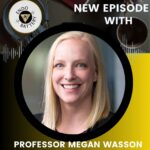
Is endometriosis really just a reproductive disease? Dr. Megan Wasson, Chair of Medical and Surgical Gynecology at the Mayo Clinic, joins us to break down how endometriosis impacts people at every age — from teens with “normal” cramps to postmenopausal individuals still battling symptoms.
We unpack the red flags, the myths, and what true care should look like at each stage of life.
In this episode, you’ll learn:
• Why period pain that affects school, work, or life is never normal
• How early symptoms in teens are often mislabeled as anxiety
• What trauma-informed pelvic exams should look like for adolescents
• Why “birth control is a bandaid” and not a cure for endo
• When excision surgery can support fertility — and when it may not
• What to know about perimenopause and endo symptom flares
• Why menopause doesn’t always “cure” endometriosis
• How hormone replacement therapy (HRT) can still be safe and helpful
• Why surgery can still help after menopause
• The critical role of support people in navigating care
👉 If your period is more than an inconvenience, something is wrong. It’s time to speak up, be heard, and get the care you deserve.
🎧 Tune in now on your favorite podcast app or watch the full conversation on YouTube.
#Endometriosis #ChronicPain #MayoClinic #TeenPeriodPain #PelvicPain #Menopause #HRT #ExcisionSurgery #InvisibleIllness #EndoEducation #WomensHealth
Website endobattery.com
Endometriosis at every age
Speaker 1
0:00
Endometriosis doesn't care how old you are . Maybe you're a teen with symptoms and no one can explain . Let's be honest many have heard you're too young for endometriosis . Maybe you've spent your 20s or 30s chasing answers . Maybe you're in menopause , thinking , wait , why am I still in pain ? In this episode , dr Megan Wasson , chair of Medical and Surgical Gynecology at the Mayo Clinic , walks us through what endo can look like at every stage of life . We talk about symptoms that are too often dismissed , approaches to pain management when surgery makes sense and what care should look like , not just in your reproductive years but beyond . Yes , we even go there Endo after menopause . If you've ever felt confused , dismissed , just plain tired of the fight , this episode is for you . Dr Waston brings clarity , compassion and real insight into the care we all deserve , whether you're 14 , 45 , or 74 . So grab your favorite drink , take a deep breath and join us , because you are not alone in this fight .
Speaker 1
1:09
Welcome to EndoBattery , where I share my journey with endometriosis and chronic illness , while learning and growing along the way . This podcast is not a substitute for medical advice , but a supportive space to provide community and valuable information so you never have to face this journey alone . We embrace a range of perspectives that may not always align with our own , believing that open dialogue helps us grow and gain new tools , join me as I share stories of strength , resilience and hope , from personal experiences to expert insights . I'm your host , alana , and this is IndoBattery charging our lives when endometriosis drains us . Welcome back to Indoobattery . Charging our lives when endometriosis drains us . Welcome back to Endobattery . Grab your cup of coffee or your cup of tea and join me at the table .
Speaker 1
1:53
Today's guest is someone who brings a deep expertise , compassion and innovation to the field of gynecology . Dr Megan Wasson is the chair of the Department of Medical and Surgical Gynecology at the Mayo Clinic in Arizona and a professor of obstetrics and gynecology at the Mayo Clinic College of Medicine and Science . She's a leader in minimally invasive gynecologic surgery , a respected educator named Outstanding Emerging Educator in 2020 , and an internationally recognized speaker with over 200 invited lectures and more than 70 peer-reviewed publications . Her clinical focus includes endometriosis , chronic pelvic pain and advanced surgical techniques , and she holds a fellowship with both the American College of Obstetrics and Gynecology and American College of Surgeons . Whether it's in the operating room , at the podium or shaping global surgical standards , dr Wasson is helping redefine what care can look like for patients around the world .
Speaker 1
2:50
Please help me in welcoming Dr Megan Wasson to the table . Thank you , dr Wasson , so much for joining me today . I'm so grateful to have you . Thank you for taking the time to sit down with me . I know your schedule is so crazy . You're a busy doctor , busy mom , so thank you so much .
Speaker 2
3:05
Oh my gosh , thank you for having me . I will always make the time to talk about endometriosis , so thank you for inviting me and sharing a little bit of your time today .
Speaker 1
3:15
Absolutely . This is what I love doing . I love being able to communicate all the things that we get to talk about today , and one of the things that we're both passionate about is endometriosis . But before we dive in , can you tell us a bit about what drew you to this work and what keeps you passionate about helping people with endometriosis ?
Speaker 2
3:34
Oh my gosh , it's definitely been a journey , for sure .
Speaker 2
3:37
So initially I started to even understand endometriosis and start to see it during my residency .
Speaker 2
3:43
So after medical school , doctors go to residency where they learn more in-depth specialty training . So for those of us who specialize in endometriosis , that's typically going to be an OBGYN residency . So during OBGYN you spend time with different surgeons and infertility specialists and that's really where I started to learn about endometriosis but minimally invasive surgery as a whole . And that's when I chose to do a fellowship and thankfully I matched at Mayo Clinic in Arizona , where there is a huge focus on endometriosis , and that's where I really started to actually understand the disease and the individuals that this disease affects and how much of an impact there is on quality of life . And not only understanding the disease , the amazing surgeries that we're able to do to help these
Dr. Wasson's journey with endometriosis care
Speaker 2
4:28
individuals , but then also seeing the impact that I can have just by being a listening set of ears and seeing people and hearing people when they haven't been seen or heard truly for at least half their lifetime very commonly is incredibly rewarding . And then seeing the outcomes after we're able to treat endometriosis I just I love it .
Speaker 1
4:48
It gives the fire in my belly and gives me a reason to get up every day and come in and do what I love Is there one specific story or patient that really sticks out to you , that really helped frame your work and how that just completely changed the way that you treat patients , the way that you investigate endometriosis patients . Is there one story that just sticks out to you the most ?
Speaker 2
5:15
Oh my gosh , there are so many stories . To pick one is really , really hard because everyone is so amazing in their own right . But very commonly and there is a specific patient that comes to mind but hearing that patients started having issues back when they first got their period they remember being in high school laying on the bathroom floor curled up in the fetal position , having to have mom come and pick them up from school and take them home is a very common story . That starts the endometriosis journey and then patients are put on birth control pills very commonly , which is fine . Birth control pills can be very helpful , but eventually a lot of individuals want to start a family and so for this one particular patient , that's exactly what she did .
Speaker 2
5:58
She wanted to start a family with her husband , stopped the birth control pills , tried to get pregnant , was not able to get pregnant , but all of these symptoms really just came to light . She started having cyclical bleeding from her belly button . She was having severe ascites , so fluid accumulating in her abdominal cavity to the point that there was five , six , seven liters that were getting drained off . She had pleural effusions , huge amount of fluid in her chest cavity every time she had a menstrual cycle , and it all was because of endometriosis , and so the birth control pills were doing amazing , masking her symptoms , putting the bandaid on the symptoms . But then , when life changed and she wanted to pursue pregnancy , that's when the disease was truly recognized .
Speaker 2
6:46
Unfortunately , because the disease was so advanced , she ultimately was not able to pursue pregnancy . She ultimately had a hysterectomy before she was able to have any children , which , yes , I saw . That it's heartbreaking . It's heartbreaking that the disease takes so much away from people . But she also had to have a bowel resection . She had to have her belly button removed . She had to have a VATS procedure . A large portion of her thoracic cavity and her diaphragm removed , the sac around her heart , like really , really extensive disease that she probably wouldn't have even known she had if she had never stopped the birth control pills .
Speaker 1
7:22
Wow , I mean , that's huge . That's what , in advocacy , we try so hard to convey is like the sooner you get this taken care of , the better , which brings me to our whole discussion today . We're going to walk through the different stages of endometriosis , and by stages I mean the different ages and stages of endometriosis , so we're talking from adolescence to postmenopausal , because this affects people at a wide range , but it might affect them slightly differently and you have treated patients from every range , and so I want to go into this with an open mind . But also I really want to empower people with wherever they're at , to learn something and to get that information so that they can advocate better for their care . And that's , you know , one of the sweet things that we get to do is , in advocacy is we get to learn with everyone . So can you briefly just , we're going to go through the adolescence and early teen years , ages roughly 10 to 19, . What are some early warning signs of endometriosis in adolescents that often get dismissed as normal period pains ?
Early warning signs in adolescents
Speaker 2
8:35
Yeah , so exactly what you just said is number one , that it's quote unquote normal period pain . That unfortunately , there's a lot of generational trauma that can almost happen . That because we know there is a familial component to endometriosis , that if mom had endometriosis and really , really struggled with painful cycles and then her daughter is now starting to have cycles and really struggling , they don't know any different , and so the mom tells the daughter yeah , this is your cycle , this is just what it is . So there's that huge element that can happen , that the family is normalizing it .
Speaker 2
9:09
Now , if an individual goes and talks to her doctor , most commonly the pediatrician is who is going to be the first sounding board for this and they say , yeah , I'm having cramps . And the pediatrician doesn't delve into it any further and they say , well , yeah , everyone has cramps with their period . It gets dismissed and that's where the cycle starts happening that that patient may never bring it up again because , well , I told my doctor and they said it was normal . So , yeah , I guess this is just what it means to be a woman and what it means to have my cycle , and so that's where we need to do better very early In terms of specific symptoms , to watch for . My best recommendation is always to think about your period just as an inconvenience .
Speaker 2
9:52
If someone is having symptoms with their cycle , that is more than an inconvenience If they're having to change their activities . They're not able to do their sports , they're not able to dance , they're not able to go to school , they're missing going to the movies with their friends because of their menstrual cycle . That is not normal . That should absolutely perk ears and raise red flags , that maybe something should be investigated a little bit further , specifically for the adolescent population . We also know that it's very common to have pain outside of the menstrual cycle . So if individuals are having pain , not just with bleeding , but complaining about pelvic cramping , discomfort even outside of that timeframe , that should also heighten our suspicion . There could also be a lot of the weird vague symptoms that can carry on truly throughout life , so nausea , diarrhea with the menstrual cycle . So anything along those lines should at least elevate the suspicion that endometriosis is a possibility what age range do you typically see presentations and symptoms in these patients ?
Speaker 2
10:54
yeah , so if you have that heightened index of suspicion , a lot of patients will actually present even before they get their first menstrual cycle . So as the hormones are turning on , as the ovaries are starting to circulate , that estrogen and progesterone , that's happening before you actually have a withdrawal bleed , so the actual menstrual bleeding , and so individuals can start to have pelvic discomfort , pelvic cramping , even before they start bleeding and , as we know , the age of menarche so when the first period comes is starting to go down . It's not uncommon to start seeing symptoms even before the age of 10 .
Speaker 1
11:32
Yeah , and that's interesting because I think , as someone who experienced a lot of these symptoms prior to my first actual period , I'm very mindful in my children to look for those things because they are more likely to have endometriosis , and so for me to be aware of these signs and symptoms prior to even their menstrual cycle really starting or shedding of the blood , that's key for a parent to recognize . But how early can a pelvic exam be safely and ethically performed , especially in these young patients and in those experiencing chronic symptoms ?
Speaker 2
12:12
Oh my gosh , I love this question so much because we can do a lot of trauma to individuals if that first pelvic exam is not done very thoughtfully and very deliberately , is not done very thoughtfully and very deliberately , pelvic exams and physical exams in general can be incredibly beneficial because not all pain is endometriosis and we need to make sure that we're not missing alternative sources of pain .
Speaker 2
12:35
But there's a subspecialty within OBGYN and it's called pediatric and adolescent gynecology and they've really perfected how we can do these exams and not do trauma . Speculum exams really don't have much place at all in the pediatric adolescent population , especially in someone who has not been yet sexually active . There's a lot of trauma that we can do with that . But we can inspect the vulva , we can inspect the introitus and make sure there isn't something like an imperforate hymen that someone may truly be cycling but the blood just can't get out and that's where their pain is coming from . So we can do physical exams , especially in those with pelvic pain , but that doesn't necessitate doing what most individuals would think of as a pelvic exam . You don't need to do a speculum exam . You don't need to do that bimanual exam where we're feeling the uterus , feeling the ovaries . A lot of just inspection is adequate to get the answers we need .
Speaker 1
13:32
Is it necessary to do that to be able to potentially diagnose or know next steps ? Or is imaging an ultrasound for , like MRI , beneficial in those cases where you don't really want to do an exam like that ?
Speaker 2
13:48
Yeah . So that external inspection is incredibly helpful , specifically to make sure there isn't that outlet obstruction . So the imperforate hymen , okay , but that isn't the point that we stop . So we absolutely can benefit from doing a ultrasound , but again , it doesn't have to be an internal ultrasound , doing a screening ultrasound with just the probe on the abdomen , looking at the structure of the uterus , looking at the structure of the ovaries to make sure there's no mass , make sure there's no big cyst on the ovary . That's the source of this discomfort . If someone does have that outflow obstruction , that even if the cervix is blocked and they're not able to bleed through the cervix , you'll see the uterus being filled with blood and you'll be able to see that on the ultrasound .
Speaker 2
14:32
So very commonly in younger individuals who are struggling with pain , we do lean very heavily on just that extra inspection of the vulva and the opening of the vagina , but then also ultrasound . We really don't like to do CAT scans , especially because that's radiation exposure for young individuals . And then MRI absolutely we can use it in very select patients , but we don't want to do that on everyone either , because that's a 45 to an hour long exam very commonly that you're asking a 10-year-old to lay on a table and hear this clanging , banging like how much trauma does that induce ? So we just need to be very deliberate and very thoughtful about what we're putting these young individuals through and making sure that there is truly the benefit on the other side of it and we're not doing more harm than good .
Speaker 1
15:20
Yeah , and that's something that I think many of us need to consider when we are walking through this with our children is the trauma aspect of it , not just the treatment of and not just the disease , not just addressing the disease , but also the trauma because their brains are still developing in that . You know this , I think , when we create more of that fight or flight mode , that sympathetic mode , with more trauma , it's really hard to get into that parasympathetic mode because their brains are just not developed enough 100% .
Speaker 2
15:56
I love that you're bringing that , because we need to remember that we're treating people . We're treating kids and , yes , they may have endometriosis ,
Examining and treating young patients
Speaker 2
16:04
but this is still an individual that's affected every single day by that potential diagnosis .
Speaker 1
16:09
Right , right . How can we validate teens' experiences while also helping them and their family advocate for answers , because that's also something that can contribute to some of that trauma .
Speaker 2
16:22
Yeah , so I do think society is shifting contribute to some of that trauma . Yeah , so I do think society is shifting in a good way with some of this , that the discussion of the menstrual cycle is becoming less and less taboo , that it is something that is talked about in common conversation , that it's not something that we're going to go into the corner and we're going to hide a tampon in our sleeve or the pad in our sleeve . No one can know I'm bleeding , right . So just having it be part of society and , yes , this is part of the normal physiology of a woman I think can be very helpful because , in turn , if someone isn't afraid to say , hey , I'm bleeding today , they're also going to have less fear saying , hey , I'm bleeding today and I'm having a lot of pain , and this is really , really awful .
Speaker 1
17:03
Right , and this is something that I want to tell people too it is okay to work with your children's school to help get them on a program that can accommodate for things like this when their menstrual cycle does come around and they have to miss school and they're not in a stage where they can maybe even have surgery or maybe they do have to have surgery but to have that accessible availability to them for being able to get accommodations for when things like this come about . Working with your school , working with your teachers to help your student is key in furthering their education .
Speaker 2
17:46
Yeah , I almost feel like it instills those life lessons of self-care and don't put yourself on the back burner . You need to make sure that you're showing up as your very best self , and teaching our teenagers to do that is going to serve them well for very , very long-term success in their lives . I love the idea of the school nurses as well . Shannon Cohn is doing a lot of great work to bring advocacy to school nurses because they're very commonly that first touch point that kid doesn't want to be in class because they're so miserable and then they go to the school nurse . Well , similar to what I was mentioning with the pediatrician , that school nurse can either validate those symptoms and say , yes , what you're experiencing , what you're feeling , is real and I am here to help you , or say you need to suck it up and deal with it and this isn't that bad . So making sure that we are giving that platform so that these young , pliable brains are given that validation , which is going to serve them very well and decrease that trauma moving forward , Absolutely .
Speaker 1
18:50
And you know , one of the things that I have started doing with the nonprofit side of things is working with their health teachers , because what I'm able to do is not necessarily get face to face with the students , but with the teachers who are seeing these students miss school . And what's interesting about this is that it comes full circle for those teachers who also have endometriosis and they're getting this education when advocacy steps in and says we're advocating for these young people but also for you as teachers . So you know , that's like just a circle moment for me personally is to see these teachers and these students get the help that they need . Oh my gosh , that's amazing .
Speaker 2
19:24
I love that you're able to see these teachers and these students get the help that they need . Oh my gosh , that's amazing . I love that you're able to see that .
Speaker 1
19:28
Yeah , absolutely , it's been a really cool thing . What would you tell a parent who's unsure whether to pursue further evaluation ?
Speaker 2
19:35
We want to get on top of these symptoms sooner rather than later . We know , as you were alluding to , the brain is incredibly pliable and the brain learns things and then responds accordingly . So if these kiddos are dealing with pain day in and day out because , like I mentioned , it's not just when they're bleeding , they're having pain outside of their menstrual cycle the brain is going to learn that signaling and it will take very little to then send that signaling 10 years from now , 20 years from now . So we want to stop that pain cycle early , to prevent that pliability in the brain and that learning of chronic pain that , in turn down the road , becomes very challenging to undo .
Speaker 2
20:14
Central sensitization is something that we see very commonly in individuals with chronic pain and endometriosis because of those changes in the brain . So don't put bury your head in the sand , don't pretend that this isn't happening . It truly is something that , if you see your child suffering , don't expect that it will just get better . Don't expect that it's just a phase you know . Seek out , help , seek out answers to ensure that we are preventing those long-term issues from developing .
Speaker 1
20:44
On that . When we're talking treatment approaches , Matt , when we're talking treatment approaches , a lot of times they do medical management . What is your approach with adolescents when it comes to either surgery or medical management , Because this could be a very challenging thing to think about surgery for a young child , but also we know that it could be beneficial . What is that breaking point there ?
Speaker 2
21:07
Yeah . So there is a lot of that shared decision making to ensure that we're not just making unilateral decisions as endometriosis specialists , but also that individuals parents , kids are not making decisions unilaterally based on the information that they know . That may not be the complete picture , so there is absolutely a place for hormonal management in this . I know that hormonal management can get a little bit of a bad rap , but if we're saying that , okay , well , I can put
Surgery versus medical management
Speaker 2
21:39
you on a birth control pill or a progesterone only pill , I can stabilize your hormones and not put you through a major surgery , that could potentially be a huge win for that individual .
Speaker 2
21:51
Endometriosis surgery is major surgery and , as we talk about trauma , it absolutely is a trauma to the body . It's a trauma to that young person's brain to go through surgery and , yes , we do it , but we don't need to do it on every single person . So my general mainstay is use medical management as first-line therapy , and sometimes that can be just doing ibuprofen and Tylenol , not saying that that is going to always cure all of the pain , but that can be first step in preemptively using it . If you know that , okay , yeah , the cycle is going to come tomorrow . I'm going to start the ibuprofen today , that can be very helpful , but also doing something along the lines of that birth control pill , the progesterone only pill that I was , mentioning the role of GnRH agonists , antagonists , so oralisa , elegolics , myfembri , depo-lupron that group of medications really should not be utilized in the adolescent population because the bones are growing so rapidly during that time and we don't want to negatively impact that .
Speaker 2
22:53
But if those medical management options are ineffective , if someone's trying them and they're not getting relief , that's when we really should have a very thoughtful conversation as to is surgery worth it and is this the time that we should be going down that road ? Or do we want to continue to try to utilize these Band-Aids for what we presume to be endometriosis , knowing that surgery may be coming in two years , three years , five years ? But right now we can avoid it with the medications ?
Speaker 1
23:23
Right , and I think that also goes to say that I think you should be open with any new provider that you go to as to why you started these medications , because I think that there could be those cues in there that maybe we should evaluate it further as you get older , and that's where that birth control can suppress those symptoms for so long . But knowing why you're suppressing these symptoms , being honest in your care , is key for when you get into this next stage of life , when I feel like you know we're seeing our young adults 20s and 30 year olds right , we're now looking more into has the disease progressed , has it ? You know I'm advancing in my years . I want to potentially get pregnant , there's all of these things . How does endo tend to evolve from adolescence into adulthood ?
Speaker 2
24:18
Yeah , we know that endometriosis is a progressive condition , so it's not uncommon for not only the disease to grow . If we're doing like imaging , watching things on ultrasound MRI , it's not uncommon for there to be that progression and disease burden . But it's also not uncommon to see progression and symptoms . That initially , yeah , I had painful cycles . I was starting on birth control pills as a 13 year old which , again , I don't necessarily disagree with . I think that's fine as a first step and , yep , it worked . I put a bandaid on it . But now I'm 18 , 19 , 20 , and now I'm starting to have pain outside of my cycle or the pain is no longer controlled with the birth control pills . That we're starting to see more and more symptoms . That's a very classic presentation of endometriosis .
Speaker 1
25:05
Yeah . What are the common misdiagnoses during this time ?
Speaker 2
25:11
Yeah , so irritable bowel syndrome is a very , very common one . That , yes , you can have some diarrhea , constipation and that's just anxiety as well , is a very common misdiagnosis that I very commonly hear as well , that people are having difficulty with intercourse just because they're new in their sexual journey and so it'll just take a little bit of time . Primary dysmenorrhea is another very common word thrown out and diagnosis thrown out , that it's because of the prostaglandins that the uterus releases and that's where the pain is coming from . Also labral tears , so orthopedic injuries can be the source . Like truly everyone wants to think about things outside of GYN when we're starting to think about progressive symptoms as well .
Speaker 1
26:01
Yeah , and I think a lot of us have experienced that from that stage and personally I have as well and that is harmful no-transcript surgical consultation versus going on the conservative management route .
Speaker 2
26:35
Yeah , that's a really great question and it's not a one size fits all . I always step back and remind myself , as well as the individuals that I'm caring for . This is a quality of life issue . So just because a treatment option is a good option for one person doesn't mean it's best for another person and it really needs to be individualized to you , focused on your priorities , your goals , your expectations .
Speaker 2
26:58
So , in terms of when someone should consider surgery , lots of different reasons . Number one , if it's something that's always been in the back of your mind and constantly been this well , do I have it , do I not have it ? And it keeps you up at night and is causing a lot of anxiety , a lot of stress For some individuals . Just having that definitive yes or no is this or is this not endometriosis gives so much peace of mind and so much peace in general that it's incredibly helpful . So that's where I am never opposed to just giving someone that definitive answer .
Speaker 2
27:27
But when we talk about the other quality of life issues , so those symptoms , if someone is having symptoms that are not being controlled with those band-aids , the birth control pills , iuds , progesterone-only pills then that's where there should be a very thoughtful conversation about is it time to do something different , and that may include surgery versus pelvic floor , physical therapy , acupuncture there's a lot of adjuncts that we can use to help support the body as it processes and copes with endometriosis .
Speaker 2
27:58
Additionally , if someone is wanting to pursue pregnancy and cannot be on those bandaid medications because , let's be honest , being on birth control pills when you're trying to get pregnant , that is not conducive . So if you can't be on your Band-Aid and being off the Band-Aid is not conducive either yeah , doing a surgery may absolutely be justified at that precise moment in time , with the secondary benefit of not only can we surgically help to decrease those symptoms , but we can also help optimize , whether that's for natural pregnancy , which there is good evidence to show that removing endometriosis can help optimize for natural fertility , being able to get pregnant without any intervention , as well as helping to optimize for artificial reproductive technology . So , individuals who do need things like intrauterine insemination , in vitro fertilization , excising endometriosis , getting rid of that inflammation , can help to optimize for that as well .
Speaker 1
28:57
Well , when you think about it , and getting the endometriosis out of your body , whether it's on your reproductive organs or not , is going to benefit your body . It's going to help support the way that it should be functioning , not the way that it has been functioning . It's going to optimize your overall health . So there is benefit to just removing that , but that's not always accessible to everyone , and that's something that we always have to keep in mind , right ? That's , I'm sure , something that for you , as a provider you have in your mind as well is like this may not be accessible to this patient , and that becomes a little bit of a challenge as well .
Speaker 2
29:36
Yeah , so not to go off too much on a tangent , but that's why I'm so passionate about education and having my fellows learning about endometriosis , because I am only one human 10% of reproductive aged women are affected by endometriosis , so that's not even including the prepubescent or postmenopausal women 10% I cannot take care of 10% of the female population and we need to increase access by increasing the number of individuals who understand endometriosis , know how to do these surgeries and can provide excellent outcomes . But we have so far to go in terms of meeting the demand of what is out there .
Speaker 1
30:19
Absolutely , absolutely , and that was just something that is always on the top of my mind is something to be cognizant of , because this is a stage of life that we're really seeing a lot of people struggle with access to care and access to even diagnosis , which is why you know it's a little frustrating , right , as people who hear this day in and day out . But can you also speak to the importance or limits of imaging like MRI and ultrasound and all of those things at this stage , because that will help some people with whether they're on insurance or not , maybe evaluate whether they have endometriosis or if it's progressed ?
Speaker 2
31:03
Yeah , no , imaging can be very , very helpful with very specific caveats . So whenever we're looking at any diagnostic tool , even like blood work , if you're getting blood work done to check for your hemoglobin , for anemia , there are very specific criteria that we use to say well , how accurate is that test ? So what is the sensitivity ? If you have anemia , what's the likelihood that that blood test is going to actually show you have anemia ? What's the specificity ? What's the positive predictive value , negative predictive value ? And that becomes very important when we talk about imaging .
Speaker 2
31:37
So not all ultrasounds are created equal , not all MRIs are created equal and there are limitations to the testing . So even here at Mayo Clinic , where I have a phenomenal team of radiologists around me who are really focused and specialized on endometriosis , like I am , I love my team , they're amazing , but they still can't see everything . And we have this delicate balance of , well , don't over call things , don't tell me things that you're like , well , maybe I see a little hint of something , because then
Reproductive years and fertility concerns
Speaker 2
32:08
I don't really know if I can trust it . But on the flip side of it , we don't want to under call either , because then we're missing significant disease and telling individuals that no , your pelvis is normal , when really it isn't . But even here we're seeing that . So it's very important to recognize the skill set of the individuals who are obtaining the images .
Speaker 2
32:30
Recognize the skill set of the individuals who are obtaining the images . So are they following an endometriosis protocol for the ultrasounds as well as the MRIs ? Are they getting a narrow field of view , meaning doing a lot of slices , a lot of pictures ? So that way we're getting really good at quality imaging . And then what's the skill set of the radiologist ? Just like a endometriosis surgeon , you can talk to some individuals who don't really do endometriosis surgery but they're an OBGYN and they're boarded , so technically they can do this . But what's that level of expertise ? So there are really good studies that have shown you need to have high quality imaging followed by high quality interpretation to be able to accurately get that diagnosis .
Speaker 1
33:11
Yeah , you know that's something that's been key in my care is understanding the imaging and having a multidisciplinary team that understands it , and it's such a powerful tool for many people .
Speaker 2
33:25
So the other thing that I think is really critical to understand about imaging is the limitations that even in the very best centers , superficial endometriosis is not able to be accurately detected . If we move to the outside of the pelvis , into the abdomen , the diaphragm diaphragm is even harder to see endometriosis accurately and so I never take a quote , unquote negative exam to be diagnostic of you do not have endometriosis . I take it to mean okay , we're not worried about needing to do a bowel resection , we're not worried about needing to re-implant a ureter because we're still suspecting that there's endometriosis but it's more superficial disease that we just can't see on imaging .
Speaker 1
34:09
Yes , and we will hear that a lot of times from people who aren't familiar with even looking at endometriosis , and most of the time they'll tell you it's not beneficial to even do an MRI or an ultrasound or anything like that . But then you know , they'll say well , you don't have endometriosis because your scans are clear . Well , that's not a definitive tool because it doesn't necessarily mean that you don't have it in areas that they're not even looking or can't see .
Speaker 2
34:35
You know , and that's something that I ran into in my journey as well , and that's where the big organizations , acog , the European version of ACOG , the Canadian version of ACOG , the American College of Obstetrics and Gynecology is ACOG and gives guidelines as to what we should be doing . They even say that diagnostic laparoscopy cannot be replaced by imaging . At this point , if you suspect endometriosis , you still need to go in surgically . That is where you're going to get that definitive yes or no .
Speaker 1
35:05
Right , absolutely Should . People who don't want children . You know we talked about the fertility aspect , but for people who don't want children , should they still be concerned about fertility related symptoms or risks ?
Speaker 2
35:18
So yes and no . So I am always going to be fully supportive that . You know your body , you know your life . Not every single person on this planet needs to reproduce . So if you are not concerned about having pregnancy , fine , not a problem . However , we should not minimize quality of life and a lot of these symptoms of endometriosis be it painful intercourse , painful cycles , painful bowel movements it can be a sign of more significant disease burden . So even if we're not focused on well , let's optimize for fertility . Let's optimize so that you can get pregnant . I want to optimize so you can live the life that you want to live . Right , right .
Speaker 1
35:54
Well , and this also speaks to adenomyosis , because I think a lot of times , a lot of people think , well , I don't want to have kids , but I still want my uterus , or you know , there's there is that caveat there as well is that it's not always endometriosis , it could be adenomyosis .
Speaker 2
36:11
Yeah , absolutely , and I am always again , I think you know so far just the way I speak about this is patients have the right to decide what happens with their bodies . Yes , I can give guidance , I can give opinions , but ultimately it affects you much more than it will ever affect me . So you get to be in the driver's seat , you get to decide what we're going to do . And so , yeah , we do see a lot of pelvic pain from adenomyosis as well , which is where we need to think of pelvic pain more as an onion , that you get multiple layers of pain , that it can be endometriosis , but you can also have adenomyosis .
Speaker 2
36:46
You can also have pelvic venous insufficiency , also called pelvic congestion syndrome . You can have myofascial pain , you can have nerve impingement and all of these things add together to this constellation that is pelvic pain , that you have to treat every single one of those layers to make any headway . But , that being said , it's hard to say how much each of those layers is contributing to that perception of pain . So for that individual that we highly suspect adenomyosis but does not want to lose her uterus , that's fine . We can't treat the endo . We can treat the pelvic floor . We can treat the muscles , the nerves , the blood vessels and optimize everything so that way the symptoms that are coming from the adenomyosis are minimized as much as we possibly can .
Speaker 1
37:28
Oh , that's a really good point is to address the things that you can Absolutely as we go on , because that's a big portion of that stage . But as people progress in later productive
Perimenopausal changes and flare patterns
Speaker 1
37:41
years mid-30s , early 40s how do symptoms shift or worsen during this stage ?
Speaker 2
37:48
Yeah , so for individuals who are on that hormonal suppression we can see that same progression in symptoms that we can see in the 20s , that the disease just outgrows the Band-Aid . So always keeping that in the back of our mind . And the other thing that we haven't touched on that I think is really important is the quality of life issues . And thinking about it from that perspective is more for superficial disease without significant disease burden , if we are seeing significant disease burden with like bowel involvement , ureteral involvement , that needs to be followed because that can shift from a quality of life issue to a quantity of life issue that I don't want you to be in renal failure because we've ignored this disease around your kidney . So really watching and monitoring for that progression if we know there's significant disease burden , even if the patients are not wanting to go down the road of surgery , is critically important . But for individuals who have that more superficial disease , we're not worried about significant organ involvement but we're monitoring for symptoms If individuals are not on that hormonal suppression and their bodies are just functioning normally .
Speaker 2
38:54
We do see the perimenopausal transition very commonly starting in the early forties and that's where you can get huge surges in different hormone levels and then drops in hormone levels and so with that huge surge and drop , you can also see a huge surge and drop in endometriosis related symptoms . So we can't see more flares in the pain , we can see more flares in the symptoms in general , followed by periods of time where I feel amazing . This is great . So you can have that waxing and waning happening .
Speaker 1
39:23
Absolutely . Does endometriosis get more aggressive with age , or can it settle ?
Speaker 2
39:29
So it doesn't tend to get more aggressive with age , it just tends to outgrow . The band-aids is what most commonly see . So it's not suddenly that you're getting rapid growth in those cells . If we are seeing rapid growth that we previously were monitoring and everything was really stable , then all of a sudden we're seeing rapid progression . That actually perks our ears that there can be malignant transformation , which happens in less than 2% of patients with deep infiltrating endometriosis , but it can . So it's always in the back of our mind . But what we can see is that as the hormone levels drop and we do make that transition into menopause , that symptoms related to endometriosis can very commonly improve for a lot of individuals not all , but a lot of individuals will see improvement in symptoms as they transition into menopause .
Speaker 1
40:17
Yeah , and we kind of touched on this a little bit . But for someone who's had hormonal suppression for years , how do you weigh the benefit of surgical intervention now in this state ?
Speaker 2
40:26
Yeah , so it really does become very individualized that if the Band-Aid is working and you're feeling great and you're not having the blockage of the urine , or that you're developing hydronephrosis , backup of urine into the kidney , that I'm worried about your kidney function . You're not having bloody stools because you're having a nodule of endometriosis going all the way through your rectum , If it truly is more suspected superficial disease and the Band-Aid whether that's a birth control pill , an IUD , progesterone-only pill if that Band-Aid is adequately suppressing your symptoms . There are a lot of individuals that I suspect endo in that we never end up doing a surgery .
Speaker 1
41:09
Interesting and what would be that deciding factor ? Because I think there is this other aspect of this of like the comorbid conditions . How do you factor that into your treatment and potential surgery or no surgery factor ?
Speaker 2
41:19
Yeah , and so that's where I focus , not just on what's happening in the pelvis , so not just focusing on are you having painful cycles , are you having pain with intercourse , but I also ask about what's happening in the body as a whole . Are you having excessive fatigue that no one's been able to pinpoint ? Are you having awful migraine headaches that no one's been able to pinpoint ? Are you having GI dysfunction that you're nauseated all the time ? You've seen a million GIs . They scope , everything looks normal , so they say , yep , this is your body .
Speaker 2
41:47
So if there are these other things that might not be obviously associated with endometriosis , that's where we might start to say , okay , yeah , your pelvis is good , but you can be having other symptoms and other related conditions that might get better . I can't promise , I can't guarantee . But if we get rid of that inflammation that is endometriosis , if we reset what's happening in your body , those conditions may improve . And so for each individual , that's a delicate balance as to for them . Do they want to take that risk of surgery with that kind of big question mark ? I can't promise if it's going to get better or not .
Speaker 1
42:24
Right . And that kind of leads me to this next question of the postmenopausal , perimenopausal , mid-40s and beyond the hormonal myths of it all , let's talk about the myth of menopause cures endometriosis . Why isn't ?
Speaker 2
42:38
that
The menopause myth debunked
Speaker 2
42:39
always true cures endometriosis . Why isn't that always true ? So , number one one of my biggest pet peeves with endometriosis in general is when individuals have their uterus removed , their ovaries removed , and nothing is done for endometriosis . But I cured your endometriosis . Nothing could be further from the truth .
Speaker 2
42:57
So endometriosis , yes , it responds to the hormones that the ovaries release , but it's not an issue with the ovaries , it's an issue with how that tissue is responding . So we need to focus on fixing that tissue rather than just castrating everyone and removing ovaries . So I very , very rarely am removing ovaries for treatment of pelvic pain , for treatment of endometriosis , and the reason for that is , if we really understand endometriosis , it truly is endometrial-like tissue . It is not the endometrium . So endometriosis has a chemical in it called aromatase , and aromatase converts testosterone into estrogen . So even if the ovaries are gone , the endometriosis is going to continue to feed itself , and so , whether that's surgical menopause , natural menopause , medical menopause , using those various medications that I previously mentioned , symptoms can continue . Symptoms can't progress , and we shouldn't just ignore them and say , well , I guess you're menopausal and there's nothing else we can do , so now you really have to just suck it up and deal with it .
Speaker 1
44:06
Right , I think there's a lot of fear as well when you get into this stage and you want to do hormone replacement therapy , and I think that a lot of people are leery of doing that because they have endometriosis and they don't want to make it worse . Can you touch on that just a little bit , because I think that is a fear of a lot of these people walking through this stage of life .
Speaker 2
44:27
Yeah , and that's where you really need to understand how these hormones interplay and what affects endometriosis . I recently just saw a patient . She came in , was getting testosterone supplementation and was completely asymptomatic . Endometriosis had never even entered the conversation until she was getting testosterone supplementation and was completely asymptomatic . Endometriosis had never even entered the conversation until she was getting that testosterone and all of a sudden she developed severe pelvic pain and no one could understand why . Well , endometriosis converts that testosterone into estrogen and so it just caused that vicious cycle to really ramp up .
Speaker 2
44:58
So , that being said , hormone replacement therapy is not the enemy . We just need to be very mindful and very cognizant about what we're doing with hormone replacement therapy and balancing those risks and benefits . So just another plug for why removing the ovaries doesn't really make sense . So if you have someone who is very young and you remove the ovaries , you induce menopause , the immediate next thing is going to be well , now you're at risk for osteoporosis , heart disease . I need to give you hormones now to reduce that risk . So we've taken the hormones away , but now I'm going to give you hormones because you need the hormones in your body . It just doesn't logically line up . So that's another point for why we just really shouldn't be doing that .
Speaker 2
45:41
But after menopause , in that perimenopausal transition , there's a lot of other symptoms that can arise Hot flashes , difficulty sleeping , that brain fog is very common and hormones can help with that . And so if you need hormones to help to support your body during that transition , absolutely we can do that . If someone still has a large amount of disease burden with endometriosis , so that patient who we've been following with endometriomas hasn't wanted to do surgery , I do recommend estrogen and progesterone together in that patient , even if they've had a hysterectomy . So for some individuals after hysterectomy we say only estrogen , you don't need any progesterone . But if it's someone who's had a very thorough excision of endometriosis , we're not suspicious of significant disease burden remaining . That's where someone can use estrogen alone and that's completely fine If they need estrogen to help with those menopausal symptoms . Absolutely Endometriosis is not a contraindication to hormone replacement therapy .
Speaker 1
46:41
And that's something I've experienced as someone who has had a nephrectomy . The importance of that hormone replacement therapy has been key to me , but I've also been very cognizant of making sure my dosage is correct , and that's something that working with the hormone specialist is going to be very important for when you are considering these options . Again , that's something why it's important to have a multidisciplinary team and a team that can work together , whether that's your excision specialist surgeon as well as a hormone replacement therapy expert . Those are really key things to be working together on with those people . In my personal opinion and that's what I've experienced and that's what's been helpful for me to do that yeah , I'm glad that you have that team surrounding you , because endometriosis is a whole body disease .
Speaker 2
47:30
You can't treat it just with one provider , one individual . And I'm glad you've also seen the positive response
Hormone therapy and post-menopausal care
Speaker 2
47:36
to the correct hormones and making sure that you are utilizing them to your body's best ability For someone who has had a hysterectomy but has never had excision and is now post-menopausal .
Speaker 1
47:49
what are your thoughts on the viability of excision ?
Speaker 2
47:52
Yes , I do a good amount of excision surgery on individuals who are menopausal , whether that's natural menopause or surgical menopause , it's really based on symptoms . Whether that's natural menopause or surgical menopause is really based on symptoms . So if they are having a significant pelvic pain , significant issues surrounding endometriosis , like those other symptoms that we mentioned previously , then yeah , we can absolutely consider excision surgery . For those individuals who might have significant disease burden and the fear and the concern of that malignant transformation is there , then again excision surgery may be worth it . So just because someone's menopausal doesn't mean that we should suddenly forget about endometriosis and ignore the impact that it can have .
Speaker 1
48:34
Yeah , absolutely , and I think some people don't even think they have endometriosis but are still having significant pain , and that might be something to explore when you are having pain that it could potentially be endometriosis .
Speaker 2
48:47
Yeah , I mean , as we've alluded to , talking about the teenagers and the adolescents , not everyone understands what endometriosis is , and so , as society is gaining awareness , yes , people are starting to think about this more . But for the menopausal population , they are of that generation that may have been told this is normal their entire lives and may have never even thought that endometriosis is a possibility . So asking the questions , perking the ear , is absolutely worth it , regardless of where someone is in their lifespan .
Speaker 1
49:16
Are there increased risks associated with excision later on in life as opposed to doing it earlier in life for those that maybe haven't been diagnosed ?
Speaker 2
49:26
Yeah , so it's not necessarily that the surgery is going to be more risky , higher risk for complications . In general , the surgery is the same regardless of where someone is in their lifespan . However , we do know that as we age we do develop what's called comorbidities . So having diabetes , hypertension , cardiac disease , that all is going to be more prevalent as we age . So surgery can be a little bit more risky as we age , but not because of endometriosis , rather because our bodies are a little bit older and not as well performing as they did when we were 20 .
Speaker 1
50:02
And because , you know , even going up the stairs can be challenging at times . So there's that , exactly , exactly , yeah . Should older patients continue to monitor endometriosis symptoms or like postmenopausal ?
Speaker 2
50:16
Should they continue monitoring that , yeah , so if we are more worried about superficial disease and it truly is symptomatology that we're watching . Absolutely Having a good pulse on your body , I think , is always critically important and alerting your providers if there's any deviation from that normal . So if you're having pain but you can deal , it's not worth it for surgery for you . Absolutely , we can continue to watch that . But if at any point you're having changes , that you're having more discomfort , more pain , something just doesn't feel the same , you should absolutely reach out to your provider . On the flip side of that , if you are someone with that deep infiltrating disease , so significant endometriosis involving the bowel , involving the bladder , those are patients that I'm going to be monitoring with imaging , regardless of what their symptomatology is , because that is the population of individuals that unfortunately is at higher risk for developing that malignant transformation , that we can see cancer cells developing within that deep infiltrating disease .
Speaker 1
51:27
Right , those are things that many of us wouldn't even consider as we progress in life is to really look at those different variations and variables when it comes to this disease . And that just goes to show again it's not a reproductive disease , it's a whole body disease and that we really have to pay attention to that Exactly , exactly , and it's a challenge . But it's knowing your body , too , and knowing all the things that you've gone through , picking up those subtle symptoms and changes that we walk through throughout the years , can be really helpful to your healthcare providers . What do you wish all providers understood about the trajectory of endometriosis over a lifetime ?
Speaker 2
52:03
Oh my gosh that it is a progressive disease , that menopause does not cure endometriosis . We need to stop castrating women . That does not treat the disease and can cause a whole host of
Patient advocacy and family support
Speaker 2
52:15
other issues . That's not to say there's not good reason for removing reasons some individuals , but as the primary treatment for endometriosis it really needs to be removed from that algorithm and don't assume that someone's symptoms are not from endometriosis if they're menopausal . Just because the estrogen levels have declined doesn't mean the estrogen levels are zero and endometriosis does continue to cause issues . So listen to the patient rather than just looking at numbers and statistics .
Speaker 1
52:45
Yeah , absolutely . How can patients of all ages advocate for themselves , especially in healthcare systems that often dismiss their pain ?
Speaker 2
52:55
Yeah . So if you are being dismissed , I would go find a different provider . You're never going to convince someone that something is real if they don't believe it's real . And so , yes , I am always a fan of education . That's why I spend a lot of time teaching my fellows , teaching at conferences . But if someone truly does not believe that endometriosis can be a source of symptoms , no matter what you say , they're not going to believe it . So don't beat your head against a wall . Go find someone who understands the disease and is willing to at least listen to you and help navigate the system Absolutely .
Speaker 1
53:32
But adversely . What can family members , partners , teachers do to support someone in any of these life stages that they encounter ?
Speaker 2
53:42
Yeah . So that village around individuals with endometriosis is incredibly important to make sure that we are not normalizing symptoms , making sure we're not contributing to that trauma and being another advocate in the room with that person , Because a lot of these visits can become very overwhelming . There's a lot of telling the story over and over and over and that can become exhausting . So to be that second voice to interject and add the details that someone may not be remembering to add can be incredibly helpful . And also being that second voice to say no , we do need some help , rather than just letting things be dismissed and pushed to the wayside .
Speaker 1
54:24
Absolutely . My husband has been able to pick up on cues and symptoms before I could . He's recognizing more because I am so focused on the pain and just trying to make it through day to day that sometimes I don't pick up on those little cues . And so the support people are so vital to proper advocated care .
Speaker 2
54:45
Yeah Well , and like you have mentioned multiple times , this is not a reproductive disease , it's a whole body disease , but it's also a whole family disease .
Speaker 1
54:54
It's not just something that affects the individual , it affects their entire network around them Absolutely and I saw that in my kids and how they remember things and their early childhood memories of me being sick and it does . It really affects the whole family . If you could leave listeners with one piece of advice for recognizing and honoring their symptoms at any age , what would it be ?
Speaker 2
55:18
Your period should be no more than an inconvenience . Truly , that should be the guiding rule of thumb . If your period is more than an inconvenience , something is wrong , and it doesn't necessarily mean endo . It can but make sure that you're talking to your healthcare providers , make sure that you're being heard , so that way you can get the help you need and the help you deserve .
Speaker 1
55:37
Absolutely , absolutely . Dr Wasson , thank you so much for taking your time and energy and continue advocating for us . You do that all the time in the way that you educate and the way that you continue to push yourself to learn more about endometriosis , and I admire that so much . Having known you for a little while now , I know how passionate you are about this disease and I know that you continue pushing yourself to understand it more . So thank you for doing that . Thank you for standing up for those patients who wouldn't have other doctors do that and stepping into a space of healing , and I just appreciate you taking the time to do that for us today as well .
Speaker 2
56:16
Oh my gosh . Thank you and I will echo it back to you Thank you for all that you do in this space and the advocacy . We can't do it in silos . We have to work together the providers , the patients and those who are struggling with endometriosis , those who are supporting those with endometriosis . So I'm really excited about what the future of endometriosis looks like because of people like you . So thank you for doing the hard work day in and day out .
Speaker 1
56:45
Thank you . I really appreciate that . It's always a pleasure to speak with you . It's always a pleasure to sit down with you . I learn every single time and I just enjoy that so much . So you'll have to come back again at some point and we'll do some more fun stuff . So , yes , yes , I look forward to it . Yes , until next time . Everyone continue advocating for you and for others .