
Send us a text with a question or thought on this episode ( We cannot replay from this link)
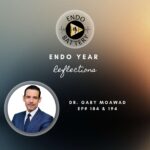
The end of the year doesn’t just mark a finish line—it reveals how far we’ve come and where we’re brave enough to go next. We look back at the breakthroughs that mattered in endometriosis care: smarter imaging, emerging biomarkers, and the human skills that carry patients through the hardest stretches. Alongside a heartfelt recap, we highlight our in-person conversations with Dr. Gaby Moawad—sessions that blended deep clinical insight with disarming candor about the realities of surgery, research, and the emotional burden clinicians shoulder.
We break down how AI is starting to strengthen ultrasound and MRI interpretation, why machine learning can narrow the gap between experts and generalists, and where noninvasive tests using microRNA might change the diagnostic journey. We also explore triage algorithms that combine symptoms, history, imaging, and labs to get high-need patients in front of specialists sooner. The throughline is practical: tools that shorten the diagnosis maze, questions that sharpen advocacy, and a vision for standardizing excellence so access isn’t luck.
But tech is only half the story. We talk legacy, training the next generation to question assumptions, and building systems that protect compassion from burnout. Gratitude sits at the center—listeners who found language for their symptoms, guests who raised the bar, and friendships that keep the work honest. You’ll leave with a clear view of what’s changing, why it matters, and how to ask for the care you deserve, plus a small holiday comfort tip for the days when bloat and fatigue crash the party.
Want more deep dives into imaging pathways, noninvasive testing, and day-to-day strategies for thriving with endometriosis? Follow the show, share this episode with someone who needs it, and leave a review with your top question for 2026. Your voice shapes what we explore next.
Website endobattery.com
Setting Up The Reflection Series
SPEAKER_01
0:00
With the Indo Year coming up, it's a perfect time to reflect on all the lessons, growth, and amazing guests we've had on Indobattery. But instead of one big recap, I'm breaking it into quick, bite-sized reflections multiple times a week. Let's revisit what inspired us, learn what we missed, and recharge together in our Endo Year Reflection series. Join me each episode as we look back.
Mission And Community Ground Rules
SPEAKER_01
0:27
Welcome to Indobattery, where I share my journey with endometriosis and chronic illness while learning and growing along the way. This podcast is not a substitute for medical advice, but a supportive space to provide community and valuable information so you never have to face this journey alone. We embrace a range of perspectives that may not always align with our own, believing that open dialogue helps us grow and gain new tools. Join me as I share stories of strength, resilience, and hope, from personal experiences to expert insights. I'm your host, Alana, and this is Indobattery, charging our lives when endometriosis drains us. Welcome back to Indobattery.
Year In Review: Themes And Takeaways
SPEAKER_01
1:08
As we close out 2025, I want this final reflection episode to be one for the record books. And honestly, it already is. This year was incredible. We've explored so many layers of life of chronic illness and endometriosis, from mental health, eating challenges, mix that don't always cooperate, to hormones, bowels, which somehow became the word of the year, and what real compassionate care looks like for our emotional and mental well-being. We covered a lot, but I would be completely remiss if I didn't close this year by reflecting on one of the most impactful, expansive, and genuinely
Spotlight: Conversations With Dr. Gabby Mawad
SPEAKER_01
1:47
fun conversations I've had on this podcast. My time sitting down in person with Dr. Gabby Mawad in episode 184 and 194. True to his word, Gabby came out in person to record with me, which was both exciting and a little daunting. I usually record virtually, and while I love in-person conversations, this was different than what I'm used to. And I loved it. Not just because it was in person, but because it was with a friend. Someone I've been able to bounce ideas off of, someone who stretches the way I think about health, care, endometriosis, and medicine as a whole. Gabby has one of the most expansive, curious minds I have ever encountered. I don't know if I've ever met anyone who holds as many nuances at once as he does. What's wild is that he somehow has entire studies memorized on everything from the lymphatic system to the vascular system to theories on the origins and characteristics of endometriosis. On top of that, he travels all over the world, operates, runs a clinical practice, and still somehow has his schedule mapped out for the year in advance in his head. That alone is mind-blowing. I barely remember my name half the time. But what made this episode special wasn't the knowledge.
How AI And Imaging Are Changing Diagnosis
SPEAKER_01
3:07
We talked about the gut and its role in inflammation and whole body involvement, pain pathways, and then we went further into advanced imaging, artificial intelligence, and how technology may completely change the trajectory of endometriosis, diagnosis, and treatment.
SPEAKER_00
3:23
I think we're at the infancy of AI impact on our daily life, even though it's making a tremendous progress. In endometriosis specifically, there are a few alleys that were exploited by AI. The first one that I can talk about is the imaging. The identification of the endometriosis lesions through machine learning can help diagnosing endometriosis. And then there are some studies that showed the accuracy is as much as expert. The other area where it's been worked upon is the biomarkers. The biomarkers, either through genetic or epigenetic or even products of the disease, are helping us to try to understand new ways of diagnosing non-invasive endometriosis. For example, there is a couple of tests that have been developed. They work on microRNA, which is a portion of the expression of the gene. And then they use artificial intelligence to try to stratify the severity of endometriosis and the phenotype. And this has been done through blood, through menstrual fluid, through saliva recently. So again, this is another thing. A lot of
Biomarkers And Noninvasive Testing
SPEAKER_00
4:40
algorithms have been developed by combining patient symptoms, patient history, some of the imaging and lab results to create a stratification of the risk, and then that will make patients be referred earlier to a specialist and try to shorten the diagnosis length.
SPEAKER_01
5:00
He didn't just talk theory, he gave practical ways to think about advocating for ourselves, talking to providers and understanding what may be coming next. But one of the most meaningful parts of these conversations was hearing him talk about legacy. Dr. Moad doesn't want to be the only one thinking beyond what's
Triage Algorithms And Faster Referrals
SPEAKER_01
5:19
taught in medical school. He wants the next generation to do the same, to question, to innovate, to push forward with curiosity and excellence.
SPEAKER_00
5:38
The education side, the research side, the understanding side, because this uh is is good for me and for my uh speedy brain all the time. I think individual efforts to impact communities, whether in surgeons, whether
Legacy, Training, And Standardizing Care
SPEAKER_00
5:54
in patients, something that I enjoyed doing for the past years and I will continue to enjoy doing because if I can teach more people to fish, I don't need to fish for them.
SPEAKER_01
6:06
Yeah.
SPEAKER_00
6:06
In the sense when we help or we train or we teach one other, uh the impact will grow way fast way faster through these, hoping we can come to a better standardization, better utilizing the resource to provide better care beyond the negativity, the toxicity, the gaslighting, the things that are currently happening, whether on a healthcare system, whether on surgical skills system, whether on research and understanding basis. So all these will come together. I think this is a passion, and you cannot retire from a passion. You can retire from certain jobs or exercises, but the passion will remain there. It was grown, it's really hard when you set the fire. Sometimes it's hard to uh turn it down.
SPEAKER_01
6:57
And he spoke candidly about the weight physicians carry, the way doctors hold patients'
The Emotional Weight Clinicians Carry
SPEAKER_01
7:02
pain with them, the emotional toll of endometriosis care, and the deep desire to do better for patients who are suffering. That perspective matters. I think everyone should listen to these episodes, not just for the information, but for the humanity in them. Sitting with Gabby expanded my understanding of endometriosis in ways I never expected. It challenged me, it inspired me, and it reminded me why these conversations matter. I am incredibly thankful, not just that
Gratitude For Guests And Listeners
SPEAKER_01
7:30
I get to talk to doctors like this, but that I get to know them human to human. These relationships have made my life richer in ways I never imagined. They fuel my advocacy, they encourage me when I'm tired, they remind me why I keep going. Because this work isn't always easy, and I'm tired a lot of the time. But meeting people like Abby, seeing how tirelessly they work in this community, how they deeply care, and how committed they are to excellence keeps me moving forward. Dr. Mawad has made a lasting impact on my life, not only through his knowledge, but through his friendship, support, and unwavering commitment to this community. He expects excellence, not just for himself, but from the entire field. And that expectation raises the bar for all of us. Looking back on this year, I am overwhelmed with gratitude. Every single guest brought something meaningful to the table, something that changed how I think, how I approach care, and how I understand my own body. And I've heard from so many of you who've been impacted too. Messages telling me how an episode helped you feel seen, gave you language, or changed the direction of your care. That means everything
Listener Input For 2026
SPEAKER_01
8:46
to me. As we move into 2026, I want to hear from you. What do you want to learn? What are you struggling with? What do you want more conversations around? How can I show up for you better? Because while I may host this podcast, this is your podcast.
Holiday Survival Nugget
SPEAKER_01
9:02
And because I want you to feel comfortable in this podcast, here is a little nugget for your holiday survival guide. Wear comfy clothes. Festive but forgiving waistbands are a public service. I wear sweats to record almost every time. Moving
Hopes, Community, And Closing
SPEAKER_01
9:21
into 2026, my hope for you is health, wellness, and prosperity. Not just in the face of chronic illness, but in every area of your life. I hope your year is filled with relationships that encourage you, hold you up when you're tired, and remind you that you don't have to do this alone. I hope you carry hope with you. And when you don't, I want to help hold it for you. Thank you for sitting with me at this table this year. Thank you for surrounding me with community. Thank you for your trust, your messages, and your support. And thank you to every single guest who shared their time, wisdom, and heart. I am rich in relationship, in knowledge, and in community. Until next year, continue advocating for you and for others.