
Send us a text with a question or thought on this episode ( We cannot replay from this link)
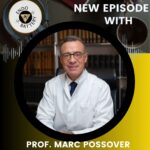
Professor Marc Possover reveals how our nervous system drives endometriosis pain and offers practical tools for managing symptoms through vagus nerve regulation. This groundbreaking conversation challenges traditional views of endometriosis by exploring neuropelviology – the study of pelvic nerves – and how nerve function impacts everything from pain perception to fertility.
• The pelvic nervous system controls all pelvic functions and pain signals
• Our autonomic nervous system has two branches: sympathetic (fight-or-flight) and parasympathetic (rest-and-digest)
• Endometriosis activates the sympathetic nervous system, creating widespread effects beyond the pelvis
• Vagus nerve stimulation can increase parasympathetic activity and decrease pain
• Simple techniques like ear stimulation, breath work, positive thinking, and physical activity can regulate the nervous system
• Symptoms often dismissed as “comorbidities” are actually part of one connected nervous system dysfunction
• Many patients with persistent pain after surgery may be experiencing nervous system sensitization rather than disease recurrence
• Future treatments may include neuromodulation techniques that decrease both pain and inflammation
• Understanding neuropelviology could reduce unnecessary surgeries and improve outcomes
• Both patients and doctors need education about the nervous system’s role in endometriosis
Website endobattery.com
Introduction to Neuropelviology
Speaker 1
0:00
What if I told you that your nervous system has more to do with your endometriosis pain than you probably think ? And what if I told you there's practical tools in place that can help you with your pain management ? Have you ever heard of neuropelviology ? Maybe you've even heard about fight or flight , or rest and digest and the vagus nerve . Professor Mark Possover is joining me today to go over that and so much more . So stick around .
Speaker 1
0:27
Welcome to EndoBattery , where I share my journey with endometriosis and chronic illness , while learning and growing along the way . This podcast is not a substitute for medical advice , but a supportive space to provide community and valuable information so you never have to face this journey alone . We embrace a range of perspectives that may not always align with our own , believing that open dialogue helps us grow and gain new tools . Join me as I share stories of strength , resilience and hope , from personal experiences to expert insights . I'm your host , alana , and this is EndoBattery charging our lives when endometriosis drains us . Welcome back to Endobattery . Grab your cup of coffee or your cup of tea and join me at the table .
Speaker 1
1:12
Today's guest has built his career on a bold but vital belief that suffering pain should not be a life sentence , and for Professor Mark Possover , that belief isn't just a philosophy , it's a mission . As a world-renowned pioneer in neuropelviology yes , you heard that right he has transformed how we understand and treat chronic pelvic pain , especially when the source is elusive or deemed untreatable . His work bridges the worlds of gynecology , neurology and minimally invasive surgery to target the pelvic nerve directly , often bringing relief to patients who've been told to simply live with it . Professor Possover isn't just treating symptoms . He's finding the root cause , especially in cases involving nerve entrapment , endometriosis and neuropathic pelvic pain . His methods have given hope to countless people who have felt like they've run out of options .
Speaker 1
2:02
So if you've ever wondered what's really going on when no one seems to have answers , this episode is for you . Please help me in welcoming Professor Mark Possover to the table . Thank you , professor Possover , for sitting down with me today , and this is a complete honor for me to be able to sit in this space with you and learn from you , because you are a genius when it comes to nerves . So thank you for taking the time to sit down with me and expel your knowledge to us .
Speaker 2
2:34
Thank you very much for the invitation . The pleasure and the honor is for me definitely . I think it's not a question to be a genius , but I spent simply 20 to 25 years of my life to try to understand the pelvic sympathetic and parasympathetic , the pelvic nervous system , which is not easy .
Speaker 1
2:52
Yeah , it's not easy , but , man , it is so central to what we do . Can you explain what you do ? Who you are and why this conversation is going to be so important is because of what you've done in your career , but also this is your passion . Can you explain a little bit about this ?
Speaker 2
3:14
So , as you said , I'm Marc Possevert . Marc is my surname . I'm a French guy . I'm working in Switzerland , but I'm a French guy .
Speaker 2
3:21
I started my medical study with 15 and with 22 , I was a cardiovascular surgeon . So I have a little bit of a different vision of the pelvis than gynecologists . And you know , when I started my career in cardiovascular surgeon surgery it was in France . That time , when the gynecologist made a mistake in terms of bleeding , they always call the cardiovascular surgeon . And because I was a young guy in the team in the department of cardiovascular surgery , so my chef , my boss , always said you have to go to the gynecologist , try to solve the situation . So I learned how to manage complication in the pelvis before I was able to perform even a sterilization . And then , because cardiovascular surgery was every day more or less the same , I was looking a little bit on the left , on the right and I found the gynecology , or the gynecology obstetric . And I found , yeah , it's fascinating the gynecology , because it's not like cardiovascular surgery , you have just to deal with health or with vascular . But in gynecology you have just to deal with health or with vascular , but in gynecology you have to deal with women , you have to deal with life . You have to deal with obstetric microsurgery , laparoscopic surgery , oncology , everything .
Speaker 2
4:35
And then I started my fellowship in gynecology by moving to Germany and from there I become a specialist in oncology and endometriosis because at that time , for more or less 30 years , oncology and endometriosis were one speciality and more or less in Germany at that time we were what we call in the United States pelvic surgeon . So I'm doing all kinds of pelvic surgery , bladder surgery , bowel surgery and over the year . What I was missing is when we were doing a lot of surgery , big surgeries in the pelvis , we would induce what we call a high morbidity . Morbidities that mean complication , and I'm not talking from complication during the surgery like damage of the , the bladder of the blood vessel , but the problem at that time 30-40% of our patients were not able to empty the bladder after the surgery , whether we were performing surgery for cancer or for endometriosis . And you know , in cancer patients at that time , when you say to a patient , okay , that is a price to be alive , more or less a patient accepts the situation .
Speaker 2
5:47
But when you have to deal with a young woman 25 , 30 years old , she wants to get pregnant , she's just married to you , do a surgery and then she has to use a catheter . That is a shame and that's the reason why I was starting to think we have to reduce this morbidity by preserving the organs in the pelvis which are in charge of all these different functions and these organs on the pelvic nerves . And that's the reason why I started to focus my attention on the pelvic nerves . And for 20 , 30 years we introduced laparoscopy in the gynecology and laparoscopy is like a microscope so you can see the small nerve from less than 2.1 mm very big of the screen . And that was the start of the neuropelviology what I became over the years . I'm still doing endometriosis and oncology , but more than 90% of my work now is neuropelvology , so I'm a kind of neurologist for the diagnosis and neurosurgeon in the pelvis .
Speaker 1
6:56
Which is fascinating because I think a lot of times , a lot of us think about endometriosis as just the disease . We don't think about it as it being a nervous system issue . Can you walk us through why the nervous system plays such a huge part in endometriosis and why this matters not only to the patient but to the provider ?
Speaker 2
7:19
Yeah , the problem endometriosis . You know it's not , it's just a cause , the cause . As when you feel pain during your menstruation , it's not because you have endometriosis , you know it's not , it's just a cause , the cause . As when you feel pain during human's bleeding , it's not because you have endometriosis in your brain . You feel pain because within the pelvis , everywhere , but not just in the pelvis . There is no place in your body where there are no nerves , and the nerves have always two functions .
Speaker 2
7:42
One function is to bring information to the brain , and one of these information is pain . But it's also information like my bladder is full , I have to go on the toilet or I have sexual activity or I have some desire , and so now I'm bringing information to the brain , down , like I want to empty my bladder or nerve and bring even a formation to the pelvic organ . Now is time to get an ovulation or now is time to get a bleeding . So an endometriosis is just one of the cause that can induce damage or irritation of the nerves , but are not the only one . If you have another infection , if you have a myoma compressing the nerve or pathology of the same nerve themselves , the patient will feel pain . So in endometriosis , patients have infertility , dysmenorrhea , pain during intercourse , pain during main bleeding because the nerves are involved . Without nerves , we would not have either pain or ovulation or bleeding , because the nerves control everything .
Speaker 1
8:53
Right , and there's one nerve in particular that is the driver of this and that's the vagus nerve . Can you explain the role that this nerve plays in our body , in our nervous system ? The role that this nerve plays in our body , in our nervous system ? Because I think something that you brought to light was the fact that it is kind of a driver in most all pain , not just endometriosis . It drives pain , whether we're scratching our leg on a bush or it's . You know we're walking and we're having a hard time walking or whatever that case is . Can you explain that a little bit better for us and why this matters so much ?
Speaker 2
9:28
Maybe I have to explain a little bit the nervous system , not just in the pelvis . You have two kinds of nerves . You have what we call somatetic nerve , that is the nerve which command the red muscle . So if you want to move a leg is because you have an activation , for example , of the somatic nerve . And behind this somatic nerve you have a note , another nervous system , what we call autonomic nervous system , of vegetative nervous system . That is a nerve system we cannot control .
Speaker 2
10:03
For , for example , if I'm breathing and there's no need for me to think about that or if my cardiac is working , it's because I have an autonomic nerve system . Or , for example , in the pelvic cavity , the bladder . If I want to go on the toilet and to empty my bladder , my brain is giving the information , do it . But then the autonomic nerve system is doing . It's no need for me to think . I am already avoiding my bladder . That's the reason why , suppose you want to empty your bladder , you go on the toilet and suppose you have a book , so you can say okay , I want to pee . The brain will give you information , but the vegetative nerve system will do by itself . So there's no need for you to think while you're empty your bladder , you can read a book , because the autonomic nerve system does that by its own .
Speaker 2
10:59
And the vegetative nerve system is the nerve system that the Chinese medicine well know . And you have two systems . You have a bad nerve system and a good nerve system . And the bad nerve system is what we call the sympathetic .
Meet Professor Mark Possover
Speaker 2
11:15
It's called sympathetic in French , sympathetic would mean nice , but it's not a nice nerve system .
Speaker 2
11:22
The sympathetic nerve system is involved in its increase in pain , in dysmenorrhea , if you have headache , if you are worried , if you don't feel good . That is the sympathetic nerve system . And on the other side you have the parasympathetic nerve system , which is called the rest and digest nerve system . And this parasympathetic nerve system , which is called the rest and digest nerve system , and this parasympathetic nerve system is for the well-feeling . So if you have no pain , if you feel good in your life , you enjoy your life , you can properly void your bladder , you are properly intercourse . And all this thing is because you have the autonomic nerve system , course , and all this thing is because you have the autonomic nerve system . And these both nerve system system are in balance . So the parasympathetic , the good autonomic nerve system is , if it increase , it will decrease the sympathetic nerve system .
Speaker 2
12:19
So suppose you have pain . Pain means you have an activation of the sympathetic nervous system . You can say I will reduce this sympathetic nervous system , for that I will take painkillers . There is another way to say , because they are in balance . You can reduce the sympathetic nervous system and that way the wellness system will increase . Or you will say it will increase by myself , without painkiller . The parasympathetic nerve system and the parasympathetic nerve system , you have two systems one in the pelvis , which you cannot control with the brain , and you have the second system is the vagus nerve . And the vagus nerve is a nerve that emerges directly from the brain . It's running in the neck , outside the spinal cord , and goes in your abdomen and will control your cardiac activity , the lung , all the different functions . So if you are able to activate the vagus nerve in your life , you will be more happy . It's as simple as that .
Speaker 1
13:32
But is that an easy thing to do , which is , I think , for a lot of us ? We're like how do we do that ? How do we activate that vagus nerve ?
Speaker 2
13:43
I think you have three possibilities . One is to activate the vagus nerve passively , and one very , very easy way is what we call the transauricular vagus nerve stimulation , because the vagus nerve will send branch everywhere , some nerve fibers everywhere in the body , and some of these fibers reach the ear . And these fibers are very important because they are directly connected to the brain , so they are tense device . Tense device that means that bring very nice electricity . There is some device you bring here on the , what we call the conch , and then you can activate the vagus nerve . For example , my patient affected by endometriosis or spinal cord injury patient who are depressive , I advise them please , in the morning , in the evening , 10 minutes when you are lying down in your bed , try to do a little bit stimulation of the vagus nerve here . And there is another way . It's how you are .
Speaker 2
14:46
If you're staying up in the morning and you say , oh , today is a bad day , you have high risk that it will be a bad day . If you're coming up , staying up and you're obliged to think , oh , today is a beautiful day , I will have a blue sky . If you try to convince yourself that it will be a beautiful day , you have much better chance to get a beautiful day . And there is another source method to increase the vagus nerve . It's what we call the subliminals . Subliminals are audios , they are music , where , in subliminals , you can bring a message in a high frequency , so you will not hear the message , but your brain will hear it . And in this music , which is very peaceful , you can bring the message . Today it will be a nice day , you will be happy , you will have no pain Okay , you will get your man bleeding , but you will see it will be much better than the last month . And when you do that , it's like a kind of auto-suggestion which will increase the activity of the parasympathetic nerve and your day will be better Interesting ?
Speaker 1
16:00
Is this impactful with like breath work and doing body movement , if you can , and things like that , because we hear a lot about that . How important is that to increasing that parasympathetic system ?
Speaker 2
16:15
Yes , with sport activity , and for that I'm pretty nice , located here . I'm in Switzerland because we have the mountain , and the mountain is really swimming and hiking , on both methods Not to increase the vagus nerve , of course , if you're in the mountain and you see a sea , it's beautiful , it will make you happy . Then you have an activation of the parasympathetic nerve . But if you're swimming or if you're hiking , you're embracing and when you're embracing a lot you will induce a massage of what we call the plexus solar and this way you will decrease the activity of the sympathetic nerve system and that way will increase the parasympathetic nerve system . So it's true , if you are doing sport activity running , hiking , swimming you will feel the pain much less . And if you're thinking about a patient or a woman who are doing very lot of activity , sport activity and usually much , much less pain during men's bleeding than a patient who are sitting home and yeah , it's simple like that it's anatomically activity will decrease the sympathetic nerve system . And , by the way , smoking will increase the activity of the sympathetic nerve system .
Speaker 1
17:37
Interesting . What else increases the sympathetic system ? Stress probably , I would assume .
Speaker 2
17:44
Exactly In principle . You have just the sympathetic nerve system is a fight and flight nerve system , so you have just to sing when you're afraid . So let's give an example . Three at night we met together on the street . It's dark and I want to kill you . You will not start to smile .
Speaker 2
18:05
So if you are afraid for me , you have only one thing in mind go away . You will try to run . Run means you will need blood for the muscle , blood for the heart , blood for your brain , blood from the lung . So the blood in the rest of the body will be decreased . And that's the reason why , for example , when you are affected by endometriosis and you have another activity of the sympathetic nervous system , you are white in face . That's the reason why your fingers are cold . Your body is cold , but when you're afraid you will start sweating . So when you have a patient with another activity of the sympathetic system because I want to kill you in the night , or because you have endometriosis , you will be tired , you will be white in face , you will be cold , you will look for something warm , but if I give you the hand , I will feel that your hand is cold but wet .
Speaker 2
19:10
Now , listening about the night when I try , when you have to write in the night , it's like the cats . You have to open the black in your eyes to see more light . That means when you have another activity of the sympathetic nervous system , the black in your eyes will get open . It's what we call a midriasis . And then simply think about people in the television . When they have to go in the television , usually they have a glass of water .
Speaker 2
19:41
Why ? Because when you have another activity of the sympathetic nervous system , the salivation in your mouth will decrease and that way your lips will get dry . You will start being nervous , your cardiac activity will increase , you will start to breathe much frequently , and all these signs you can see when a patient is coming in your office . You see she's white in face , the black is dilated , she has a middle rashes , the lips are dry , the hand is cold but wet . You see under the shoulder she's sweating but she has cold . If you see she's quite nervous , look here . When you see increased cardiac activity and you have the feeling she has to breathe a lot , you know she has an overactivity of the sympathetic nerve system . And in the life of the woman , the cause number one , which every month will increase , activate the sympathetic nervous system is endometriosis .
Speaker 1
20:50
And what's interesting about this is that it sounds so simple and yet so complex , because it's the human side of us mixed with the body side of us , like the emotion plus the body , so combining those two seems impossible to manage or impossible to like
Understanding the Pelvic Nervous System
Speaker 1
21:10
think past sometimes for a lot of us . Why is it important that we address this and acknowledge that though ? Because I'm sure you see some of the patients who have severe endometriosis , because you do a lot of nervous system stuff for endometriosis and sciatic endometriosis and teach neuropelviology , so you're seeing a lot of these patients who are very in their sympathetic system . How do we regulate this as patients ? How do ? Why is this important to understand and try to manage ?
Speaker 2
21:46
you know that maybe I would say maybe we can . I can give you later the answer how it is important for a patient . But I would like to say first how it's important for doctors . Because when we are a doctor we're sitting in front of a patient . We see she's quite nervous , she has a high level of stress , she's pale in face and she explains oh , I have pain during my mind , bleeding Everywhere in my body . I have shoulder pain on the right , on the right we know it could be endometriosis on the sciatic nerve . No , no , no , doctor , I have pain on the left , endometriosis on the left , not very frequent .
Speaker 2
22:25
Probably the patient has some psychological issue and you open the door and the patient starts and you know , during my menstruation something is wrong . My feet are getting cold and I get pain in my fingers . That is a point as a doctor where you will say , ok , ok , I am a surgeon , an endometrial specialist . I know that I can find endometriosis in the pelvis , but not in the shoes , not in the fingers , not in the left shoulder . Probably I have to send this patient first to a psychologist . You know , in Europe we have some certification center in endometriosis and it's very important because in this certification you have always to give the name of a psychologist , and that is exactly the point . As a doctor , sometimes probably , we are pushing the patient much too fast in the corner of the psychology and once you understand the sympathetic and parasympathetic nerve system , then you will understand that all these complaints of the patient are part of the same disease , and the disease is the irritation of the pelvic sympathetic nerve . And endometriosis may be one of the causes , but it's not the only one . And that is a little bit my fight . I actually , over the last 30 years , I was fighting for awareness , increased awareness , of endometriosis , not just in patients but also in doctors , and now I have the feeling we are going a little bit too far .
Speaker 2
24:02
When patients have pain , it's endometriosis , that's it . And that is too easy . When patients have an issue with the blood or issue with the rectum , they can experience exactly the same pain and to say , okay , let's do a laparoscopy and remove some endometriosis , maybe you will find endometriosis , but it's not the proof that the endometriosis is the main cause of the pain . Right and now for the patient . I think it's very important to be aware of this sympathetic nerve system , to know , as a patient , I'm not crazy . It's part of my disease . It's part of my pathology . Once again , if I have pain in my left hand during my men's bleeding , it's not because I have endometriosis in my left hand , but because I have an overactivity of the nervous system . And that is exactly what I mentioned . How many patients affected by endometriosis have pain and headache during men's bleeding ?
Speaker 1
25:02
Yes .
Speaker 2
25:03
You have not to look for an endometriosis in the brain . It exists , but it's so certain I never saw that in my life . But if you have an overactivity of the sympathetic nerve system because of an endometriosis , for example in the pelvis , in the ovarian , that will induce headache because of an overactivity of the sympathetic nerve system and that's a treatment is not to give you antidepressant of some painkiller for your headache but to treat the cause of the overactivity of the sympathetic nerve system and to remove the endometriosis . Or maybe another cause and one of the main , second main cause in women to have an overactivity of the sympathetic nerve system is what we call outlet obstipation syndrome .
Speaker 2
25:54
The bowel is much too long . And you know there is a simple trick . I always look at the fingers of my patient . When a patient has very long , thin fingers , you can be sure that the bowel is very long , very thin and is making kinking inside the pelvis and then the patient has a bloating bowel with bloating abdomen , pain in the back . Sometimes this pain even goes down , radiated in the leg , not in the back of the sciatic nerve but in the front or in the inside of the thigh , and that is what we call outlet obstipation syndrome and it will induce the same pain like in endometriosis , but not just during men's bleeding , but in some patients every day , depending from food , what they are eating . So that is exactly my message . Endometriosis is only one cause , there are other causes .
Speaker 1
26:50
One of the things that you and I had talked about previously was the fact that it's not comorbidities , they're all one thing . It's all one thing , and I think it's hard because we compartmentalize . We got to solve the endometriosis first , then we got to solve this issue , and then we've got to solve that issue . It's an overwhelming thing , and we're seeing that there's a lot of correlation between endometriosis and some of these other conditions .
Speaker 2
27:17
Exactly .
Speaker 1
27:18
Why do you think that that is one condition , and can you explain that just a little bit for us ?
Speaker 2
27:24
The problem is the way we are thinking in medicine , because we are thinking in a small area . So when I'm a gynecologist , I'm dealing with the uterus , the tubes , the vaginas , that's it . So when a patient is coming and said well , mr Possova , I pain every month during my brain , bleeding . Okay , could be endometriosis . Yeah , mr Possova , I have another problem . I have to go 20 times per day on the toilet to pee . Oh , that is an issue with the bladder . That is a urologist . And the urologist will look for a cause , like I'm looking for a cause for pathology of the genital organ , like endometriosis . He will directly look for a cause that may affect the bladder , so an infection , interstitial cytitis or something like that . And if the patient said and I have a thirst issue , I have irritable bowel , then you send the patient to a gastroenterologist and we'll say let's do a colonoscopy . Your mucosa is a little bit red , you have some chronical inflammation of the bowel . And then we say , oh , this patient is affected from endometriosis and with comorbidity bladder rectum . The patient go to the urologist . The urologist will say she's affected from a bladder issue , with comorbidity , endometriosis and irritability bowel . And I say , no , the pelvic autonomic nerve system is the same for the bladder , for the rectum and from the genital organ . So it's not a comorbidity , it's one pathology , the irritation of the sympathetic nerve system . And that's the reason .
Speaker 2
29:02
More or less all patients affected by endometriosis , whether it's a deep endometriosis , an adenomyosis , or pelvic endometriosis , peritoneum endometriosis , they will all experience that during men's bleeding they have pain , they have to go more frequently on the toilet to pee . It's easy to say you have the next blood infection , I will give you some antibiotic . And at the same time they will say oh , during my men's bleeding I have diarrhea . Oh , let's do a coloscopy . Maybe you have endometriosis of the rectum , maybe .
Speaker 2
29:33
But maybe it's an irritation of the pelvic nerve , which are in charge of all these organs and then the autonomic nerve system . We have not to consider it as you have a pelvic , an abdominal , a brain , a spinal cord , autonomic nerve system . It's one autonomic nerve system . So if you have an irritation in the autonomic nerve system in the pelvis , you will have an activation of the autonomic nerve system in the pelvis . You will have an activation of the autonomic nervous system in the whole body and that's the reason why you feel tired , you are not good that day , you have a headache and all these symptoms . So one pathology is a pathology of the nervous system .
Speaker 1
30:16
Yeah , which would explain why there's people who have surgery they have good endometriosis surgery , but they have reoccurring pain or persistent pain because they haven't dealt with the nervous system or there's something else going on with the nervous system . Is that something that you find that we ignore a lot of , and that's why I think there's risk in reoccurring surgeries by not addressing that .
Speaker 2
30:41
Yeah , as you know , in the past when I performed a surgery and the patient had still pain after , the question was maybe I didn't remove everything First ? Secondly , oh , this colleague from this hospital performed a surgery . He's not as good as I am . For sure he was missing some endometriosis , let go of the next surgery . Or maybe I was thinking oh , the patient is getting a lot of hormonal treatment , maybe the inside effect of the medical hormonal treatment and it's true that if patients are getting a lot of progesterone , one of the main side effects is constipation , another one is depression . So it's easy to say the patient is depressive because of the side effect of the hormonal treatment . But as a neuropelvologist I can say maybe it's because of the overactivity of the nervous system . And you know it's very frustrating when you perform a laparoscopy and especially you will not find a lot of things , maybe a little bit endometriosis . You have to do your job . You have to convince the patient that you found endometriosis , because today patients want to know I have endometriosis . So maybe you will make a beautiful picture from a little bit endometriosis and then after the procedure you will say yes , you have endometriosis . And then after the procedure you will say yes , you have endometriosis . If you're honest , you will say I don't find a lot .
Speaker 2
32:04
But you know , we know that endometriosis , the intensity of the pain , is not correlated to how many endometriosis you see . And it's true , maybe a little bit endometriosis will induce an explosion of the sympathetic nerve system , depending also on the situation of your life where you are . Suppose you want to get pregnant in three years . You don't get pregnant . You are becoming more and more frustrated , nervous . That will increase the sympathetic nerve system and a little bit of endometriosis will increase even more activity of the sympathetic inner system . But we have also to think another way . The neuropedagogist's way is to say we did a good surgery . Patient has still the same pain . Maybe I made the wrong diagnosis . She has endometriosis . But the main reason of the pain maybe is not the endometriosis . It's maybe something different .
Speaker 1
33:01
Yeah , which we've talked a little bit about this offline a little bit but the fact that there's a lot of providers that lack that curiosity , that they look inside the box but they don't look outside the box . So this is a call to those providers , to any provider that is listening it's so imperative that you look out . You don't even create a box to look out , you have a base , but then you explore and become curious , which is why , when we were talking , something that you said to me that stuck out and we'll expound on this a little bit but you said I have never had a box . Why ? Why have you never had a box ? Why , why have you never had a box ? And this is where we're at is exploring the neuropelviology aspect of endometriosis . Why don't we have this box ?
The Vagus Nerve and Pain Management
Speaker 2
33:52
The answer is maybe because I'm a French guy ? No , so where I am , you know , if I try to do my best to treat a patient , to help a patient , and I fail . So one possibility is simply to say what I said I had the wrong diagnosis . I have to think out of the box . But the reason why I really start to think in neuropalveology is nerve . It was a little bit another one . It's not because I'm a French guy . I want to think about out of the box . But when I say which kind of mistake I was doing , I performed a great surgery , I was very proud of me . I went home , said my wife , wow , today I was good , I did a good surgery . And two weeks later I sent my patient and she said yeah , I have difficulty to pee , I got a bladder infection . What I have to do ? Oh , you have to use a bladder catheter .
Speaker 2
34:44
So I start to focus my attention on the nerve because there was a need to do that . And you know , in medicine there is two ways to see . You can see the positive , you can see the negative and in my opinion , if you want to help patients , you have to focus your attention not on only what is positive . But you have to try to understand why she has pain . You have to look for problems . And when I was looking for why it is like that , that is the point where I understood for 30 years , 25 years , nobody is dealing with the pelvic nerve . I would suppose we have colleagues , neurologists , that know everything about the nerve . No , they don't know about the pelvic nerve . I made my medical study . I never heard during my medical study anything about the pelvic nerve because it was difficult for everyone . There are so much nerves . Nobody has really understood or had the understanding how really it worked . And when I was thinking , if there is a pathology of the nerve , we have neurosurgeons . But neurosurgeons are doing brain surgery , spinal cord surgery or maybe surgery on the nerve which they can access , but neurosurgeons are not trained in the pelvis .
Speaker 2
36:03
So for 25 years I was sitting when I'm really honest I will give you a little bit more internal personal thoughts my wife had a problem after vaginal delivery . After delivery she developed severe neurological problems . So we went together to neurologists , neurosurgeons , urologists , talk , nice talk , but finally we were sitting home together without any solution . And that's the reason why I said okay , it's a big black box in medicine . Nobody really knows what is going on in this pelvis concerning the nerve , so somebody has to open the door .
Speaker 2
36:44
If you talk with general surgeons , visceral surgeons who are doing rectum resection maybe two , three rectum resections per day , every day the nerves are a few millimeters away from where they perform the surgery . But most of the general surgeons never saw the sacral nerve root . So general surgeons are becoming aware about the parasympathetic nerve , pelvic nerves , and starting also with nerve sparing technique is a good thing . But for 25 years when surgeons came in my world for the boral resection I said never I will do that because you will cut my nerves . So I started to look on the nerve because I understood there is a need to do that .
Speaker 1
37:33
Yeah , which is why you know it's interesting . I had talked to some doctors gosh a while back talking about the importance of understanding neuropelviology , understanding why this is so important for them to understand , and they didn't understand why it was important for them and I think that was so frustrating as a patient to hear . I don't understand why that's important . Well , it's important because I care about my nerves , I care about what's happening in my whole body , but I shouldn't be the one that has more information about how this all plays out . I can't help myself . I'm not educated to do that , but maybe I am . Maybe I am educated to do that . But I think that one of the things that was frustrating was this is so important to understand for them Because if you understand the basis of nerves and the function and nerve sparing , you could really help your patient .
Speaker 1
38:28
It's about patient care . It's about patient care . It's about caring more about the long lasting outcome of your patient , not just the here and now . And I think it was really frustrating for me to hear that and I was a little discouraged . But I think I'm also encouraged by the fact that patients can make an impact on the providers by saying no , I demand more . I'm not going to settle for you know cutting my nerves Like ask the questions Do you do nerve sparing ?
Speaker 1
38:58
How do you do nerve sparing Like ? Those are questions now that patients I feel we have to be educated on , and that's why you know , you and I talking about this today is so important , because I feel like we're at this crossroads where patients are becoming more savvy and they're pushing providers to become more engaged .
Speaker 2
39:16
When you said it's frustrating to see that for quite a lot of our colleagues they don't want to understand neuropelviology , the problem . I don't think that they don't want to understand the neuropelviology thing A lot . I don't think that they don't want to understand the neuropelviology thing . A lot of colleagues don't know what it is neuropelviology . And that is exactly what you mentioned . Neuropelviology is not just nerve sparing , it's also understanding the nerves . And if you follow me , you saw that this week I made on the YouTube . I met on an education on endometriosis and the topic was the LUNA technique . So the LUNA technique is a surgical procedure where we cut what we call the sacro-uterine ligament . So you cut the nerve and then the patient has less pain . Yes , if you cut the nerve , the patient will have less information going up to the brain . Information . I have pain , but you remember what I say . The nerves are working in both directions . So you cannot just cut the nerves that bring the information of pain to the brain . You will cut also nerve going to the vagina , to the uterus . And when we think about the sympathetic or the parasympathetic nerve system , the parasympathetic nerve system , just in terms of fertility , it is in charge of the ovulation , it is in charge of the motion of the tube . It is in charge of the motion of the uterus . It is in charge of the motion of the uterus . He's in charge of the opening of the cervix . He's even in charge of the motility of the spermatozoid in men . So suppose you perform a Luna technique and you cut a lot of parasympathetic nerve system . Maybe you will have a negative impact on the fertility of the patient because you will maybe reduce the chance to get ovulation , you will reduce the motility of the tube , maybe the patient will develop an increased risk for ectopic pregnancy and maybe it will change the mobility of the uterus .
Speaker 2
41:27
You know that is something we know when we're performing surgery for deep endometriosis of what we call the sacro-uterine ligament , then you cannot spare all the nerve . You have to remove the disease and we know that in patients when we perform surgery for deep endometriosis it will be more difficult for the patient to get a vaginal delivery because of the cutting of the nerve . In a lot of these patients after previous deep endometrial surgery there will develop a dysfunction of the cervix and the cervix will not get open . And I think a lot of patients will recognize themselves when I said open . And I think a lot of patients will recognize themselves when I said you got a surgery for deep endometriosis , you got pregnant and then you were staying two , three days in obstetric department . They tried to give you a lot of medication to open the cervix . It didn't happen . And finally you got a C-section because the cervix didn't get open because of the cutting of some of the parasympathetic nerve of the cervix . So you see how the nerve are linked to everything , to everything .
Speaker 1
42:41
Yes , and this is why it's so important for people to learn about this . This is why not even just the provider , but the patient to understand because if you've had surgery in the past to understand why some of these struggles are occurring , I think it's so important . I wish I would have known some of these things prior to some of my surgeries , but hindsight is 20-20 and I'm moving forward , knowing this and helping others , and that's why I'm doing what I'm doing , because of things like this . The more we learn , the more educated we are , the better decisions we can make , the better we can advance healthcare for women , for endometriosis patients , for all those patients who are dealing with other chronic illnesses , to help us navigate life that is more fulfilling and have a better quality of life . That is the whole message here , right , yeah ?
Speaker 2
43:30
You know , I think you cannot say we need education for the doctor and not of the patient , or contrary , you need education on both . We are partners when we are dealing with your body , even more when you're in the war , you are on anesthesia , you have to trust us , we have to trust you as well . We have to partner , to be partner on that . And you know when I start for for 30 years with endometriosis , we know as a doctor the name , but we didn't have a lot of knowledge about endometriosis was for 30 years a benign disease which is painful , that's it . The wait until the patient will get one , two babies and then you will remove the uterus , that was endometriosis . So we have to educate ourselves . But I think the key which really changed the story of the endometriosis over the last 20 years was the education of the patient . And you know that is a shame , but when I was for two , three days in Bangkok , we were talking about deep endometriosis and rectum resection and then we were talking , wow , we got a great evolution over the last 20 years . We started to perform ball resection , now we have shaving , now we have discoid resection , now we have robotic surgery . We have such an improvement . But if you see the data out of the gynecological box and you go to the field of the general surgeon in your country , in the United States , you have the College of Surgeons I think it was 2015, . They performed a paper , a big paper , about the situation of bowel resection for endometriosis in the United States and definitively , the number of patients who are getting this procedure increase in the United States . And in this paper , in this study , if you see , the main age is 43 . And then when I'm seeing that , I said , wow , I don't understand . Because endometriosis , the rectum , take 10 years to develop . So if you are doing more and more borrower section for deep endometriosis , the rectum takes 10 years to develop . So if you are doing more and more borrower section for deep endometriosis , because we are doing less and less early diagnosis and that is a big mistake on our side . And secondly , you know I always learn , or my experience is the more the patient will go in direction of the postmenopause don't be that aggressive the more the patient will go in direction of the postmenopause , don't be that aggressive . So usually in patients more than 40 , don't try to do borrower section . So if you see this study from the general surgeon , you see more and more borrower section and the mean age is 43 . I think that means some patient with 78 , 48 , 49 are getting a bowel resection . That is insane . That is a problem . We need education of doctor , but patient need education as well .
Speaker 2
46:47
If something is wrong and you have the feeling maybe I could have such kind of things and the doctor said , oh , you have deep endometriosis . But you know , bowel surgery is quite dangerous . Wait and see . No , don't wait and see , because surgery is like a vaccination .
Beyond Comorbidities: One Nervous System
Speaker 2
47:05
You have to remove the deep endometriosis before it starts to grow within the rectum and that is my main message . If it's deep endometriosis , as gynecologists we have not to wait , we have to do before it will induce further damage and that is really a problem in gynecology . Normally , if we are able to increase such an awareness , normally the number , the incidence of bowel resection should have to decrease and it increases . So something is going wrong .
Speaker 1
47:43
Yeah , well , I think too teens with endometriosis are being dismissed as it's not bad enough yet or wait until you're older . I mean the things that I hear , and there's a lot of providers that are scared to even touch teens with endometriosis Obviously not the expert side of things , but the general GYN , who don't typically do just endometriosis . They're afraid to send teens for surgery here a lot of times .
Speaker 2
48:08
But they probably collect to train in this surgery or train to manage endometriosis Right . It has not to be a question of ego , but once again we have to be partners all together .
Speaker 1
48:23
Yeah , and I will tell you , as a patient , it can be very hard to continue to try to convince your doctors to keep exploring . And that's where you see the fatigue of patients , where you see the patients are like I don't know what else I can do , and they're seeing , you know six , seven , eight , nine , ten doctors before someone actually says I believe you , let's do something about this , let's explore it . We have to keep going . As a patient , but as providers , just sitting and listening , you can tell a lot . You don't even have to do a pelvic exam to hear their pain .
Speaker 1
49:05
It's just sitting and listening and looking .
Speaker 2
49:09
And looking the face like we learned today .
Speaker 1
49:13
Yeah , and you know it's interesting . So I'm going to tell you this because , as a patient , this is what we've talked about A lot of times when I go to see a doctor to be believed , I won't wear makeup , I will look a lot more rough , I won't put myself together , because then I feel like they will believe me more than if I'm put together , and that's a sad statement .
Speaker 2
49:36
But you know , I think it's not just a question of belief , it's also a problem with the medical system .
Speaker 2
49:43
So I don't know how it is in the United States , but if you're in Switzerland you will be paid by the insurance for consultation from 15 minutes , no more , and to deal with patients with endometriosis sometimes it takes one hour .
Speaker 2
49:57
But as a doctor , if you are doing your job and suppose you are an expert in endometriosis and you see every day really big cases of endometriosis , at the end of the month you will be a poor doctor . Because if you see only five , six patients per day and not what the insurance expect from you maybe 20 , 30 patients per day so that is really a problem . The doctor who will perform a good job you know what I mean is not fair and that's the reason why I like very much the system , for example , like in Denmark , where you have really center of endometriosis and then they're dealing just with endometriosis . He's calling it , and I think that is a good idea . I don't think that everybody has to be an expert in endometriosis or an expert in neuropelviology , but at least in diagnosis , or an expert in neuropelviology , but at least in diagnosis .
Speaker 1
50:50
Right , and at least a basic understanding , I think , is helpful . Right , understanding the anatomy is helpful . Understanding the role that nerves play in our body . I'm going to shift gears a little bit , because this is why I think understanding the nerves is so important . We've talked about the role they play for endometriosis , but you're exploring something more and this is why I want to just drive home a little bit more how important nerves are to our body , because you're putting the connection between nerves and the spinal cord . Can you explain why this is so important , why the research and how you're coming about this ? Because I think it will help a lot of us understand the role that nerves play beyond endometriosis .
Speaker 2
51:36
So if you want to explain to me a little bit more the neuropalveology beyond the gynecology , yes , in neuropalveology we are dealing with tumor of the nerve , we are dealing with entrapment of the nerve and there is one condition you mentioned . It is spinal cord injury . Spinal cord people . You have the damage at the level of the spinal cord but the nerves which control the legs in the lower part of the spinal cord , so these nerves are not controlled anymore by the brain , but they are still working . And that's the reason why a lot of paraplegic or tetraplegic patients have what we call spasticity . Spasticity , that means the nerves below the spinal cord lesion is still working , but not the proper way . They are not getting the right information . And that's the reason why , in the field of neuropalveology , I developed what we call the LION procedure . Lion procedure is a technique , how to bring stimulation electrode to the pelvic nerve , so the pelvic nerve for the bladder , for the genital organ , for the legs , so for the capability of staying up and walking . And that is one of my work as a neuropalveologist . I'm doing surgery in men despite I'm a gynecologist because most of the spinal cord injury people are men due to traffic accident and I bring in electrodes to the nerve to recover a capability of staying up and to work with crutches . We have now more or less 150 patients . We perform surgery and 70 persons are able to walk at least 10 meters , the best one even 2.5 kilometers .
Speaker 2
53:20
So you see that that is neuropalveology and that is the reason a lot of gynecologists think neuropalveology is not just nerve sparing . No , no , no , that is just the small door we open for 30 years , for 20 years . Neuropalveology is much more than that . It's the treatment of children with penibifida . It's the treatment of children with peniphyda . It's the treatment of people with multiple sclerosis , with polyneuropathy , all the pathology of the pelvic nerves . And of course we have to discover a lot because we are not at the end station . I think the knowledge we have about the functionality of the pelvic nerve today will probably change a lot in 10 years , but for that we have to look on these nerves .
Speaker 1
54:09
It'll change because of people like you who are willing to explore it , and I think there's doctors coming to your courses and learning more about it , and these are the changing faces of neuropelviology . They're going to be the change in neuropelviology , but not just neuropelviology , I think , across the board for medicine . I think these are the very curious doctors who are going to push boundaries and push back on the systems that have kind of put them in a box , and I'm really excited to see that .
Speaker 2
54:47
These doctors are like my metastasis . You know If you will talk , they're in oncology , they are metastasis and our work tells them . You know , when you have a patient affected by a cancer , usually not the primary cancer will kill the patient , but the metastasis , and that is exactly the point . I don't think that I will see neuropelviology becoming really a university sociality , but it will , my metastasis . They will do that , they will achieve that . They will see that the neuropelviology will be behind gynecology urology , another recognized specialty in the pelvis surgery .
Speaker 1
55:25
Yeah , it's exciting to see . I was just at the endometriosis summit and met a lot of these doctors and they are fantastic and they only speak of the utmost respect for you and the work that you're doing . But it's so interesting to see the things that they are exploring and looking at and challenging each other with and challenging other providers with , and talking to the patients and educating the patients and they are a class all their own and they are fantastic and just great humans . They're not just great providers , they're great humans Some of the best . And they have humans . They're not just great providers , they are great humans , some of the best .
Speaker 2
56:02
And they have time . They have time and you know , when you're 30 and you discover such a world like neuropulmonary biology , it's fantastic . You open the door from a mystery . It's wonderful when I see some of my young fellow from Sao Paulo or from Mumbai . These young doctors , they are 30 , 35 , something like that . That means they have still 30 years to explore the mystery of the neuropelvary . It's fantastic . I'm a little bit jealous . I open the door . They will go inside , but that's the way how it works .
Speaker 1
56:41
Yeah , and that's how it should work right . That's how we should continue paving the way for future generations , and they have to be better than I was .
Speaker 2
56:46
That is the point . A fellow has to become better than the master . It is like that . Otherwise I would do something wrong .
Speaker 1
56:55
I love that . I love that you see it that way , that it's not about the ego , it's about the continuing of that education , and that's what's going to change .
Speaker 2
57:04
Yeah , but that is clear . Otherwise the day I will die or get retired , neuropathology will disappear with me . No , I don't want that . The young guy . They will have to promote the neuropathology in the rest of the world , and really with Aizen and the neuropathology in the rest of the world and really with Eisen Eisen is the internal society of neuropathology . Really we are succeeding very slowly , quite more or less in the shadow . We are not going on the street and making a lot of noise , but now we have more and more colleagues in South America , a few colleagues in the United States in South America , a few colleagues in the United States . Now we are becoming more and more in India , in Asia , in Middle East , so everywhere you have small young guys who start to let grow the neuropathology in their own country and that is beautiful . It's amazing to see that .
Speaker 1
57:57
Yeah , you know , talking to Dr Ming is always like one of my favorite things to do . He's one of my favorite humans to talk to because I learn from five minutes of sitting down with him , every single time , his wisdom and his humility behind it . It just every single time one of the best guys out there in my opinion , and it's always fun to just sit and hang out with them , which I get the privilege of doing when we're at the summit . So it's true , they're great people and curious and I love that . They look circumspect . They don't look straight ahead in this narrow box . Very circumspect , they're always looking around
Why Surgery Isn't Always the Answer
Speaker 1
58:37
. They're looking at seeing correlations , they're looking at different ways of addressing not only the disease but diseases that like to accompany endometriosis . It's fascinating every single time and I love it .
Speaker 2
58:50
That is a beauty of the life to have an open mind in all direction of the life , not just in medicine . You have to be curious in life . I remember a very nice word from Einstein . Einstein said innovation , or vision , is much more important than knowledge . And now a vision is born from curiosity .
Speaker 1
59:15
Yes , I love that and I think that is like my life motto to always be curious about what's next and what I can learn more from Looking forward and exploring curiosity . What are you excited for that is making you more curious ?
Speaker 2
59:35
You know , when I was a young boy I was reading Jules Verne and Jules Verne . When I was a young boy I was reading Jules Verne and Jules Verne . He sent the people on the moon . So it was a curiosity of that time . Today it's reality . For me , my curiosity is what I call in-body stimulation . Future we'll try to , to treat , so to avoid disease and maybe even to treat a lot of disease by using neuromodulation of the autoimmune system . And that is exactly the point . You know , I mentioned you uh to to have stimulation here of the nervous vagus in heart . I told you , 10 minutes in the morning , 10 minutes in the evening , but maybe it would be nice to have a stimulation within the body that make you happy all the day , every day , all the time . I'm quite sure that in the future , in maybe 10 years , 20 years , we will have electronic in the body . You know , 10 years , 20 years we will have electronics in the body . You know , for 20 , 30 years , when I was a young boy it was a 3 million guy . You know , it was in an American movie where guys got some electronics in the body . He was able to run more faster , he was able to do everything much better than with a normal body and I think really we will go in this direction . I don't think even I'm sure we'll go in this direction because last year we had a congress of the AISON in Paris and we invited a guy , an engineer , dealing with such kind of a device which we can bring inside the body and he said we have already all these devices . It's just a question when we'll get an etichomite and to start to bring such kind of device in the body . So suppose I have the opportunity to have a continuous stimulation of the vagus nerve somewhere in your body . The vagus nerve is in the abdominal cavity . That would be easy to bring a device there and to stimulate . I will make you happy , you will have less problem , you will maybe get much easier pregnant , you will have less pain during men bleeding . So I think it will go in this direction .
Speaker 2
1:01:57
And you know , I think the neuromodulation will have also an impact in endometriosis . Because when you have endometriosis , endometriosis and use a lot of adhesion in the pelvis , because endometriosis is an inflammatory disease within the pelvis and there is something what we call TNF factor , tumor necrosis factor . They are factors which belong to the inflammation disease within the pelvis and there is clear evidence that with stimulation of the vagus nerve we have an anti-TNF factor action , so we can decrease inflammation within the pelvis by using the vagus nerve stimulation . And from the medical aspect , actually there are some medication pills which will come on the market to decrease the level of the TNF , of the tumor necrosis factor . My thought would be why not to do that with neuromodulation , which will have much less side effect , Right and maybe in the future ? And that's the reason why it would be nice .
Speaker 2
1:03:11
I think with stimulation of the transauricular stimulation I don't say that we would be maybe able to treat endometriosis and maybe to avoid surgery , but maybe decrease the level of pain . And that is also something Because when you take a hormonal treatment or painkiller you have no impact on the activity of the endometriosis . You decrease the pain level .
Speaker 1
1:03:36
Yes , decrease that fight or flight Exactly , and maybe we can decrease not only the pain but the amount of endometriosis that invades the body .
Speaker 2
1:03:49
Absolutely , absolutely . But because there is clearly scientific evidence that by stimulation of the vagus nerve you will increase the immunity , the immune system , and endometriosis may be a kind of immune dysregulation . White cells from the uterus get the capability to grow within the abdominal cavity , on the peritoneum or somewhere , maybe because locally there is a depression of the immune system that allows the cells to develop and to grow at that location . Maybe with an increasing of the activity of the parasympathetic nerve system we will decrease the ability of this nerve to grow to implant within the abdominal cavities . So why not ? Why not ? That's the
Thinking Outside the Box in Medicine
Speaker 2
1:04:40
future , absolutely .
Speaker 1
1:04:42
Well , and it's , I mean , gosh you think about . Even you know you mentioned this earlier and I'm kind of backpedaling a little bit , but you mentioned , like the pregnancy is murder when we're in such , you know , high fight or flight .
Speaker 1
1:04:55
That's why you know it's interesting that I see a bunch of people who , during their adoption process or during , you know , wanting to , maybe they're going to have surgery for a hysterectomy and so they've kind of relaxed and all of a sudden they're pregnant you know , and I think that's only like that's not happened for everyone and I don't want to put that across the board , but what I'm saying is there's something to down-regulating that sympathetic system and up-regulating that parasympathetic system of rest and digest , taking a breath , and that's what you know . We talk about the breath work , we talk about the stimulation , and this all plays a part in how we manage this disease , and I think a lot of people are always curious as to how can I help manage my endometriosis , how can I help manage my pain . This is an avenue which everyone can explore .
Speaker 2
1:05:48
It's not just surgical .
Speaker 1
1:05:49
It's a practical way for us to be able to manage pain , to manage potential increase in the endometriosis within our body . You know the stimulation , the breath , work , the food , the stress all of these things play a part in that so effect .
Speaker 2
1:06:08
You know there is a simple thing when is the best time in life of a woman to get pregnant ? In the past , always , everybody said the best way is to get married and to go on honeymoon . Why honeymoon ? Because you have an overactivity of the parasympathetic nerve system . Your body is full of butterflies , you are happy , happy and happy . That increases the parasympathetic nerve system . And in the Pons old lady always says the best way to get pregnant is to go on honeymoon . Try to get pregnant is to go on honeymoon . Try to get pregnant in holidays . Yeah , because you have no activity of the past path sympathetic nervous system . So science is coming to reality what people in the plants were talking . So it's not out of the blue . It was experience to see . When you're happy you're getting much easier pregnant than when you're unhappy .
Speaker 1
1:07:03
And exactly .
Speaker 2
1:07:03
to change these things is not like to take a normal adrenaline , take a pill or a surgery . Everybody can try that without side effects . Stimulation of the vagus nerve is an easy thing . You found that everywhere on the internet . It's easy easy thing .
Speaker 1
1:07:22
You found that everywhere on the internet . It's easy yeah , it is , and we have to make time for it , and that is one of the things that I feel like . A lot of us are constantly trying to find solutions , trying to find ways to cope and manage . Sometimes it's being quiet or stimulating in other ways , and I have found myself to struggle with this a lot because I'm a busy body , but my busy body gets me in trouble because then it puts me out for a couple of days . So I think it's important after time , learning about this that's something that I have really taken to heart is how do I do this practically in my life ? Because we talk about endometriosis being a whole body disease and a whole life disease . It truly is . You can help your whole body and you will help the whole disease .
Speaker 2
1:08:07
Yeah , and don't say that by stimulating the parasympathetic nerve maybe you will treat your endometriosis , but maybe you will make your life a little bit easier and the life of your family as well .
Speaker 1
1:08:21
Yeah .
Speaker 2
1:08:24
Which will make it easier .
Speaker 1
1:08:26
Yeah , I love that . I love that this is a practical tool Like . You're not just a surgeon , you're more like a therapist at this point . You're a life coach . That's what you are . You're a life coach . You're a life coach . That's what you are . You're a life coach . Professor Possever , thank you so much for taking the time to sit down with me . I am leaving with my cup full today just talking about this and learning from you . I'm excited to see where neuropelviology goes . I'm excited to see where you're able to have your fellows go and to teach them to branch out . Much like a nerve if you ignite it one place , it'll spread out in other places , and that is where your wisdom and passion and knowledge go . So I just appreciate everything that you're doing for so many people , but for sitting down and talking about this and bringing this to light is going to make such a huge impact for so many . So thank you so much for doing that .
Speaker 2
1:09:21
I have to thank you for this opportunity and your kindness , because it's not easy . It's not easy , my first podcast , but it makes me happy If we can do and , by the truth , that is what we call the Hippocrates Oak to do everything for my patient . I promise that and what we are doing here is promoting educational patient . Patient have to know their own body and if they know their own body , they will even better know which doctor is the right one to help them or not .
Speaker 1
1:09:51
Yes , it's so true Knowledge is power .
Speaker 2
1:09:54
Knowledge is power .
Speaker 1
1:09:55
Yeah , absolutely . Well , until next time . Everyone continue advocating for you and for others .