
Send us a text with a question or thought on this episode ( We cannot replay from this link)
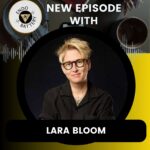
Complexity can feel like chaos when your symptoms don’t fit a single box. We open the door to a clearer map, tracing the connections between Ehlers-Danlos syndromes (EDS), hypermobility spectrum disorders (HSD), endometriosis, POTS, and mast cell activation—and why treating those intersections changes outcomes. With advocate and leader Lara Bloom, we dig into the history, the misconceptions that keep people dismissed as “just bendy,” and the momentum building toward smarter diagnosis and safer care.
We break down EDS and HSD in plain language: rare monogenic subtypes with known variants, a common hypermobile type still without a confirmed marker, and the growing case for a spectrum. Lara shares what the December 2026 diagnostic criteria aim to deliver—practical pathways, comorbidity awareness, and tools that make primary care a real point of diagnosis rather than a hallway to nowhere. We talk through the realities of access and privilege, from scans and specialist referrals to the time and money it takes to build a sustainable routine with sleep, hydration, strength work, and nutrition. Personalization is the point: what helps one person may flare another, and good care respects those differences.
Surgery and consent get the attention they deserve. For endometriosis, excision can be essential; for EDS, tissue and anesthesia considerations demand planning. We outline airway precautions, suturing choices, nausea prevention, and rehab strategies that make procedures safer. Most of all, we advocate for informed consent grounded in listening—because the details patients carry are often the exact details that keep them safe. Looking ahead, Laura shares why she’s more hopeful than ever: biobank growth, immune dysregulation research, potential biomarkers, and partnerships that bring policy, medicine, and lived experience to the same table.
If you or someone you love is navigating EDS, HSD, or endometriosis, this conversation offers clarity, language for advocacy, and concrete steps to use with your care team. Subscribe, share this episode with a friend who needs a better map, and leave a review telling us the one change that would make your care safer today.
Website endobattery.com
Framing Complexity And Today’s Focus
SPEAKER_02
0:00
What happens when your body doesn't fit neatly into one diagnosis and care hasn't caught up yet? Today we're talking about Ehlers-Sanlow syndrome or EDS, endometriosis, and the growing recognition that complexity isn't a flaw, it's a signal. With new diagnostic guidance emerging and more people being recognized at the intersection of connective tissue, pain, and nervous system disorders, this conversation feels a little overdue. So stay with us because this one's gonna connect a lot of dots. Welcome to Indobattery, where I share my journey with endometriosis and chronic illness while learning and growing along the way. This podcast is not a substitute for medical advice, but a supportive space to provide community and valuable information so you never have to face this journey alone. We embrace a range of perspectives that may not always align with our own, believing that open dialogue helps us grow and gain new tools. Join me as I share stories of strength, resilience, and hope. From personal experiences to expert insights.
Introducing Laura Bloom’s Background
SPEAKER_02
1:38
What makes Laura's work so powerful is that it sits in the intersection of medicine, policy, and lived experience. She spent over a decade pushing for patient engagement and global collaboration. Work that's taken her from grassroots advocacy to advisory roles with organizations like the World Health Organization, Rare Diseases International, and academic institutions, including Penn State College of Medicine. Please help me in welcoming Laura Bloom to the table. Thank you, Laura, so much for sitting down with me at the table today. It is an honor to be able to share this space with you as someone who not only lives with uh EDS, but also as someone who is exploring more about EDS and all its nuances, which there are plenty of. So it's such an honor to sit with you. So thank you for taking the time. Thank you. It's really great to be here. You know, I'd mentioned earlier that there's been so many people that have reached out to me with questions on EDS specifically. And I think to kind of get a good background in what you do, can you just kind of explain to us who you are
Laura’s Diagnostic Odyssey And Pivot
SPEAKER_02
2:44
and how you got into this space specifically?
SPEAKER_00
2:46
Yeah, absolutely. So I have been working in this space now for around 15 years. I had my own diagnostic odyssey, uh, trying to find answers to everything I was living with uh for about 13 years. Uh so I was symptomatic from the age of 11 and I wasn't diagnosed till I was 24. And I was a photographer at the time in a very different world to this, and realized quite quickly through how I was living and experiencing life as a photographer that it really wasn't conducive to my symptoms and my pain and the ability to stand for long periods and carry uh uh carry heavy equipment. So I knew I had to make a kind of career shift and a pivot. And I've always been very someone who's very ambitious and I wanted a career. I wanted to do well at something, I wanted to love what I do. And so the other interest I'd always had is kind of politics and international relations. And so at 30 years old, I took myself back to university to do a second degree in global politics and international relations with the plan to do something in that area. And actually, as I've said, many people may have heard, I actually wanted to be a spy. Now that was the dream. Um so everything I was doing was kind of gearing up to doing that. And at the same time, uh, so this was kind of the end of 2009-ish, things were getting worse with my EDS. I was quite symptomatic with POTS, and I had never met another person with the condition. You know, I'd been diagnosed at that point for quite a few years, and I tried to look around for anything that could give me some kind of support, some kind of answers in the UK, and there was nothing. And I ended up going to the US to an EDNF conference, and I met people with the condition for the first time, and I was just like, wow, wouldn't it be amazing if there was something like this in the UK? And I came home and I spoke about it to Professor Rodney Graham, who was my doctor at the time, and he said, What are you talking about? There is something. There's the Ellis Dano Sport Group. And I said, Well, I didn't find them online, I didn't see any events they were doing. And they were there on about three or page three or four of Google. I finally found them and reached out and I left a message on a voicemail,
Building UK And Global EDS Advocacy
SPEAKER_00
5:02
and I hadn't didn't hear anything back. And I kind of gave up thought of that. I was like, okay, well, at least I got to have that experience. And then completely coincidentally, I went to a Getty Images uh gallery event. I worked at Getty Images, that's where I worked as a photographer and in the photography space. And I met a friend of a friend of a friend, like someone I'd never met before, and we got talking, and he said, How come you've left Getty? And I said, Oh, it's a long, boring story. I have a health condition you never would have heard of. He said, Try me, and I said, I've got EDS, and he said, Oh my god, my daughter died of vascular EDS when she was 19. Our worlds just collided in that moment, and we were just talking and talking. It was the first time he'd met another person with the condition, first time I'd met another person with the condition in that country. We just talked and talked, and we both said that we'd reached out to the charity in the UK and not heard anything back. And we said, let's try again. He wanted to donate some money, and I had all these ideas of what they could and should do. And so he said, Do me a favour, just as a patient that was searching for them, write down on a piece of paper everything that you wanted from a UK charity. And so I did, and then we finally got hold of them and met them in a really cold church hall in countryside in the UK, and in my way, arms flapping everywhere, I was like, I think you should do this, and I think you should do that, and I think you should change your name to EDS UK. I never found you online. I think you need Facebook pages, I think you need hoodies, I think you need conferences, and just reeled off all these ideas. And at the end of my spiel, this gentleman said, Well, I know I've wanted to donate some money, and I know you're about to embark on a degree and you wanted some part-time work. So how about I fund your salary for the length of your degree and you do everything you can to help them, you know, check off some of the items on this list. And I was like, Whoa, you know, I have no experience in that. I've never done anything like it before. And he said, Well, you know, ultimately, you know, who better than someone that knows what the need is? And that was really my first notion of the power of lived experience in that moment, that it can actually bring so much and have so much value. And that was 15 years ago, nearly 16 years ago now, um, that that happened. I ended up running EDS UK. We ended up going from just me uh and to a team of I think six people when I left. 2015, when I did finally leave, it was because I realized that to try and fix this systemically, we needed to look at it through a global lens. And so along with EDNF, we set up the Atlas Daniels Society, um, which this year has its 10-year anniversary. Um, and I guess I never did become a spy, or this is the best cover story in the world. So you choose which one. But I I love my career, I'm very grateful for it. I can't believe along the way I became a professor, CEO, uh running a global organization. We have a team of 40 people now working with us. It really is a dream come true, and I pinch myself every day. But ultimately it all started with lived experience.
SPEAKER_02
8:09
Yeah, I mean, I I feel that to my bones as someone who runs a nonprofit myself, just how far passion can take you when you have lived experience because you we want to make it so
Purpose, Burnout, And What Sustains The Work
SPEAKER_02
8:21
much better for the next generation. What keeps you grounded in this work though? Because it is exhausting. That is one of the things that I've learned the last couple of years in starting charity work is that it's exhausting. What keeps you grounded in this?
SPEAKER_00
8:32
It's really hard to say really what kind of does keep you grounded, but I think it's the passion. And you know, I I've spoken to a lot of people on nonprofit, and this is saying that once you start working for a nonprofit, it's addictive and you can't go back from that world because doing a job that you get paid for that actually helps people. I mean, why else would you want to do anything else in this world?
SPEAKER_02
8:54
Right.
SPEAKER_00
8:54
And there is so much need, and there it was so embryonic when I came into this, considering it's a disease that's been around for God knows how many years.
SPEAKER_02
9:04
Right.
SPEAKER_00
9:05
So much that had to be done, and I felt perhaps naively that I could actually help and I could fill some of those gaps and address some of those needs. And it's really been with a lot of you know, talk, whatever you want to call it, that's got me here. But I've had a really clear vision of what was needed.
unknown
9:22
Yeah.
SPEAKER_00
9:22
And I knew that it needed collaborators and it needed multiple people around the table. This is by no means my solo quest, far from it. If it wouldn't, it takes a village, that's saying, and it's so true. And without the incredible doctors, community members, staff members, I mean volunteers, everyone and anyone in between that's made this possible. But it has to start with a vision, and that's something that I was able to have and still do have such a clear vision of where we need to keep going and getting to. And luckily, people have aligned with that, and it's you know, it's coming, it's coming together. But I think I'm a little bit of a workaholic. My wife tells me I am. It's very, like I said, addictive. Um and I love it. God, I love it. I just I love the people I get to work with, all of them. There's just no exception. I have the most amazing team, external stakeholders that I get to work with more in the patient engagement space, incredible people, our healthcare professionals, academics, clinicians, researchers, amazing people. You know, it's just a joy to turn up to work every day. And I get so much fulfillment out of it, and it's incredibly satisfying. So that you know, I just had two weeks off for Christmas with family, and I could not wait to get back to work. And that's no reflection on my family. I love them. I was so excited, and how wonderful! Because it is exhausting. The hours are ridiculous. I travel so much, I have I make so many compromises, I miss out on things. And if I didn't love it, that would be really challenging. But I never feel it because I love it so much.
SPEAKER_02
10:56
I think that's similar. You know, I think there's there's something to be said. This work asks people to stay present with complexity and to not look away. And I think that it's really hard to look away when there's so much work to be done in a space which oftentimes gets ignored in the bigger scheme of the medical system. And so I think that's why for many of us who have this passion for these conditions that are hard to understand for many people, it keeps that that drive going forward. But it yeah, it long hours, a lot of long hours. And you're still a spy, you're just using your investigative spy skills in a different way.
EDS And HSD 101: Types And Criteria
SPEAKER_02
11:40
Yeah. Can you give us just a quick overview of EDS and what it is and how the different subtypes vary? Brief overview of that so that we have a good groundwork moving forward.
SPEAKER_00
11:53
Absolutely. So there's the Ellis Downlos syndromes and there's hypermobility spectrum disorders. And EDS, there's 13, 14 types, depending on what paper you read. But the 27 type uh 2017 criteria is 13 types of EDS, all of them but the hypermobility type are rare and ultra-rare, and we know the pathogenics of the disease-causing variant in those. You can have a genetic test to get diagnosed with them. But the hypermobile type, although there's been a lot of advancement in that area, we still don't yet know the marker behind it, and we also believe it's not rare. So that one is quite prevalent, as with the same with HSD. And there's also been a huge body of work going into at the moment actually seeing if heads and HSD are one in the same condition. And it's thought from early outcomes of that research that they are, and they sit on a spectrum that they are one condition, and that will all be published, and uh we will have an updated diagnostic criteria for all of EDS and HSD in December of 2026 this year. Um got to get used to saying this year. Um, so that's really exciting because we've waited since 2017 for that, and prior to that we waited two decades. So um we're really ramping up how often these get done and giving, I think, the community what they need, which is answers and more clarity, because the 2017 criteria is far from perfect.
SPEAKER_02
13:14
Yeah. Why what do you think is the biggest misunderstanding about hypermobility and why it's minimized?
SPEAKER_00
13:22
I think historically hypermobility has been seen to be something quite benign. And it's really difficult to educate people, but it's even harder to re-educate people as to what it actually means. And what do we mean, you know, by EDS and HSD? Well, largely it's it's a connective tissue condition, which we believe is, well we know for the rarer types is is genetic, and we believe there is an element of it that could be genetic with hypermobile EDS and HSD as well, but we have yet to prove that. And it impacts everything from your head to your toe and all the systems in between. And you see a lot of comorbidities, some consistently seen, others not so consistently seen. And it's hard to always know what are related to EDS and HSD and what are just occurring in the population. But there is this sense that it just means you're a bit bendy. And we know now, and there's a ton of published evidence out there that tells us it's
Hypermobility Myths And Systemic Impact
SPEAKER_00
14:18
much, much more than that. It's you know, GI issues, it's ENT issues, it's mast cell issues, it's bladder issues, it's you know, gyne issues, it's it's really so many different things. And within each of those is a spectrum and it affects people differently. Yeah. And then of course, that's that's largely hypermobile EDS and E and GSD. And then with the rarer types, there's obviously a lot more severe complications that you can see as well.
SPEAKER_02
14:43
Yeah. And I think, you know, we're seeing more people being diagnosed with both endometriosis and EDS, often alongside POTS and mast cell activation. What's the current understanding of why these conditions overlap so often? Is it connective tissue dysfunction that's being shattered and, you know, stretched, or do we know?
SPEAKER_00
15:04
Well, I, from personal experience, I wish we knew. I was diagnosed with endometriosis before my EDS. Um, I've had multiple surgeries. I had my bowel stuck to my uh pelvis on one occasion and had to have surgery for that. And it it's always not really been understood why there is, or if there is actually any correlation, or we're just picking up anecdotally, you know, two occurring things. But then you go back to the fact that if we're talking about connective tissue adhesions, all those things, you know, is there something that could be behind that? Because we do see a prevalence of that, and we can't explain it or understand it. And the answer always is more research is needed. And so it's finding funding to do that research. And but it's very hard even to do that research without knowing cause. So you can through data perhaps say there is a prevalence, but you can't say why. And until we understand the cause, and there is a lot of really exciting research coming out around immune dysregulation and understanding that, and I think that's going to yield a lot of answers for us long term. And perhaps once we have more answers in that area, we can start to look into these more nuanced comorbidities that we see. You know, it's my personal experience. I had endometriosis from a young age, I had polycystic ovras as well, and I've
Overlap With Endometriosis, POTS, MCAS
SPEAKER_00
16:26
grown out of both. Why? Is there a reason? Did I start doing something holistically for my EDS that actually in turn helped um my endometriosis? I don't know, and it's very hard to know. I was on DiNet on the pill for, you know, many years, 15, 20 years, and then stopped and have only recently in the last few years started having periods again and been okay with that. So it's it's very odd to me why that's changed over my lifetime. Um and I don't have any answers for that in order to doctors, other than great news. Um, and it is, it's great. But is there a pattern to that? Have I started doing something that helps my EDS that actually has helped that? Who knows? It's difficult.
SPEAKER_02
17:10
Well, and part of that too with endometriosis is because it is so inflammatory. You know, we talk about inflammatory or nervous system dysregulation that factor into pain and inflammation and fatigue. And there's a lot of cross-section with endometriosis symptoms and EDS symptoms. And I think that we oftentimes don't recognize or we can't recognize the difference between the two because they kind of correlate together. My personal experience included in that, because I was diagnosed with endometriosis long before I was ever diagnosed or even heard of EDS. And so for me, it was very much in that, you know, understanding one disease beget understanding another disease. And it was very nuanced to a lot of people and still is very nuanced to a lot of people in trying to understand and I don't want to say separate, but see this as something more than just being bendy or just having a period problem, which is we know it's a systemic issue. And so with both being a systemic issue, I think it's becoming a lot more talked about in the inflammatory state and you know, the gut microbiome and all this other stuff. There's a lot of conversation surrounding this, which is exciting to hear more than just what's been done in the past. I think we're looking at this more holistically, which is exciting to me to be able to see that. But I'm right there with you in that in that process for sure.
SPEAKER_00
18:37
Yeah. I think it, you know, there's there's so much holistically that you can do to help your symptoms. And I think that that comes with privilege. So I spend a fortune keeping myself well and how privileged I am to do that. Most people cannot afford to do that. I have access to the world's greatest mind in these conditions that I can chat with over coffee. No one has that really at their fingertips. And and I'm not talking about me as a patient to them, but you just by talking about the condition, you are you are then gaining knowledge that can help you in your journey. And you know, I never forget the privilege I have in my position. And that's why when people say, How do you live the quality of life that you lead? Privilege, honestly. Um and I'm not a very financially privileged person at all, but the things I can afford private healthcare in the UK, if I relied relied on the NHS for anything, even my endometriosis, I would have been screwed, honestly. Right. Yeah. All my care, other than acute issues that I've had over the years, thankfully, not many, have been privately. I can get scans tomorrow. I can get an upright MR MRI to check things next week. And like there's people having to travel out of the country to do that, and it's not fair, and it's not equitable. And so I am not a good example of what is usual in this condition. I get To afford to buy supplements. And I recently started testosterone
Privilege, Access, And Self‑Management
SPEAKER_00
20:07
gel because my testosterone is so low. I had the privilege of knowing that because I paid for a blood test. And I would never have known other than that. And that's being looked at anecdotally that that could be a management tool in EDS because anecdotally they saw in trans clinics that female to male trans patients improve so much because of their testosterone that we now want to do research to find out could a very low dose, I'm on a very, very low dose of gel at you know every few days, but it has made a difference of my ability at the gym, of my energy, and I have to pay for that. And it's not cheap. And you know, all of these things come at a cost, and we shouldn't be the ones to bear it. I have to sacrifice so many things to keep well, you know, the gym membership, all you know, saurnering, all these things that and it's not also just a financial privilege, but it's a time privilege, you know. So the time it takes for me to be able to fit that into a working day, I have to get up at the crack of dawn. And it's just relentless. And it's so hard, it's so much hard work to keep well. And I think people who have the luxury of health don't realize what it takes to live with a chronic condition and the upkeep financially, physically, emotionally, and mentally to stay on top of it. And it is so much easier to eat what you want, not go to the gym, not sleep. Like I run my body like a machine to function the way I do. I have to have seven to eight hours sleep. Like I'm an I'm so like my aura ring. I'm like, has it am I okay? Like it tells me before I know how I'm feeling. My my fluids, you know, I've got all my different drinks on the table, and you know, like what I'm drinking, what I'm eating. I I eat like really boring stuff, the same thing every day. I'm all about the microbiome at the moment. So I'm really focused on the blue zones diet, beans, seeds, nuts, you know, largely plant-based. And that's really what's made me feel so much better. And in the last year, it's been quite dramatic, the difference that I've felt. And I'm nearly 46 now, and on paper, what I what is wrong has increased. But the reality is I've got a much better quality of life because of the things I've been able to do with it, and it's just so frustrating in the seat that I I'm in to look around the world and see that I am probably in the 1% of people who are able to tackle those things in the way that I do. And it's unfair and it's not how it should be. And that is why I work myself to the bone to try and make it more equitable and fairer for people to also be able to access those things.
SPEAKER_02
22:48
Yeah, I and that is exactly where I'm at with, you know, even in my care, the privilege behind it, the fact that I get to do this and I, you know, to be able to talk about it and to be able to navigate this care in a way that most people aren't going to be able to. And part of that is that knowledge, right? Part of that is the understanding of the various ways that you can live with it and understanding the disease at its core, right? And I'm very privileged in that. And and same with you. I mean, I see myself so much in what you're saying because just like you, we become we're professional patients in a way, right? We will never be 100% what society calls 100%.
SPEAKER_01
23:31
Yeah.
SPEAKER_02
23:31
Our 100% looks way different than someone else's. And oftentimes I'm happy with 80%, if we're being honest, you know. And so I think from from that perspective, it's such a luxury to have knowledge and it shouldn't be that way. Knowledge is absolutely. Absolutely. And the ability to do something with that knowledge, you know, I think that is part of the struggle when you have things like endometriosis and EDS, is that we have this knowledge, but what do you do with it when it's such a costly endeavor just to live and survive? And like you said, time, money, management,
Individualization Over One‑Size Advice
SPEAKER_02
24:10
all of it. It takes so much to just survive on the day-to-day. And to have that privilege, I don't take that for granted at all. That is a huge, huge privilege to have that, you know. But I think I'm hopeful that maybe there's ways that we can make it more accessible to others, which is why I'm sure for you, why you're doing this and why I get to do this is so that I can make it more accessible to others in a way that's tangible. You know, I'm just I love hearing that from your perspective too. So I just like, oh gosh, you I you stole the words right out of my mouth.
SPEAKER_00
24:43
It's really hard. And it's really hard when you have, you know, a presence on social media, for example, and you have, you know, I've got a quite a few followers on Instagram. And I have to think so carefully about what I post because the second I post even a screenshot of a meal I've just eaten without thinking, everyone's like, where did you get this? Where did you know? I posted my walking pad and my desk the other day. Can you send me links to the walking pad and the desk you and I'm like, ah, you know, and and it's people think that if they then do exactly what you've done with exactly the same tools, that they will be okay. And everyone's experience is so different, and it really isn't a given. You know, that there's people that their lives have changed with yoga or swimming. I I couldn't feel worse when I go swimming, like it's just the worst thing for me, and yet, published and anecdotally, so many people benefit from it, and you've got to find what works for you, and so there's such power in in the position I have that I have to be so careful of because people will think that my experience is what they should do, and you've really got to take responsibility in that and ensure that you're always saying, This is my personal experience, please consult a medical professional because I know from experience that everyone is different, and even beans, for example, like a lot of people with EDS have IBS, GI issues. Some people that eat the level of beans I eat, you know, and it took me time. Don't get me wrong, like sometimes it's not pleasant, but like you know, it can really impact people's mast cell and GI and and bad, you know, microbiome in a bad way. And so you've got to find what works for you and not be reliant on forums and social media to define exactly what you'll do. They should inform you so that you know what your choices and options are for the you then to work out and try what works for you. But ultimately, we're living with a condition
Health Systems Built For Acute, Not Chronic
SPEAKER_00
26:35
that has no therapeutics, it has no medication. There's lots of management that can be done, but until we know what's causing it, we can't work out how to treat it. So we're closer than ever before, but there's still yet time that we would need to wait. I think at least a couple of years. Yeah. Until we really have true answers, true testing, where we move from the gray into what we should be with our logo, which is black and white.
SPEAKER_02
27:02
Well, and I do think like a lot of healthcare tries to make it so standardized that they're missing a lot of those nuances between people. Like we are so individualized in our care, or should be, right? In what some people have success with and what others have success with. And I think a lot of the health system misses that individualization of healthcare and trying to symptomatically even, you know, well, that doesn't sound like EDS or that doesn't sound like endometriosis because it's not this, it's not X, Y, and Z. And and they don't always look the same for everyone, and that you can't treat them the same for everyone. The same treatment's not going to be effective for one as it is for the other. And so the nuances of that I think are are challenging and you know, something that you had mentioned earlier is that these guidelines are shifting and changing. And can you give us any light into how that is shifting and changing to encompass just the various aspects of living with EDS?
SPEAKER_00
28:08
Sure. I think, you know, firstly to echo what you're saying, our healthcare systems globally are built for the acute and not the chronic. And that's fundamentally the problem we have when it comes to pathways and funding and the reality of how things are. And that's not unique to EDS. That's with a lot of rare and chronic conditions. We are just not serviced in the way we should. So the criteria can't solve that. But what the criteria hopes to do is make it a lot easier for people to be diagnosed when their symptoms begin. As part of this publication, we're also going to be publishing diagnostic pathways, which are ultimately red flag pathways to get people to where they need to get to. Primary care can be diagnosing EDS. You know, there is no such thing as an EDS expert. It's someone that's willing to learn and listen. And that's really all it all there is to it. So we hope when we we're armed with this new criteria, we are spending more time and money than we ever have on disseminating out to who needs to hear it. On a
What The 2026 Criteria Aims To Fix
SPEAKER_00
29:06
policy level, on a healthcare systems level, on a healthcare education level, we really are going all out because there is still just dire lack of awareness, education, understanding, belief, validation. I mean, everything. It's just uh crazy that we are still in the time that we are, you know. Celebrating our 10-year anniversary, yeah, you can see a big spit spike since we'd launched of many things, but are systemically things different? No. And that's really heartbreaking actually. Um, because you want to do more, but you have to accept the challenges we have and the barriers we have and keep going, keep fighting. I'm optimistic and hopeful about the criteria. I think it's going to be looking at bringing in comorbidities for the first time, which I think is much needed, and representing really the reality of what people live with and are facing and make it easier to get diagnosed by any healthcare professional. That's the hope. You know, if we can get to a world where people are diagnosed when their symptoms begin, then I think the outcomes of life quality and in some cases with the other types expectancy will be much, much better.
SPEAKER_02
30:13
Yeah. How have patient voices in lived experience shaped these updates?
SPEAKER_00
30:18
Oh, hugely. So we have um members on the Road to 2026 committee, myself included, who have lived experience and at least three others. Um, we have done a survey to the community of nearly 2,000 people bringing in their experiences in all areas of living with this condition, financially, emotionally, physically, you know, everything, um, which is being published as part of this. So that's really a key part. The consortium are the people that are writing these updates, and in every single working group of the consortium is a lived experience voice as well. So that's been part of it. Um, and many, many, many of our healthcare professionals live with the condition too. So we've done Delphi's and we've done various things, and it's reached
Lived Experience Shaping New Guidance
SPEAKER_00
31:03
people living with it and caring for people living with it. So we're proud of how we have incorporated lived experience into this entire process.
SPEAKER_02
31:11
Yeah. And I think hearing that voice of the patients makes it that much more impactful. I mean, you can't learn if you're just going into it on a clinical basis without listening to the patients, and that's across the board. What's one of the biggest misconceptions about diagnosing EDS and hypermobility? You hope the guidance finally corrects. You said that primary care can do it, but is there like a diagnostic criteria that is changing that will help some of that misconception?
SPEAKER_00
31:40
I think at the moment, when when unknowing primary care doctors or any discipline really here EDS, they're scared off by it and they push them in the direction of the geneticists. And at the moment, for head and HSD, they shouldn't be seeing geneticists. That's not the area of medicine they should be going to because we don't have a genetic test yet.
SPEAKER_02
31:59
Right.
SPEAKER_00
31:59
So we want people being pointed to the areas that their symptoms are in and to primary care and to generalists. So I'm hopeful that this will scare people less and make it more accessible and less of an overwhelming thing to deal with. I think also if we remove that stigma of rare from heads and HSD, it will make it more accessible to people. I think when people think rare to rare disease, and heads and HSD aren't. And the purpose of those red flag pathways are to point those living with the rare and monogenic types to experts and specialists and geneticists because that is absolutely what's needed. So it kind of filters out the people that should maybe scare you and overwhelm you and leave you with the people that you can absolutely manage. So that's the hope that I I believe will come from this.
SPEAKER_02
32:49
Yeah. Well, and I and talking about those that are a little more rare, we're also hearing more about like the vascular compression syndromes like Mae Thurner or Nutcracker. Are those part of the evolving picture as well? Or is that a different subset completely?
SPEAKER_00
33:04
So it's a tough one, that because we are hearing it more, but we can't explain why. And again, are
Primary Care’s Role And Red Flags
SPEAKER_00
33:10
we actually talking about such a prevalent condition that it's not prevalent? You know, it's like mitral valve prolapse.
SPEAKER_02
33:16
Right.
SPEAKER_00
33:16
Did we just find it because people were being scanned versus it actually being associated with EDS? So it's the same with these other things that more research needs to be done to understand is this a sub subtype? Is it a a smaller collection of people where you see, you know, it presented X, Y, and Z. All of that work will be post this publication, I believe. This is going to give us the framework of how we then move forward. But even with all the biomarker work that's coming with Het and HSD, we know that there will probably be a lot more categorizing and phenotyping and types that come beyond this classification because of the work that's being done. So it's a little bit of we have to be patient. We're not gonna get to everywhere like this publication, we're gonna get a much further than where we are now.
SPEAKER_02
34:06
Yeah, and that's helpful. How should how should clinicians actually use the guidance in practice? I mean, that diagnostic process is is challenging.
SPEAKER_00
34:15
Yeah, so we're gonna have this pathway ultimately that is there. And the reason we launched our app is to actually have the diagnostic pathway living on there, so it's a really easy tool for all clinicians to use in clinic. And so then we haven't had that before. We've only had a checklist, and even that checklist has improved things so much. So we're optimistic that an official pathway and bringing in the spider as well, that's another diagnostic tool that's underused at the moment, but is incredible, help incredibly helpful. So we're just going to be giving lots more tools, making it really easy to find them, making them translated, you know, into other languages, and just making it really easy for doctors to find what they need to help these people. That's incredible.
SPEAKER_02
34:55
I'm excited to see how this transforms the trajectory of
Vascular Compressions And Future Phenotypes
SPEAKER_02
35:00
EDS and it's in understanding it more in the future. Like it's exciting to hear it. It's it's action in motion. And I love that so much. Even with the updated guidelines, many of us still find the diagnosis doesn't open doors and sometimes it closes them. And for me, I can attest to this in the sense that I honestly didn't want my diagnosis in my chart for a long time. And the reason for that was is that when a practitioner, whether it was a specialist or even a family care doctor, saw that I was hypermobile or had EDS, they wouldn't see me as a patient, even if it was unrelated. But they were so scared of treating someone with hypermobility. And it's a little frustrating because I'm like, I just want basic help with something. Why do you think providers hesitate to treat patients once EDS appears in the chart? And how can we change that?
SPEAKER_00
35:54
Because they're overwhelmed, because it's such a multi-systemic condition that it's overwhelming. Like I said before, it's head to toe. And so that in front of a clinician is is overwhelming with them working within a framework that doesn't support chronic health. They have budgets, they have time frames that they have to get things done by, and that doesn't work with chronic health. That's why I said the biggest issue we face is our healthcare systems are not set up for the chronic, they're set up for the acute. And that really is the underlying issue here with everything. So, you know, once we've got the new criteria, we're going to attempt to tackle some of these problems, knowing that they are so much bigger than us. And so there's only so much we can do, and we represent a global audience. So we're not just talking about one country, and every country and jurisdiction has different insurances and you know, healthcare systems. And so it's a it's a real challenge. But I think ultimately we need to dispel the fear that is there for clinicians about these people and say you can actually make a difference to this person's quality of life by
Putting Guidance Into Practice And Tools
SPEAKER_00
36:58
pointing them here, sending them to our website, you know, because we've put the effort into collating all of these resources that actually help people. Um, and we're looking to build more and more of those. You know, ultimately people can access a better quality of life through finding things and through those networks, not necessarily relying on a doctor to tell them everything. But I think that bridging and that, you know, signposting is so important, not just to us, but from us as well.
SPEAKER_02
37:25
Yeah. For those that feel that pressure to hide the diagnosis just to receive care, how do you balance safety with transparency? I think, you know, I think this will shift and change, but I do think there is still that stigma until that point. How do we do that with safety? Because people with HEDS have to be treated slightly different with certain care. So we have to be safe in our care at the same time.
SPEAKER_00
37:53
Well, I mean, listen, I would always push for transparency because of that very reason. But ultimately, if that is really preventing care, then there's a problem. We are doing our best to understand why that is. We're hoping to do a really large-scale survey to healthcare professionals outside of our world to try and understand why it is that there is that reaction to try and prevent people from thinking that they do have to hide it. I wish I had a magic answer for you, but I don't. We're we're ultimately spinning in a world that doesn't serve us right now. And that is the reality.
SPEAKER_02
38:28
Yeah. It is, it's um, it's an interesting thing to want a diagnosis to know how to advocate for yourself and have people who understand the disease, but because of the healthcare system
Stigma After Diagnosis And Access To Care
SPEAKER_02
38:42
they work in as providers are not allowed to treat people with these conditions. And it's it's incredibly frustrating. You know, I've experienced this. Several people that I talk to experience this, but I do think, you know, for many of us, being transparent is going to ultimately be safer. You know, it just there's so many challenges when it comes to, for instance, those of us with endometriosis, we talked about surgery. Surgery is one of those things that many of us with endometriosis have. And it's not optional for some people just to be able to live. But when EDS is part of the picture, it changes that conversation. Given how common surgery is for endometriosis, what are the considerations that people should make when they have EDS?
SPEAKER_00
39:29
I think that's really difficult because prior to my EDS diagnosis, I had so many surgeries, mainly abdominal related to my polycyticobis and endometriosis. And I've almost had none since because I know that surgery is not the friend of EDS. Right. Now, there are some exceptions to that, one being things like endometriosis, where you do need to have some adhesions removed sometimes, and that's just reality. And the other being bony surgery. So I've had both my wrist fuse in it. An incredibly successful surgery. I've had you know tissues repaired and they've torn again five minutes later. So I think anything tissue related should should you know where possible be avoided. But there's again there's the ideal and there's then there's the reality of it. Um if you need surgery, you need surgery. And I think, you know, again, there's resources on our website that you can give to surgeons to for what they can think about from everything from jaw dislocations when interbating to stitching, suturing, you know, anesthetic, local anesthetic not working, general anesthetic causing more nausea and side effects. And there are those considerations to make, but there's you know, it's not like you can't have surgery, and there's people with beds that have to have life-saving surgery, it's just kind of do it in the best environment that you can. And again, that comes with transparency and feeling like you can tell your surgeon those things. So again, I've always been very, very lucky that I've had EDS aware, or even when they're not just willing to listen. And I think that's largely again, I've been lucky on some occasions,
Surgery Considerations For EDS And Endo
SPEAKER_00
41:08
and some of them has have been because it's private health, you know, and they listen more, more. I don't know why, but they listen more when it's private.
SPEAKER_02
41:16
Interesting. See, and our system is so different than that because we don't have as much of the that structure. We have the insurance structure. So it's whether it's covered by insurance or whether it's not covered by insurance. And we're finding more specialists can't survive in the insurance model. And so they go private pay. And so it ends up being a very costly endeavor. But even at that, I think that there's a lot of times that from my experience, I can tell you, like, even having a lot of the knowledge I have, they kind of look at you cross-eyed sometimes if they aren't as familiar with what you are talking about, whether it's endometriosis or EDS or whatever. If they don't have a deep familiarity with it, they will often be more dismissive, in my experience. And that's not to say that's true for everyone. I I just, you know, it's been an interesting dynamic when I walk into the room with good knowledge and they're like, especially for endometriosis being one that's very misunderstood and has various definitions depending on who you talk to about it. So it is a little bit more challenging to to talk about that um with certain providers. But in that context, what should informed consent look like when complexity exists? Because when we're talking about these surgeries and we're talking about care, true informed consent um is is challenging to get in and of itself. But when complexity is there, what should we look for?
SPEAKER_00
42:43
I mean, it's so difficult because again, it's it's what what should you look for and and what do we uh unfortunately settle for? Because what do you do if you don't get that? You know, so I think I think ultimately for me, one tool that I wish healthcare professionals were experts at in in consent, in listening, in caring for is listening. It costs nothing, everyone can provide it, and the amount that that is lacking is astonishing. And that's where lack of validation comes from. That feeling of informed consent, that feeling of patient-centered care, you know, it's because doctors aren't listening, truly hearing the experiences of the person in front of them, seeing them as a patient, and the term patient is such a paternalistic term and notion, and this person in front of you is under you. And I think that it's you know, that's why I very rarely use the term patient, and I always use lived experience wherever I can, because it needs to be an equal dialogue. And I just think that if doctors started from a point of listening instead of telling, everything would be better.
SPEAKER_02
43:56
Yeah, if they come in barging in the door, telling you, doing more talking than you are, there's probably a problem there. That's from
Informed Consent Starts With Listening
SPEAKER_02
44:06
experience on that end. When someone's managing endometriosis, EDS, POTS, MCAS, what treatment and care considerations are most often missed?
SPEAKER_00
44:16
I think the multisystemic nature of it, so the fact that all these things can coincide at once, you know, you can go to a doctor and be like, I've got a disiccating, painful knee, and I'm really tired and my heart's racing, and they're like, Okay, well, they're three very different things and they're not connected. And I think that's why diagnostic odysseys are as long as they are. So I think that that's the biggest problem. And I think that also when you tend to have one issue, everything is then blamed on that issue. So if you have EDS, then they wouldn't think about endometriosis because they'd just be like, oh, it's your EDS, and vice versa. So that's also something to think of. And these and the other things that are totally unrelated to your health condition need to be considered as well. So it's I think there's lots of reasons for it. But again, it goes back to that chronic health piece that doctors and and everyone are looking for those acute issues. Are you gonna die? If not, you're someone else's problem. And people just keep being pushed and pushed to the next person, and no one is actually solving their problem.
SPEAKER_02
45:17
No. I would much rather a provider say, I don't have all the answers to this, but let me look around and see who might. And I think there's that, I've said this before, but there's that lack of curiosity sometimes because of the time constraint, because of the budgetary restraints for providers, that sometimes we miss those small, simple words and that push for better care. That's something that, you know, I think a lot of specialties often will they do get right because within their specialty, they're looking at all the the different pieces of the puzzle. Um, but they can't work in silos either. When you're working with a multi-systemic disorder or disease, you have to be able to look outside of one system. And I think that's probably one of the biggest challenges. And that's where that health privilege comes from, right?
Managing Multisystem Complexity Without Silos
SPEAKER_02
46:06
We're very privileged that we can talk to different providers, that we can seek out different care, whether it's a physical therapist or a, you know, rheumatologist, whatever the case is. But if you don't have that, that's where that gets a little bit challenging because they tend to work more in those silos and things get missed along the way. What are you most hopeful for moving forward? Are there new technologies, new things happening that are going to maybe help these patients in the future with better quality of life? Are you hopeful for anything coming up?
SPEAKER_00
46:38
I am hopeful, more hopeful than I've ever been. I think there's a lot of momentum finally coming together. We've funded a lot of research over the past few years that is finally building the, you know, we've got other places like the Norris Lab who are using our data and our samples to also do some really exciting work. Um, I think we're closer than ever to a biomarker and understanding the kind of pathophysiology behind these conditions. That will then lead to therapeutics and understanding. So I think that that's really promising and exciting. I think this diagnostic criteria will give this condition a lot of credibility and access and reach that it hasn't before. And I think we've got the connections, the networking, and the funding in place for the first time to work with external stakeholders that can really help us address some of these issues. So I think it's an exciting year. We're excited to announce lots of partnerships and exciting things that are coming. I can't yet talk about, but um, it's uh it's gonna be a big year. It's our 10-year anniversary, so it's uh really is exciting. We continue to recruit into our Biobank, our Global Biobank. We've got various opportunities to do that around the world actually this year, and we're gonna be announcing information about that. We've got our global learning conference in uh Dallas in the USA that's gonna be celebrating our 10-year anniversary with lots of exciting things. Biobank enrollment event at that event as well. Yeah, lots, lots coming up. I'm exhausted thinking about the next two years, but it's gonna be it's gonna be good and I'm hopeful.
Momentum: Biomarkers, Biobank, Partnerships
SPEAKER_02
48:10
Yeah, it feels like you're just dingling a little carrot in the front of us, though. Just I know. But it is exciting because I feel like there's actually conversation surrounding this in a positive way. I think that we can get stuck in like the some of the negative aspects of it, but there is a lot happening. You've done an incredible job at navigating better ways to bring hope to these patients, which honestly, like as someone who lives with this and is learning more about it, the more we learn from people like you, the better equipped we are to just navigate our health in general. That in and of itself is a gift. We should be hopeful for that. So I'm excited for that. But then everything that you're doing is profoundly impactful for those of us that are feeling like we're floundering oftentimes with misinformation and miscommunications. And so the way that you bring that clarity and the passion that you continue to push forward with is just I am leaving this conversation more inspired in what I do because of what you've been able to do. So thank you for for everything that you do.
SPEAKER_00
49:21
That's very kind and thank you for all you're doing as well. I mean, it's it's a uh it's a small world, the advocacy world, and we're all just trying to do our best. But thank you very much. And I think that this is a good time to be hopeful.
SPEAKER_02
49:34
Yeah, I think so. Well, thank you, Laura, so much for taking the time to sit down with me. And I'm excited to hear more when the guidelines come out, which is you said December of 2026.
SPEAKER_00
49:46
Yeah, this year now, less than a year to wait.
SPEAKER_02
49:48
And I'm excited for that. Where can people continue following your work and be on the lookout for these guidelines? Where can they find that at?
SPEAKER_00
49:58
So you can follow me, Lara.bloom l-a-ra on Instagram mainly and and LinkedIn as well. The society is LSH-Danlos.com, that's where all of the updates are released. LS.danlos on Instagram and Facebook and LinkedIn and all of that good stuff. So you can find us. We're pretty easy to find the Ella Danlos Society. Yeah, we're gonna be we're not gonna be quiet about it. So hopefully you will you will hear. And we're gonna be doing a free launch event on the day that it's published to tell everybody what it means because sometimes these medical publications can be a little bit uh weighty. So we're gonna be doing something that that reaches everybody and tells people what it means.
SPEAKER_02
50:41
Yeah. Oh, I'm excited to hear more about this. I think a lot of us listening today just needed to hear that complexity isn't a flaw. It's part of what makes us human. And that there are people working to make care safer, kinder, and more connected. And that's uh I'm excited to see
Where To Follow And What’s Next
SPEAKER_02
51:00
where that future holds for your for what you're doing. Thank you again so much. Thank you so much for joining us. I hope to have you back sometime once we get those guidelines and and to really break that down even more. So thank you.
SPEAKER_00
51:12
Absolutely. Thank you so much.
SPEAKER_02
51:13
Yes, until next time, continue advocating for you and for others.