
Send us a text with a question or thought on this episode ( We cannot replay from this link)
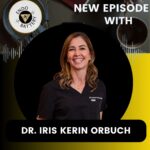
What if the most powerful shift in endometriosis care isn’t choosing sides, but connecting them? We sit down with Dr. Iris Kerin Orbuch—board-certified OBGYN, excision specialist, and co-author of Beating Endo—to chart a practical, compassionate path that blends surgical excellence with functional medicine, gut repair, pelvic floor therapy, and trauma-informed care. The goal: reduce inflammation, calm the nervous system, and help you trust your body again.
We unpack how endometriosis implants act like tiny inflammation engines, fueling fatigue, pain, gut issues, and autoimmune patterns. Dr. Kerin Orbuch explains why excision remains the gold standard for removing disease—and why it’s only one part of recovery. Through “prehab,” patients address SIBO, dysbiosis, sleep, pelvic floor dysfunction, and stress before surgery, often improving 20 to 80 percent and needing far fewer narcotics afterward. We cover the why and how of microbiome testing (breath tests and stool panels), building a supplement plan without overwhelm, and cycling protocols for lasting results.
The conversation moves beyond the abdomen to the brain-gut-pelvis loop. Stress and trauma can lock the body in sympathetic overdrive, tighten muscles, slow digestion, and amplify pain. You’ll hear concrete strategies: meditation habits that stick, pairing pelvic floor sessions with therapy to process memories safely, exploring low-dose naltrexone, and using sleep and nutrition as daily anti-inflammatory tools. We also address the systemic barriers—short visits, insurance limits—and how to build a team that truly collaborates.
If you’ve felt stuck between “just manage it” and “have another surgery,” this episode offers a third way: precise excision plus whole-body repair. Learn about the Iris Wings Sanctuary model and Forella, a new app co-founded by Dr. Kerin Orbuch to deliver trauma-informed, multidisciplinary guidance and real-world insights. Subscribe, share with someone who needs hope, and tell us: what’s the next piece of your healing puzzle?
Website endobattery.com
Bridging Western And Functional Care
Alanna
0:00
What if healing endometriosis isn't about choosing sides? What if it's neither surgery or supplements, Western or functional, but about finding where they meet, where science and intuition finally stop arguing and start collaborating? For so many of us, this journey with endometriosis has meant being told to just take a pill, try another diet, or learn to live with it. But what if true healing means looking deeper into your gut, immune system, your nervous system, your entire body, and realizing it's all connected. Today, we're sitting down with Dr. Iris Kerin Orbuck, a board-certified gynecologic surgeon, excision specialist, and co-author of Beating Endo. She's known for bridging two worlds, the precision of Western medicine and the wisdom of functional healing. Together, we'll explore what it means to treat endometriosis as a whole body disease, how inflammation, the microbiome, and even emotional trauma play a role in your recovery, and why healing isn't just about removing disease, it's about restoring trust in your body. So grab your cup of coffee or tea, take a deep breath, and join me. Because this conversation might just change how you see Indo and how you see yourself.
Meet Dr. Iris Kerin Orbuch
Alanna
1:20
Welcome to Endo Battery, where I share my journey with endometriosis and chronic illness while learning and growing along the way. This podcast is not a substitute for medical advice, but a supportive space to provide community and valuable information so you never have to face this journey alone. We embrace a range of perspectives that may not always align with our own, believing that open dialogue helps us grow and gain new tools. Join me as I share stories of strength, resilience, and hope. From personal experiences to expert insights. I'm your host, Alana, and this is Indobattery, charging our lives when endometriosis drains us. Today, I am honored to welcome someone who has truly shaped the landscape of endometriosis care, Dr. Iris Kerin Orbuck. Dr. Kerin Orbuck is the founder of Iris Wing Sanctuary for Endometriosis Surgery Wellness in Los Angeles, where she provides compassionate, individualized care rooted in both advanced surgical expertise and whole body healing. She is a board-certified OBGYN and fellowship-trained endometriosis excision surgeon, having trained under pioneers like Dr. C.Y. Lu and Dr. Harry Rich, names synonymous with the evolution of minimally invasive surgery. Beyond the operating room, Dr. Kerin Orbuck is known for her integrative approach, blending Western medicine and functional healing by collaborating with nutritionists, pelvic floor therapists, psychologists, and acupuncturists to help her patients truly heal, not just manage symptoms. She's also a co-author of the widely acclaimed book Beating Endo, How to Reclaim Your Life from Endometriosis, and her advocacy work extends beyond the clinic. She has served on the AAGL Foundation Board, helped lead the endometriosis special interest group, and contributed her voice to the groundbreaking documentaries like Endo What and Below the Belt, which have helped bring this disease into the public conversation and policy spaces. Dr. Kerin Orbuck's passion is clear to help people live productive, joyful, pain-free lives, and to ensure that no one with endometriosis feels dismissed or left behind. So grab your cup of coffee or tea and join me as we explore what true healing looks like when Western and functional medicine finally work together. Please help me in welcoming the brilliant Dr. Iris Kerin Orbeck to the table. Thank you, Dr. Kerin Orbuck, for just sitting down with me. I'm really excited for this conversation for so many reasons, but one of the reasons is just to hear your story as well as talk about all the things that you've learned in this journey of endometriosis and functional medicine, something that we can combine together. So thank you so much for taking the time away from your busy schedule to sit down with me today.
Dr. Iris
4:10
I'm so excited to be here.
Alanna
4:12
Love, love raising awareness. Really my favorite thing to do. It is a lot of fun. It is, I think being able to impact the
Lived Experience And Early Diagnosis
Alanna
4:20
lives of so many and make a difference for the scope of endometriosis is like one of the most enriching things that I do for sure. I enjoy it so much. But one of the things that I'm excited to talk more about is your journey into this advocacy. You talk about bringing awareness and bringing knowledge to those living with endometriosis, affected by endometriosis, teaching endometriosis, all of that. What brought you to this point?
Dr. Iris
4:49
Gosh, I think it's the shared experience with my patients and me getting onto the other side. And I mean, I from a young age, I grew up with a dad who was a cardiologist who was so passionate about what he did. He treated his patients like family, like they loved him. And I used to go on weekend rounds with my dad. And it was in very short order, I recognized how much he impacted everyone from the janitor when he walked into the hospital to the patients and their family and his fellows and everybody. Like he loved like the teaching and helping people. So sort of as part of my DNA from a young child. And then when I was in residency and I walked into the OR and there was an laparoscopic endo excision happening, I'm like, this is where I want to be. It's quite interesting because there was like an intuitive voice inside me, inside of me guiding me to go into endometriosis. And I'm like so grateful that I did it because when my older daughter was about nine years old and she was having debilitating gut issues, I'm like, she's got endo. Like I was because teens are my favorite. I love all my patients, but teens are my favorite patient population. And I probably see more teens than I think any of the other endo surgeons do. And I was able to recognize something going on in my daughter long before she even started her menses. So I think it was such a gift for me that I was A, able to diagnose my daughter early on. And then her diagnosis led to my diagnosis because I'm like, if she's got it, all my symptoms, which I've, you know, suspected for years were endometriosis, despite everyone saying, no, you don't have endo, you're manifesting your patient's pain. Like, talk about gaslighting the surgeon. Um, it led me to have surgery. And it, and and maybe it was a gift because everyone was like, nah, you don't have endo. You're like, you're doing great, you're so high functioning, you're mom, you're working, you're this, you're that. And that drove me to this multidisciplinary approach as well, because I'm like, I'm in pain. What's what's out there for me? Pelvic floor PT, healing my gut, getting rid of environmental toxins, getting rid of heavy metals, like really being curious about um endometriosis and then bringing that in to help my endo patients. So I it's a it's a lived experience. And I think I just love helping people get better. And that's sort of kind of how I got to where I'm at.
Alanna
7:23
Yeah, you know, I think a lot of times that curiosity for our kids drives us. And I you aren't not the first parent that said, because of my child's diagnosis, I was diagnosed. I think that happens more often than we realize, but it's because we as parents become fighters for our kids, you know, and we get into that zone of curiosity and exploring, and then things ring a bell, you know, and what a cool story to be able to tell your patients and and to relate to them. One of the things that you did with that was you wrote the book Beating Endo. You co-wrote that. Can you talk about that book just a little bit and how you got to that point of writing this book?
Dr. Iris
8:04
Yes. So my dad, for 10 years, every day we'd be on the phone.
Why Write Beating Endo
Dr. Iris
8:10
And he was a prolific author as a cardiologist. His CV is like thick as a book. He co-authored some chapters and hundred, probably about a hundred articles and textbook chapters. I was lucky enough to be to share a couple of articles with my dad. And every day he'd be like, Did you start writing the book? Did you start writing the book? Did you start writing the book? And meanwhile, I was like in fellowship. And then I was, you know, starting my own private practice, then having one child, then a second child, and teaching and being part of organizations. And every day without fail, he's like, Did you start? Did you start? Did you start? So the book was in my head for about 10 years. And what ultimately drove me to put pen to paper or thought to, you know, my keyboard was every day when I was in my office in New York City in Sopo, it was like devastating story after story after story of dismissal and pain and life not lived and not fulfilled. And honestly, it just it really broke my heart. And I'm like, I need to do something to help people. Our American college isn't doing it. Our like none of the organizations are doing it. And it just seemed like it needed to be done. And when something about me, when I start doing something, I do it like 100%. And and um, yeah, I loved the process of writing it. It was very important to me to to help people have like a manual to go to their gynecologist who's like, no, you're 17, you can't have endo. Well, here, there's a whole chapter on teens with endo. Really? Teens can have endo? Yeah, here, why don't you take this book? So it was a way to help endo patients not be continually like continue to be gaslit. So yeah.
Alanna
10:01
And it's interesting because you have a very integrative approach with the way that you treat endo.
Defining Whole Body Endo Care
Alanna
10:08
Can you explain how the whole body healing kind of shifted in that direction for you? Because man, we're realizing how much of these correlating things in our bodies make such a big difference in symptoms and everything else. But how did you get to that approach with Western Eastern? Yeah, I I think it's just this.
Dr. Iris
10:31
I have this intuition, you know, like uh, which like I say that in a loving, wonderful way, not bad intuition about things. And it just, I'm such a curious soul about everything. And I'm I'm a total outside the box human. Like, put me in a box and I'm like gonna go, ah. So essentially what happened, I finished my fellowship, which I did with Harry Rich and C.Y. Lou, which were it was amazing. I was one of their last fellows and to have trained with the two of them. Oh my goodness, I felt so blessed. And I was invited to give grand rounds to Lennox Hill, mon endometriosis, which is where I finished my residency. And as I was really doing a deep dive in all of the literature that had come out, largely the stuff that came out about from David Redwine and like a bunch of the Najats and Harry Rich and all of the and CY Lou, there was one sentence in the conclusion of one of David Redwine's articles that said something like, There's another reason for pelvic pain, like other than endometriosis. It was something loosely like that, one sentence. And I'm like, huh. And it stuck with me and it like began my quest. So this was right when I finished. So this was like 23, 24 years ago. I know I look 17, but we can put that aside. Um, and it it just drove me to like try and figure out what is that something. And then I've always been this person, like, I was throwing away plastic in my home before people were throwing away plastic. I had an infrared sauna where people were like, that's so crazy. What do you need an infrared sauna for? You know, I was buying organic when people were like, organic, what a waste. You're spending so much money. And I'm like, no, I feel like this is good for my kids and my family. I started meditating. I started doing all of these things. Like I was drawn to a lot of things personally. Um, and I've never been a follower ever in my life. Ever. Like, if someone tells me something, I'll research it, I'll evaluate it, I'll check out the validity. But and to heal both to heal me and my two daughters who have had had some chronic health issues. I, you know, I was driven to give my kids the best shot on life that they could have. And unfortunately, I could take them to the best doctors at that time we were living in Manhattan, and they're just, they offered nothing, nothing. So I really felt like, like, let me let me dig the literature and see what's out there.
Alanna
13:04
Yeah. What does functional medicine in the context of endocare mean? How is it different from the Western medicine traditionally approached in chronic conditions?
Dr. Iris
13:15
Yeah, I I do think that functional
Inflammation, Microbiome, And Autoimmunity
Dr. Iris
13:18
medicine needs to be paralleled with endoexcision surgery. And it's because the implants of endometriosis are inflammatory. So what's being released to the whole body are these inflammatory meteors that are going systemically to the body, making us feel so fatigued and exhausted. Inflammatory meteors are going to the gut, causing like a quote unquote, to use an Instagram term, like leaky gut, right? So small intestinal dysbiosis and a large intestinal, also overgrowth and dysbiosis, it's going to the endocrine system. Like that's where our we develop autoimmune disease. It's going to the endocrine system. The inflammation is throwing those off, causing our body to start attacking ourselves. So when you think of the implants and then you think of like a 10-year diagnostic delay, so and typically once you have symptoms, those implants have been firing away, releasing inflammatory meters for a very long time. But if you just think about day one of symptoms until, you know, 10 years of a diagnostic delay, there's 10 years of an inflammatory environment that our bodies have been living in. So if you go to the internist, right, like who works for a hospital, they're going to send off a panel of labs, they're going to tell you everything's normal, you look fine, and you're going to be like, but I don't feel fine, right? Because they're not even testing for the right things, right? They're not, they're not even understanding what to look for or testing. They're not looking at the gut. So I think it's the inflammatory effect of endometriosis. And when I wrote my book, what drove me to really think about endo differently is because I was in New York and there was a lot of Lyme disease in New York, right? Because I'm not far from Connecticut, Lyme, Connecticut. A lot of my patients would be on the Long Island shore, out in the Hamptons, where there was a lot of tick-borne illness. And I started to have like a lot of patients who were educating me about Lyme disease. And I'm like, this is so fascinating. So I started doing a deep dive into Lyme, and I realized that it's an inflammatory, like the ticks cause this whole inflammatory cascade in our body. And I'm like, this is how I have to approach endometriosis. And that's sort of what drove me to then further go from the inside out in terms of treating endometriosis. Obviously, coupled with excision of endo. Excision of endo is still the gold standard. We need excision, but when you're 10 years into anything, right? I don't care if you're 10 years into not exercising, right? You can't work with a trainer for four weeks and expect to like have a habit of exercising, right? If you ate poorly andor restricted your eating for 10 years, right, because you had tummy aches or food hurt, you thought that you're allergic to a lot of things. That restriction has led to such microbiome imbalances that it's going to take time to fix these things. So we need to cut out the implants and we need to treat the um to undo the inflammatory component of the disease.
Alanna
16:25
What's the benefit of approaching these things, the inflammation and addressing that prior to excision? Because I can only imagine from a patient point of view, if I have my inflammation somewhat under control, maybe, you know, I won't have a hard time recovering from surgery, or maybe some of the symptoms may alleviate a little bit until I get to surgery. That is what goes in my mind. But from your perspective, what is the benefit to addressing some of that inflammation and changing these habits prior to even having
Prehab Before Excision Surgery
Alanna
16:58
surgery?
Dr. Iris
16:58
So that's all I've been doing for the last 15 years. That's been my approach. So is the prehab. And like I will take a patient who is severely symptomatic. They're coming in for a consultation. Of course, they're like, I want your soonest surgery. I then explain to them the multitude of coexisting conditions that I think are happening in their body, right? Really, I individualize care. Consults are an hour and a half at least. And I have read every medical record before I enter into that consult. So I could have read for four hours before I stepped into that consult. So I know every bit of their record. So then I explained to them how all of these coexisting conditions like pelvic floor type muscles or painful bladder syndrome or SIBO or anxiety or trauma or POTS if they've already been diagnosed or MCAS mascellactivation syndrome if they've been diagnosed, EDS, whatever they're like these overlapping pain conditions, right? And then I explained to them how they're all together come to upregulate the central nervous system, which is kind of our central processing unit of the body. And that's where we experience pain, is in our nerve. Like, and so I explain to them, well, we're gonna lift up as many hands off of this hot stove that is flaring our central nervous system. The more prehab we do, the quicker you're gonna recover after surgery. And then the patients are like, A, overwhelmed, B, they're crying, tears A, both of joy and of like, thank goodness, I finally feel like there's a path towards towards healing. And then just other, utter overwhelm, right? As they're getting ready to walk out the door. And then I see them at short-term intervals. Like I see them at six weeks. And then I'm like, we can go ahead and schedule surgery. You know, I for each one of them, it's a little different. I'm like, okay, I think in three months you'd be ready, or four months, or six months. It just depends on the history where people are at. I'm like, you can go ahead and schedule surgery. And then I keep seeing them roughly about every six weeks to keep explaining what's happening. So they are partners and they're understanding things. I typically, not for all patients, but I'd say for the bulk of the patients, at minimum they're 20% better. And many of them are 60 to 80% better before I step foot into the OR. The ones who in the pre-surgery appointment and then the pre-the day of surgery appointment who are like, I'm not better, it's usually they haven't done the PT and they're for valid reasons. It's financial reasons, like they just they can't do it. Um, they haven't gone to like the the gut specialist, like they haven't been tested for SIBO or worked with the integrative nutritionist. And often it's because there's like restrictive eating, it's activating those things. So they don't want to delve down that I fully understand, or they have a history of some type of abuse or trauma. And so they haven't delved into like re-establishing care with a therapist who can help them with the brain, brain-mind connection to help them get out of sympathetic overdrive, or they just don't want to believe that endoexcision is not the panacea to get them better. I'm always like, endo excision is not gonna fix your tight muscles. Endoxision is not gonna fix your seaboat. Moving forward, it won't activate those things, but your muscles are tight from curling up in a ball for the last 20 years of your life. We need to undo that or at least make a dent in undoing it. And since I changed how I'm doing things, so like the last 15 years, I remember prior to that, I'd give a prescription for a narcotic for like 40 narcotics or something like that. Now my patients take between like zero and two after surgery. There's some who need more, and I there's no judgment here, none at all. But most of the people don't need that, right? Assuming that they've really partnered and they have the ability to partner. And I understand all of this is so expensive. Like I wish it wasn't. I wish in in network pelvic floor PT gave the same results as out of network pelvic floor
Building A Multidisciplinary Team
Dr. Iris
21:12
PT, you know, but they're just not trained. They're trained to work with like prolapse. So they're teaching people how to tighten their muscles, but endo patients' problem is their muscles are tight. We need to loosen and lengthen and get rid of the asymmetry. So um, yeah, prehab totally works. And I'm at this point where honestly, I see such a difference in outcome from surgery, whether you do the prehab or not, that I'm not the right surgeon for someone who just wants surgery because I know that, like if they want that, I will do that. And I know what their postoperative recovery is going to look like. And it's gonna be hell. It really is.
Alanna
21:52
And then they're gonna be like, why am I not better? Well, and I think about it this way. I mean, you think about when for those who have had babies, right? We have all these prenatal appointments. We have to go to these prenatal classes, we're taking care of ourselves because we want a better outcome for not only us, but for our child. You know, it's very similar in that regard to indoor and and I've had both, so I can have such an appreciation for the work that it takes to prepare your body for something so intense. Surgery, even excision, it's a major surgery. And so to put your body through something, it already gets you into that sympathetic state, right? Because it's intense. And so if we can help our body kind of breathe before, yeah, I can only imagine what that would do for so many people.
Dr. Iris
22:44
Yeah.
Alanna
22:44
For so many people.
Dr. Iris
22:45
And you also have to take into account most have had prior surgery, right? It you know, in 2025, less have have had a multitude of surgeries, or there's more. I'm their first, like they're a virgin belly. It's the first time I'm operating on them. But most come with a medical trauma from their prior surgery. So if they're going to be exposed to another surgery, what are they gonna do? They're gonna be igniting their prior trauma. And what does that do? It's fear-based, it's lots of fear. What happens in our body? We start tightening up our muscles that are already tight. What does that do to our gut? It starts to slow the transit in our gut, which then worsens the constipation that so many endo patients have. There's more sleepless nights, and then the sleep is disturbed. And then it's just you can see this whole downstream mess that that it's just then that's another trauma. So it's just, it's, it's, yeah. So I I love all my patients and the ones who are as committed to their own care as I am to their care. Like, yeah, it's it's they do amazing. Amazing.
Alanna
23:56
Yeah. Yeah. It's just preparing your body, it's being kind in a way that we need sometimes that we need we need to be reminded that it's okay to be kind to your body and take care of yourself. And I think that's so hard as what I like to call we're professional patients, right? And so it can be very hard and overwhelming, but man, it can be so rewarding when we put that work in. Can you walk us through how you collaborate with nutritionists, celic floor BTs, mental health professionals so that people have a better understanding how this can be implemented into their endocare?
Dr. Iris
24:30
Yeah. So I was in New York City for since I finished, well, I did my training and then fellowship. And I was there until about 2017. I was bicoastal for
Nutrition, SIBO, And Stool Testing
Dr. Iris
24:40
a couple of years, and now I'm solely based out of LA. And I guess I'll just use a model of what I did when I came to LA was because I had my whole team in New York who I had cultivated, collaborated with. I basically reached out to anyone who I thought could be helpful to my patients. And I basically met them and in some capacity, whether it was for lunch or dinner or stepped by their office and just educated them about endometriosis, because first they need to be educated because they just think it's like ablation. So once I educated them about my approach and the multidisciplinary approach, they're so on board. And then, you know, once you share a bunch of patients and they see them getting better, they realize what I'm doing is so different than anything that they've seen before. I get like I will talk to anyone who will listen. I will give grand rounds to anyone who will like be willing to, you know, let me hear who wants to hear about endo. I mean, I will I will give lectures to therapists, I will give them to pediatricians, you name it, acupuncturist, anybody and everyone. And I've just developed this whole team and they now understand how powerful it is when you approach it like every direction.
Alanna
26:03
Yeah. How does nutrition change this? I mean, we've talked a little bit about the microbiome, which I we're seeing so much more evidence pointing in that being such a huge role in not only inflammation, but the way that our bodies process all the things of like the, you know, food, everything, everything else goes into this, right? How do you approach it with nutrition? Because I know a lot of people are very curious about the role that nutrition can play in symptom management as well as pre-surgical and post-surgical healing.
Dr. Iris
26:34
Yeah. So it has been in the literature for probably about two decades that autoimmune diseases come from the gut.
Alanna
26:42
Right.
Dr. Iris
26:43
Why like Western GIs aren't like focusing on the gut or expanding their knowledge boggles my mind. Um, I think it's large farm, you know, pharmaceutical industry largely, because you know, Western medicine is let's band-aid a problem with a medicine that makes the pharmaceutical industry wealthier, right? I'm like, I have no issues saying that. So if we've known that autoimmune diseases probably come from the gut, well, why wouldn't the first thing we do before someone's even sick is check out their microbiome and see where there's too much of one bacteria, too little of another, and rebalance the microbiome. I mean, like, that makes sense to me. No one taught me that, but that sort of is what drove me to start collaborating with integrative nutritionists probably 15, 17 years ago, um, and working alongside them. Essentially, like those endo implants I alluded to earlier, they're affecting the microbiome. They're basically causing, we can say, like with SIBO, small intestinal bacterial overgrowth, if this is like the small intestine, it's causing like a leaky intestine. And what's happening is the food that we're eating is going through the small intestine and then it's permeating out of the small intestine. And what's being released is histamine, right? Histamine's the same thing that is being driven in MCAS, right? That's why I knew about this 10 years ago or a long, long time ago. Because, and then our body starts attacking that food that we're eating that's permeating out. So then it becomes this like autoimmune-like state, like we're attacking ourselves. Like if we attack ourselves for too long, like then we accrue autoimmune diseases. And I really start to see this pattern of one autoimmune disease begets another, begets another. And when they get the second one, it's just like a runaway train or a third, it's a runaway train. So I'm like, well, that's gotta be coming from the gut. Why don't we start approaching the gut much earlier? And so I typically will recommend my patients for to have a SIBO test. And then I also recommend sending off uh gut tests, like there's a lot out there. I like the GI Map. There's Genova makes one. These are the stool tests. Unfortunately, these are not covered by insurance.
Supplement Strategy And Consistency
Dr. Iris
29:06
We're gonna start doing a study in my office with the microbiome. Like, and basically, because patients are always like, no, no, no, I'm fine. Like my gut's fine. And I'm like, well, what's the longest you've gone without a bowel movement? I'm like, how long do you sit on the toilet? Do you move around on the toilet to have a bowel movement? Have you been diagnosed with hemorrhoids? And they're like, Yeah, but but but but but but but but and I'm like, you have been conditioned to like you're so micromanaging the food that you're eating, like eating only at home. If you go out, you're super limited. Like this disease is really not allowing you to live your life. And only when I spend 10 minutes talking about what their behaviors that they're not even thinking, like has to do with endometriosis, are they like, huh? And then I still have to on the Six week visit. So were you able to do the SIBO test? Oh no, I've been busy. And then the next visit, they've ordered it, but they haven't done it. Then the next visit, we're getting close to surgery. And I'm like, can you just, I promise this is gonna help? Or they have the stool kit, but they haven't sent it off. And it's but once they see the results where the bacteria, once they have tangible data, then they're believers. But it takes a lot of like it takes a lot of education and re-education and re-education. I think it's just because when you just don't feel well, it is hard to make that phone call. It is hard to schedule more appointments, to miss more work. I I understand it all. I've been in that case. My kids have been in that case. Like I understand it all and I meet every patient where they're at.
Alanna
30:51
Yeah. Yeah. It's interesting too because I think a lot of us, I mean, you've I'm sure heard this so many times. I have recurring UTIs, I have BV, I have, you know, like there's all of these things you're like that ties into this. Yeah. You know, like how interconnected all of that is and just balancing that microbiome
Pelvic Floor, Trauma, And Therapy
Alanna
31:12
of each, you know, organ function is is so, it's so important. Like I'm learning so much about this, and it's been so fascinating to even put my pieces together. As someone who started doing advocacy, you know, four or five years ago, it it's interesting to see how my perspective has changed the more I'm learning about these things and seeing how I can connect with the pieces just by stepping back and looking at it objectively. Yeah. Right. And I think that if we can step back and and look at the whole picture and know, okay, this piece plays with this piece. We're like little Legos, you know? We all go together to make something great, but each piece has has a role to play in the way that we feel and the way that we function. So it's it's been an interesting thing for me to learn. And I probably was one of those people who was like, I don't know if I believe you, you know, back five years ago or whatever. Because they weren't talking about that. It was a very much like functional medicine versus western medicine approach, as opposed to it being a collaborative effort. Why do you think that is?
Dr. Iris
32:21
I think it's honestly medicine does not promote curiosity. And I'm like like a zebra, right? Right. Like I'm an exception as a physician in terms of like that doesn't make sense. Let me research that. Like, why where is that even coming from? But most I think what's happened in medicine is that it's it's unfortunately been driven by the insurance companies. They're the ones getting wealthy, they're the ones who are dictating we, what is approved, what is accepted, and then a dollar value for the worth of that thing. So unfortunately, patients think, oh, it's not covered by my insurance, it's not approved. But no, it's just the CEO wants to make more money in like their pocket by by limiting things. And, you know, listen, I'm so grateful for my health care. I'm so grateful for, I think what we have in the United States is amazing. But I I I think what's happening is doctors are just exhausted because there's we've become paper pushers. Everything needs an approval, everything we have to sit on the phone with insurance companies to approve authorizations and to get the things that we know that is right for a patient to like to be approved. And it's like we spend half of our day filling out forms, writing letters to insurance companies, scheduled peer-to-peers. And you know what? Doctors are just like F that. Like, I'm just status quo. Like, I just want to punch in and punch out. And that's what most doc, not all of them, the ones who I collaborate with are not like that. And that's why I think my patients get such amazing care, because we are the zebras, we are the exception, we are the ones who truly want to make a difference in people's lives. And but most doctors are truly dissatisfied with their careers. And I I think if I had to see 40 patients a day and I had to work in an institution that just looked at RVU, which is relative value units, that's how they assess physicians, I would be a yoga teacher. Like I'd open up my own gym. I wouldn't even be an endometriosis surgeon because I can't, I can't do what I do in seven minutes. Like I need to undo 30 to 40 years of history in order to help someone. Um, and it's complicated and it takes persistence. And I need staff who parallels my commitment. Like my phone calls are not being, you know, taken by a call log, you know, out of the country. They're like real people who will sit and listen to someone crying. And so like it takes a lot to run a practice of compassionate people. So, but yeah, I think health, the health care, healthy, health industry is amazing. If you have cancer, if you have acute heart attack, if you're going to the ER with a gunshot wound, wow, our medicine's amazing. But chronic medicine,
Medical System Limits And Advocacy
Dr. Iris
35:20
it's failed us. It's it's totally failed us. And I think the biggest gifts that we can give ourselves is like checking our microbiome and checking off some labs that are not your standard labs. Like we can pick up so much in some lab work that's talking about the state of the body, but forget about labs. Get a microbiome assessment. That is gonna, that's gonna help you like live your life to the fullest.
Alanna
35:48
Yeah. Well, and I think too, like just like endo and just like the education that doctors go through for endometriosis in school, it's lackluster, right? And they don't teach nutrition in medical school for a lot of these doctors. And so I think that they don't, it's not even that they wouldn't be interested, it's that they're so busy just keeping up with what they already know. Yeah. And and, you know, trying to assess patients just with what they know that I it's hard to learn that extra step of implementing the proactive rather rather than the reactive approach. And I think that, I mean, just as a patient, I've noticed a lot of times our medical system is very reactive, right? It's when something's wrong. That's when they can address the issue. But it's not very proactive, and insurance is certainly not set up to be proactive at all. So I think that's a huge part of the reason why we're not seeing maybe some of that collaboration between the eastern western approach for medicine is just the lack, like you said, lack of time, lack of education, lack of desire at the end of the day after seeing 40 patients. Like I can't imagine doing that. That's exhausting. Yeah. So it's overwhelming. But when we talk about, you know, the functional medicine side, I think a lot of endometriosis patients have encountered, you know, maybe the approach of multiple supplements and they've encountered diet culture or they've encountered these oversupplementation, if you will. Many people experiment with supplements and diet. What advice do you have for navigating the overwhelming amount of information out there safely?
Dr. Iris
37:30
I I think there's this one theme that I see in patients who come to me, they're like, Oh, I worked with a new I worked with a nutritionist. Like, uh, it didn't help. So I'm like, well, guy, tell me like, what were you on? How long were you on it for? And and they're like, oh, I did it for six weeks. And six weeks is just the beginning, and you need to cycle things for the gut. And I think number one is to heal the gut, it takes time. Like it could be a year minimum, probably longer, working with a nutritionist. It's not like you have a true urinary tract infection or strep and you take antibiotics and you you're symptomatically better in 24 hours. That does not work with your gut, right? So I think the the understanding that it is gonna take time, healing of the gut. Our bodies are very dynamic and complex, take time. And I think also asking the patient, like, what, how many supplements can you take, like without getting pill fatigue? You know, because I've been through it with myself. I've been working with integrative nutritionists probably over 10 years, 12 years, like off and on. And both of my kids, I've had them work with integrative nutritionists. I have them on supplements and they believe in the power of them. And I I think it's think it's like you're in it for the long haul. Like you just need to know that, and it's just gonna take time. And so not to expect a miracle overnight. So that's
Tools To Downregulate And Recover
Dr. Iris
39:00
number one and consistency. And yeah, I think these there's a lot of different ways to rebalance the microbiome, but I really feel before starting supplements, it's really best to get a microbiome assessment. So you have a baseline where you're starting. I know those tests are expensive. I think they're like three or four hundred dollars. I don't know. I don't, I don't order them, but you're saving money on supplements, right? Because you're figuring out like what works for your microbiome.
Alanna
39:31
Right. Yeah. It it is hard because I, you know, as someone who was given false hope with some supplements, I think it was important to find someone that really understood not only the supplements and how they work within your body, but understanding endometriosis and and what can help support you as opposed to, you know, over-supplementation too. I think that's that's definitely something that I'm really sensitive to is like that over-supplementation. So we become victims so many times in effort to just feel better.
Dr. Iris
40:02
Yeah. Sometimes and I think also people will see a nutritionist once and they'll recommend things and then they take that same thing for X number of months or a year. And it's you really need to keep alternating what you're taking, also. Especially if you're doing killing in the gut and utilizing herbals as opposed to anti, like antibiotics, like for SIBO, for instance. You need to keep, you know, every six weeks or three months changing what you're doing. Um, and I I think it's often just the treatments are just too short, and that's why patients don't notice a difference. So the regular follow-up is so important.
Alanna
40:40
Yeah. Having that multi-plu disciplinary team, right? Yeah. We always talk about that. That is like something you will always hear me talk about, having that multidisciplinary approach. And that means more than just surgeons, it means integrating your PTs, nutritionists, acupuncturists, massage therapists, lymphatic drainage massage. I love that by the way, for so many reasons. So good. But I I definitely will preach this probably till my dying day is having that multidisciplinary approach. But you often emphasize the mind-body connection in your work. How does stress and trauma and emotional health intersect with a lot of these physical symptoms with endometriosis as well? Yeah.
Dr. Iris
41:20
So I really take time to educate my patients because if they understand something, I think they're more up to taking the steps to get themselves better. So I after I've explained what I suspect is going on based on the history, the physical exam, reviewing all their medical records, I then explain to them like that, our brain, kind of the same parts of our brain that are modulating pain, like either an endoflare or oh, I just stubbed my toe on my desk, are also modulating anxiety, depression, or prior traumas. So I explained to them that like if someone is uber anxious about whether they have an anxious home environment or work environment or they have a project due, or they're going to Thanksgiving dinner and they had had an abusive relationship with
Research Parallels And Coexisting Conditions
Dr. Iris
42:10
a family member, whatever that is, that what that's gonna do is that's gonna put our body in like a sympathetic overdrive. And I explained to them, it's like you have a bear chasing you nonstop, right? And then I like I'll segue and I'll say, like, imagine you're in Yosemite and you're just like squatting because you have to pee or poop and you see a bear. Like, are you gonna continue to pee or poop? No, you are going to just all the blood is shunted to your legs to outrun that bear. So I explained to them that what happens is the blood is not shunted when you're anxious or scared to your gut. So your gut starts to slow down its transit. And then I explained to them that 90 to 95% of serotonin comes from your gut. But people see a therapist to get put on an SSRI, a selective serotonin reuptake inhibitor. So I try to explain like that the brain and the gut are connected. The gut is the brain of the body. I explain to them more. I give them data on meditation. I try and get all my patients to start meditating. And then, like when they come for that six-week follow-up, we follow up with that. And then the next visit and the next visit. And I explain how that's so important to chill out the central nervous system. And I think education is so important. Yeah.
Alanna
43:25
Yeah. How do you guide your patients who feel like their bodies have betrayed them towards trust and healing again? Because I feel like that's a really hard thing when we're talking about all these traumas and working in that process of trying to get them better regulated. How do you help your patients with that? Is that you outsource that or is that something you work with your patients on both firsthand?
Dr. Iris
43:46
Both hand, right? So I I bring the awareness and first of all, I let them know I'm I'm bringing this up because just about every one of my patients has anxiety and or anxiety and depression, and or anxiety, depression, and traumas, you know, or all three. And and I so I explained to them that it's so prevalent, and that's why I do bring it up. And then I explain, I go deep into like for some, like about the limbic system and our brain, like really feeling unsafe. And when we're feeling unsafe, we don't even have the awareness of it, what that's doing to our sympathetic overdrive. And like, I'm like, these things are happening behind the scenes. You don't even have the awareness that they're having it, letting them know that they're not alone, right? So that's one thing. And then I do have a bunch of therapists who I love who help my patients. I recommend um like somatic therapy. I have an incredible somatic therapist out here who's so good, who then allows. I mean, you need weekly treatment. You need like I've uh people who like help my patients tremor to release a lot of the traumas that are stored in their body. I
Access, Iris Wings, And Forella App
Dr. Iris
45:00
explained to them that a lot of traumas are stored in our pelvis, like especially if someone's had physical abuse, sexual abuse. And I always bring it up to let them know if you're going to go to pelvic floor PT. I have found that a lot of my patients, when they're having the pelvic floor PT, it will bring up that memory of the abuse. So I let them know in advance. This is in my experience, I've had this been told to me over and over again. My recommendation would be on the day that you start your PT, have a therapy session later that day or the next morning and just make that the way that you do things moving forward. So I'm very my next book, if I have time to write it, is going to be on trauma. And like there's that's kind of like sort of a shift I want to do in how like what I see my next step is in helping the endometriosis population, like just collectively healing from trauma. So I have that's kind of where I'm going with a lot of things. And I think I think it's so important, so important.
Alanna
45:59
Yeah, I agree. I mean, all of us, I think a majority of us have experienced some sort of trauma just in the medical system alone. So then we have life trauma on top of that, which makes it a lot more challenging to kind of navigate that. Yeah. Are there tools that you give your patients that help with pain in this process? Because I know, you know, for instance, for myself, I love like LDN. Yeah. So pretty I love LDN. That's been such a game changer for me. Are there tools that you point your patients to to help get to that point of downregulating, getting them ready for surgery and even post-surgical?
Dr. Iris
46:39
Yeah. I mean, I I think LDN is amazing, low dose naltrexone for the people who are listening, but it's also finding the person who will do that prescription um and then the cost of the compounding. And so I have to be very mindful of all of that. It's usually like the functional, the naturopaths who prescribe the LDN. I think it's exceptionally helpful. Yeah, I mean, I I I feel like just starting all of those down regulating things leading up to surgery. Everything's anti-inflammatory, like from the changing of the foods that they're eating, really trying to stick to organic, less process, that's all anti-inflammatory, getting better sleep. Like, I think everything that I recommend is anti-inflammatory.
Alanna
47:27
Yeah. It I mean, I think that's a huge we're talking about inflammation being a driver of all of this. That's such a huge part. It's just anything you can do to kind of mediate that trauma, vagal nerve stimulation, you know, all of that, I think can be extremely, extremely helpful. But all of this has been so informative. Is there any promising research or directions that excite you that is coming up that you want people to be on the lookout for or to read more about how to combine not only the Western medicine but the eastern medicine approach? Is there any good research out there for people to kind of look into? You know, that I don't know.
Dr. Iris
48:11
What I do in terms of research is I look across-sectional of all different disciplines and see what's coming out in other disciplines. Endo, endo right now, is just, even though with the strides that we've made, it's still woefully underfunded. Um, so I tend to read all sorts of other um research out there, anything that's relating to the gut, anything that's coming coming out regarding like quote unquote long COVID, because it's all overlapping, right? Anything related to MCAS muscle activation, anything that's coming out regarding POTS, because those typically are it's like the endometriosis population. They just haven't figured that out yet. So that's where I get a lot of my research, or how I get how where
Community, Purpose, And Closing
Dr. Iris
49:00
do I look? I mean, what do I want to read? Yeah.
Alanna
49:02
Yeah. It's fascinating. I love learning from different perspectives, and that's why I think a lot of people want to hear the different approaches. What are you hopeful for moving forward for endometriosis patients?
Dr. Iris
49:14
I think just more access, like I of a multidisciplinary. I mean, that's what drove me to open iris wings, sanctuary for endometriosis surgeon wellness. It was a personal thing of what everything that I went through and what my daughter went through. And I was navigating, obviously, I didn't operate on her, but I was navigating her multidisciplinary care when doctors are like, there's nothing wrong with her, she's precocious. I'm like, no, there's there's something going on there. Um, yeah. So like I'm hoping, I'm hoping like more of Iris Wings, you know, and more places where people can seek care. And and I'm really hoping with uh the app that I'm creating, I'm co-founding an app actually with one of my patients who's an app developer. It's gonna, it's called Forella. Forella means in Portuguese for her, because so much research is on men, not on those who identify born as a female. And we are gonna do like it. I mean, you can go on right now to for it's forella.health, and you can follow us on Instagram. You can like sign up to be on the waiting list for the app that we're making. And it's gonna really, we're gonna get lots of data from that also to better understand how to help endo patients even more. They're gonna be like one of the first places to get a lot of um data. But we're not looking to get data, we're looking to help people as if they were one of my patients, right? As a multidisciplinary approach. That's that's kind of the goal, like also being trauma-informed, um uh, like the way that we approach things um and just helping patients really get back into their bodies because so many have are living outside of their bodies just to survive. Like I want to get people out of survival into living. So, anyways, I'm super excited about the app Forella, F-O-R-E-L A.
Alanna
51:12
I feel like any tool we can have that just helps us navigate this because it's such an overwhelming thing to navigate. Because I don't like I I've said this so many times, I don't actually know any endometriosis patients with just one diagnosis, right? So to have multiple and have to navigate each one of those separately, what feels like you should separate them, it's so overwhelming.
Dr. Iris
51:35
Yeah, and you can't feel if you do look at them as each in its individual silo, that patient will not get better. They just won't. Exactly. They just, I wish I was not telling the truth, but I you really need to like take a step back and understand the inflammation in the body, and it it really does all point to the gut. I mean, research is telling us this. It's it's really the microbiome.
Alanna
52:01
So yeah, and it's exciting to hear all the research coming out about that. And the more they study, I think the more it'll help us in our journey to understanding endometriosis and how to better care for ourselves with endometriosis, because I I really think that this has been a missing component to care for such a long time for so many years. Yeah, I agree. Thank you for doing what you do. Oh, I I love this. I love this population. And thank you for sharing your insights and your heart with us. I I think what stands out most is that healing indo isn't about choosing one path. Like I love that we can choose multiple paths to healing and addressing all of the components. I just I appreciate your insights and your passion for this community for for those of us living with this to continue driving Endometriosis care so much further than it's been. I'm excited to see what you do next with the app.
Dr. Iris
52:59
I'm just really excited to see that a lot of it.
Alanna
53:01
Yeah, I don't know how you found time to do all this stuff, but I appreciate it nonetheless.
Dr. Iris
53:05
You know, when you're when you see a problem, I I think life isn't checking off to-do lists. Obviously, we all have, trust me, I right here, I've got my to-do list, obviously of things I need to get done. But if I look at life as checking off a to-do list rather than like this world is so beautiful, how can I make it more beautiful? Like, what talents was I given? Did God give me to make this world more beautiful and to touch the lives of more people? Like, I think I'm just grateful for in spite of all of the pain, in spite of all of like everything that I have lived through and it's been a lot. I'm like super grateful also with the lessons learned and how I can translate that pain into purpose essentially.
Alanna
53:49
I feel the very same way. I feel very much like this is what fuels me and it's healing. It's healing to live in community with providers like you and with other patients who have walked through it. I think that is such a powerful tool that everyone can embrace, is just to find those people that have that lived experience. It makes a huge difference. But it also keeps this passion going for advocacy, just being around others who feel that same passion to continue making it better for everyone, to making their journeys better and for generations to come, which is that's what's exciting.
Dr. Iris
54:26
That's for sure.
Alanna
54:27
It's to see my daughter's generations not living in hopefully. That's my goal.
Dr. Iris
54:33
I hear you, I hear you. Yeah, so I applaud all the work you're doing too. So thank you.
Alanna
54:38
Well, thank you. Yes, thank you. Well, thank you for your time and thank you, everyone, for joining us today and just being the source of change. Appreciate it so much. And until next time, continue advocating for you and for others.