
Send us a text with a question or thought on this episode ( We cannot replay from this link)
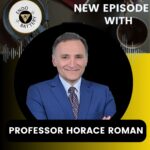
Professor Horace Ramon, a world-renowned endometriosis surgeon and researcher, reveals how excision surgery can significantly improve fertility outcomes for women with endometriosis. His groundbreaking studies show that nearly half of women with colorectal endometriosis can conceive naturally after surgery, while those with multiple failed IVF attempts saw remarkable improvement in pregnancy rates following proper excision.
• Fertility rates after colorectal endometriosis surgery can reach 80%, with most pregnancies occurring naturally
• For women with failed IVF attempts, excision surgery resulted in a 45% pregnancy rate compared to an expected 5% with additional IVF
• Surgical expertise matters significantly – endometriosis surgery should be performed by specialists with high case volumes
• When preserving fertility, sometimes draining endometriomas rather than excising them may better protect ovarian reserve
• The prevalence of endometriosis is increasing partly because modern women have 450-500 menstrual cycles in a lifetime compared to less than 150 in the 19th century
• Expert centers should offer long-term management strategies that consider a patient’s fertility goals and extend to menopause
• Multidisciplinary teams are essential for optimal endometriosis care, including fertility specialists, colorectal surgeons, pain specialists, and others
Continue advocating for yourself and seek care from true endometriosis specialists with proven surgical volume and experience, not just social media presence. A proper excision surgery can transform both your quality of life and fertility outcomes.
Website endobattery.com
Introduction to Fertility After Endo Surgery
Speaker 1
0:00
What if surgery , not just IVF , could make the difference in your fertility journey with endometriosis ? In this episode of EndoBattery , I sit down with Professor Horace Ramon , a world-renowned surgeon and researcher , to talk about his groundbreaking studies on fertility after endometriosis surgery . His research showed that nearly half of women with colorectal endometriosis were able to conceive naturally after surgery and , for women who had gone through multiple rounds of IVF , excision surgery gave many of them their first chance at pregnancy . This conversation is about more than numbers . It's about hope , options and the power of treating endometriosis at its root . Tune in as I sit down with Professor Horace Ramon to go over all his work and so much more . Stick around .
Speaker 1
0:52
Welcome to EndoBattery , where I share my journey with endometriosis and chronic illness , while learning and growing along the way . This podcast is not a substitute for medical advice , but a supportive space to provide community and valuable information , so you never have to face this journey alone . We embrace a range of perspectives that may not always align with our own , believing that open dialogue helps us grow and gain new tools . Join me as I share stories of strength , resilience and hope , from personal experiences to expert insights . I'm your host , alana , and this is Endobattery charging our lives when endometriosis drains us . Welcome to Endobattery . Grab your cup of coffee or your cup of tea and join me at the table Today .
Speaker 1
1:37
I am so honored to welcome Professor Horace Ramon , a world-renowned surgeon and researcher in the field of endometriosis . Professor Ramon has published some of the most impactful studies we have on fertility outcomes after surgery for deep colorectal endometriosis . His work has changed how we think about the relationship between endometriosis , excision surgery and pregnancy rates , especially for patients who have struggled with multiple failed IVF attempts . We're going to explore that today in a way that gives hope , clarity and practical insights to those navigating this journey . Please help me in welcoming Professor Horace Ramon to the table . Thank you , professor Ramon , so much for sitting down with me and taking the time to help us understand some great work that you're doing in the endometriosis space , as well as understanding excision and endometriosis as it stands . It is a complete honor for me to be able to sit down with you and take this time and learn from you , so thank you so much .
Speaker 2
2:39
Thank you very much for inviting me .
Speaker 1
2:41
Anytime . It's an honor for anyone to be able to sit in this space and learn from one of the best in the world in endometriosis excision and you also teach endometriosis excision . Can you start by telling us what inspired your focus on endometriosis and fertility , and particularly in complex cases like colorectal and deep infiltrating endometriosis and fertility , and particularly in complex cases like colorectal and deep infiltrating endometriosis ?
Speaker 2
3:07
Yes , so my story started in 2003 when I discovered endometriosis , and at that moment I was in the fifth year of residency . So I discovered this disease very , very late because it was unknown . Very , very few gynecologists were aware about endometriosis at that time and I had the chance to work with Professor Michel Canis , the past president of the AAGL , and I saw him performing this surgery and I fell in love with the surgery of endometriosis . Before being gynecologist , I had the training in colorectal surgery and in neurosurgery . So I was four years , I had been a resident in neurosurgery .
Speaker 2
3:56
So I was looking for an interesting and exciting and complex surgery in gynecology and also I was looking for a field where the research is not as developed and where I can bring my contribution to the development of the knowledge . And the endometriosis meets all these criteria . I stated that I will be an endometriosis surgeon in 2005 . And at that moment most of my colleagues were surprised because they did not understand what actually I want to do , because for them endometriosis was PO and generate analogs , and me I said no , no , no , endometriosis is surgery , and I started doing surgery in 2005 .
Speaker 1
4:41
Wow , it's shifted and changed so much . But one of the things that I really feel like is progressing and is amazing is the work that you're doing to help many people understand endometriosis much better . One of the articles that you published the high postoperative fertility rate following surgical management of colorectal endometriosis patients . This study , when I initially looked at it , kind of threw me for a little bit because I would have never in a million years correlated what your findings were , which is fertility rates and colorectal endometriosis . Can you go over this study just a little bit and break this down for people to understand kind of what this study entailed , as well as what some of these findings were ?
Speaker 2
5:31
Yes , now I will start with the onset . So you have to know that in 2008 , I became a PhD in epidemiology and clinical studies . So I accomplished this PhD in order to have the tools to perform good level clinical studies and in 2009 , I could have a grant to open a large database and to enroll prospectively all my patients . So since 2009 , I have had with me a clinical researcher , which is not involved in care but only in the management of the database . So this clinical researcher now I have two clinical researchers because the database is larger , but I always have had someone taking care , giving preoperative questionnaires to patients taking care . That may , I feel a surgical questionnaire and then calling the patients one year , three years , five years , 10 years after the surgery to see what's happened during this interval . It means that I have a database with now I think we have 5,000 , 6,000 women who had surgery well-done surgery , excisional surgery with a follow-up which now is 15 years the oldest patients have 15 years of follow-up and we have just today submitted an article about 15 years follow-up after colorectal endometriosis surgery years follow-up after colorectal endometriosis surgery . So this database allows me to study everything post-operatively , what's happened after the surgery , and it also allows me to see the real number , the real percentage who is pregnant and who is not , how the pregnancy is achieved , how long time after the surgery .
Speaker 2
7:26
And I could , in this case I could , publish studies which show that after the surgery of most advanced , most complex endometriosis , the pregnancy rate is very high . And this happened at a moment where a lot of colleagues , a lot of gynecologists , were telling to patients don't have surgery because you will be infertile . And my answer was no . Conversely , if you want to be pregnant , please consider the surgery as a treatment of your infertility . And of course , all my studies try to put in the mirror pregnancy rate in women who have no surgery and have only IVF with women who have surgery . And I could demonstrate that women with surgical management of endometriosis have at least the same pregnancy rate that women who have up to four IVF successive IVF . And right now in the world there are two randomized trials comparing in a random manner , comparing IVF to the surgery . One of them is in France , endofert , and the other one is Bordeaux and Denmark it calls F4 . So I am involved in both studies , I recruit for both studies because both studies the hypothesis is based on my data and both studies try to show that the
Professor Ramon's Journey into Endometriosis
Speaker 2
8:52
pregnancy rate after the surgery with natural conception or post-operative IVF , this pregnancy rate is better than in women who have no surgery and are sent directly to IVF .
Speaker 2
9:04
Wow , but the surgery is like the Soxer , like everything else . Better than in women who have no surgery and are sent directly to IVF . Wow , but the surgery is like the sockser , like everything else . So surgery is not . We cannot speak about surgery . We speak about surgeons who perform surgery . So some surgical procedures may render the patients infertile if the surgeon does not take care at ovaries . So we have a myriad of patients who had cystectomy , bilateral cystectomy , and their ovarian reserve went down at the point that no IVF , nothing is feasible . So the surgery is a very good tool to improve fertility when the surgeon takes care of what he level , whereas not everyone is .
Speaker 1
10:07
Does that change the fertility rate for those patients depending on their surgeon's skill level ?
Speaker 2
10:14
Now the surgery is a manual craft and I compare the surgery to the Soxer . So everybody knows that football players do not play alike . So you have Messi , ronaldo and Pelé they are stars and then there are other guys who play the Soxer less and have less results . But the surgery is alike . So you cannot , in some cases you cannot compare the results between several surgeons . That's why all the studies reporting results of the surgery should be read from the first row to the last one , and to see who performed the surgery , who are the surgeons , where is the center . For example , the results in terms of fertility after a surgery done by the team of Marcello Ceccaroni in the Negrar Hospital in Italy , which is the biggest endometriosis center in the world , cannot be the same with the results performed in the hospital in a small town , even though in theory there is the same surgery . So it is politically correct to say , yes , we are all at the same level , but in theory there is not . That is not true . So a good surgery for me in endometriosis takes care to the excision which is done depending on several factors on patient's age , intention to get pregnant , features of the lesion , but also , or more than the features , the symptoms which are related to each lesions . I think that a good surgery should completely excise all the lesions which are symptomatic , while lesions who are not symptomatic should be discused case by case . Some of them can be removed and some of them cannot be removed or can be left behind if the price to pay for this excision is high . In other terms , if one patient comes with me , I receive a lot of emails from patients where they sent me a picture with a big nodule of the rectum and they said what I have to do . And my answer is I don't know , because with this nodule you can have the surgery or you cannot having the surgery . It depends what do you feel ? Because if you have a big nodule of the rectum and the patient is completely asymptomatic by chance , it is for sure that performing the surgery increased the risk that patient became symptomatic after the surgery .
Speaker 2
12:50
So there are some I think I have at least 10 or 15 patients with very severe endometriosis and I see them every year . I tell them the surgery is justified if you have just one symptom . And I ask them every year do you have a symptom or you're still asymptomatic ? They say I'm still asymptomatic . Okay , see you next year . So this is the philosophy of endometriosis . So the endometriosis is not a cancer and should not be treated like a cancer If the patient should have a better quality of life . It means that you have carefully to treat all the lesions with or symptomatic , and you have to take care at the resection excision of lesions which are not symptomatic in order to avoid new symptoms which are sequelae of your surgery . And this is the same on fallopian tubes and on ovaries .
Speaker 1
13:40
It's kind of like essentially saying you're going to eradicate lesions that are creating the symptoms , but if something's not affecting you , you don't want to disturb that tissue creating more issues . Is that kind of what you're pointing to being valuable in surgery ?
Speaker 2
13:59
Exactly so . A very interesting information about the postoperative pregnancy rate after complex surgery for deep endometriosis was provided by a randomized trial . I carried conservative to radical surgery for colorectal endometriosis and the goal , the main endpoint , was the bowel function after the surgery . So the goal of the trial was to prove that if we perform disc excision
Groundbreaking Fertility Research Findings
Speaker 2
14:40
or shaving , you have the same results than those after colorectal resection , maybe with less complications and with the same rate of recurrences . So I enrolled 60 patients and these 60 patients I carefully followed them up at six months , one year , up to 10 years . So this woman , this 60 woman , I know them as they were from my family Because I met them so frequently . And 10 years after the surgery , the rate of loss of follow-up is 9% , meaning that more than 90% of patients came up to 10 years to tell me how they feel . And I observed that among this woman who all had a very advanced surgery with colorectal resection , parametrium reimplantation of the ureter , very , very severe surgery After the surgery , among the patients who intended to get pregnant , 80% could be pregnant , and most of them naturally . And then I looked at inside the woman who were pregnant , I looked at who was infertile before my surgery , who came to the surgery with the sticker of infertile need IVF , and in this subgroup of women infertile women who had complex surgery for correct endometriosis the pregnancy rate was 75% . Wow , and even in this group most pregnancies were natural . And for me , this study , with actually no loss of follow-up , with very accurate long-term follow-up , this study provided me that proved me that the surgery for complex endometriosis improves the fertility rate . And I put these results in the mirror with studies done by two friends of me , two French friends from other hospitals , who reported the pregnancy rate in women with severe corrector endometriosis who had no surgery but only IVF , and both of them estimated that if women with colorectal surgery have 1 , 2 , 3 , or 4 IVF , they can be pregnant in 60-65% of cases , all pregnancies or IVF .
Speaker 2
17:02
Now , it is difficult to compare 80% to 65% in two different populations . Right , I cannot state that my pregnancy rate is higher than the pregnancy rate of the IVF , but I can state that if you perform a complete surgery of endometriosis , the patients will feel better in the long run because 10 years after the surgery they are still in good shape . The complaints are improved in the long run . Currency's rate on the rectum 10 years after the surgery is 5% and they were pregnant in 80% of cases . So at least the same rate you may have in the same patients without surgery , with symptoms , with big lesions , bigger and bigger , once one , two , three or four IVFs are done . So this allows me to state that if you do a correct surgery , there's no reason to be frightened by the risk of infertility because you have . Conversely , you have the opposite result you improve the fertility . This may happen even in women with low ovarian reserve .
Speaker 1
18:14
Wow , why do you think doing surgery in those patients who had bowel or colorectal surgery for endometriosis had such a significant improvement in fertility ? What would cause that ?
Speaker 2
18:26
Well , we do not know exactly If the patient has a bowel endometriosis together with ovarian fallopian tube endometriosis . It is obvious that removing the bowel endometriosis , together with restoring the fallopian tube patency and removing the ovarian cyst , of course , it improves the fertility Right . You may have infertile women with bowel endometriosis and the fallopian tubes are almost normal and the ovaries are involved by only superficial lesions . In this case , after the surgery , I am almost sure that they will be pregnant naturally and I think that in this case the endometriosis impaired the pregnancy in an indirect manner , because it had been demonstrated that endometriosis , like the smoke , may affect the fertility at every level , beginning with the quality of the oocyte , with the mobility of the sperm , with the inflammatory ambience of the pelvis where the meeting between the spermatozoa and ovocytes occurs . So at every level endometriosis may reduce the probability of pregnancy and I think that cleaning the pelvis we give a supplementary chance for natural pregnancy .
Speaker 1
19:48
It's a remarkable finding . I feel like a lot of us wouldn't have put those two together , Although I think in a lot of ways it makes sense , because the more your body is fighting against itself and has a diseased state , it would make sense that it's harder to become pregnant . It's not your body's not at its optimal .
Speaker 2
20:08
Then there is another factor of infertility , of natural conception , which is the deep dyspareunia we do not speak about . We do not speak enough about deep dyspareunia . But women with big rectovaginal nodules have less sex than women who are not painful of a genital nodule , have less sex than women who are not painful , and they may be painful , more painful , during exactly the three days of ovulation . At that time they reduce the frequency of sexual intercourse . They may be involved too in a better , in an improvement of natural conception rate .
Speaker 1
20:39
Yeah , well , and it makes sense , with the inflammation that we experience oftentimes during our cycle and when we're in a flare , why that would be so much harder .
Speaker 1
20:49
And eradicating that disease is so important for that conception , so your body can function normally and not have the inflammation . It makes a lot of sense from that perspective . There was another study that you did which I think is interesting because you touched on the IVF and you know women who had IVF previously maybe had failed IVF . You did another study of pregnancy rates after surgical treatment of deep infiltrating endometriosis in infertile patients with at least two previous IVF ICSI failures . Can you touch on that ? Because I think a lot of people don't really know do they want to try IVF first ? Do they want to potentially look at excision for endometriosis first , and what are the pros and cons of that ? But this study kind of looked at that and highlighted that a little bit more . Can you speak to that ?
Speaker 2
21:41
Yes , in some cases the patient have an endometriosis , a deep endometriosis , and someone else decided to refer them to IVF . What's happened in France ? Four IVF or reimbursed , so for free , wow . So , as women know that they have four IVF for free , when they have the second and the third IVF failure , they think about let's do something different for the last one , because after that it is not longer for free . So I have a lot of patients coming to seek care and to ask about their endometriosis management . Once they had two or three IVF and I asked I was a professor in Rouen at that time .
Speaker 2
22:22
It was in 2016 , I think 10 years ago and I asked one of my residents which was very interested in fertility . I said let's look at all our patients who come with at least two IVF . Let's see if we do the surgery , what's happened after ? Anyway , as the patients are recorded in our database , we can very easily see what's happened after our surgery . Right , and actually we put the threshold to two IVF , but the mean number of IVF in our Syria was three , because the patients go up to the four IVF and they come to do something before the fourth IVF , which is the last one , which is reimbursed come to do something before the fourth IVF , which is the last one which is reimbursed . So after three IVF failures , performing the surgery was followed by a pregnancy rate of 45% . Now , 45% of course is very far from 80% , but let's put in the mirror the results which can be expected if the patients with three failure do the fourth IVF . And we have this information in the studies I talk to you where the patients did not have , in other facilities , in Cochin and Tenron Hospital in Paris , where the patients went up to four IVF without having surgeries .
Speaker 2
23:42
In this study you see very , very clearly that women who still have colorectal endometriosis and go to IVF have a pregnancy rate of about 35% after the first IVF . Then if they go to the second IVF they have maybe 20% . So the step is lower . A third IVF will bring 10% more , while the fourth IVF almost nothing . Wow , because if you fail free IVF , it means that something happens , something does not work Right . We should compare our 40% , 45% pregnancy rate , not to 80% but to 5% , which would have been expected if the patient had had the fourth IVF after three failures . So even in this patient , in this patient , I think we can improve something . That's why , in our daily practice patients who had two IVF failures . We discuss them in our multidisciplinary meeting and in a majority of cases we propose the surgery before the last two IVFs .
Speaker 1
24:54
For the IVF piece of it . I think a lot of people feel like that is their first line of defense for infertility . And you're saying that when you go and have endometriosis excision surgery by an expert , your chances even of naturally conceiving are much , much higher . And then if you do IVF , your chances of conception are even higher than if you would have just done IVF naturally . I think yes .
Speaker 2
25:21
If you have the surgery and then you go to natural conception or to IVF ? Naturally , I think yes . If you have the surgery and then you go to natural conception or to IVF . If the fallopian tubes are destroyed or if you do not achieve natural conception after one year , you go to IVF . So all these solutions taken together 80% of pregnancy rate in my series of patients , with actually no loss of follow-up .
Speaker 1
25:47
Wow .
Speaker 2
25:48
That's a huge . But now the situation is more difficult and this is just a samurai . We samurais , but we use every case in our multidisciplinary meeting . Because if a woman has come with an ovarian reserve which is very , very , very , very low , almost zero , of course you can do whatever you wish . The results will not be satisfactory . They can be pregnant , but the pregnancy rate is much lower . If the husband has a sperm which is completely abnormal , naturally or IVF by IVF , it will be difficult . So but if you put everybody , all the patients , together , we expect to have higher pregnancy rate .
Speaker 2
26:33
And the two randomized trials which are ongoing right now have the same hypothesis that in the group of surgery you expect a higher pregnancy rate than in the group of only IVF .
Speaker 2
26:47
So we speak about pregnancy rate , but then we have to speak also about the complaints the risk of growth of endometriosis during the time necessary for IVF , risk of complication you may expect after a big nodule when compared to a smaller nodule you could have removed three years earlier .
Speaker 2
27:14
So all these factors taken together , that in my daily practice , if I see a patient with infertility and severe endometriosis , in theory 80% of patients receive a surgery and 20% are referred for the IVF . So I can refer for the IVF a patient who has a deep endometriosis but she's not symptomatic Two ovarian endometriomas , fallopian tubes which are not in good shape , so the natural pregnancy is very unlikely , and a husband with abnormal sperm . So here , when I expect that this patient needs an IVF , I give her the choice for IVF and if she's not very symptomatic , it is logically not to perform a surgery with risk of functional sequeira and to propose her to start by IVF sequeira and to propose her to start by IVF . And then for patients who tell me immediately my first goal is the pregnancy and I want to go to the IVF , I just want to tell , I just want to hear from you if it is risky to do this .
Speaker 1
28:20
So there's like there's this balance between starting IVF first and then or doing surgical management first , yes , and the surgical management piece of it you're saying if you're symptomatic , surgery might make sense prior to starting IVF .
Speaker 2
28:35
Of course , and then , yeah , if I have a patient with a very severe endometriosis suboclusive endometriosis , very severe endometriosis , suboclusive endometriosis . If I have a patient with a big rectovaginal nodule which is still feasible , where the disc excision is still feasible but where the growth of the nodule would require a low rectal resection , in these patients I advise the surgery because I said , look , if you do one or three IVF and you come back within two years and this nodule is bigger , we're not longer able to do this conservative surgery . I am able to do this today and maybe we will go to the more aggressive surgery and the price to pay may be a lower acceleratory action syndrome with bowel sequeira , which are related to the surgery , because the surgery should be done . So I think it's in your interest to go to the surgery right now because anyway I will take care of your ovaries . So it's happened , for example , that in this woman , if they have bilateral endometriomas , the fallopian tubes are not in good shape and during the surgery I know that they need an IVF .
Speaker 2
29:45
After my surgery I may simply drain the ovaries not to excise . So I can excise everything everywhere , diaphragm everything except the ovaries . So
Surgery vs. IVF: Comparing Success Rates
Speaker 2
29:55
for the ovaries I may put in the front the pregnancy intention and the preservation of the ovarian reserve . It seems for me more important than the complete excision of endometriomas Interesting . We may combine this .
Speaker 1
30:10
Interesting . You know , I've always heard that you want to take everything out regardless .
Speaker 2
30:15
Yes , in theory . In theory , very specific cases . For example , if you have a patient , painful patient , right , let's say , 25-year year old , very painful , you see her , she has an eight centimeter endometrioma on the right side , a four centimeter endometrioma on the left side . She's single . So you cannot refer her for IVF . She's painful , you have to do the surgery . The best attitude is not to remove the endometrioma , is not to remove the endometrioma . So in this patient , if someone goes to remove , to excise the endometriomas , the ovarian reserve will go down . So I think the excision should be forbidden under the jail . You do this under the jail , I'm joking . It should be forbidden by the law . In this patient you can do the surgery to relieve the symptoms . You can do a sclerotherapy or a drainage on both ovaries . You reduce , evacuate the cyst . You refer immediately the patient to ovocet freezing . You introduce a pill in order to avoid that at the first period the cyst come back Right . So you freeze 15 or 20 OOCs and then you come back and you treat the endometriosis .
Speaker 1
31:32
Interesting .
Speaker 2
31:33
So the patient is painful , you have to do something Right , but you choose your weapon .
Speaker 1
31:39
Right and getting the patient understanding what the overall goal is for the patient , whether they want to have children or not . But in this instance , when you have patients coming in saying I want children , I'm not there yet , but my endometriosis is bad enough , I just need symptom relief . This is an avenue in which they could go . In these circumstances , do you have them freeze their ovocytes and then do you have hormonal suppression at that point , or is that you don't even touch ?
Speaker 2
32:09
yes , for example me . I have a lot of patients who had , who have have already frozen . They all there , right woman . Most of them will never need their OC because then the surgery I did preserved ovarian reserve so they will be pregnant naturally . But the ovarian ovocet freezing is necessary when you have a single woman , young , with good ovarian reserve and bilateral big endometriomas . Ovarian situation . Second situation you have a patient with subocclusion because of the big nodule of the rectum . She wants to get pregnant . She is at the limit of the occlusion . So you have to do the surgery because stimulating , doing an IVF on a subocclusive lesion may push definitively the patient into occlusion . It has been demonstrated .
Speaker 2
32:59
I had patients like this . So after the surgery , but she has two big endometriomas on each ovary . In this case if you do a complete excision move the ovarian bowel endometriosis , deep endometriosis and ovarian endometriomas the ovarian reserve will go down and this is definitively lost . So in this case I start by looking at the fallopian tube . If the fallopian tube , if the fallopian tube are in good shape and if I estimated at the end of the surgery I could clean everything , she can go to the natural conception . The natural conception is likely In this case .
Speaker 2
33:40
I do a very careful cystectomy on each side . Her reserve is good before the surgery . If the reserve is low or if the fallopian tubes are not in good shape shape and I'm sure that she needs an IVF I certainly won't remove the endometriomas by excision because the ovarian reserve will go down and the IVF will fail . It is important to understand that a patient who needs an IVF needs a good ovarian reserve . Right , it requires a good ovarian reserve . The stimulation requires a good ovarian reserve . The same patient if she goes to the natural conception , the ovarian reserve may be lower . There is no problem .
Speaker 1
34:23
Right .
Speaker 2
34:23
So she needs one OOC every month . So women with low ovarian reserve after the surgery may be pregnant naturally in the same manner as women with normal ovarian reserve . But if the IVF is most likely it is better not to excise , and this is the experience .
Speaker 1
34:42
Right , yeah , and that's what I was going to say .
Speaker 2
34:43
This is the experience of the surgeon and the culture of the experience . Right , yeah , and that's what I was going to say the experience of the surgeon and the culture of the surgeon . That's why it's very difficult to standardize everything in endometriosis and that's why it's very difficult to create , I think , software of artificial intelligency to give the good management in each case .
Speaker 1
35:04
Yeah , well , that's what I was going to say . I think this is something that not every surgeon would even consider or even know about , because it takes years of really integrating yourself , not only on the surgical side of things but also the academic and research side of things , to really , I think , understand probably some of the nuances of fertility and endometriosis . So I think that's probably one of the things that I hear a lot of people talk about is , you know , I went in for this surgery and I still can't get pregnant , but they just the provider just kind of left it at that . There was no workup as to why , or their approach was a standardized approach , because this is what we do . This is all I know . You know , you hear about providers doing excision , but they have a routine of excision . They aren the guidelines , yes , of course , but the guidelines ?
Speaker 2
35:55
are not the Bible or not the Torah or not the Koran , or based on the data we have , if we have data Right . So in this case , unfortunately , the patient falls between two studies , two results , and you have to do with what you feel , with what you smell , and this becomes difficult and that's why I think there are 15 years I have stated that the endometriosis surgery should be a subspecialty , and in 2011, . So in 2005 , I decided to become an endometriosis surgeon , but until 2011 , of course , I also did over cancer and sacro-colpo-pexi , but in 2011 , I could afford to stop all over surgeries until I was having enough endometriosis patients to fill in all my program and not to take care about other specialties . And I think that at that moment I started understanding much deeper everything .
Speaker 2
37:13
Well , for example , in France but worldwide , there is a discussion about what policy we have to adopt . Should we create expert centers ? Should we ? And if we create expert center , where we have to put the threshold Volume of surgery , you need to state I am expert , and when this discussion is done with colleagues , of course each one tried to push the threshold down below his level and they say no , it is not demonstrated that doing only this make you better than having a more generalistic practice . And I said I cannot agree with this Because if I agree , if I say you're right , it means everything I have done during the last 15 years is for nothing , because I decided to do only this . If I consider that I could be good enough by doing only one corrective endometriosis a month once now I'm doing 30 , it means I was completely wrong in everything I have done . So I was not right at all and I believe I was right .
Speaker 1
38:22
Yeah , you know I equate this to you know , had a lot of dental work done a while back and I think of it like this , and this is the best way that I've been able to explain this to people Dental , you have your general dentist . They are good for your cleanings , they're good for , you know , just dental maintenance , right , and that's your general GYN or family practitioner . And then if there's something more that needs to be done say you need there's an infection or there's something crowding of your teeth , then you go see the orthodontist for the braces , right ? So it's a different specialty , although maybe the orthodontist could clean the teeth or you know the dentist could , you know , look at the infection , who knows ? But then they say you need to remove your teeth , a tooth , well , you have to go to the surgeon , you have to go to the endodontist and you have to . So there's so many different steps depending on what you need done when it comes to dental work . Yet there is not that when it comes to endometriosis .
Speaker 2
39:24
We make it such a broad specialty if you will Exactly , and this was happening 30 years ago in cancer Right . 20 years ago it was stated only those who have a volume of cancer surgery are allowed to do this cancer , to continue to do cancer surgery . Right , it was very , very difficult to make people to accept they could not be good enough to perform cancer surgery but in two or three years the low was should be agreed by everybody , but it was very difficult .
Speaker 1
40:00
Yeah .
Speaker 2
40:00
The problem is in cancer . If you have worse results , you can see immediately because the survival rate is low . Endometriosis is much more difficult because the patient will not die , they will just be painful . So it is very , very difficult in endometriosis to assess the results of someone .
Speaker 1
40:20
Right yeah .
Speaker 2
40:35
And the endometriosis . Right now it's a kind of no man land , Right yeah , a confusion , because they allowed the surgeon to say I can do this . I can do this Because in social media , everybody , everybody may seem more beautiful than it really is .
Speaker 1
40:53
Yeah , yeah , it is true . I mean , I think there's a lot of times if the words look fancy and the picture matches the word of fancy , then they must be qualified and that is just simply not true . I think that's where a lot of times , our eyes can deceive us a little bit on who we think is an actual surgeon and expert in that field , and that's where I think due diligence is essential . Understanding how long someone has done something , where their training has been done , what their training is specifically in , I think makes a huge difference . And it's not just fellowship trained , it's actual , like integrative training and having a large number of cases in your repertoire before you can really Exactly A large number of cases and enough number of procedures , of complex procedures .
Speaker 1
41:46
Yes .
Speaker 2
41:47
And we now . We think that to state that someone is has a high level in endometriosis , it needs should perform at least one , at least 20 complex surgery a year . When I proposed 40 , then I went down to 20 in France and there are a lot of colleagues who said no , 20 is too much . I said no , 20 means one complex surgery every two weeks . Like surgery every two weeks is not too much . And they said no , like this , you have to . You have to put the threshold at your level . I said no , this was my level in 2007 , not now .
Speaker 1
42:24
Wow .
Speaker 2
42:25
So so the converse . I think one complex surgery every two weeks is the minimal . Feel yourself comfortable with the complex surgery .
Speaker 1
42:34
Yeah , what qualifies something as a complex surgery ? I think that might be something that could be a differentiating factor , because some might think , you know , having a bowel lesion is a complex surgery . To you , what would be a complex surgery ?
Speaker 2
42:48
To state that something is complex surgery , you need some criteria which cannot be
Surgical Approaches to Preserve Fertility
Speaker 2
42:55
fancy , which should be real . One such criteria is the bowel suture . You need to perform a bowel suture . Nobody will do a bowel suture just for the fun because a bowel suture . Nobody will do a bowel suture just for the fun , because a bowel suture is a risky procedure . So a complex surgery for me and in what I propose in France , is performing either a suture of the bowel , either a suture of the ureter , either a suture of the diaphragm , either a complete releasing , a complete neuralysis of the sci suture . But the bladder is easier . So you should not be very , very expert to be able to remove a bladder nodule . But these procedures have a very specific code and nobody , nobody , even someone which is not honest at all , will not do it just for the fun and just to reach the number . So they are procedures which are required by a complex situation , a complex endometriosis .
Speaker 1
44:00
Yeah , and you definitely want someone that knows what they're doing when they're doing that , because it could really damage the outcome of not only longevity and pain relief , but also , as we were talking about , fertility , and that's why having an expert who understands not only the fertility aspect of it but also the endometriosis aspect of it is really important to have both .
Speaker 2
44:23
And to state that your center is a multi-discipline . Now it's very interesting because in 2019 , we have the visit of the Surgical Review Corporation , because we asked to have the certification of Center of Excellence in minimally gynecological surgery basic gynecological surgery and we had an inspector who came and see us and then the end of the day , when she checked everything a whole day of visit she said it's very funny , but you have only one disease , you take care only about one disease . I said because you are in endometriosis center . She said I have never seen this , but do you think we can create a certification for endometriosis centers ? We said , of course , yeah , we are thinking about this and we propose her the threshold , taking care not to put them very , very high because the interest is to recruit . That's why and honestly , now the Surgical Review Corporation certification for complex endometriosis care and the multisignal endometriosis care is based on our center .
Speaker 2
45:28
It's the middle of our center and we said such a center should have a multi-specialty team . So you need , of course , gynecologists who have at least 70% of activity in endometriosis , you need fertility specialists , you need colorectal surgeon , neurologist , gastroenterologist , a physician specialized in pain management Very , very important the pain management specialist and then , of course , physiotherapist and a very good radiologist . So all team and this team should meet together at least once a month to discuss maybe not all the folders , because we carry out 100 endometriosis surgeries a month , so you can do stuff to discuss 100 medical charts , but every month , but we discuss 30 , the most complex . So we have one meeting every , which takes four hours five hours the time we need , and we discuss the most complex cases and we choose this we spoke about should the patient go directly to IVF ? Should go to the surgery ? If we propose the surgery , what kind of surgery we propose ? What we remove , exactly what we do not remove , what we drain , what we excise , so we'll do a robotic surgery .
Speaker 1
46:49
And then after that discussion I'm sure the patient has a lot of say in this as well and then after that discussion I'm sure the patient has a lot of say in this as well Then you go back and present to the patient what the course of action would be , so that it's that informed consent piece as well .
Speaker 2
47:02
Yes , exactly my goal is . Then , once a patient had the discussion with me , the goal is that she says oh yes , now this guy understood what I have . I questioned and I knocked at the right door For this . A meeting with a patient may take 30 minutes . For the first time , it may take one hour . So we should not be into the rush because , particularly in complex endometriosis surgeries , is a long list of complications , benefits to discuss , and everything should be very , very , very , very , very clear . Otherwise there is a risk of misunderstanding , lack of satisfaction , litigation litigation and all the things that kind of come along with .
Speaker 1
47:58
That absolutely do you find , since you've done this research and with years of experience under your belt seeing all these different patients , I think what's interesting is you know we're talking about the experience aspect of it and to get to that point you have to do all these cases . But if there is a provider out there who is walking through that right now , if you could jump back into time and tell them one thing , one of the most important things that you've learned in this process to getting to where you're at , what would you say ? That is what has changed the most in your outcome .
Speaker 2
48:30
I think everything changed . Everything changed and even my practice . My surgical procedures have changed . So I do not hesitate to change one of my approach if my study shows that something else works better . What it changed is the knowledge , the general knowledge In endometriosis . Now it is maybe fourfold more than when I started in 2003 . The number of publications with endometriosis in the world are fourfold more numerous now than in 2003 .
Speaker 2
49:08
It's incredible , the surgical tools in 2003 , we have only small screens , no HD , no 3D . Now I cannot imagine how I could do the surgery at that time . And as I record everything . I had recorded all my procedures since 2005, . So I have everything recorded on hard disk . When I go back to these movies , I said , oh my God , it's incredible . I was a beginner experience and I could do this surgery with good results using these tools . This looks to me unbelievable now , because now I carried out all the robotic surgery , big screen , this . So our , this or our operative theater is very high technique .
Speaker 2
49:55
But this was not the same 20 years ago . Then the strategies , the strategies to manage , or much more clear for everybody , the , the knowledge , the , the willing to do to increase the quality of life , was not . We were not speaking about this in 2003 . 2003 , the goal was to remove everything , whatever the price to pay . Then the patient were having self-catheterization low anterior sexual syndrome . I remember the people were saying , yes , this shows that it's a complex surgery , right ?
Speaker 2
50:41
I remember in 2010 , I published a paper in Human Reproduction , which is one of the top three journals in the world in gynecology and obstetrics , with a series of only 50 cases of colorectal endometriosis . Because in these 50 cases , I asked a question which was not asked before how are the bowel movements after my surgery ? Because until 2010 , if you look at all the articles presenting the bowel endometriosis surgery , the results were assessed on the basis of dysmenorrhea , dyspareunia , chronic pain Right , which are not directly related to resecting the bowel . So you do not resect the bowel and to say I resected the bowel because the dysmenorrhea improved or the dyspareunia improved . So it is shocking now to think that we were resecting the bowel without assessing the bowel function , the bowel without assessing the bowel function . I think that before 2010 , only the papers of the team of Marcello Ciccaroni was assessing this dysfunction and then , after 2010 , quality of life , the function , the low anterior recession syndrome become . So I think the patients who had the surgery in 2005, . 25 are more fortunate than those who had the surgery in 2000 .
Speaker 1
52:01
I look back at my first surgery , which was in 2010 . And I think about what I ? There was not a lot even spoken about endometriosis back then for my first surgery and of course I had ablation because that's all they really knew in the area that I was at and I didn't know any different . And even looking online , there wasn't a lot of information on endometriosis .
Speaker 1
52:24
So I think like looking back at that and seeing how far we've come with social media and seeing how you know good , bad or indifferent , right , like we've talked about . But I think the awareness aspect of it has gotten so much better and I do think that we can get there from the surgeon side of it as well . But it's gonna take a lot of work and bringing awareness to the fact that not every surgeon is created equal and we should have a higher standard for our surgeons .
Speaker 1
52:56
And that's what's really tricky too , because , you know , access to care is also a big barrier to a lot of people . But the outcomes in what you're saying , the outcome of , you know , quality of life , bowel movements , everything in between is significantly better when you have a true expert doing it with a truly multidisciplinary team , not just two or three extra people on your team , but truly a multidisciplinary approach .
Speaker 2
53:24
What it has always also changed is the teaching . We have continuously fellows from everywhere here in Bordeaux because we have received more than 400 surgeons from all continents during the last six years for training and I always tell them you cannot imagine how you're lucky to start the endometriosis surgery now in 2025 , because you have a lot of movies , a lot of Me . For example , I have a YouTube channel with 1,000 surgical procedures explained for free . Wow , when I started me learning the surgery , I had only one VHS cassette with a surgery done by Michel Canis and this cassette I think I saw it 10 times in order to understand each step . Now , on my YouTube channel , there are 1,000 movies you can visit and see and I received messages on the movies and one of them a surgeon from Asia , I think . He said you cannot imagine the number of patients who were lucky to be managed by a surgeon who saw your movies , because this is training .
Speaker 2
54:39
Not everybody can go take a flight , pay a flight , pay a training somewhere , but everybody can look at the computer . A wall surgery in full time with my explanation . I do a lot of live surgeries everywhere in the world and I record them . I put them on YouTube . So someone who's in I don't know in a less wealthy country can look this surgery live surgery at . It has been in the room of the Congress . This is something very new , and that's why I'm sure that the number of good surgeons now in the world is much , much higher than 20
Evolution of Endometriosis Treatment
Speaker 2
55:23
years ago . And this is the big , big change . Unfortunately , because on the other side , on the other hand , I think that the prevalence of endometriosis is increasing , so more and more surgeons to treat more and more patients .
Speaker 1
55:38
Yeah , yeah , and that's a whole . That's probably like a whole . Nother discussion at some point on the prevalence of it now , as opposed to even 20 years ago , is it ? Are we just more aware of it , or are we seeing more severe disease ?
Speaker 2
55:52
Both , both . I like very much an Italian professor , Paolo Vercellini . He's a very , very , very clever scientist and I like one of the last talk because what he said joined what I was thinking . So the endometriosis is a disease of the modern woman . Why ? Because it is disease which depends on the number of periods . Women have never had so many periods , ovarian cycles during their life , during the whole history of human being .
Speaker 1
56:28
Interesting .
Speaker 2
56:29
And Vercellini compared women at the end of the 19th century to women today . So in the 19th century the women , of course , were living less than now , but they were having the first periods at 16 , 15 , 16 years . Right Now we have 10-year , 11-year-old .
Speaker 1
56:51
Yeah .
Speaker 2
56:52
They were pregnant earlier . Now the age of the first pregnancy is 30 years . Dental countries they were pregnant more frequently , so they were more frequently in amenorrhea related to pregnancies . Now Occidental women have one or two children , rarely three . The breastfeeding was responsible for amenorrhea too , for each child for two years on average , while now women go to work and the breastfeeding is very short . So it was estimated that in the 19th century at the end of the 19th century so it's the time of when Thomas Edison and the Eiffel Tower was built At that time the women were having less than 150 ovarian cycles during their life , while now we have 450 , 500 . So only the number of cycles explain why we have more endometriosis . Because there are these conditions to have an endometriosis , to have periods and periods and periods . Then we have , of course , we have the pollution which may impact on our hormonal system . We have a lot of stimulation for infertility because the infertility is going down . So we need more and more . So there is a kind of cocktail of factors which favor the prevalence of endometriosis .
Speaker 1
58:22
Yeah , and also , I would imagine , because we are having more cycles , the ovarian reserve as we get older , when we're having kids . A lot of people are having kids older , their ovarian reserve is not nearly as high either , because they've had more cycles . So it's kind of this looping factor of things that is contributing to probably the infertility rates , along with the endometriosis rates , along with all these other , you know , morbidities of sorts .
Speaker 2
58:50
That's why I think it's an emergency to find a treatment , a medical treatment for endometriosis .
Speaker 1
58:56
Yes .
Speaker 2
58:57
A medical treatment which is not hormonal , which may destroy the cells , not just block their growth by blocking the ovarian cycle , A medical treatment without side effects and which is compatible to the intention of pregnancy . We need it because I think the surgeon will not be able to eradicate this disease , and I think my opinion is now . The prevalence of endometriosis is increasing , but once this therapy will be available and I'm sure it will be available the prevalence will decrease , decrease and maybe within 50 years the surgeries I do now every day will almost disappear .
Speaker 1
59:41
That would be amazing .
Speaker 2
59:42
Now we are a lot of surgeons doing complex surgeries . Now I think that within 30 or 40 years or 50 years , there will be less surgeons because there will be less cases to manage surgically . I hope .
Speaker 1
59:56
I hope . I hope that is the case . I really do For so many reasons . I hope that is the case For you . What is next for you on the research end of it , because you've done some amazing work already , but you know there's more to be done . What are you working on next that excites you ?
Speaker 2
1:00:13
So me . I am an epidemiologist , so my clinical trials compare treatments , compare surgical strategies , compare results , estimate the results , assess the results of our medical treatment . But the research , the research , the general research in endometriosis should develop the basic research in order to identify on the cells , or endometriosis cells , a receptor which may be a target of a new therapy . This should be the future . Unfortunately , I won't be a part of the future because I am not specialized in basic science , specialized in basic science . So I can only participate , be involved in all clinical trials , because we have a high volume of patients who are always asked to be involved in trials . Right , but I hope as soon as possible that someone may identify a curative treatment , medication for endometriosis which is not hormonal , because the hormones will never cure the endometriosis . They are very
Future Directions and Final Thoughts
Speaker 2
1:01:18
helpful , they help us a lot to prevent recurrences after the surgery , but we cannot cure the endometriosis with hormonal treatments .
Speaker 1
1:01:26
Right , yes , and that is one of the biggest misconceptions I think a lot of people have , especially again going back to that knowledge base of just someone that is not an expert .
Speaker 1
1:01:37
If they're just trained in general GYN , they're not trained adequately to address it , and so I think there's a lot of misconception there .
Speaker 1
1:01:44
But I do think that narrative is changing , which it does excite me as someone who you know was diagnosed when that narrative was very prevalent , and so I'm excited to see how that has changed and how it continues to change because awareness is coming to the surface . And I'm excited also to see how new doctors are coming up and are excited to help patients , not just fall into a system of putting band-aids on these patients . It's becoming less desirable to just clock in and clock out for work and for surgeries but to truly help these patients who are in a lot of pain and have a desire to grow their family and otherwise . So I'm excited to have that approach of seeing the right provider who can address whether it's beneficial to surgically manage that or what the next steps would be with IVF or otherwise . So what would you give for those patients who may be hearing this for the first time , they're getting a glimpse of hope in potentially growing their family . What advice would you give them ?
Speaker 2
1:03:01
So my advice would be to look for real , actual specialists in endometriosis , to have a long-term follow-up . Ask a long-term follow-up and not just a minute treatment because unfortunately , in most of cases the surgery is possibilities to look for good center , the expert center . Expert center does not mean centers with a high number of followers on Instagram . I was speaking last week with Marcello Ceccaroni , who's , in my opinion , one of the greatest surgeons of endometriosis in the world . We agree that we have surgeons hyper-specialized in endometriosis and surgeons hyper-specialized in Instagram and it is very important not to confound them .
Speaker 2
1:04:02
So I think patients can look for , can seek for care in centers with high volume of surgery , high volume and good results on not on Instagram , but good results on clinical trials yeah and I think they they have to keep in mind that we have a chronic disease , yeah , which may recur until the menopause , and they have to ask for a long-term management , a strategy until the age of 50 . Each step should have , each therapeutic step should have a look at the age of 50 . Why giving a medical treatment for six months in a woman of 25 years has no sense . After the end of the treatment there will be another 25 years until the menopause . The strategy should be long-term . That's why I don't stop to repeat this If you propose a strategy , it should be a long-term strategy . Yeah , yeah , take care , patients wish . Patients complain , side effects of the treatments Right , if you propose a treatment with side effects , it will be given up after six months . So we'll not cover 20 years after the middle , until the menopause .
Speaker 1
1:05:30
So I think , I think patients would choose , should choose , the right place to have their long-term management not only their surgical technique but their knowledge of endometriosis , and it's not just like a one surgery once a month . I think that you know again , that goes back to that experience getting that in there . I wish I would have known that you know back in the when I first started this journey . But I'm glad that I can spread this awareness to others so that they can have a better outcome from the beginning , not not try to catch up along the way .
Speaker 1
1:06:17
So it's doctors like you that are changing this for so many patients and , as a patient , I am very grateful to providers like you and researchers like you that are not allowing the status quo to be stagnant and to continue to push the barriers of endometriosis care and knowledge . I am grateful . I'm grateful for that for my kids , if they end up having endometriosis , so that I have some . I have those resources available now . So this is huge for not only future doctors but for patients , and so thank you for that . Thank you for taking your time to spread the awareness , for the education that you give not only the doctors but to the patients . It means the world to us to have you in our corner . So thank you so much for doing that .
Speaker 2
1:07:07
Thank you very much and I was delighted to exchange with you .
Speaker 1
1:07:10
Yes , yes , anytime . You're welcome anytime . No-transcript .
Speaker 2
1:07:38
Congratulations for everything you're doing . Thank you For spreading information , for spreading hope , because I think that the conclusion of our exchange is that patients should be confident . So the endometriosis is not a disaster if we can take care about patients early and do the right strategy very early , when they are very young . Honestly , I always spread information which is encouraging and the results are encouraging . A woman should keep the hope and never , never give up .
Speaker 1
1:08:18
Yeah , I agree , I think there is , and we can always make a situation into something better , and that's what I have chosen to do , and I really think that empowers me to continue advocating in my journey , which I love . So thank you so much , professor Ramon , for taking the time and sitting down with me . I just appreciate you so much . Thank you , thank you very much . Thank you Until next time . Everyone continue advocating for you and for others .