
Send us a text with a question or thought on this episode ( We cannot replay from this link)
We trace Nikki’s 28-year path from a painful first period to an excision surgery that finally connected endometriosis, PCOS, and adenomyosis, and we talk about pregnancy losses, pelvic floor pain, and the power of community. We share practical tools that shorten the time from symptoms to care and turn experience into advocacy.
• early menarche, fainting episodes, heavy bleeding dismissed
• overlap of endometriosis, PCOS, and adenomyosis symptoms
• ablation versus excision and why technique matters
• recurrent miscarriage and weak explanations from clinicians
• gestational diabetes, metabolic health, and PCOS links
• postpartum return of pain and daily function challenges
• finding a specialist, surgical findings beyond reproductive organs
• pelvic floor physical therapy and nervous system retraining
• living well after hysterectomy with ovaries retained
• building community and educating medical students
Website endobattery.com
Cold Open: A Gut-Punch Reveal
SPEAKER_03
0:00
In this episode of Indobattery, you might hear things that cause you to pause and to relate. You might hear things like this.
SPEAKER_02
0:08
And I just remember my first one was so painful and I was telling my mom my stomach hurts and she was she was like, Oh, it's just, you know, gas or something, you know, and the next day I started my period and I and I felt like none of my other friends had started it. But she's I'm gonna get emotional. She's the reason that I advocate so strongly. You know, I want her to have a different experience. And I want my son to know if he ever has a daughter or a wife, that they don't have to go through what I went through. Because at this point I had had so many horrible periods, so many miscarriages, so much gaslighting, so much just misinformation and well-meaning doctors, but they're just not educated. I wasn't even like I had just I was this appointment was about my endo, you know, and maybe PCOS too. And I said, What do you mean? And he goes, and that's probably what caused all your miscarriages. I just like my jaw dropped and I instantly just started crying. I wasn't there to have that conversation, and my husband comes back and he's like, What just happened? He's like, What do you want you crying?
Welcome & Mission of Endo Battery
SPEAKER_03
1:07
Welcome to Endo Battery, where I share my journey with endometriosis and chronic illness while learning and growing along the way. This podcast is not a substitute for medical advice, but a supportive space to provide community and valuable information so you never have to face this journey alone. We embrace a range of perspectives that may not always align with our own, believing that open dialogue helps us grow and gain new tools. Join me as I share stories of strength, resilience, and hope. From personal experiences to expert insights. I'm your host, Alana, and this is Indobattery, charging our lives when Indometriosis drains us. Welcome back to Indobattery. Grab your cup of coffee or your cup of tea and join me at the table.
Meet Nikki: Advocate and Friend
SPEAKER_03
1:54
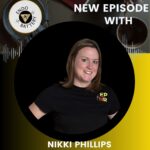
Today I am joined at the table by Nikki Phillips. Nikki is not only an incredible Indo warrior, but she's also an incredible Indo advocate. She opens up to us in a very vulnerable and real way. She not only struggles with endometriosis, but she's also experienced the struggle of PCOS and adenomyosis. Please help me in welcoming to the table Nikki Phillips. Thank you, Nikki, so much for joining me. I am so thrilled to have you on here today. Nikki is not only an advocate, but she's become a friend of mine because of endometriosis and just talking through all the things that she's learned on the podcast and in other places. So, Nikki, thank you so much for taking the time to sit down and have this conversation with me.
SPEAKER_02
2:40
Absolutely. It's just a pleasure to be here and to tell my story. And I'm excited to have this discussion with you today.
SPEAKER_03
2:45
Yeah. What's so fun with us is that you were a listener before we became friends and you reached out to me, which I love, and we just started talking and we just clicked. And it was like, hey, we bounce things off of each other. And so something that I think is so impactful and something I talk about often is the fact that community matters. We're able to connect because we're part of this community and it's you form friendships that you never thought you'd have. That's kind of been one of the biggest impacts in doing this podcast and being part of this community is that we meet so many people.
Early Onset Symptoms and Silence
SPEAKER_03
3:19
So it's been fun.
SPEAKER_02
3:20
Yeah, I definitely in the last year have met a lot of people from all over the world almost, just connecting with people that have similar stories and just you know, endo connects us all. And I'm just always surprised, and everyone's story is so different, but we all have something in common and it's the struggle. And it's been really neat to meet so many women that are struggling with this and so many women that care so much about it.
SPEAKER_03
3:42
So yeah. Well, and I think too, for you, and we'll go into your story here in a second, but your story kind of lent itself to advocacy, which is what you've really started doing more and more since the discovery of the endometriosis and the surgery and everything else. But something that I I think is probably different than some is that you not only had endometriosis, but you had PCOS. And I think we haven't really talked a lot about that. We had Dr. Bebe Hani and Dr. Lou on talking about the differences between PCOS and endometriosis and how to identify those two different things. Yeah. But I think it's different when you're the patient having to walk through that. Can you walk us through your story and just how you got where you are now in your advocacy journey? Yeah. So I'll try to keep it short. It's okay.
SPEAKER_02
4:31
We got time. I'm I'm 39 years old. Um, I just turned 39 last year in November. And so I this all really started when I was 10. I had my first period when I was 10, and I remember we had just learned about periods at school and learned that we could might have some cramping and discomfort. And I just remember my first one was so painful. And I was telling my mom my stomach hurts, and she was she was like, Oh, it's just, you know, gas or something, you know. And the next day I started my period and I and I felt like none of my other friends had started, it was so early, nobody understood. And so from the start, I never felt like I could talk about it. My mom, though, I will tell you, my both my parents have always been really great about just being open. That was not the childhood they had, so they wanted to make sure that I could talk to them about anything, and they definitely were so great about just letting me kind of ask questions and get to know things. But still, in the large community, you know, at large, I didn't feel like I had any friends that were I could connect to because none of my friends really started till they were well into middle school and their periods were all normal. And so um, I actually just kind of had a flashback the other day. I was remembering a moment where I was about 12 or 13, I was riding my bike to the corner groceries, you know, little convenience store with my sister and I think my cousin. And it was a summer day and I was on my period, and I remember I got there, and all of a sudden I felt like I was gonna what I thought I was gonna throw up. Looking back, I realized I was feeling like I was gonna pass out and I didn't know. And I even asked the lady at the grocery store, can I use your bathroom? I don't feel well, and she said, No, it's only for employees. So I went outside and just sat on a bench until I could pull myself together, not knowing what's going on, and then tufted it out and rode my bike home because this was before cell phones, you know. So uh rode my bike home and was like, Well, that was weird. I would have many episodes after just like that, or I nearly passed out or did pass out, and not really connecting that to endo until literally last year. Just not even understanding that like nobody ever put it together. Oftentimes it was cyclical, you know. And when I would ask my mom, hey, do you have these pains? Do you feel like this? She would say, Well, yeah, that's just what I had. That's what all the women in our family have, which I think a lot of people with endo struggle with that same cycle of just kind of it's generational, it's what we do. And often endo, as you guys know, can be hereditary. And so that's probably part of it. My mom definitely had an early hysterectomy, and we we don't really know if she had endo because they didn't test her for it. You know, they just her problems and she still has some issues. But when she tells me now all of her symptoms, I'm like, well, you definitely had it just based on your symptoms. So, but anyways, I remember I passed out in church um on Easter Sunday. I was on my period and it was super painful. And I stood up and I didn't feel well, and I fell down and hit my head on a pew, and they had to take me out in an ambulance because I kept passing out, and I get to the ER and they're like, Oh, this just happens. It's called some basal vagal reaction. I don't even know if I'm pronouncing that right, but just this happens to young women and
Teen Years: Fainting, Heavy Bleeding, Dismissal
SPEAKER_02
7:16
you'll outgrow it and you'll be fine. And it did, it happened repeatedly throughout up until I was in college, maybe even grad school, and I just kind of would deal with it. But by that point, I'd given up some things like volleyball. I was an avid volleyball player through middle school, and so by my sophomore year in high school, I just felt like I couldn't keep up with the conditioning. I'll just be honest, my coach wasn't very supportive. She we had a new coach that year, and she just kind of made me feel like I wasn't gonna be able to keep up. So I switched over to other things and just made it work. I would always have to take lots of painkillers. I'd miss school occasionally, but I didn't think anything of it. Um, I was in high school and I actually did color guard and marching band, and there was a girl on our team that would miss practice and would miss school for a week or two at times. And we actually marched in the Rose Parade in Pasadena, California, and she actually came down there with us, but the day of the parade was in so much pain she couldn't march. And she finally kind of opened up to the girls on our team and said she had endometriosis.
SPEAKER_00
8:10
Wow.
SPEAKER_02
8:11
So yeah, so I thought that's endo. Like I don't have endometriosis, I just have painful periods. And so that's just what I thought. I thought if you have endometriosis, that was the first time I ever heard of it. And I thought, well, she would miss a school for like two weeks, and the doctor's already telling her she's gonna have to have a hysterectomy. And she was 18, 17. She, and I her faith was really important to her, and having kids was really important to her, and she was, I mean, just you know, really upset. So I just thought, well, that's not me. I'm not going through that. I'm able to function most of the time, but it's just, you know, around my cycle. I also had I had been pretty fit and active, and then but my period started becoming extremely heavy. So not only you mentioned um I have endometriosis, PCOS, but I also had adenomiosis or adenomiosis. I don't know, I've heard it pronounced two different ways. And uh I didn't know that until last year, but and so I would have extremely heavy periods, and that was from the adenomiosis. And it was I I'm just gonna be really frank here. Yeah, I I remember in high school, sitting in class, I bled through my pants and my underwear onto the seat, and that's just not normal. Like that was after I had, you know, a tampon and a pad. Like, that's not normal for a 15-year-old girl. And so I had to call my mom and she had to come get me clothes. It's like it was just so embarrassing. And my teacher was so great about it, kind of just keeping it quiet. I don't even know if people noticed, I'm sure they did. I don't know. Luckily, nobody said anything, but it was just humiliating, you know, to be 15 and have that happen. So, you know, I would just have these extremely heavy periods, and then about the time I was 18, I had other symptoms. I just started gaining weight, I couldn't keep it, you know, down. Then my periods started getting really wonky. I used to have very regular periods, like I could tell you the day I was gonna start. And about the time I turned 18, they became very irregular. I would go a few months without them sometimes, and then when I would have them, they were horrible. So it was just so of course I went to the doctor at 18 and she says, Well, here's the pill. So take the pill and that birth control, and that will fix everything. And so it sort of regulated my cycles, and sure, it did an okay job. But pretty much every year in college, I would have to switch up to a different kind because my periods would again, they would kind of reset, it would get used to the pill and get heavy again. I went to undergrad and then when I was in grad school, I was becoming a teacher and I was doing my student teaching, and I remember standing there and my student teaching. I had just gone to the bathroom, put a you know, tampon in, and was like 20 minutes later, I looked at my master teacher and was like, I have to leave to go to the bathroom right now. And there's just like already bleeding out. And I just, and this was like my normal, you know, every other period was like this. And so, of course, I would go and tell them and they're like, Well, not every period was heavy at this point because of my PCOS. The symptoms would mask each other, so I didn't fit the bill, and I wasn't like obese, but I was still, you know, I couldn't lose weight as well as I used to. And they're like, Well, that's just you know, the college 15 or whatever. It was just always an excuse, always an excuse. And so I met my husband when I was 25, and we got married about a year later, and pretty much we knew we'd wanted to try to have kids someday. And so I was able to try some other different, more long-term forms of birth control. I tried the IUD, the marina IUD with hormones. The insertion process with that was, I mean, it basically passed out on the table and shaking. Yeah, same, same.
PCOS Signs, Birth Control Loop, College Strain
SPEAKER_02
11:30
And and then the nurse practitioner that was putting in was the sweetest lady, but she was still like, this isn't normal. And I was like, okay, then do something. And I could only have it in and everyone's different. I mean, I know that, and I want to say that like this is my story. Everybody, their treatments are different, everybody's body's different. Endo, PCOS, like everyone is so individualized, and so this is just my story, but it only worked for me for about a week before I felt like pain and discomfort, and my body was rejecting it. And so I had it in for a few more weeks and they took it out, and it was just like the instant relief from pressure. And so that one was no longer an option for me. And I had basically tried almost almost every form of birth control. Now, unlike most people, at this point, when I started having all these issues, I finally, I think about two years after we got married and we were serious about trying to start a family. I went to uh Adobe G UN and said, Look, I'm pretty sure I have endometriosis. I started looking at the symptoms again and I started to advocate. And this was in 2014, and she said, Oh yeah, you probably do. And I said, Oh, that's it. Like, I'm just gonna get a diagnosis. Like, cool. And she goes, Yeah, we'll do surgery and we'll take care of it. And it's okay. And so, like two months later, I show up and I have my surgery, and they were done in like 20 minutes. And I was like, Really? That that's it. And she goes, Yeah, I think we found a spot in the back, but don't worry, we took care of it. And that was it. And she goes, Okay, we'll say heal and and then at like you know, six to eight weeks, you guys can try to start having a family. And so I kind of went on my way and was really hopeful. And she's like, Yeah, all your problems should be fine. And and also along the way, having all these symptoms with PCOS, I would have ultrasounds and they would say, Oh, you have a string of pearls, you have other symptoms, but nobody could definitively diagnose me with it. And if you know about PCOS, polycystic ovarian syndrome, there's no test, there's no one blood test or anything, just like with Endo. They can do observations and things, but again, even with the surgery, she was inside of me and she never really said anything because I also wanted to know if I had that, and she just didn't address it. So, and it was like a month later I got my pictures and it wasn't very conclusive. And so I just went on my merry way thinking, okay, all my problems will be solved. And I kind of went off birth control for a little while, first time in you know years, and we got pregnant right away, and trigger warning had a miscarriage pretty early and was like, okay, well, that I mean it was devastating, but I was also like, okay, that's that's not uncommon, you know. We also know that I probably have these other things, so we'll try again. And we were able to get pregnant right away again, like the next cycle, which is you know unusual, although my cycles were wonky, but still, and so we got pregnant right away and then lost that one. And that one was harder. And so at this point, I was like, look, I know I have uh endometriosis, or at least I had it. I mean, the way she made it sound was it was cured. I don't have it anymore.
SPEAKER_01
14:07
Right.
SPEAKER_02
14:07
So I know I have some things going on, and all the women in my family have had issues. So I would like to I want to be proactive about this. What are some things I can start doing? And they said, Well, you have to have three miscarriages before we can even consider anything else. And so I waited, and it took us another nine months to get pregnant again, and my cycles were just off. And in the waiting, I would have horrific like periods. Just I was teaching at this point, so I would have heating pads on both the front and the back, and I would sit there and just teach my students. I was teaching third grade. I would take, you know, massive amounts of painkillers, and it would be like before I even started my period, I would have pain. Like it wasn't the day of it, it was like days leading up to it. I there I did have to miss work a couple times, but also have start to have like other like sciatic pain, other things too. So I'm just now piecing all this together. So I just started asking. I went to a different doctor, just like a regular doctor who also was an OBGYN, and someone had recommended her to me. And she listened to me, and she was starting to run every test possible for all the hormones, all the things, everything that she could do in her practice. And so she was like kind of the first one to really take me serious and listen to me. So after I went to her, about the time I was meeting with her, we were able to get pregnant again. And she was saying that we don't have to have three
Marriage, Failed IUD, First “Surgery”
SPEAKER_02
15:20
miscarriages. She was starting to look into possible causes and other issues that could be causing all my repeated miscarriages, but we had a third miscarriage. That one was devastating. That one was, I was like, okay, we're we're just not gonna have kids because that doctor who was very hopeful also told me only 1% of people go on to have three recurrent miscarriages in a row. And so I am that 1%. She also didn't think that I had PCOS at the time. She's like, because most people don't have endo and PCOS, it's one or the other. So I just was kind of I was like, well, this is it. We're just not having kids. And we really we went through it was like over the summer and into fall, and we really kind of accepted it and embraced our life together. We had a great marriage and we still do, but um, we were just like, we're not gonna have kids, and that's okay. And then we got pregnant one more time, and at that point we actually had started looking into adoption. Um, and we got pregnant one more time, and they put me on progesterone because they're like, this is the thing we throw at everyone who's having recurrent surgeries. We don't know if it works, but we're just gonna throw it at you. And lo and behold, I have an eight-year-old son to this day. So that pregnancy stuck. Um, and they were like, Oh, look, you you had a kid, so we fixed it. It's just progesterone, you're fine. Your pregnancy, you know, will help if you even did have endo. I think I was told that at one point too. I was also told I did have gestational diabetes extremely bad with that pregnancy. Um, I was on insulin, my numbers, I would eat a salad, and my numbers would be like 235. So it just it was yeah, it was um there. I mean, and I was I don't I'd lost weight because I was so nauseous during my pregnancy. Like my pregnancy was not an easy one. And I'm so thankful when I hear women say that they're just enjoying their pregnancy because as much as I wanted it, from pretty much from start to finish, it was pretty miserable. It was a few weeks there, you know.
SPEAKER_03
17:03
We talked about it, and I've talked about it. Yes. That's something that I think I always struggled with is like I wanted my kids, you know, I desired to have my kids. The pregnancy I did not enjoy. It was so hard on me and it was painful. I remember my round legament pain. We've talked about this. My round legament pain was so bad. At one point, I had to leave work with my first pregnancy because I got what they call lightning crotch, which I guess is the actual term. And I was like, this is awful.
SPEAKER_02
17:33
I would be walking in front of my students, like in the front of the classroom, and it would happen and I would just stop and they would ask me, Are you okay, Mrs. Phillips? And it's like, yes, I'm okay. But yeah, it was just, it was so bad. And but I yeah, I remember that like it just getting up out of the chair hurt. Like, and and you know, like I guess yes, looking back the endo pain, obviously the cyclical, you know, adenomyiosis pain was gone. And actually, as far as my other than being gestational diabetic or whatever, being a diabetic at that time, um, it felt like my PCOS was normal. Like, I don't know how to explain that. Like my hormones were almost better. Like I wasn't people did had a lot of hormones during pregnancy, and I didn't feel like I actually had that issue as much as I did before. But um, so then you know, by the end of the pregnancy, um, when I was finding out that there was a possibility of stillbirth and all this other stuff because of
Rapid Pregnancies and Recurrent Loss
SPEAKER_02
18:20
my diabetes, and they wanted to make sure to monitor me, and I had to do all these extra things, and just you know, I felt really stressed. I was like, look, I finally have this baby, and so it all worked out fine. He was born, everything's fine, and now he's a I love him. Most days. I have to remind myself I wanted this very much. Um, so fast forward, I kind of just like kind of forgot about all the pain and everything I'd gone. It's like, look, I have this kid, and all my whole life became about being a mom, you know, and he was a difficult baby, like he had his own health issues, and he's you know, eight-year-olds is much better for me than than he was as a baby. It was just a hard transition for us um as much as we wanted it. So my whole life kind of became about that for like the next year or so. And then we moved across the country because my husband got a different job, and flash forward a couple years, I started having more pain and more cyclical, like my periods were just becoming worse again. And I knew that we wanted to try to have another kid because oh, we just take progesterone and that's that'll fix it. So I sought out a specialist in the area because it was a different, you know, doctor. I had to go start over again. And I said, Look, I'm high risk. I've had, you know, been pregnant four times and only have one living child. I have um, I had endometriosis because it's again this whole time going on, this will be four years now. I was thinking it's been fixed, like I don't have it anymore. I still still suspected that I had PCOS as well. So I said, Look, I need to go to the specialist. So I met up with her and she said, Yep, just try to get pregnant and we'll just make sure to get you on progesterone as soon as you get pregnant, and you know, that should be fine. Okay. So I did. I called, I got the progesterone, was on it, and we s and I got pregnant and I was on the progesterone and lost that one too. Yeah. So I was like, Well, now I don't know what to do because I was told that was an easy fix, and it's not like other people who just have one miscarriage, which is horrible, I know, but I'm trying to solve a mystery here. And obviously, progesterone isn't the answer, or at least it wasn't that time. So maybe we don't know. And so I went back to that doctor and I said, Look, I did the thing you told me to do. What else can I do? And she said, Well, maybe you just can't have girls because you have one and it's a boy. Oh my gosh.
SPEAKER_03
20:27
And I believe can they be at figuring out this mystery? Let me just throw some obscure answer to this that has no backing to it.
SPEAKER_02
20:37
I Googled it and was like, I don't know, but I believe her because she's listening. And she did make me feel seen and hurt. She was sympathetic and she was kind, but it was still kind of like it couldn't possibly be any other common cause, such as this common endometriosis or you know, adenomiosis. And I think at that point I had started reading about adenomiosis, and I was like, well, maybe I have this because it seems like if something's wrong with my uterus, that it would create a hostile environment because all of my miscarriages were quite early. And so she said, except this one actually lasted quite a while. I think I was 10 or 11 weeks at that one. And she said, Oh no, you can't have adenomiosis because you're too young, and only women who have gone through menopause can have that.
SPEAKER_03
21:18
I'm sorry, I don't really understand where the science behind that is.
SPEAKER_02
21:23
I think it's bad science. I think it's because most women who have had it have had a hysterectomy, and most women at that time, and when the research, we know research is always 10 years behind, and the research showed most women who are having hysterectomies are older, and so they just kind of said that. Sort of like, you know, other comments that have been said about endometriosis, it's just, oh, all these women of this age, they've all had hysterectomies, so it must be this age, versus like we're not looking at other uteruses that we've taken out of younger women. So I don't I don't know. That's just it's just bad science. And I will say, and I'll probably get into this more in a minute, my husband now teaches at a medical school, he's not that kind of doctor. No, I will not let him give me stitches that he doesn't teach. He's not an MD doctor, but he does have a PhD and he does teach in medical school. So he understands that doctors are trying their best, and we can get to that in a minute. But sometimes when they say things like that, you know, so you know, you just can't have a girl. So I thought, okay, well, we'll just keep trying, I guess. And so I was kind of done, really. Honestly, I was like, I
Pushing for Answers Beyond “Wait for Three”
SPEAKER_02
22:20
love my son. We were past the nasty baby stage. I really didn't enjoy the one full pregnancy I had. In fact, all my other pregnancies were pretty mild compared to the one that was successful, and the one that was successful was horrible. So I kind of talked to my husband and I said, I'm kind of done. And he said, Can we just try for one more? And I said, All right. I I was like, I he's so supportive. I have the best husband in the world. I'm just gonna say that. He really wanted to try, so we did, and I said, No matter what happens with this one, we're done. And we got pregnant shortly after that one. It wasn't took a few months to wait. And uh again, and this is the thing, like nobody believed me that I had PCOS because I could get pregnant almost really quickly. Like it usually it's you can't get pregnant, then you you have PCOS or even endo, because we know that endo often causes infertility in women and they can't get pregnant, but that wasn't my case, right? So they didn't believe me that I could have any of these issues, and so I just didn't fit the bill. And so, anyways, I got pregnant and went on progesterone again because why not? And it stuck. And I have a daughter now, not a son. So that blew that theory out of the water.
SPEAKER_03
23:21
Right. So now you can have a daughter all of a sudden. Yes.
SPEAKER_02
23:24
So now I have a five-year-old daughter, and she also she's my little many me. But she's I don't get emotional, she's the reason that I advocate so strongly. You know, I want her to have a different experience, and I want my son to know if he ever has a daughter or a wife, that they don't have to go through what I went through. Because at this point, I had had so many horrible periods, so many miscarriages, so much gaslighting, so much just misinformation and well-meaning doctors, but they're just not educated. So that was kind of um the the gist of it right there. But after that, I was like, okay, so I have my family, there's nothing else to worry or fix. Like, I'm good. I don't need to worry about Indo anymore. I've got the family I always wanted, you know, we're good. I can't go through any more pregnancies, you know. People would say ins insensitive things, like, oh, you're just gonna stop it too. And I was like, you have no idea what I've been through.
unknown
24:11
Right.
SPEAKER_02
24:12
And so I was just like, I'm I'm happy, we're good. And so yes, I still have two healthy children. Both pregnancies were awful. Second one wasn't quite as bad, but it was still pretty bad. Lots of round ligament pain, lots of nausea. Hormones weren't that bad, but just I did um I had a lot of acne, especially with my son, like just which is the PCOS stuff. I was borderline diabetic with my daughter, they kind of watched me, but I never totally got up there. But I wish I just treated myself like I was, and I still had my blood glucose monitors from my son's pregnancy, and I would just check myself all the time because I was told that it could come back in five years, and so I'm technically never had it with her. So after I had her, I was like, Well, I don't need to go on the pill anymore. My husband, you know, he did his procedures, so we didn't have to use birth control, and I wanted to see what my body was like, right? I wanted to know. So I went off birth control, and within a few months it was awful. And it's not that birth control is a fix, but it definitely masked some things, but I also didn't like being on it, it just caused some symptoms in me and everyone's different. For me, it was it caused low sex drive, like which is effective in present preventing pregnancies, but it was really no bad. And that was one of my worst ones, and it just I don't know, it just didn't make me feel good. And so I really wanted to be off of it. But when I would even in at this point now, in between my periods, I would have this horrible, like I must almost like a swelling, like heavy pain in my uterus, and I would bleed all the time, like just constant bleeding. And so then I'd go back on the pill for a little bit because that was always our solution, and I would still bleed throughout, like it wouldn't always fix everything. So just back and forth, on and off. And then in fall of 2023, or back in Washington State where I live now, we moved back, and I'm I I thought I don't have endo, right? But I was just having all these symptoms. I remember I went, we were traveling somewhere for work, and I was in a hotel
Progesterone, Gestational Diabetes, First Child
SPEAKER_02
26:00
and I had a bowel movement, and I almost passed out. And it was getting to that point. I was starting to have painful bowel movements. I've always had pain with sex. I forgot to mention that. Always I would talk to doctors about and like, well, some women just do just relax, you know.
SPEAKER_03
26:14
So not only did I have a low sex drive on birth control, but also you're in pain when you want to have intimacy with your spouse, and you can't because you're in so much pain. But somehow that's normal.
SPEAKER_02
26:26
Yes, yeah, that's just normal. You just need to relax, have a glass of wine.
SPEAKER_03
26:30
So tired of the wine, it better be red. That's all I'm saying.
SPEAKER_02
26:35
But anyways, between like I would have bowel movements, I would have pain, I would be in bed for hours sometimes. It was hard to be a mom, it was hard to work, it was hard to do anything, and it would just be cyclical and and not even cyclical at this point. It was actually getting sporadic. And because I wasn't on the pill anymore, my because of the PCOS, my periods were very erratic. So kind of flash forward, it was the fall of 2023. It was kind of the worst moment. I was supposed to have coffee with a friend, and I ended up like not being able to get out of bed, and I had to call her and reschedule. And we finally met, we met the next day, and I was okay. And I told her, I was like, look, I just I'll be honest, I'm pretty sure I have endometriosis. I think it's back. I know that it can come back. You can have a recurrence, but I started Googling it more, even though they told me they fixed it and they wouldn't have it anymore. And every time I talked to a doctor about it, they said, you know, you got it fixed, so that couldn't be it. Lo and behold, she happened to open up to me. She's like, wait, you have endo? And I said, Yeah. She goes, I have it. And I was like, What? And she goes, Yeah, I have stage four endo. And I was like, What? And she said, Yes. And I I had no idea. So she opened this whole story and told me how she finally went out and sought this excision specialist, Dr. Duke. And so up in Post Falls, Idaho. And she's actually, I'll let her tell her story some other time. Um, like her case was so bad. She told me that he's just the the best doctor, that he's an excision specialist. And I was like, What is excision? Like, what there's that's what I had, right? And so she explained the difference between ablasion and excision. And so she sent me this podcast episode with him and another doctor, and they interviewed each other, and it just it was an hour long, and I shared it with my husband. I said, I have got to go see this doctor. I can't keep living like this anymore. Like, I want to go see someone who actually knows endo. So I called up my primary doctor here to see if I could get a referral just in case insurance was gonna be weird. And my primary doctor here said, Oh, yes, I'm starting to refer people to him. And I was like, This is amazing. Yeah, I just just refer, you know. And this is the original doctor that actually helped me get pregnant with my son, so she's awesome. And but you know, she's limited. She's a primary doctor, right? She was just a regular OBGYN and a primary doctor. And so she so she referred me up to him. And so I went to see him in January of 2024. I was scheduled and I had surgery in April of 2024, and up to the day before the surgery, I looked at my husband and I was saying, and I was having all this pain, all the all this discomfort leading up to it. And I still looked at him and said, What if they get in there and they don't find anything in him crazy?
SPEAKER_03
28:48
Like and I I'm sh I know we all feel that way. That's the craziest thing. Like, I I don't actually know someone, uh I don't know an Indo patient that hasn't felt that way. And it's so sad that we have to think like that. Like, what if we don't? I'm so excited for those that don't have it, from the sense that they don't have to deal with it, but also are they missing something? And it just makes you question so much, you know.
SPEAKER_02
29:13
And especially because I just remember in high school, that girl I told you about, she had it so bad that she was missing school for weeks. And like I would just have these, you know, smaller episodes, but it was still enough and it was wearing me down and I was fatigued. And and so I just I doubted myself all the way up to but I when I went into that that appointment with him, he was like, Oh, you definitely have this. And he looked at me and just the initial appointment, he was like, and you also have a denominosis. And I said, What? Wait, I wasn't even bringing that up. I wasn't even like I had just I was this appointment was about my endo, you know, and maybe a PCOS too. And I said, What do you mean? And he goes, and that's probably what caused all your miscarriages. And I just like my jaw dropped, and I instantly just started crying. I wasn't there to have that conversation, so I wasn't prepared, but he was so spot on and just made it clear and explained. Explain to me how it can cause recurrent miscarriages, unexplained, you know, recurrent miscarriages. And he didn't bat an eye that I could get pregnant so easy and still have these miscarriages. It didn't baffle him.
Trying Again: Bad Advice and a Daughter
SPEAKER_02
30:10
He understood. Like I've never went to a doctor that just didn't scratch their head and look at me like, what? Like you're crazy. Yeah. Like these don't, these symptoms don't all add up. And also that a doctor could tell me, like he did say just by looking at me that I didn't look like I had PCOS on the outside, but he would look inside once he was in there. And so I had the surgery. I came out. Of course, we all do that. We wake up and the first thing we say is, Did they find it?
SPEAKER_03
30:33
That is like the number one thing I always hear from everyone. Did they find any? Did I have it? Yes. That is like the number one. My second surgery.
SPEAKER_02
30:44
This is not my first that I'm asking this question because you got rid of it. And there was only the one spot that was causing all this back pain and stuff that I had. Anyways, um, yeah, I had stage two, almost stage three. And he did say, as he put it, uh, we wiffle balled those ovaries because I definitely had PCOS and they were angry. Said my uterus looked irritated and angry, definitely had a denominosis. So I have the triple threat of everything and had it all. And so I took my uterus out. I'm done having kids. That was fine. And my pain, as far as that goes, has it's gone. Like that pain is gone. I still have occasionally some pain with sex and some pain with bowel movements, but it was, it's nothing like it was.
SPEAKER_03
31:22
Um, and I think that we oftentimes think that's either endo or something else, but we have to consider that there are other things that can contribute to that, whether that's your pelvic floor, you know, and that's not to be dismissive, that's to say that we have, you know, our bodies are so used to a being in pain. So, you know, something I have recently dealt with is is this psychosomatic for me? Is this like just bad memories bringing it back up? Sometimes it can be like that is reality of how our brain works. Our brain is our signal to pain, right? Like that it tells us when we're in pain. So and it has a great memory. So there's that element of it, but also like there's pelvic floor dysfunction and there's fear and there's trauma that play into this, and there, you know, like there could be endo still or just recurrent symptoms, or who knows? And so I think like when people hear that you still have pain with sex, it can be a multitude of things.
SPEAKER_02
32:15
Well, and sometimes it's just in my head, it's just trained to expect it still. Right, yeah. Later, and I'm still like I still get tight sometimes. Like, okay, I just have to like take a breath and relax my pelvic floor muscles. And Dr. Duke did refer me to a PT um for pelvic floor physical therapy before surgery and after. And that was huge. Because he said, he actually told me, Yes, you have pain during sex and you have pain during any kind of medical procedure. Oh my gosh, every time I got a pap smear, it hurt. And and it's not supposed to hurt, but it did. And I just bared my teeth and and endured it. And but he told me, he said, Yeah, this is not simply because, but it's mostly likely just from your tight pelvic floor muscles from all the pain and trauma of endo. And so about I think four weeks after I had surgery, I went back to PT again. And four weeks after that, she was kind of doing the test, the initial test, and my muscles were already way more relaxed. And she's like, You're like a classic textbook case of why we do both, you know, surgery and therapy. And so, and I still need to do those, and I can feel myself getting tight. Like I can feel like when I start to have those pains, like, okay, I'm not doing some of my exercises and not doing things. And that was the biggest eye-opener because the first time I had surgery and they ablazed it was not excision surgery, which
Postpartum Years: Pain Returns, Daily Function Hit
SPEAKER_02
33:30
I didn't know. And Dr. Duke definitely found remnants of that when he was in there. But they just fixed it. They move on with my life, I don't need anything else. But this time, you know, when I had surgery, it was you have an ongoing thing. Even if you've had surgery to excise it, it's you're not done. And so people are like, So you're better now, right? Like after I had my surgery, water. Yeah, I'm great. And they're like, and your hysterectomy didn't fix it. And I was like, no. So so and I still have my ovaries. I just I guess I had a partial hysterectomy, but I still have my ovaries, so I still have PCOS. I'm actually dealing with some of those things. In fact, I am currently wearing a continuous glucose monitor because my insulin resistance is very high again. Another fun joy of my body and what it goes through. But yeah, and so just learning that it's it's a whole body disease. Um in fact, when he found it, I was had stage two. I did not have endo anywhere on any of my reproductive organs. It was not on my uterus, not on my um ovaries, not on my fallopian tubes, nothing. It was all over my bladder, which I also have had I had lots of pain with urination, which I had I never connected until I had that surgery. Just didn't even like know that that was a thing. I thought, oh, I just have pain with urination. If I hold it too long, it hurts. Like, doesn't everybody have that? And you know, yeah. Um, I had it all over my uterosacral ligaments, especially my left one, deep infiltrating endo on that. And then I had it um kind of near the colon and the little cul-de-sac area and just kind of all over the the wall, you know, the abdomen wall though.
SPEAKER_03
34:55
Yeah, like your peritoneum and stuff.
SPEAKER_02
34:57
Yeah, peritoneum, yeah. So I but I didn't have it on any of my reproductive organs. And that's why I tell people like it's not a reproductive disease. And I didn't know that either. I've learned so much, a lot of it through this podcast. And this is why I reached out to you, because I just I was angry after my two-week post-off appointment. I left angry, not at Dr. Duke, but just angry that it took me 28 years to get a proper diagnosis to understand to put all of the symptoms, um, the passing out, the heavy periods, the overlapping symptoms, the kind of everything I was dealing with all in one. And it took 28 years and all the miscarriages, all the gaslighting. And now I finally had an answer, but I also had a way to treat it. And so I wanted I wanted to connect other people. I wanted to advocate. I wanted it to be different for my daughter, and so that's kind of where my journey has taken me now.
SPEAKER_03
35:47
This conversation isn't over yet. It's just getting started. Join us next time because this is what you have to look forward to.
SPEAKER_02
35:56
After talking to you and we had many conversations, I reached out, and one of the things I did get to do in November last year, I went to that medical school and sat down and told my story to the medical students who were just about to go into the residency programs. And I just wanted them to know that I'm not your typical case. I mean, no one really is. I don't know, like there's yeah, is there really a textbook case of endo? But I will tell you, I was so hopeful coming out of that because in my telling them, they would raise their hand, I would tell them my symptoms first and they would kind of raise their hand and I told them that I had heavy bleeding and other things, and one of them raised their hand and said, Do you have adenomiosis? I was like, ding, ding, ding. I was like, yes, like somebody is paying attention, you know, and they're getting they're starting to get the correct information. If you look at the information they're getting now, it's 10 to 15 years behind. If you look at endo 10 to 15 years ago, they still didn't know. So I was just able to talk to them and explain to them that every individual case is different.
SPEAKER_03
36:49
They ask me all the time, mom, am I gonna have endometriosis? Mom, am I gonna be like this? And I think it would it's so hard. And I understand why there are some people who have endometriosis that are like, I don't want to have kids, I don't want to pass this on.
SPEAKER_02
37:02
I open up the card and I just read the first part of it and I just start bawling, like right there in Starbucks. And my husband comes back and he's like, What just happened? He's like, What
Finding Community and an Excision Specialist
SPEAKER_02
37:10
do you are crying? And I hope I just look at him and I'm holding up this bracelet in Starbucks and he's like, What is happening? Like, and I but it was like there is a community that someone cares about endo. I can I can talk about this with other people because when people find out about breast cancer, right, people know what to do.