
Send us a text with a question or thought on this episode ( We cannot replay from this link)
Your doctor says your endometriosis “isn’t that bad” and you try to believe them. Then you learn the truth: organs fused together, years of pain explained in a single moment, and a realization that the system didn’t just miss your diagnosis, it trained you to doubt yourself.
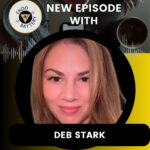
We’re joined by Deb Stark, founder of Wulf Woman, who shares the turning point that changed everything: bringing her surgical photos to an endometriosis specialist who could immediately name what others overlooked. From there, we talk about the brutal gap between what patients experience and what many clinicians are taught, why people end up having to convince doctors to investigate chronic pelvic pain, and how “normal tests” can still coexist with severe endometriosis.
Deb breaks down how she turns scattered endometriosis research into practical education, including tools for consultation questions, surgery preparation, and informed consent. We also dig into her Wulf Woman Endometriosis Surgeon Directory, a community-powered project that helps patients research providers using public sources, PubMed work, treatment approach clues, and real patient experiences without pay-to-play listings. Along the way, we explore symptoms that don’t always get linked to endometriosis, like itching and histamine issues, plus the role of pelvic floor therapy, EMDR, and nervous system healing after years of chronic illness.
If you’ve ever felt lost, dismissed, or overwhelmed by conflicting advice, this conversation offers a clearer path forward. Subscribe, share with someone who needs better answers, and leave us a review with the biggest takeaway you’re bringing into your next appointment.
Website endobattery.com
When Pain Gets Dismissed
SPEAKER_00
0:00
What if your surgeon told you your endometriosis wasn't that bad? Only to find out later that your uterus, bladder, and rectum were fused together by the disease. That's what happened to Deb Stark. After years of pain, dismissal, and being told she was fine, Deb finally found a specialist who understood what others had missed and what he discovered changed everything. Now she's turning her experience into a mission to help other women recognize when something isn't right, find better care, and become their own strongest advocates. This is a conversation many of us can relate to. You won't want to miss it. So stick around. Welcome to Indobattery, where I share my journey with endometriosis and chronic illness while learning and growing along the way. This podcast is not a substitute for medical advice, but a supportive space to provide community and valuable information so you never have to face this journey alone. We embrace a range of perspectives that may not always align with our own, believing that open dialogue helps us grow and gain new tools. Join me as I share stories of strength, resilience, and hope. From personal experiences to expert insights. I'm your host, Alana, and this is Indobattery, charging our lives when endometriosis drains us.
Meet Deb Stark Of Wolf Woman
SPEAKER_00
1:23
Welcome back to Indobattery. Grab your cup of coffee or your cup of tea and join me at the table. Today I'm joined by Deb Stark, the founder of Wolf Woman, a platform created from her own deeply personal experience with endometriosis, chronic pelvic pain, and the search for answers. After years of being told that her pain was normal or that there wasn't much wrong, Deb eventually found a specialist who recognized the severity of her disease. Her second surgery revealed extensive endometriosis throughout her pelvis and abdomen with her uterus, bladder, and rectum fused together. That experience became a turning point, not only in her own healing journey, but in her mission to help other women avoid the same path. Through Wolf Women, Deb is working to provide trustworthy education, vetted resources, and practical tools to help people better understand endometriosis, prepare for surgery, find appropriate specialists, and become stronger advocates for their own health. Please help me in welcoming Deb Stark to the table. Thanks, Deb, so much for sitting down with me today. I am thrilled to be able to just sit in a space with another advocate who takes things to a level of like passion and clarity and everything else. So thanks for sitting down with me today. It's such an honor to have you. Thank you for having me. I think that one of the things that's the most impactful things as a patient we can hear is someone else's story and how they get to where they are in their advocacy because we all start advocacy with our own story. It always starts with a background. It starts with whether something was really good or really bad, or maybe something in between. So what was it for you that drew you into this space? Like what
The Surgery That Missed Everything
SPEAKER_00
3:09
is your story? How do we get to know each other?
SPEAKER_01
3:13
Yeah, well, um, what brought me to my advocacy work? I mean, it I have a story that's very similar to many other stories that you've probably heard. My story's important, but it's not unique. Um, you know, starting with years of strange symptoms that I didn't quite understand or connect, right? Um, turning into extremely severe pain that was crippling that no one could figure out, you know, being a mystery to my doctors, um, finding out through Reddit threads, you know, reading through and I'm digging through, typing my symptoms in like many of us have, you know, most of us have, and finding the word endometriosis and reading the stories of women who have endometriosis and thinking, uh oh, this doesn't look this doesn't look good. Um convincing my gynecologist who I'd been working with that I had endometriosis and convincing her to do a surgery in which she missed 95% at least of the disease that was in there, telling me that I was fine and dropping me. Um and you know, I think the moment, um the moment that everything changed, it's like that Hillary Duff song, In a Moment. It was taking the photo, and I knew after my second surgery, you know, or my first surgery, excuse me, like something isn't right, something isn't right. And then my body just was screaming through that year. And I I got a hold of the photos from my surgery, and I went to a specialist that I'd found, Dr. Adam Duke in Post Falls, Idaho. And I I showed him the pictures and I said, and I gave him all my notes. He said, something's not right. Like, please, for the love of God, what is wrong with me? And he just, you know, it was like it was like an average Tuesday frame. He looks at, he says, Oh, there's the endo on your rectum. Oh, your appendix is destroyed, your uterus is destroyed, your cervix is destroyed, here's the and I just could not believe in that moment that years and years had gone by and I'd had a surgery where someone took photos of what was going on, and no one could figure this out. And it was so easy for him to look at those photos and say, I know what's wrong with you. Those are the words that every woman earlier in their endometriosis journey wants to hear. I know what's wrong with you. That's the golden nugget that we're all looking for. Um, and I mean that was I started making videos online, preparing for this surgery with Duke. And, you know, I was just like, I'm just gonna make one video a day. I've always wanted, you know, I'm a Leo. I love to talk, you know, I'm I'm I'm a singer as kind of a side gig. Um and I've always wanted to just turn on the camera and start talking, but I never knew what I wanted to talk about. And I was like, okay, I've got something I'm gonna talk about. And I didn't really expect anyone to listen, but I was like, I've learned something crazy that I need to like tell people about and I need to work through this like traumatic, crazy thing that happened to me. So just turn on my camera, start talking. Hey, I'm dead, here's what, you know, got a surgery. Had my surgery, and boy, was it damaged throughout my entire pelvis and abdomen. I mean, most of the organs from my rectum up through my rib cage were fused together. Um, just in a solid lump. It was crazy. I don't know how I was living. But uh yeah, that grew as the months went by, more and more people started sharing their own stories. And I learned that my story is not special. Thousands, millions of women have the exact same story as me, sometimes even more horrific. And uh it just grew. I started learning more and I started sharing what I learned as I learned it, and then I started making educational jingles about endometriosis to try to bring more women in to teach them what I'd learned so far, um, doing skits and it's just kind of snowballed, you know?
Why Patients Must Prove Pain
SPEAKER_00
7:13
Yeah. Well, it's so interesting. Like, and you're talking about, you know, trying to convince your doctor that you have endometriosis. And I'm like, what other disease subset do you have to convince your doctor that you have when it's so prevalent? Like it's one in ten, really closer to one in seven, is what some of the now statistics are saying, right? So, like, why we have to convince them that classic signs of endometriosis are endometriosis and for them to investigate is like shocking to me. Every single time I hear this, I'm like, why is this not taken seriously every single time? And why are we not at a pediatrician level starting to look at these these symptoms earlier on? Like, where are we missing the mark here? You know, and as patients, we are the ones that often become more passionate about that because we've lived it, right? And the experts are very passionate as well. But like, how do we start this earlier so that you don't have fused organs? You know, how do we prevent the loss of being able to have kids if we want, or the ability to have a functioning kidney for a lot of people who lose kidneys and silently lose their kidneys and they don't know? Like it's just baffling to me that yes, your story is not all that uncommon, but it's still like so impactful and so powerful because it paints a picture of just how um how we are often not taken seriously in our own symptoms. It's like to convince someone to take us seriously is such a task and it's such a hard task at hand a lot of times. When you were going through that process initially with your first provider, was it you that brought up the potential for endometriosis, or did she say anything at all about it, given your symptoms?
SPEAKER_01
9:07
She said nothing about it. I told her my symptoms. Um, she recommended birth control, which I'd been on birth control for 15 years. And once I stopped taking it, that's when the pain got started. And some of the other like random bladder infections that weren't bladder infections, those started kind of I was like, I hopped off birth control, the pain got, and then I she said, get back on birth control. You were you were better. And I said, Doc, I think there's something mechanical going on. Um, and she did find an ovarian cyst when she had done many, many ultrasounds. Um she's like, Oh, you got a cyst, it's fine. And I'm like, I don't think a cyst is big. I don't think that's the problem, doc. Like, there's something going on in there. Um, she said I was a mystery. I refused the birth control. She suggested uh medical menopause. And I said, I don't think that solves a mechanical problem either. I'm no doctor, but my instincts are telling me that no pill is gonna make whatever's happening go away. Um she had a big list of supplements. I mean, I I I found it on the Reddit threads, and I said, Hey, what do you think about endometriosis? I don't know, you know, your periods doesn't sound like your periods are that heavy. And I'm like, I don't know, doc. I've been doing all this reading, and you know, and that's the classic, like, oh, you better stay off of WebMD, you stay off of Reddit. And I'm like, no, Reddit saved my life, dude. Like, um, yeah, sorry, that was a long answer, but that was a journey.
SPEAKER_00
10:32
It's true. Like, it's sad that we have to, as patients, be the ones to be the investigator and really dig into what's going on. And and symptoms aren't mysterious. There's a reason for our symptoms, and it's whether they're curious enough to explore those symptoms and look at the bigger picture as opposed to isolating those symptoms. And I think that a lot of times within endometriosis care, they tend to isolate the symptoms as opposed to looking at it as a full body thing, because again, what they're taught in medical school is that it is a period disease. If you don't have heavy, painful periods, which is one of the only identifiers for a lot of OBGYNs, then you it's not endometriosis, right? When it's a whole body systemic disease, and now that's being classified that at a federal level, which is fantastic. Um, maybe we'll get more recognition, I don't know, but it's it is like one of those things where because they work in a silo, they see symptoms siloed, they don't look at it as a complete picture. And I think what that's what's so hard about a disease that ravishes the entire body. And symptoms vary from patient to patient. But it's so hard when you don't have more background into the disease, you don't have a skill set that really follows the disease and you're not solely focused on it, which is kind of what led you to what you're doing now, right? Like figuring that all out and and working in advocacy, which every patient that does advocacy doesn't do it for no reason. Like it's not easy, it's a lot of work.
SPEAKER_01
12:16
Uh-huh. Yeah,
Turning Research Into Clear Resources
SPEAKER_01
12:18
it really is. It's it's been really crazy as I learn, right? And it's been a few years of late nights up, you know, digging through, reading research papers, asking Chat GPT, what does this word mean, you know, and how do my it relate to me, and putting these maps together in my brain and my own back end of resources. And, you know, I don't think that people you can't just learn about endometriosis, you can't just read like a pamphlet and learn about endometriosis or have one conversation with a doctor and learn about endometriosis. Like it is so the information out there about it is so scattered and fragmented, and there's a lot of opinions faked in because some stuff hasn't fully been proved yet. You know, um, for example, the the endometriosis and getting itchy, right? Like for me, that was something that presented where it's like I'm I developed all these random food allergies, my ears itch after I eat, my whole body just itches, you know. Um, and then like go see an allergist. Like, oh, you might be, oh, you're allergic to everything or you're allergic to nothing. And and for me to go find something online that says endometriosis and itching, they are connected. That's not how I learned that they did have a connection for me. It was what makes you itchy. And it's like, okay, histamines. What causes too many histamines, right? What is endometriosis? Like learning all of the different little like candyland blocks in between them and then going, aha, it's connected, right? Um, and that's a lot of what I try to do on my page. And you know, I'll be the first to say I'm not an expert, I'm not a doctor. I didn't even go to college. Um, but I'm obsessed with the disease. Some might say it's unhealthy, but hey, you know, you gotta get your kick somewhere. Um so trying to professionally what I do for work, it has a lot to do with pulling pieces of information from, let's say, lots of different departments, um, trying to understand a bunch of tiny pieces, pull them together into a cohesive document or resource and to help others learn, hey, here's how our organization operates today. Let's, you know, here it is. And then we more memorialize it and it's there. And then anyone curious can read and doesn't have to do that research again. And that's a skill that I'm I'm bringing over into Wolf Women is like, hey, I've got uh probably hundreds of examples now of these things that I've like put together by learning what all these experts are saying and saying, hey, what if we condense this into a 60-second video that links to a blog that I wrote? Right. Right. And I think people are gravitating towards it because the amount of work that I have to do to learn what the heck was happening in my body was astronomical, and not everyone has the time or the energy to do that. So for me to try to make it easier to find the information that already exists is that that's my mission.
SPEAKER_00
15:32
Yeah. It is hard. Like as someone who has been in this space for a little while now, and when we just a little backstory was when my the nonprofit that I'm a part of, we went to go look for really good resources that we could hand out at shows and hand out to to patients walking through endometriosis. Like, what are the signs? What are the symptoms? What is the definition? It was crazy to me that there were no resources that you could print off that was a clear, concise definition with all the informed consent. So surgical methods, uh, ways to help with symptom management, like any of that. It was crazy that we couldn't find any of these resources online. It was very muddy, like the whole space was very muddy. It was like you click on this site and it gave you a six-page synopsis of endometriosis and their viewpoints on it, but it wasn't very concise. It wasn't um digestible. Digestible. It was yeah, and and it was like as someone who is exhausted all the time and you are just barely making it day to day, you don't have the energy or time or bandwidth to sit there and read through all this and then decipher exactly what it's trying to say. And then there were a lot of times that the websites would contradict, like the the last part of the website would contradict the first part of the the website or their descriptions. And so we just sat in space and we're like, we've got to create something similar to you. Like, we need to create something that is more it, it's more set up for the patient who is going through it, the patient who is walking through some of the hardest, most vulnerable times of their life to find good, accurate information. Information that's not necessarily fueled by emotion and um opinion, but fueled by the accuracy of the studies, by what research is actually saying, while also taking into mind the the opinions and and stories of the patients, because those do matter. Like it, you know, at the end of the day, like outcomes matter, right? And so when we were putting these papers together, that was one of the things that we realized is that we don't need long drawn out things, we need very clean, concise, factually accurate things. And I think this space does not have a lot of that, in my opinion. Yeah.
SPEAKER_01
18:08
Yeah, it's it's growing, you know. There's there's more and more. And I don't know if it's just because I'm immersed in the world now, and I'm like, oh yeah, there's there's stuff there. Um but it seems like the conversation is getting a little bit louder. Um, and my hope, you know, my hope with wolf women is I just think about myself in the past, you know, lying in bed, just writhing in pain, crying because the doctor called me a mystery again or tried to give me birth control. Um and just scouring, just reading, just desperate. Is this a symptom of an is this a symptom of could this be, you know, it's like trying to find the answer that no one could give me. And I did, I did it, you know. And when I think about myself in that point, and then I think about the magnitude, the the amount of women that are in that exact same space that I was, you know, they said they're alone, they're scared, they're they don't know what's gonna come, they're reading the stories, and the stories are heartbreaking, every single one of them heartbreaking. And you think, is that gonna be my story? You know, and I know that I might need another surgery someday, you know, uh endometriosis can come back. Um, but I look at myself now and I'm like, I'm 11 months post-op. I'm thinking about trying to do a cart deal. Um and I used to be good at cartwheel and I just kind of stopped moving, you know. I was just kind of hunched over and it's like I don't jump and don't jolt me and just out, you know. Um, and I would just I'd like to reach back and say, hey, there's a path out. And you don't, it's not here's what to do, here's the protocol, here's, you know, 10 steps of what you need to do. Because it was years for me. It was finding the wrong surgeon, finding the right surgeon, finding, you know, learning so much about the disease that I could call baloney in the doctor's office if I needed to, and be able to spot which doctors actually know what they need to know to help me and which ones don't, and leaving them behind. Um, figuring out my nutrition, working with EMDR therapy to do my uh, you know, my nervous system, completely shot. Um, the the functional doctor to do the Dutch tests and to understand my nutrients and figure out I have a vitamin D deficiency. I mean, there's so many pelvic floor therapy. It is once you gather the information, then you know what you know enough to make a good decision for yourself. And that's what Wolf Women is about. Not to tell you what to do, but to arm you with the information you need to make the right decisions to hopefully dig out of this hell. Yeah.
SPEAKER_00
21:01
Well, and I think that a lot of times, and this is what happened with me, and and probably similar to you in a lot of ways, but in my initial stage of endometriosis, I actually had a really good doctor. She was very compassionate, but I was desperate. And and when I was first diagnosed, I mean, this was 2009 when I was first diagnosed, there wasn't a lot of information out there. I mean, it was like you could type in endometriosis, and very few websites came on, maybe because it was like, you know, the start of the internet, it felt like in that state of mind, like I felt like that's what it was. I was like, there's nothing on the internet, you know. But I do think like I became so desperate for relief that I was willing to try just about anything. And I think a lot of people with endometriosis get that way where they're just so desperate that anyone, just take me back, try to fix it, try to solve the, you know, the pain, try to solve the problem. I'll do anything to get to this point. Without knowing the long-term ramifications of doing that. And that's where I think like advocacy and using our voice and creating a space that has good, accurate information that does touch on that is so important to give them the full informed consent. Because a lot of times you walk into a doctor's office and you don't have that. You have what they know, which is sometimes give or take, because medical school doesn't teach it all, right? You know? And so I think playing off of Indo patients' desperate need for comfort is so prevalent that we forget that sometimes in the search for comfort we find more pain. And that's one of the things that I have really tried to avoid and why I'm doing what I'm doing is so that we don't have to elicit more pain in our stories and trauma and multiple surgeries. And so I think that's similar, probably in your story. You just wanted to find comfort, you wanted to find symptoms management and relief and figure out what was really going on. And it took a little try or two. Unfortunately, I didn't have to go through that.
SPEAKER_01
23:15
Yeah, you know, it's there's so many folks talking about endometriosis, you know, and there's varying levels of knowledge from from the folks sharing information. There's varying um reasons that they're they want to help. Most are very, you know, most people out there just have a bleeding heart and want to help, right? There's there's some folks that have um something to sell that may or may not help. And it's um, I found it really challenging to understand who to follow. Like what I wanted was someone to hold my hand and say, this way, go. And I did find some of that in my care team, you know, my my surgeon regarding the specific surgery that I needed, right? Was was a guide for me. My pelvic floor therapy was a guide for me. But I realized I had to become my own guide because, and that's what all women, that's what you have to do. You it it forces you to become strong and to say, hey, you know, once you realize that no one knows everything about endometriosis, like I'm obsessed, and I've probably barely scratched the surface on what there is to know about endometriosis. But if you can listen to a podcast like yours and listen to other people's stories and some of the wisdom that you've gathered as you've been a part of this world, if you can listen to your surgeon, if you can listen to a pelvic floor therapist, a primary care doctor, you know, all these different parties, you listen to people like me, um, sharing what I've learned so far, like, and then use those all as tools in your toolbox and resources to guide yourself because everyone has different goals. Everyone, you know, for some it's fertility. That was not a goal for me. Uh I that wasn't important. For some, it's it's symptom management, just wanting to live a normal life. I didn't want that. I said, solve the problem. I want the root of every single problem. So uh we all have different reasons that we're doing this with a common thread. So to grab onto information and resources, just as extend the arms and and sit at the center and make your own decisions with good information. Yeah, that's I mean, that would be my biggest piece of advice, besides don't let your surgery, but yeah.
SPEAKER_00
25:46
This thing that what all of that kind of led to was Wolf Woman. Talk to us a little bit about this because it is an exciting venture for those on the outside to be able to have a voice to help other women kind of walking through this. Talk to us about how this came about, what you're doing with this, so that we can be on board with you.
SPEAKER_01
26:09
Yeah.
The Wolf Woman Surgeon Directory
SPEAKER_01
26:10
Um, it started with videos, right? You know, social media and oh, you know, I'm doing this dance or whatever. I wasn't dancing back then. I was in pain. Um, but uh I have done a couple, I did one dancing video, it was really embarrassing. Um, anyways, but more importantly, starting with the videos, and then the way that my brain works, right, is that like I'm getting this information as I learn things, I'll make a video of what I've learned. And then I was like, I need a centralized location to put all of this information. Um, I need a website. So, and that's a lot of what I did when I was recovering from surgery, is like figuring out how to put a website together. And I'd say half of let me just tell you a little bit about the website. I'm really excited about it. But, you know, it starts with, you know, a home page, obviously, but um and there's like an FAQ of all of the most common questions about endometriosis, trying to help folks to understand things like removing your uterus isn't going to remove endometriosis from your bladder, right? Like some pieces that are real aha moments for me. Um, a comprehensive page of what is endometriosis and all of the symptoms that I experienced that could be maybe not directly from the endometriosis tissue, but could be a downstream effect of endometriosis, which people, it's a very popular page. But my I've got a blog and I've got a ton of resources about um, you know, guide for how to tell if your doctor is an endometriosis specialist, or questions to ask during your consultation, tips to prepare for endosurgery, uh template for filling out to prepare information for your doctor. Saving the most exciting for last though is uh the Wolf Woman Endometriosis Surgeon Directory. Um, and I'm very aware and very respectful that there are other directories out there, right? Like it's it's uh Nancy's Nook is how I found Adam Duke, and I will forever be grateful. Um but as I kind of have gone through that process and then doing all of the research on my surgeon, and then hearing other women talking about like, how do I know if my surgeon is the right one for me? And I'm like, I will never, I I can't tell you if it's the right one for you, but here's a way you can research, right? Here's like all these different places you can go look to put a picture together in your brain of is this the right decision for me? Or how can I choose between these two surgeons? So what my directory is, is it's it's a list, yes. But if you click in to a surgeon, what I'm doing is I'm doing deep research on each surgeon, not sharing my opinions, because my opinions don't matter. I'm just a chick. Um, but what what are these people, how are they marketing themselves, right? How what are patients saying about them? What research are they doing on PubMed? Are they deep into research about endometriosis? Can I find information about the newest technology they're using? Or if they work with a bowel specialist, or if they refer you to PT? What does an appointment look like to diagnose? I'm basically just like grabbing stuff from all over the internet, spending hours researching the surgeons, putting this paper together, and then plugging it, like publishing it for free on my website to hopefully help women to save some time and energy doing their resources. I have other the sources linked so they can go, you know, look themselves for the information in case I misrepresented anything. But um, yeah, I'm pretty excited about this project. I had 20 of the profiles built. I have over 200 surgeons on the list. And I'm just going one by one and researching these surgeons with the help of my community. I put a put out a request to my community and said, Hey, tell me your surgeon surgeon story. Like, tell me what it was like working with your surgeon. And they've I've got hundreds, maybe a thousand by now, of submissions on the website of people sharing good, bad, neutral experiences about their surgeon and pulling that in in addition to what I find publicly on the internet. It's been a pretty powerful project that the community is working together on.
SPEAKER_00
30:20
Yeah. How if someone is interested in like really helping with this project, what is the best way for them to be able to engage with this project? Because I think a lot of people, you know, have had great surgeons. Again, some have had not great surgeons. Um, and they want to have that voice. They want to help the community as much as they can. And maybe this is a really good fit for them to help the community grow with education. What, how would they get involved with this project?
SPEAKER_01
30:52
Yeah, I mean, the best way to get involved is to head over to my website and find the directory and to fill out the form with their experience, or even to read through some of my resources and and give feedback and say, hey, it'd be great to see this in future renditions. Or, you know, if they see something that's wrong, because I'm a human being and there could be a typo, or there could be, you know, what I want is to be to help amplify the voice of the community, but I need the voice of the community to do that. So come share your story. But I also want to be held accountable. You know, I've got disclaimers all over the place, right? Of do your own research, like make your own decision. Like, don't just see someone on this list and say, I'm gonna go, you know, under the knife with them because Deb said so. Like, I'm not an expert, I'm just a chick. Um, you're not just a I could get something like a cool chick. Yeah. Well I'm a wolf woman, baby. You're a wolf woman. Um, so so I guess my point with that is like tell me if I did something wrong. Tell me if I I need to go make an edit, you know. This is a community project, not a dev project. So, so communicating with me via that form or commenting on my videos is you know a great way that I I understand what the community might need or how I might help. Or yeah, just come join the community, honestly, because it's it's saved me, really. Um, and so so many when we find there's so many lovely endometrosis communities out there. And before I found mine, you ever seen The Hangover? Where and he has that like that speech where he's like, I used to be a one wolf, I was a one-man wolf pack, and then I met you, and then you, and then you're then it was a four-man wolf pack. I need to like get that down word for word, but that's how I feel about wolf women is like wolf is my spirit animal, but you know, I was a lone wolf before, and now we're an entire pack of wolf women who are too informed to be ignored. Um, and and we make good decisions because we have good information. And um yeah, it's I'm not alone anymore.
Community As A Nervous System Reset
SPEAKER_00
33:03
No, and together we're built in something cool. And it's crazy like when you can sit in a space with community members, and there's so much like evidence to point to their being power and being together and part of a community. It resets, it helps reset the nervous system. It helps with you know doing your homework and being informed and all of those things. Like it just it helps so much with that. And that's one of the things that like I always talk about is community matters so much in this space, specifically because we live in isolation for so long, just trying to get through day-to-day and figuring out what's going on with us. And and a lot of times for various reasons, we don't always want to talk about what's going on with us, and so that isolation creeps in and you're not at your best. And so being part of a community can bring that isolation to the surface and be like, I can't do this alone. And and there's healing to be done in that. And so I love that you're bringing that community together. I mean, there's always risks associated with doing that, obviously. Like, you know, not everyone's gonna get along in a community. Let's be honest, right? Like, we're gonna be real about this. This is this is honesty. Like, not everyone gets along, and it's not no one, not everyone's gonna see eye to eye. But I do think that there's power in bringing the community together to really make it more powerful and more impactful and create change. Because I think if you ask a lot of the surgeons and the doctors, they're gonna tell you a lot of the change has happened because of the advocates, because of the patients, because they're becoming more informed, because they're going before, you know, Senates and and other community members and doctors and saying, We're done with this. We're status quo is not good enough for us anymore. And they're inciting this change. And so that's what's so impactful about what you're doing is you're inviting that community to create the change that needs to happen for future generations, which is all we can hope for half the time, right? Like, yeah, it's that little step and everyone using their skills, gifts, and abilities to create change that makes it better for not only us, but future generations. And as a parent, I appreciate that.
SPEAKER_01
35:20
Yeah, I uh there's a uh quote, I don't know if I'll get it exactly right. It's on my website. Oh it's the the strength of the pack is the wolf, and the strength of the wolf is the pack from the the jungle book, right? You know, and it's it's crazy because you think of individuals and then you think of of groups, you know, societies, communities, and people feel, or I in the past have felt insignificant, right, in life. I think we all feel like that sometimes. We're one of billions, but um the pack doesn't exist without each individual person as a part of it, and we're all equally important, you know, and it's it brings me comfort to be a part of a pack and to realize like my voice matters, you know, and together we're hell of a lot stronger.
SPEAKER_00
36:09
So true. It's so true. I just even think about like being part of the nonprofit space and the reason we created that community. And some of these women are some of my closest, dearest friends now because they get it. We don't have to justify when we don't feel good, we just don't feel good. Like we don't have to feel bad that we can't make something that we had really wanted to do because we aren't in a space to be able to. We don't feel good, something you know, like you don't have to make an excuse why you don't feel good or why you can't do something. We just get it, and there's something so freeing and so powerful in that space. Like there, it's so freeing to be able to say, I can't right now. My bandwidth is shot, I am overstimulated, I'm in pain, I don't feel good, and then be like, I get it. Say no more, say no more. Whereas I think with a lot of other people and like just even in our inner circle, whether they're friends or family or whatever, we feel like we have to justify the way we feel and why we can't do something. Like our brain isn't enough to not do something. We have to justify how bad it is and why we can't do it a lot of times, or guilty for not being able to do something, you know. So just people that get it, that understand it, I think make a huge difference in our overall quality of life. And I think it just helps our nervous system too, to not constantly be in a fight of like trying to explain things.
SPEAKER_01
37:46
Yeah, that's been a big um part of my journey, all of our journeys, you know. But it's funny because yesterday I was supposed to go out with friends and and I canceled, you know. I I've done so much. Uh my nervous system gets so, you know, my pain isn't too bad most days nowadays, but um, but my nervous system is still, I'm dealing with the the surgical trauma, right? And the nervous system response that comes with years of chronic pain. And um I've done so many things in a row, social events, that it was like I can feel myself working up to an edge that I don't think I'm is gonna be good for me. So I'm learning. I was really proud of myself yesterday, even though I felt really guilty too. It's like an inner turmoil where I'm like, I'm gonna decline. And not because I don't have to wait until I'm crying on the floor because I pushed myself too hard and worked myself into a flare to say no. I can just say no. And I lied in bed and I watched the most heartwarming videos of that guy who mows people's lawns and the old lady and she's crying, she's so grateful. Oh my god, and you know, the soldiers coming home to their dogs, and their dogs are so and I just lay there and I just cried, and then I walked outside and and pet my chickens and my goats, and it was like, this is what I needed. Like, I don't need to do what everybody else wants me to do. Like, life is hard. I'm chronically ill, and like just turn off the brain and enjoy some like serotonin.
SPEAKER_00
39:16
Yes. I and it's also good to have people in your space remind you of that, like that it's okay to do that. Like it is okay to not be okay. It is okay to like give yourself grace to step back, take a breath. You know, I think that's something that I've had to I've really struggled with. I am a workaholic if given that. I'm also a perfectionist. Like, what is going on? Like those of us who are perfectionists oftentimes have limitations with our bodies, and so it gets it's challenging because, and you know, I've said it before, I have the the buffet plate theory, which is like we as chronic illness patients are given the six-inch buffet plate, whereas other people might get a 12-inch buffet plate. And if we try to fill everything on our six-inch um buffet plate that the 12-inch plate fits, it's gonna overflow and you're not gonna get the the quality that you were looking for. You're gonna mix up flavors and it's gonna be overwhelming and it's gonna spill off, and you have to clean your plate. You know what I mean? That's kind of the theory of like we can't take too much on, and it's okay to take little bits here and there and be done with it, and then you then you can add something else to your plate, but to continue adding when you don't have the space is not helpful, it's overwhelming. And we need people in our space who get it, who understand it, who are there to continue to remind us that it's okay to step back and say no. And I feel like even in our research to find care, it's okay to step back and say, I need help, I need support. And I think that's what you're doing with Wolf Woman, you know, and and many other advocates are doing in their own space, but this is such a great way to give reprieve to those walking through the trenches. Is like they don't have to do all the research themselves. This is a tool that is a resource that isn't stated just from opinions, but gives the facts, gives you good clarity on specific providers, and you've done the work for them, which is giving back to a community when you wish you probably had that way back in the day.
SPEAKER_01
41:34
Oh my God. Yeah, you know, and I know this isn't the warmest and fuzziest thing in my brain, but it's also, you know, I am very passionate about efficiency. Um, and a lot of what I do at work is I'm I'm driving efficiency for organizations. And for me to go through all those years of learning, and then for every other woman in the freaking universe with Endow to have to go through all of that, like it's inefficient. Like document, stick it there, and then people people can come learn what I've learned, and then they can spend the next four years learning even more instead of just g get you know getting the basics down. So yeah, I mean, everything in my universe between the efficiency, the the sorrow for the past version of myself, the you know, the power of of a community, I mean, there's the universe screamed at me that I needed to use my voice, you know. I I don't think there was another option, and I don't plan on stopping, you know. Um it's just part of me now.
SPEAKER_00
42:44
And to to preface this by saying you doing like the surgeons list, this is not surgeons paying to be on your list. This is you know looking at all the objective, like learning about the practice, the way they work, the what the patient insight is, you know, it's not a pay-to-play platform. And so if you think it is, if some if you you know, you're wrong, this is a way for you to get insight into different surgeons and how they practice, and they don't have a say necessarily in like how it plays out on the on the website. These are just what you're able to find, which may not encompass the full picture. You still have to do a little bit of that research, but this might give you a good base place to start and then continue to look at the various things that would change your care's outcome. Like I always say, I can give you resources and tools, but you have to figure out what's gonna be best for your care. It's it is not a one size fits all, it's not a linear process, it is a very up and down roller coaster process. But let's give some tools to make it a little bit easier so it's not such big drops.
SPEAKER_01
44:04
You know? Yeah. Yeah, that's that's well said because yeah, there's a lot of information I don't have and I don't know, you know. But if you want to know what I know, you go to my website and that's what I've got so far and and what's on my social media. And if I learn more, then I'll I'll I'll check my resources, provide sources to studies um as is appropriate, and stick them up for you.
SPEAKER_00
44:31
Yeah. And put your voice in there. Let your voice matter too in this process. Like go to the website, fill out the form, and yes, please, please be a part of it.
SPEAKER_01
44:41
Yeah. Yeah. And and I'm learning so much too from the community, you know. Oftentimes I I'll get a lead on on piece of information. Maybe that's a surgeon, or maybe that's uh a new treatment that is potentially coming, or um, and that's and you know, it's a seed. The person might not know everything, but it's like, oh, I'm getting all these pieces of information. I can grab onto some of those and you know, and plant them and water them and learn and and and share. Um, so it's I'm I'm like a funnel, you know. It's like drop your information to me, I'll research them one by one with the help from the community and all the experts that are talking out there, and then make it public so that everyone else can see it. It's pretty cool.
SPEAKER_00
45:28
I like it. It is fun.
Mast Cells Histamines And Hidden Symptoms
SPEAKER_00
45:30
I love looking at those things. What is one piece of research that blew your mind that just every time you think about this research, you're like, oh, I'm so glad I found that. I mean, there's probably a lot, but is there one specific one that you were like it just floored you when you looked at it?
SPEAKER_01
45:49
I'm trying to remember. I need to go back into my notes and make sure I'm getting like the names of the people and the names of the research, right? I'm always very afraid I'll misquote something going by memory with those details. But I mean, the there was a study about, I mean, many studies, but the way that mast cells are are I'm not a scientist, so I'm afraid sometimes I accidentally say like sub out the wrong word, so I'm like very cautious. But the way that that mast cells react to endometriosis in the body and the chain reaction that that sets off is just so many of our symptoms come from this. I mean, so the study was regarding the amount of mast cells that that live in endometriosis tissue or near endometriosis tissue, there's there's a correlation there. And being able to prove that it built a bridge between a lot of the other theories that I had had. Theories that the itchiness that I was experiencing, the histamine, the swelling, that so much of that was related to my endometriosis. I didn't find a lot of studies that's like endometriosis causes, you know, itching, right? Um, but to find the study that says, hey, mast cells are definitely a thing with endometriosis and histamines in another study are definitely a thing with mast cells. And therefore, endometriosis and histamines are connected. Uh that was one of my biggest aha moments, like the the time I was spending trying to figure out what allergies I had when really I needed to, for my specific body, lower the amount of high histamine foods that I was eating per day. And I brought on a DAO supplement to help me process my histamines before they hit my gut. And now I can, it's not an issue for me, you know, and that's crazy. Like that one study just changed my mind.
SPEAKER_00
47:50
Uh-huh. Yeah. Yeah. I, you know, and it's interesting because like we learn all this stuff oftentimes after our surgeries. So I didn't realize, like, even for me, I have EDS, and I had no idea what EDS even was. Like, not how closely related or you know, how not related, but how how closely they interact with each other, the endometriosis and EDS, like how prevalent they are in co co-conditions. And so I didn't realize this until much later. And so a lot of my symptoms I was feeling weren't necessarily endo symptoms, but I couldn't really figure out why I was in pain still until I figured this out and I was like, this changes everything. To understand your body changes everything. It's just so crazy. Like the way that you can now advocate for yourself, you can advocate for your care, you can change the direction of your care just by understanding your body better. So the research aspect of it is something I absolutely love doing because I learned so much.
SPEAKER_01
48:56
So much. Oh my God. And what's cool with doing these um these surgeon profiles is I'm coming across a lot more studies that I get to go through and read and understand. So um not just learning about the surgeons, but giving, you know, just there's a lot of conversation out there about there not being enough research on endometriosis and women's health. This is true. I'm not, I'm not gonna say it's not true, but there's a lot of question marks and things that we don't know. But there's a lot of research out there, and I'm finding more and more and more, and it's just crazy. Um, if we could take the amount of knowledge that exists about endometriosis now and delivered it to the hands of every gynecologist that's the front line for a woman with pelvic pain and endometriosis symptoms, yeah, it'd be a whole different world. Like we need research dollars, but we need to take that research and put it into the hands of the people or the brains of the people that that we're supposed to go to when we hurt.
SPEAKER_00
50:03
Yeah. And I want to preface this also by saying like not all research is created equal. There is a lot of research out there that um is kind of like throwing lipstick on a pig type theory. Like it seems like it's really good research, but it's been done and it's old research, and it they just rephrased it to look prettier and have like the the words and like that target certain demographics. Like it not all research is good research. So you do need to know how to research these things and ask questions to those experts. Ask them for clarification, ask them for better understanding. I do that all the time. Like with friends in this space who who are experts, I will message and say, Hey, I looked at this research. Can you help me? What do you think about this? Is that often what I say? I say, What do you think about this research? Or what do you think about this? And to get their synopsis of it gives me better clarity because they're looking at research from a different lens than I am. I'm not an expert when it comes to looking at research. I'm not an expert at understanding it all the time, but asking the questions gives me better clarity. And I understand that not everyone has that accessible to them, but a lot of times these experts will answer you if you have questions on research. They're gonna they love it just as much. They want to bring clarity to it. So if you DM them or whatever and ask them about it, they're gonna give you better clarity on that. So just throwing that out there, they don't want to leave you in the wind either. Like they're passionate, just as passionate as we are.
SPEAKER_01
51:36
So yeah, that's great advice. You know, it's funny how when I first kind of wanted to get into advocacy, and I was like, what do I do? I don't know, make videos, right? And at some point I was just I just made a list of everyone that I could figure out in my area, like within a few states that had anything attached to endometriosis in their name. And I just started emailing people. I was like, hey, you know, here's what I think. Like, what do you think? Um, and I ended up getting, I mean, just in the first few months after my surgery, getting connected, you know. I'm like, every couple weeks I meet with one of the lead researchers at WSU about endometriosis. And I'm like, six months or you know, a year ago, I never would have thought I'd be like on the phone regularly with a researcher from a major college, you know. Um it's funny because you earlier in my journey, I felt like these people were just these like untouchable like entities in the like metaphorical sky, but really they're just people, they're just passionate people who have dedicated their lives and careers to solving the same problem that we want to solve from different angles. And like you email people, they chances are they want to talk.
SPEAKER_00
52:51
Yeah, yeah, they're passionate. It's pretty cool. It's really cool. Yeah, they're really passionate. Yeah, it's it's one of the things that I love most about this community is that they are so passionate. It's not like you're seeing someone that's just doing it just to make a paycheck because a lot of them don't always make a big paycheck. Like that's the shocking thing people don't understand is like they're not like millionaires. I mean, there are some, I'm sure, but like a lot of them are are just wanting to do right by their patients, and so I think they always want to give the best information they can to patients going through this, knowing that it's so hard for us to navigate as is, and with the information out there, and a lot of information that's a a little hard to decipher and and weed through. And so I think a lot of them are are willing to do that. But
Hope Cartwheels And Better Care
SPEAKER_00
53:39
what are what is something that you feel in your bones you are just so hopeful for?
SPEAKER_01
53:45
I am so hopeful for I mean, in ten years, if every woman knew no, I don't I don't know everything, but if every woman knew as much as I know about endometriosis, then it would change the world for us. I mean, if I would have known four years ago what I know now, I might have spared some organs, some severe trauma, you know, tens of thousands of dollars in medical bills. Um my bladder and my bowels might not be permanently damaged. I mean, that is that's my goal. That's my hope, is that so many women know so much about the disease and that we can get that education into the hands of the right people that can help. That, you know, there's a million ways to tackle this problem. But if we can get the right people the right information, then we can save lives, you know. There's hope, you know. It's like for so many of us, there's no hope. And we're just once you look into the eyes of the beast of the thought that you are gonna be lying in bed in pain forever and no one understands and no one's gonna be able to solve it for you. That is a dark, dark eye to look into, you know. Um, but to educate that there's another side of that, you know, they found what was wrong with me. They removed what was wrong with me. I figured out that between the surgery and all of the different therapies and the diet and the supplements, like I'm gonna do my first cartwheel in years. Like, I'm gonna do it. And and I'm I just I'm hopeful that not only will people have the information to fight for themselves, but they'll have the information to know that there is light on the other side, and it might not be perfect, and you might still pee funny, and you might, you know, like you might have issues with all kinds of things, but like life is worth living, and people need to know that.
SPEAKER_00
55:56
Absolutely, absolutely. Deb, it has been such an honor to sit with you, and I love sitting with other advocates, it fuels me, it inspires me, and it just continues to reiterate why we do what we do. And sometimes I think it can be very tiring, and advocacy can be isolating at times, and so to sit in space with other advocates and other people who just get it, like we said, makes such a big difference and it continues to inspire me to keep going, even when I'm tired and I'm and life gets like this community is such a great community to be a part of. And I'm thrilled that I got the chance to sit down with you and to talk to you more and learn from you and to feel the energy that you have giving into this community. It's just it's it inspires me. So thank you for taking the time to do that because it's it's been so fun for me.
SPEAKER_01
56:50
Oh my gosh, me too. Thank you for your kind words, and thank you so much for having me. I think it's wonderful that you are bringing so many voices together. And yeah, I really appreciate you letting me be a part of it.
SPEAKER_00
57:01
Yeah, I would welcome you back anytime. I'm excited to see where Wolf Woman goes.
Share Feedback And Keep Advocating
SPEAKER_00
57:07
I'm excited to see where the surgeon list goes, and I want to hear other people's feedback. Like, tell tell us like how this has impacted you because I think that we need to know if this is helpful. And and I think you would agree with that. Like, if if this list is helpful, like let us know. We want to hear how it's impacted you and how it's um changed your trajectory in your journey. So leave a comment on either page in Do Battery or Wolf Woman. Like, let us know because I I'm really curious to see how this advocacy has impacted you because I know it will. But Deb, thank you so much. Thanks for taking the time and and you're welcome back anytime. Anytime. Thank you so much. I'm looking forward to it. Yes. Until next time, everyone, continue advocating for you and for others.