
Send us a text with a question or thought on this episode ( We cannot replay from this link)
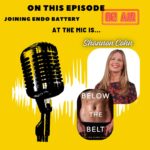
When Shannon Cohen Stepped back from her legal career to shine a light on endometriosis through film, she redefined the landscape of women’s health advocacy. As our remarkable guest, Shannon recounts her own harrowing experiences with endometriosis, offering an unfiltered glimpse into the realities of these conditions. Her transformation into a filmmaker and social impact strategist gave rise to “Below the Belt” and “Endo What?,” films that serve as a rallying cry for awareness and action. Listen in as we unravel Shannon’s journey, where her daughters’ futures fueled a fire for advocacy, and discover how storytelling can become an extraordinary force for bridging knowledge gaps and sparking critical conversations.
This episode is a battle cry against the misinformation plaguing endometriosis awareness, emphasizing the dire need for research and inclusion in health policies. As we tackle the complexities of this disease, Shannon helps us understand why it is imperative to enhance research efforts for non-invasive diagnostics and targeted therapies. Our dialogue underscores the power patients hold when they become advocates for their own health, armed with credible, science-backed information. Join us for a compelling exploration of how lifestyle choices can significantly influence personal health, and witness how Shannon Cohn’s unwavering resolve is forging a path toward meaningful change in the realm of women’s health advocacy.
https://www.endowhat.com/
https://www.belowthebelt.film/
Website endobattery.com
Empowering Stories of Endometriosis Advocacy
Speaker 1
0:03
Welcome to EndoBattery , where I share about my endometriosis and adenomyosis story and continue learning along the way . This podcast is not a substitute for professional medical advice or diagnosis , but a place to equip you with information and a sense of community , ensuring you never have to face this journey alone . Join me as I navigate the ups and downs and share stories of strength , resilience and hope . While navigating the world of endometriosis and adenomyosis , from personal experience to expert insights , I'm your host , alana , and this is EndoBattery charging our lives when endometriosis drains us . Welcome back to EndoBattery , grab your cup of coffee or your cup of tea and join me at the table . My guest joining me at the table today is Shannon Cohen .
Speaker 1
0:50
Shannon is an acclaimed filmmaker and social impact strategist , renowned for her transformative storytelling , which transcends borders and challenges conventional norms . With a profound commitment to gender equality and dismantling stigma , she has transversed the globe , delving into the issues that resonate deeply with the audience worldwide . Leveraging her dual expertise as a filmmaker and an international law attorney , shannon's groundbreaking work extends beyond the cinematic brilliance . Her acclaimed films Below the Belt and Endo what serve as a catalyst for global change , particularly with the endometriosis community and women's health advocacy . Through her artistry and advocacy , shannon continues to redefine the power of storytelling , igniting conversations and affecting tangible change on a global scale . Please help me welcome Shannon Cohen .
Speaker 1
1:38
Thank you , shannon , so much for joining me today at the table , and I'm excited that you've joined me . This is kind of a dream come true for me , so thank you . Of course , it's an honor to be here . I've been a fan of yours for a long time , mostly because I love the work that you do and the ambition that you have to do it . But for those who may not know , below the Belt was not your first movie that you did . You actually did another project prior to that , called Endo . What . What was the most pivotal point and moment ? That you took your experience and put it into action .
Speaker 2
2:12
I think I probably put my personal experience into action throughout the entire process , before filming , while planning , while researching and then filming , and then , after the filming was , completing and releasing the films and really just trusting my own lived experience as a guide to say you know what this would be really helpful to know . Or this is where maybe some knowledge gaps are . It's just from my own personal experience and conversations with other people , I began to see , you know , different patterns , different gaps that I thought that we could fill with film and with some of the other materials that we've put together . So , I mean , the answer is , I think , constantly .
Speaker 2
2:54
I think we all do that too , by the way , it's not just me Like we're constantly using our own experience and ideas and expertise and , you know , in real time . I think that what we have to do is learn to trust them better . And this is me too . Like I'm constantly just saying , okay , yes , just trust your gut . There I mean , of course , always being open to really good , constructive feedback that comes from a good place and constantly trying to learn , to try to be better and do better , but at the same time , like knowing , no , this is valid . Like these are the feelings that I have . These are the experience that I have is valid and it's real , and leaning into that and trusting that .
Speaker 1
3:35
Yeah , what made you go the route of film ? It's not something that you would want to do without passion , because it's a lot of work . It's a lot of work , it's a lot of money , it's a lot of time and it's a lot of energy , to just try to kind of put it all together . What was that pivotal point for you , though , or what was the drawing point to making film ?
Speaker 2
3:56
Well , I am a filmmaker . I actually went to film school at NYU after I was a lawyer and created social impact campaigns around films that I was making . I was working with a production company in Soho , new York , and I actually started to see how films could be catalyzing tools for change and makes larger social impact , and in different subjects that were not related to women's health at all . And after my second daughter was born , I have endometriosis and I had symptoms , you know , when I was 16 , but didn't hear the word until I was 29 . So , like so many others , had a really long diagnostic delay , not for lack of trying . I definitely saw lots of specialists , had lots of tests and were , you know , was told lots of different things that were not endometriosis was wrong with me . So , really running the gamut , like so many people do . And after my second daughter was born , though , I read about the seven times increased genetic risk , and that really lit a fire under me , like my own experience to that point hadn't . And that's when I really started . I remember I just went on Amazon and actually just bought books on endometriosis for the first time ever , which is bizarre that it didn't occur to me to do it for myself , like I still , I think I was still in the first phase that a lot of us are in when we have a health condition , we just trust our doctors , yeah , and we just kind of say , okay , we'll do whatever you say , because you , you have the white coat , you've earned it . You know better than me . And at that point it all kind of just came together when I was like , huh , wait a second . Actually I don't think that's actually true . Something's quite not not computing here that I , you know , had this long diagnostic delay . I'm still , I've had experienced infertility . I just had , you know , a lot of hurdles put in place because of the lack of answers and the lack of effective treatments that I encountered due to the healthcare system . So , anyway , that kind of scared the crap out of me , basically for lack of a more articulate phrase when I read about that seven times increased genetic risk .
Speaker 2
6:04
Because I think , like so many people , when someone we love is threatened and it can be a child , but it could be our parents or our partner , our sibling , our best friend when they are truly threatened in some way , it just galvanizes . It will galvanize me in a way that I hadn't , you know things just crystallized in a different way , like wait a second , like no , this is absolutely unacceptable Because the thought of people I love going through what I knew that I'd gone through was just devastating , just the thought of it , and it compelled me to start , really , you know , putting like at all under a microscope and really looking at , well , why have things not changed in the 20 years since I first had symptoms ? Why is there still this diet , long diagnostic delay , why do we not have better treatments , like why does everything feel like a sledgehammer basically , where everybody is treated with the same medication or , you know , regardless of them , maybe the how they're presenting with symptoms or what their life goals are ? And it just felt all just primitive really , like there was no nuance to it . It didn't feel patient centered at all and that's because it hasn't or isn't , you know , in the mainstream . So basically I started digging , researching and like probably other issues , but with endometriosis , the deeper I , you know , the deeper I was digging , the more infuriated I became . That it just felt like a lot of the problems in the disease landscape were needless and just because nobody , nobody was challenging the status quo .
Speaker 2
7:45
Basically that was what was happening and it became quite clear that if anybody was going to change endometriosis it was probably going to have to be the patient community , which of course , is not fair because it's a sick community . But that's the reality . And the patient community need to be educated , they need to be empowered , they need to be unified and mobilized and , as a filmmaker and a lawyer , I see a lot of really great potential in storytelling to catalyze social movements to make a huge social impact , as long as it's organized and concerted and informed . I mean , it happens all the time , yeah . So I started doing research to figure out like , okay , how does this story need to be told ? Like , how can we educate and empower patients ?
Speaker 2
8:30
And it became pretty clear early on that I just felt like we needed two films , because you know patients needed education , like an accurate base of knowledge about education , like basically all of the things I wish I had known at 16 about the . You know the basic facts and symptoms and myths around . The really is meant to be an educational film for patients , for people to get an accurate base of knowledge about the disease from the world's experts so that then they can continue on to find what works for them . But it's just the information I wish every person knows right at the beginning , because then it's . You know it doesn't take 10 years to get that information , instead it takes an hour . And then , beyond that , I knew that we needed a film that was really more geared toward the mainstream and that's more of a typical documentary where you say you know , follow stories . You may not necessarily know about the condition or the issues when you start , but you know by extension , by learning about people's stories , you start kind of caring about them and then , by extension , hopefully , if I've done my job right as a filmmaker , as a storyteller , you start caring about the issues that affect them . So that's what we are doing with Below the Belt . You know a lot of people . Of course we have positive and negative feedback about both films from a lot of people .
Speaker 2
10:11
The films can't be everything to everyone . You know we had to make conscious choices about how to what to put in each film . You know and really endo what is meant for the patient community , the endo community , people looking for film . You know and really endo what is meant for the patient community , the endo community , people looking for answers , frontline providers , people who want to know like basic information about endo and below the belt is really meant for people who may have never heard of it , but to put endo on their radar . I mean , it's also , of course , meant for patients to feel like they've been . They're seen , you know , and their experiences are seen and , by extension , you know , a lot of caregivers have told me I felt seen , you know , I feel seen by your movie , because we do highlight the caregivers and below the belt , the people around the patients whose lives are absolutely affected by this disease , that I think a lot of times go unseen .
Speaker 1
11:04
Yeah , absolutely . It's so interesting because , you know , I started this podcast after I really figured out what endometriosis really is and how to really treat it , after years and surgeries later and then two girls later , and that was such a pivotal point for me as well in pushing me into motion , because I have two girls and when you have that statistic stacked against you , you automatically go into mama mode Like you want them to never experience what you've experienced , because the love is so deep . Right , the one thing I will say about the movie that and I loved it because we did an event in June and we did a showing and our primary focus was actually the support people and I cannot tell you the amount of support people that came up to us later that were like we needed this .
Speaker 1
11:57
Thank you so much . We felt seen that you guys were talking about support people and our panel consisted of a therapist , a surgeon , an acupuncturist , a PT Like . It was a well-rounded panel because it affects our whole lives , it affects everyone , and so the fact that you were able to draw that out in a gift and an ability that you have has impacted so many people and I think that that trajectory has taken you not only into the States everywhere and understanding advocacy in the United States , but you've done this globally and you've been able to reach a global audience . What has been the shift that you've seen globally in advocacy because of this film ?
Speaker 2
12:46
I mean , I think there's a global shift in advocacy without the film . I mean , I think things are changing and I think a lot of basically enough is enough , I mean , and I think that's happening everywhere around the world and I have to say the U ? S is behind the curve on a lot of it . I mean , we're doing our , not for lack of trying by our advocates , it's just the system is so complex . You know , it's just very complicated in this country right now , but places like Australia and France and Denmark and the UK , they're really making a lot of strides in putting together national action plans and getting movement on policy and in education . So I think it's really incredible , you know , and we can all learn from one another . We are absolutely working hard in the US and there are just tremendous barriers to change . It doesn't mean they're insurmountable and I we are getting past them , you know , and the and the beautiful thing is right now I think we're reaching like a critical , like a swell , you know where this
Navigating Endometriosis Misinformation and Advocacy
Speaker 2
13:55
.
Speaker 2
13:55
These issues quote unquote women's health conditions are getting a lot of attention and this is something that really applies to , to endometriosis and to all of us , and it is something that really applies to endometriosis and to all of us , and it's something that we can be a part of and to make sure that , you know , with policy and research funding , the endometriosis is included . That's something I work on every day , you know behind the scenes , and so many others do too , to just make sure that endometriosis is included in all of these things , because it deserves to be there . I mean , it's flown under the radar long enough and , as Heather Rodon says , it's like the wicked stepchild of gynecology . It's been that long enough .
Speaker 2
14:34
And because it's been relegated there , but it doesn't not because of any valid reason . It needs to be out , people need to be talking about it , it needs to have priority and it deserves a transformative amount of research funding and research funding that propels the studies forward that actually make a difference in people's lives . Things like biomarker research , a non-invasive diagnostic tool , targeted therapies , and things like answering questions about why endometriosis presents differently in different people . We don't know the answer .
Speaker 2
15:07
That's insane that we don't know the answer , and until we do know why it presents differently in different people , then the treatments are still going to be like sledgehammers you know , so we really need that transformative amount of research funding and I think we need to work in concert with other you know groups and countries and you know , as someone told me recently , you know we're all rowing in the same direction . We can have individual differences and individual like differences in goals and personalities and all of those things , but I think if we recognize that we all in fact , are rowing in the same direction and find commonalities and ways to work together , that we all in fact are rowing in the same direction and find commonalities and ways to work together , that we're all going to get there a lot sooner .
Speaker 1
15:48
Absolutely , and I do think what's hard about bringing more awareness to endometriosis is then we adversely , we have people that do spread some misinformation . Do you feel like that is a constant battle that you're facing globally ?
Speaker 2
16:04
Yeah , yeah , I mean , I think it's a battle that everyone's facing in every condition , and every topic right now , I mean we are inundated by information , by misinformation , by disinformation , and it's a real challenge and endometriosis and women's health and all and every piece of news or information that we get online or offline every single day . I actually had to talk to my daughters about that recently because they were watching something and I was like this isn't true . Like I knew it wasn't true it had nothing to do with endometriosis , but I was like we need to talk about disinformation and misinformation , guys , like it was . It's something I think we're all battling and some of it is nefarious .
Speaker 2
16:43
I think a lot of it is just irresponsible . You know what I mean . Like people not really doing . I see quote , unquote , lazy journalism all the time where it's like cut and paste journalism and I'm just like this is what happened to real , you know , and it's not necessarily . It's just like a larger systemic issue we won't get into , like the challenges confronting journalism today with budget cuts and budget cuts and how .
Speaker 2
17:08
All of that . I mean it's a really thorny issue . I'm not saying that we're just talking about the recipient side of . How do we know what is trustworthy , how do we know what we can believe , how do we know what is backed in evidence , you know , in fact , and what makes research good , like what you know , and it's just , it is overwhelming to try to sift through . It really is , and there are a lot of people doing a good job at it .
Speaker 2
17:35
And I would say when people ask me , I'm like , find the people online who are unbiased , they're not funded by certain , you know , commercial interests , that have a certain point of view , that have something to gain by you believing in certain way , and that seem to be able to cite solid research studies that have really interesting insights to share , that aren't promoting one person versus another person or one provider of another provider . I think all of that's really important for people to kind of sift through as they're considering , like you know , which doctor should I go to , or what medicine should I try , or what should I try , this diet or diet ? You know what I mean . Honestly , it's just all so you know , overwhelming . But I would say like take it a step at a time , try to find really good , trustworthy information and that will help you find , you know , overwhelming .
Speaker 2
18:29
But I would say like take it a step at a time , try to find really good , trustworthy information and that will help you find , you know , a good healthcare provider that listens to you and takes your symptoms seriously , and you can be an advocate and a partner in your healthcare and not just a recipient of instructions from your healthcare provider , which I think so many of us and I was definitely guilty of it at first , where I just followed instructions and it wasn't until I just finally you know , after years of that realized like , okay , these instructions aren't quite working , they're not one size fits all .
Speaker 2
18:59
I know my body and really know what needs to work for me , and I've become attuned to my body for better or worse . Sometimes I wish I weren't . I'm just like , oh great , this pain is back today , like , oh , you know but , and I wish I weren't . But at the same time , it has taught me certain things that I'm not very happy about , for example , that I don't do very well with sugar personally , and when I have sugar I become a little bit achier , I become like I just don't feel great , you know , and that is my most favorite thing . So that's why it's so unfair .
Speaker 1
19:37
I mean why ?
Speaker 2
19:38
can't it be something gross Beef and eggs for me .
Speaker 1
19:41
I'm like that's easy protein and yet I can't eat it . I don't understand this . Like it's so frustrating . That's the next movie I've got it . That's the next documentary Steps After Endometriosis Care . I know right , it's so frustrating .
Speaker 2
19:59
And I will say my last thing is there's no cure for endometriosis . You know I want everybody . I'm sure you're people who listen to this podcast and you know that I had expert surgery . You know that I feel like my disease was removed from my body but I still , you know , have symptoms . I mean there's more to this disease , like we don't know the answers . But I still have to manage my symptoms with an array of physical therapy from time to time , not constantly , but when things act up .
Speaker 2
20:30
You know I've found that that helps me . Diet certainly helps , you know , like a certain way of eating certainly helps , and that's a lot by trial and error and what has worked for me . Like I have a good friend that she doesn't have a problem with sugar , so I mean great , I'm jealous , but um , but you know she has a problem with gluten and I don't actually have a problem with gluten . So it's kind of like a very you know it's just a nuanced process and I take medications . You know medications help , you know , as I . You know I always quote Heather Gordon all the time .
Speaker 2
21:05
I'm just going to , like she used to have her own citation shorthand but I mean , oh gosh , what does she say now ? I'm like making to , like she used to have her own citation shorthand but I mean , oh gosh , what does she say now ? I'm like making a joke and I can't remember what she said . But she was like without medicine . She was like without drugs we'd all be dead . I mean , you know that's a bit hyperbolic , but you know what I mean . It's true . It's not that like I'm anti drugs or anti medication . I mean I think that we probably all need some type of medication at some point .
Speaker 1
21:32
You know to manage our lives .
Speaker 2
21:35
Of course I need to go to show up for my kid , then I'm going to take some medication , you know like that's just the way it is sometimes . I'm not that I'm anti any kind of corporate interest that creates a narrative for its own bottom line and not for the betterment of patients . That's what I'm against . So there's a difference there , absolutely , and I hope that we can all get informed consent and be empowered and educated and find the answers for us individually , but also us collectively . That's my hope and my goal .
Speaker 1
22:08
Yeah , and what do you have coming up Like , do you ? Because you're globally working on legislative pieces ? You're also , you know , doing panel work . Are we going to see more films ? Are we going to see just more in the bills and policies and laws that are implemented ? What are we going ? To see from Shannon Cohen next .
Speaker 2
22:28
That's all I care about right now Well , what are we going to see from Shannon Cohen next ? That's all I care about right now . Well , I mean , maybe a film . Maybe a film sometime , but it's not something I'm actively working on right now . I'm considering topics and researching and thinking about , like you say , like what's actually needed , you know , and thinking about what would be helpful for where we all are on our journeys .
Speaker 2
22:47
Yeah , good , we'll talk about that later . A lot of the work that we're doing right now is an impact and that's what I'll be working on for the rest of the year working with policymakers and DC to try to , you know , get different policy changes to get into nutriosis , additional research funding from the NIH , the TOD , widespread awareness . Continuing on making the film accessible around the world . We're in discussion right now with different platforms . We're just trying to . You know it's so difficult with distribution . It's not a linear process , it's not a fast process , but if you're trying to get to the widest audience possible in a way that lasts , it takes a bit of time and it's complicated , but we're getting there and I hope that it's available widely on all types of platforms very soon .
Speaker 2
23:32
And the third aspect is education . Education for patients , but also we're really focusing on medical providers . So school nurses we have a school nurse program . We've educated thousands of nurses in the U ? S and around the world . And then we're launching very soon a frontline provider educational program in partnership with Harvard Medical School and Mayo Clinic . So a lot of what I'll be doing is working on that and making sure that when patients come to them educated and empowered , that , then , the second half of that equation is the provider is equipped to meet them halfway to know what symptoms are and to believe them , and then to refer them to a specialist . That's my goal now is to get to that part .
Speaker 1
24:17
Shannon , that's so good . Well , thank you so much for taking your time and for spending some time with me today and all the valuable insights you have on endometriosis and advocacy and everything that you're doing . Thank you so much .
Speaker 2
24:29
It's such a pleasure to see you and to chat with you , and I'm happy to try to do this more .
Speaker 1
24:35
Yes , let's do this again . Thank you so much for joining me , of course . Thanks a lot and until next time , continue advocating for you and for those that you love . Thank you .