
Send us a text with a question or thought on this episode ( We cannot replay from this link)
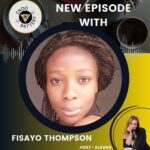
Endometriosis is more than just a medical condition—it’s a relentless battle against misdiagnosis, systemic healthcare failures, and societal stigma. In this powerful episode, we shares our deeply personal journeys with chronic pain, shedding light on the emotional toll of navigating an often dismissive medical system. We continue our conversation with filmmaker and advocate Fisayo Thompson, who brings her unique perspective as both a patient and storyteller, using her platform to push for change.
Together, we unpack the hidden challenges of endometriosis—from the psychological impact of chronic illness to the urgent need for better education and medical support. With raw honesty and resilience, we discuss how community, advocacy, and breaking cultural taboos can pave the way for better treatment and awareness.
🔹 The emotional & medical struggles of endometriosis
🔹 Fisayo’s personal experiences and her documentary’s mission
🔹 How healthcare barriers delay diagnosis & treatment
🔹 The intersection of mental health and chronic illness
🔹 Why advocacy and education are critical for change
This episode isn’t just a conversation—it’s a call to action. Whether you’re battling endometriosis, supporting a loved one, or seeking to understand this condition better, tune in for a deeply compelling discussion that will leave you informed, empowered, and ready to help shift the narrative.
#EndometriosisAwareness #ChronicIllness #HealthcareAdvocacy #MentalHealth #InvisibleIllness
Website endobattery.com
Introduction to Alana's Journey
Speaker 1
0:02
Welcome to EndoBattery , where I share my journey with endometriosis and chronic illness , while learning and growing along the way . This podcast is not a substitute for medical advice , but a supportive space to provide community and valuable information so you never have to face this journey alone . We embrace a range of perspectives that may not always align with our own . Believing that open dialogue helps us grow and gain new tools always align with our own . Believing that open dialogue helps us grow and gain new tools . Join me as I share stories of strength , resilience and hope , from personal experiences to expert insights . I'm your host , alana , and this is IndoBattery charging our lives when endometriosis drains us . Welcome back to IndoBattery . Grab your cup of coffee or your cup of tea and join me at the table Today .
Speaker 1
0:46
I'm thrilled to welcome Fasayo Thompson , a filmmaker , director and producer dedicated to telling powerful , untold stories . As the creative force behind Walking Through Walls , fasayo uses her platform to shed light on the realities of living with endometriosis , something she knows firsthand . Her journey with endometriosis began in her teenage years , but , like so many others , she faced cultural taboos , misdiagnosis and systemic health care barriers along the way . Through her documentary , she not only raises awareness , but also advocates for a better education , improved medical care and open conversations about chronic illness . Beyond filmmaking , visayo is a passionate advocate working to create resources and support for those affected by endometriosis . I am so excited to have her here to share her story , her work and her mission . If you haven't heard part one , I recommend you go back to episode 113 , where Fasayo talks more about her story . Here's a reminder where we left off and where we're going . What has been your experience walking through that , from surgery to surgery and still struggling at times ?
Speaker 2
1:57
It's been heartbreaking . I don't know if there's another worse word to explain that , but it's been very heartbreaking to go from surgery to surgery . And you're right , I did set very high expectations for every surgery and I'd say I remember , you know , every surgery I went to , from the first one in 2020 . That's my first excision . I'd say , oh , one and done . I used to say one and done , one and done , one and done . But now , if you get one and done , I used to say one and done , one and done , one and done . But now , if you get one and done , you know .
Speaker 2
2:27
So , over the years and with repeated surgeries , I've learned to manage my expectations . I've had doctors say manage your expectations . I've had surgeons say that , but I didn't take that to heart until after coming out of surgery . You know , giving it a couple of weeks , couple of months and then realizing , oh , my goodness , this is not the end . You know , giving it a couple of weeks , couple of months and then realizing , oh my goodness , this is not the end . You know I still got to go back again .
Speaker 2
2:48
So , yeah , I now advocate , you know , to take it easy on yourself . You know if it's a one and done for you , wow , congratulations . But if it's not , don't be hard on yourself , it's not your fault , you've done your best . And also to also realize that endometriosis has a lot of consequences on the body . You know , some of them can be not be treatable by surgery . You know , some people have lost organs . I've lost organs too , and when you lose organs it has that effect on the body . There's a way . You know God . For those of us , I believe God designed the body and if something is , know god . For those of us , I believe god designed the body . And if something is missing , you feel it , you know it , you know right and so it's very important to to manage expectations , to have a multidisciplinary team .
Speaker 2
3:35
I think you know we , we are very fixated on surgery , because surgery is the only treatment as of now , because because there's no cure . But we also have to realize that endometriosis , when seeking out care , we should have a multidisciplinary team . So that's what I'm doing a lot of now in functional medicine , you know , trying to supplement this , that mental health as well , because I got to a point where my husband said I know you're strong , but you need mental help . You know , and I agree because you know the tears , the despondency . It was a lot . But I've had to talk to myself , you know , and I still do this , still today , and I tell people to when they talk to me , by which is I say take it and easing yourself , don't be hard on yourself . If all you do in a day is survive , you've done the most important thing . I'm a recovering perfectionist . Yes , he runs a family . Yes , same .
Speaker 2
4:34
And I had my life mapped out and just this morning I was preparing everybody to go out . I walked from home and everyone was going and I realized , on a scale of one to 10 of what I wanted my life to look like . I'd say maybe I'm on a two on what I want my life to look like at this age . You know so many things I thought I'd figure out I'd ticked off . I'm on a two , but I've learned to be happy with the little things . I have a roof over my head . I have food , you know I'm happy with that . I can , I can walk , you know I'm happy with that .
Speaker 2
5:10
I've gone from two crutches to one crutch . So I try not to be so frustrated . From time to time I still go back to my crutch because I still have ongoing issues . So when I have to then go back to using the crutch I feel very , very I feel bad . But I said , okay , at least it's not two crutches , it's one crutch . So there is still something to be happy about .
Speaker 2
5:33
So it's very hard on the mental health and knowing that you may not be as perfect as the normal person in court , as the normal person in court , but still be grateful for what you have . Some people don't have what you have , you know , and just give yourself grace . You didn't ask to have it in the matriarchs , you just have it and you're doing your best , even oftentimes better than the average person . You've gone through everything and you're still standing , you're still going . So I give myself grace . I say okay , if not today tomorrow , if not today tomorrow , I did this today . Tomorrow is another day . So I take it by the day now and I hope you know people will live from that and just live in the moment , enjoy the moment .
Speaker 1
6:27
Yeah , that's something that I have learned in my journey is that it is a day by day , moment by moment I wouldn't even say it's always a struggle , but moment by moment reevaluation , right , and I do think there is something to be said about living in gratitude for what you can do and not in fear of what you can't do , Because fear holds us back . Gratitude allows us to live in that moment of okay , I can do this one step at a time , and even if it's not the most perfect step and maybe it's a painful step to take , it's one step and it may be a tiny one , but it's one step . And I think it's about the matter of perspection , right , Introspection , and perspective is is important , and that's kind of like my , my life's word is perspective , because I think without it you lose sight of value and you lose sight of growth and knowledge . And and I and I really think that if we sit in that space and think about , okay , my perspective is it's not perfect , but I get to do X , Y and Z .
Speaker 2
7:42
And .
Speaker 1
7:43
I'm in pain today . I can't walk but I can breathe . Or I'm having a hard time breathing today , but I have food in my belly . You know , it's little , finding moments of gratitude , finding pieces of gratitude
Support and Awareness Beyond Medical Advice
Speaker 1
8:00
, and that's not to be confused with toxic positivity , it's to give you a little bit of hope , sure , along the way , right , like if it's all doom and gloom , what gives you purpose , what gives you drive to keep going ?
Speaker 2
8:13
you know , but it's finding little pieces of gratitude , I think , make a huge difference in our journeys . Yes , and it just keeps you . It keeps you going , you know , gives you hope to keep fighting , because the mental health load , the mental health , I'd say the mental health is as heavy , is as terrible as the physical health . You know , people don't see the mental health burden and consequences of endometriosis . Usually it's not written on your face but it's huge . So people say , are you in pain ? Are you in pain ? I'm like , oh , I'm okay . But it's the mental health and healing . You know , and for me , I think , you know I've had the quite unlucky end of this thing somehow , because I've had surgeries go wrong . I've woken up with barely any painkillers and screamed and like almost lost my mind , you know . So we're walking through it and say , ok , that was horrible , that should have never happened . But I'm glad I woke up and little by little I'll heal every day till I get to a good place . Little by little I'll heal every day until I get to a good place .
Speaker 1
9:24
Yeah , do you think that there's been more barriers for you because you're an African woman ? Who people I mean you said it when they talked about this is a rich white woman's disease and that's something that I can't experience because to some cultures I might be rich , although I don't feel that way , but I'm definitely white living in middle America , very , very privileged . I recognize in a lot of ways , and do you think that some of these barriers that you have faced and some of the things that you've experienced is because of not only the color of your skin but your nationality and the culture that you come from ?
Speaker 2
10:12
Yeah , I don't think I know and I lived it , you know , and research supports it and I know many people want to bury their head in the sand but it's the reality and that's why I like the work that Endo Black is doing . But yeah , the first time I heard about this disease , my race came in immediately . So imagine and I always think back it took me about 19 years to first hear about this disease , because I now realize that there's a difference between the first time . There's a timeframe difference between when I first heard about this disease and when I actually got a diagnosis of this disease . You know , there's that two year gap between both .
Speaker 2
10:53
But the first time I heard about this disease I was dismissed as oh , I'm sure you don't have it because you're Black . And so now that I look back I wonder how many surgeons , surgeons , how many doctors have seen me , thought about , you know , the possibility of me having endometriosis , but did not mention it because I'm black . So imagine that that um doctor , the , the diner that said it , I remember she's um , she's Jewish , she's a female Jewish , um um doctor , and she said and she just said it in person and said I'm sure you don't have it , she's Jewish . She's a female Jewish doctor and she just said it in person and said I'm sure you don't have it . So I wonder how many other doctors before her had seen me and thought I do not have it . So maybe I may have even had an earlier diagnosis if I was white , if other doctors didn't see my black skin , you understand , and also africans .
Speaker 2
11:47
You know I've also had . Oh , I'm sure africans don't have it as well . You know you guys are strong and healthy . And no , we're not true , I have a white tongue .
Speaker 2
11:56
And because I usually end up in the a and e , you know , sometimes every couple of days , sometimes like clockwork every weekend , and I've had uncountable situations where I was refused strong painkillers , I get , I get to the hospital , I'm screaming in pain . Sometimes they want to bound me to the , to the doctors . There's some footages of me in horrible pain that that couldn't go on the film because of how violent they were , you know , and to be in that screaming pain , having to be held down , and they want to give me panadol . And my question is do you think I do not have panadol at home ? You know , I think we call it panadol in the uk , you call it tylenol . Do you think I have not taken more than enough tylenol , ibuprofen and diclofenac , you know . So I come to the hospital and I've had nurses and doctors on multiple occasions say , oh , come on , you can bear the pain , you're a strong woman . And I said , okay , what was that pause between the strong and the woman ? Right , I know you I most . I can bet you're about to see a black woman , you understand . So they say you're a strong woman and I'm like , okay , is that why you won't give me good painkillers ? And it took a while . I'd hear them outside my A&E room saying , oh , she's strong , she should be able to manage it . She's a mom . Because when they looked through my distance I say , oh , you have kids . I say yes , how did you have your kids ? Oh , just , you know , I had vaginal deliveries . They say , oh , come on , if you can bear , you know , vaginal delivery , you can bear this pain . And I said , no , this is different , you know , and that was just in a couple of hours you have the baby . But this is continuous and I'm fed up and they say , well , I'm sure you can bear the pain .
Speaker 2
13:39
There's even hospital research has shown that doctors think that black people have thicker skin and they have less nerve endings , so we feel less pain . So it is not what we not just think . It's documented that there is that bias . You know . I've seen someone else in pain less pain than me , outwardly and they go muffin and for the longest time I hear doctors say , should we give a muffin ? Should we give a muffin ? Maybe we should . We give her morphine ? Maybe we should give her morphine ? Oh , no , she's strong , she can bear it . She's a mom , you know . And the back and forth . Do you think she's drug seeking ? Oh , come on , I'm sure she can bear it . No , people expect black people to bear pain . They think we can bear pain , but no , we can't . We're all humans . There's only one race and that's the human race . So I think you know there's a lot of work to be done in medical schools and in the medical community to read that preconceived notion that black people can be a more pain . Even if we can be a more pain , that doesn't mean we should . Right , that's it . Yeah , but I don't even think we can . Or even if we can , that doesn't mean we should .
Speaker 2
14:49
And I wonder if that played a role , because when I had my hysterectomy , it was about a six , seven hour surgery and I woke up particularly without any painkillers . The reason they agreed to do the hysterectomy was because morphine wasn't working for daily pain . Now imagine being given the same morphine for for six hours . The surgeon said we kept cutting and cutting and cutting . We did our best , so I knew he didn't finish cutting . That's what it meant , basically right , you know .
Speaker 2
15:18
And so you give the same muffin that didn't work for everyday pain . You give it for six hours surgery where you cut out organs out of me . And you cut so much out of me . Why will you do that so for many years I'd cry every time . I think about the fact that you gave morphine because I almost died because they kept pushing the morphine pushing and my heart almost stopped on the table . I woke up , you know , in the intensive . So I feel like if I was a white woman , will you , will you do that ? I feel like we black women , we get the shorter end of the stick when it comes to painkillers , when it comes to being diagnosed on time , you know , and getting quicker treatment for endometriosis .
Speaker 1
16:03
It is documented . I know that he was advocating for you and was his word not valid in these scenarios either ? Because that's what to me was when talking about that is so shocking is because here , if your spouse who lives with you is a provider and is teaching medicine or is practicing medicine , they have more validity to their word most of the time , but it doesn't sound like that was the case for you guys .
Speaker 2
16:35
Yeah it was crazy . There was a point , you know , I stopped going to the A&E because they had labeled me drug seeking and they'd even told me to my face that you keep coming here because you want the morphine high , you know , and so I'd rather faint at home . I'd open the , I opened the door , I'd let my husband know I think I could faint your son and he keeps saying well , just call the ambulance , go
The Importance of Diverse Perspectives
Speaker 2
17:00
to the E&E . And I refuse to go because they wouldn't give me medications , so they won't give me the proper , adequate painkillers . And I'd always say but I noticed that every time I went with him , you know , they'd say , oh , just give paracetamol . Paracetamol , you know , injection , infusion . And he'd have to advocate to say , oh no , you can't .
Speaker 2
17:20
My husband , he used to walk in the accident and emergency at some point as well , and he'd say come on , I'm your colleague and I'm telling you she's in a lot of pain , she's in unbearable pain , she's managed all week and she can't take it anymore . You have to give something stronger . And I remember he used to say he was very frustrated and that it was traumatizing for him to be a doctor and see his wife in so much pain and still not be able to get her the help that she needs . So he said your journey has been very traumatizing to me , and so I can only imagine how much you feel that you're going through it . And so he says he feels very frustrated with his colleagues , especially when they treat black people . So he said you need to look beyond the skin color and give adequate pain medications . And I wouldn't even go to an E&E if I don't go with my husband .
Speaker 2
18:10
And if I say I'm in a lot of pain , they say , oh , we'll give you Panadol or Codine , but my husband has to speak up , and that's another thing . You know the sexism too is there . You know women are not believed , but if a man comes with you , they believe . So if my husband goes with me , they give me the morphine injection , but if I go in alone , they just give me paracetamol , paracetamol . Sometimes my husband will have to leave work and drive down to the e and e to tell them I'm a doctor and my wife is in a lot of pain . You have to give her something better . She needs morphine , right , you know ? And that's just crazy . And yes , he says , he says it a lot . He says sometimes I am ashamed to be a doctor when I see the way my colleagues treat women , you know , women with endometriosis , women in pain and even women generally that need medical help .
Speaker 1
18:59
He feels very frustrated about it or he's seeing this from just a care person's perspective . And I mean , there were so many times that I look back at my journey and think , wow , my husband was the backbone to my journey because I had no fight , I was in pain , I was defeated , I was feeling this sense of desperation that I was like I just wanna be done with it . I just I can't do this anymore . And he was the one that was advocating for me . But he also was super frustrated sometimes because he felt like he was hitting that wall , that proverbial wall of roadblocks and just all the things that many of us face and and it is traumatizing for them and it's so hard to see someone you love so much go through something so horrible and not be able to do anything . And if your husband's anything like mine which he sounds very similar is that he's a fixer . He wants to help people , he wants to fix , he wants to make it better and when he can't , it's so hard for them and it takes a toll on them .
Speaker 2
20:10
Yes , it does , because people back home both our families back home , you know , when he tells them about the struggles we go through , they say , oh , you know . And even my friends . They say , oh , you're lucky , your husband is a doctor , so I'm sure you'll fix it . You know , they think , oh , your husband can treat you . And I said , no , he can't treat me , he can't even see me as a patient . Right , do it . And so they say , oh , you're lucky , your husband is a doctor .
Speaker 2
20:35
I said , no , I am telling you , he has nothing to with him being a doctor . And he expresses his frustration . He said I'm . I mean , how do people that are not even medical manage ? You know , I'm a doctor , I can't help her . He says , no , I can't treat her , I'm a family doctor , I can't do anything , I can just follow her , I can talk , I can , you know , I can express it , and I see he says that . He can see that they believe when he tells them more than when I tell them , and that's frustrating for him as well . But even at that , we still hit brick walls . They still say , oh well , doctor , you know how the system is , you know , and it's like , okay , I give up .
Speaker 1
21:14
Honestly , right and I and I would say this is not like one country over another , this is globally an issue .
Speaker 2
21:23
Yes , and very global , yeah , very global . I think some places are worse than others . We're in a first world country and when we tell our family back home , they usually say , oh , but you know ? Oh , you're in a first world country , you're lucky . And I said no , it's global , it's everywhere . The struggles are everywhere . It's not based on the country you live in . To be honest , it isn't .
Speaker 1
21:44
Yeah , sometimes the first world countries are worse than some of the others , depending on the country , so there's other barriers in place .
Speaker 2
21:53
Oh , yeah , there are , because when I was struggling to get a hysterectomy , it was so bad and I was suicidal before that hysterectomy . It was that bad and it was afterwards if you've seen my uterus in the video and I put it side by side . There was a time I took so much morphine I almost lost my mind . I think I have an idea of how it is to actually go bonkers and lose your mind , to be honest , and I said I was going to do . There was that particular day . I said I could do something crazy right now , but I remember I have kids and all of that , and my family said you know what ? Why not just come back to Nigeria ? You live in the first world country . You can't get the hysterectomy . You could get a hysterectomy in one week Back home here . Just fly back . You know , if you have your money , you get quick medical care . That's against the long waiting time . So yeah , every country has its own barriers . Absolutely , absolutely .
Speaker 1
22:50
Absolutely , and there's a lot of red tape . The more established in the first world the country is . I think there's just a lot , a lot of the red tape , a lot of .
Speaker 2
23:01
Bureaucracy .
Speaker 1
23:02
Yeah , and you're up against the cost . Still . I think that's something that people feel and experience on multi-level approaches , even though we live in a first world country and we have access to care doesn't mean we can always afford it and that's a challenge . And we're paying for insurance here in the US . We pay for insurance to help cover our medical expenses and then it's not covered through our medical expenses . So , yes , there's barriers everywhere that you turn when it comes to this disease and a lot of that is because of the standard of care for endometriosis and because the lack of knowledge for endometriosis in medical school and in the workforce , even in when you're talking to a provider in the office .
Speaker 1
23:48
I think a lot of times providers stop at educating themselves when they leave medical school . It's what medical school taught them and beyond that it might be some experiential . But honestly , if you're not exploring past what is the norm , you're missing some things . We experienced this for endometriosis across the board and something that I loved that you talked about in the film was just that delay in progression of understanding the disease for providers and educators and that you know , like what you said with your husband , he didn't learn this but maybe a day in medical school and that was optional , and you broke this down , the pharmaceutical aspect of it . You broke down the educational barriers and biases , and I appreciated that , because it that is truly the crux of what we're dealing with with endometriosis is are those barriers . What was that like to kind of speak about that and to face that head on for this film ?
Speaker 2
25:11
of you know walking through , you know what's the route . You know , for every problem I I see I face , I always go to the roots . You have to pull it out at the roots , you know , and not just at the surface level , because I see a lot of us we're doing a lot of advocacy , many people are knowing about the matrices , but in terms of actual tangible results we're in so much you know . And so I said , okay , what's the problem ? And I spoke with my husband , I spoke a couple of doctors and he said , oh , they have guidelines as doctors , the guidelines they have to follow . So that's why I said , okay , maybe the problem is the guideline . So let's go to this guideline and see it . And you know , through the work of you know very , you know they're very passionate warriors , like ray ray the warrior . You know quite a number of them and funny diaries as well .
Speaker 2
25:57
She did a breakdown of that , you know . I also looked at the eshra , you know . I said , okay , eshra is the guideline . Eshra and nice they set the guidelines for the treatment of endometriosis . So maybe that's where the problem is coming from . So I looked at that , looked at the work of other people that we're talking about this and I realized that something's wrong here . This is where the problem is coming from . You can't expect doctors are bound to do this . This is the problem , this is the solution . Right , and they , they , I think they're fearful , they cannot go outside of that . So I decided , okay , let's take a deep , deep dive into this . So I want to acknowledge Fanny Diaries in reading all the work she did into this . It was very brilliant . And I said you know what ? All the things reading through Eshra and seeing so much you know pharma , pharma , pharma medications , medications , very , you know , not much discussion , in-depth talk and guidelines about surgery , but so much about GnRH and hormonal . And we know that . You know hormones are
Welcoming Fasayo Thompson to the Discussion
Speaker 2
27:00
a band-aid , they're not a solution . But I felt like the ESHRA guidelines went into much details about that and so I said , ok , who is on these ESHRA guidelines ? Who are the people setting up these guidelines ? So I found out , you know Professor Becker . You know he's the head of the guidelines , but there are members from all over the world .
Speaker 2
27:17
And then I began to see , okay , there's some people representing pharma , big pharma . Why are they in here ? That's a red flag . You know big pharma generally they're a for-profit organization . They want to make profits . They make medications for profit and they have to push this so that you buy it and they make bank . So why are they ? Their focus is Doctors are for us , patients , but pharma make these medications to make profits . You understand , doctors are not for profits , they're for patients . So why are they on the team ? So that's why , you know , I spoke with them , professor becker , to say someone's wrong here , let's go to , you know , to oxford and find out .
Speaker 2
28:00
But I spoke with a couple of people and said I want to do a deep dive into this . And people said oh no , you're treading on very slippery slope here , going after big pharma , you know , and exposing a lot of this . And I said yeah , I know , but we need to say the truth , or else we're just running around in circles . And if we don't say that , we need to say the truth , or else we're just running around in circles . And if we don't say that , you know , they say the truth shall set you free . You know , if you don't say the truth , you're not going to see tangible results . So that's why I had that conversation with Professor Becker . It should have been a whole lot more than that actually , but you know , I did another interview with him not too long ago . It's on my youtube page . That just had to be said . Right , you know that big pharma should not have any business being in eshra . But he did explain to say they're they're sponsoring , and I'd say , why is government not sponsoring ? The government should take the financial so that you can focus on the patients and not , you know , not big pharma . They may put one or two words in terms of how their hormones help and all of that .
Speaker 2
29:01
Or , you know , I just saw quite a number of , you know , yellow and red flags that absolutely needed to be exposed and I also walked . I walked to the lawyer to say , okay , let's be safe here . What's happening ? Let's do the right thing here . Yeah , well , there were , there were just a lot of .
Speaker 2
29:21
I'm not sure you should go down that path , but I didn't care . If you've seen me in pain , I don't care whose ox is good , and it's not just me , it's millions of us . We need to get to the bottom of this , find out what's wrong , who's causing it , who's in the way , who needs to get out of the way , right so that we can get the the changes and the help that we need . So , yeah , and I think you know that that part really , you know , stands out for people . You know people are really scared for me and say I'm not sure if you do this .
Speaker 2
29:52
But I said I don't care , because at that point , when I was making the film , I was coming out of surgery and we're going back into editing . Come on , go for surgery back into edit , go for surgery back into edit . And I remember telling my editor I said you know , I may not even live to see this film . I told her and I told my husband . I said if anything happens to me , surgery or for any reason , I can't make it because people have actually died from this disease , because people have actually died from this disease you know , and I was in a very bad place .
Speaker 2
30:18
I said if I don't make it to the end of this film , just make sure you release it and police put that in the investigation part of it . You know I'm a journalist it's got to show up in the film , yeah , so I'm glad I put that in there for people to dig deep into the roots , you know , and I hope people go deeper , because I think what I did was shine a spotlight on it so that people can dig deeper , you know , and continue the work from there .
Speaker 1
30:47
Yeah , absolutely . I think that made a big impact for me , just having it in a visual appearing piece where you can take it in If you're a visual learner , that was impactful . And I think gosh ma'am , we talk about this all the time and truly these are things that are life and death for some people , and that's why I think that it was so impactful , because you have lived that life and death and it's not just hearsay , it's not just you know . Well , this is what I think it is .
Speaker 1
31:20
This is I went back and I really looked at this because my life depended on this and to understand this , and so that's why the impact of that was so profound is because you've lived it and , anne , not only have you lived it , your family has lived this , and they've seen you walk through this . Not only have you lived it , your family has lived this and they've seen you walk through this . And if anyone has children , you know that when Mama Bear comes out , she does not back down . Exactly , I've got three girls .
Speaker 2
31:49
Yes , I've got three girls , two of them teenagers . So it isn't just about me and us , it's about our daughters too . And I'm really scared . I said is this what our kids are gonna are going to come into ? I'm a .
Speaker 2
32:02
I just found out that I think I'm a third generation endo warrior . My uncle told me that their aunt most likely had endometriosis because when he explained her symptoms they mirrored mine and she died at a young age . I have it . I suspect that my mom had endometriosis , possibly the silent type , but I see a lot of similarities in my health and hers . So their aunt , first generation and , who knows , earlier on , my mom's generation , my , my generation , and now I have three daughters , you understand , and I just shudder to think . And we know that endometriosis there's a high genetic component on this . You know there's a chance it will be passed down . So I wonder I'm not going to let my kids walk into this .
Speaker 2
32:53
There's that prayer , but aside from the prayer , we need to do something and call out people . Nobody should be profiting off of other people's illness . Yeah , you know we . Everybody keeps talking about hormones . Can we get diagnosis ? Can we get treatment ? Can people talk about the cure ? Why do we keep hearing about hormones . It's very frustrating . So , yeah , I think that's why I did that , and I didn't care whose ox was God , because I didn't even know if I was going to survive . So I don't care .
Speaker 1
33:25
It needed to be said . It needed to be said , and if someone was going to say it , fisayo was going to say it . We know .
Speaker 2
33:31
I have the reputation of being a rebel leader Right from my uni days . People say , oh , F're such a rebel leader . I say , yeah , if you need to be saved , we're going to save you . People are dying from this thing , Yep .
Speaker 1
33:43
You know , the thing that I've realized is that those of us with endometriosis have zero filter when it comes to this stuff , and it's because we fight so hard for day-to-day care not even day-to-day care , but we fight for better quality of life minute by minute and so I think we just lose our filters , we just stop caring , because we've repeated ourselves so many times to try to be seen , to be heard , to be validated that no longer do we care if we offend people . Sometimes , you know , and it's not even just about offending , it's about getting them to understand what we're up against . It's like , yeah , I'm walking through that wall . Wow , you , I mean , you hit the nail on the head with that one . Thank you , faisal .
Speaker 1
34:32
You have done so much already and you've done it in the face of adversity , and it's just . I am in awe of you all the time and thinking back to your story and talking to you every single time , which I love doing , by the way . But you're not stopping at just doing one film . You are doing other projects in conjunction to the work that you've done on the film . What are some of the projects that we can follow you on ? I realized from on the film .
Speaker 2
35:00
What are some of the projects that we can follow you on ? I realized , you know from making the film that I still have there's so many things , you know , so many information , so many very important information that still need to be out there . You know because of making the film . So I have a YouTube page . It's called Endo and All on YouTube where you know , I put , know all that , you know , good , very helpful information there . And I also , I remember you know , from the extra part of the film , people , you know a lot of people are in my dms asking you know how did that go ? They're asking more questions , asking why is pharma sponsoring what's happening there ? You know so many questions about that . So I went back to interview and professor christ Christian Becker to say many people have questions , can you please come on , you know , and answer and answer this . And he was very gracious , you know , granted to us , granted me an interview , and so that will be coming out and very soon on my YouTube page , endo and all . So , aside that as well , you know , my husband and I we co-authored an endometriosis adenomyosis kit , so it's on my website . I run a film production company , so it's Fit Film Production and on there we have the free information . Oftentimes you meet people or even your family , your friends . You can't start explaining endometriosis from the very beginning . So we have this kit where anybody can just go on the site fitfilmproductionproductioncom , download it and you get . You know the a to z of endometriosis and adenomyosis .
Speaker 2
36:24
And he also talks about endometriosis for teens . You know how to support themselves . I'm very passionate about about teenagers , you know , because that's they're at the point where they are not believed . You know they're at the point where they're also trying to figure out what's happening with them , you know . So we put that there . And also , um , women working and having a new matriarchs . You know , at this point I cannot do a nine to five because of , I think , but for women that have nine to fives and are constantly losing their jobs because they cannot keep up , like their , you know , other colleagues , how can they get help and how can their , their organizations help them ? So all of that is in that kit .
Speaker 2
36:59
And then when I
Fasayo's Story: Challenges of Diagnosis and Treatment
Speaker 2
37:00
go to I do , I go to companies , organizations . I also write to schools to say you know , I'd like to come in and talk about , you know , endometriosis , sexual health , menstrual health , that sort of thing , and I'd also like the parents to actually come in too . You know , it's not just the students . So I'm writing , you know , I'm hoping I get the opportunity to do that .
Speaker 2
37:19
And I approached , you know , the parliament , you know , in in uk , to say you know , we'd like to screen our film , we'd like to talk to you because there's actually an appg . So that's all , parliamentary group on endometriosis , you know , in parliament , but that's a long that's a story for another day . Well , things just , you know , didn't work out some charity ish and all of that , but I really still wanted to make tangible results . So I've gone back to my home country and we have a project , a week-long project , where we want to do advocacy for the public , teaching the doctors as well , teach the , the medical community , and it's not just family doctors or surgeons , you know . So what I'm doing is , you know , getting specialists from different country go back to my home country , teach doctors , surgeons from , from all the specialties , because we know endometriosis is an all the whole body disease you know , and then do marathon surgeries , you know .
Speaker 2
38:16
So that way , you know , endo warriors get surgery . They need right doctors , you know surgeons and residents . They get the skills you know surgical risk skills that they need . And then even people can look back on those videos . They watch it as well , you know , and they get a theoretical learning as well .
Speaker 2
38:32
So , you know like it's a week-long campaign , but you know we're speaking with the legal state government on this and you know they're very open to it . So I'm really praying , you know , coming this coming year we can see that inflation at least . You know , if , if we're able to impact , you know , people , I think it's , it's it's legacy , you know , because whatever you teach them , world class the top one percent of the endometriosis specialists and surgeons they're coming to nigeria to teach the people in Nigeria , you know , bring them up to standard , you know . So that's just a plan . I'm working on that on a daily basis because you know it's a multi-country thing , getting everybody from different countries into one place for a week-long event . So yeah , that's it .
Speaker 2
39:12
And also , you know writing to organizations to say we want to come in , talk to you , talk to your staff , and how to have these conversations . I've done a couple and it was really great . It was really great because then , you know , people began to speak up about their struggles too , and then they had that . You know they had that conversation , so it was great . So , yeah , that's just some of the things I'm doing right now .
Speaker 1
39:33
So nothing , I mean really . You're just not . You know , you're just sitting around twiddling your thumbs Because raising kids wasn't enough , we've got to overachieve and everything .
Speaker 2
39:46
Yeah , and hopefully make a film ? Yeah , I have that in sight sometime in the future . Yeah , I said no , this is not the end of it . Walking through us is not the end of it .
Speaker 1
39:56
No , it can't be . It can't be . I see another film in your future for sure . Oh yes , Definitely , definitely . If you need ideas , let me know . Oh yeah , absolutely , I'm open to those .
Speaker 1
40:07
Thank you oh yeah , oh , my goodness , fasayo , I just enjoy spending time with you .
Speaker 1
40:15
I love our conversations , I love sitting down with you . I love that this disease did not steal your joy , the challenges didn't steal your joy , and that permeates the wavelengths between us , it permeates the discussion and I just I'm so appreciative of that because it is so easy to lose sight of what joy can look like , even in the face of adversity . And I think that you have faced that beautifully , but not without its challenges and not without its moments of defeat . And I think , more than just what you've experienced from the disease , I think that people can take away that you don't have to let it dictate your entire life and how your outlook is in life , and I need that reminder sometimes . Even though it's hard , we can do this and I think a big part of that is community and reaching out to people who have been there and can build you up in moments that you cannot build yourself up . So I just appreciate everything that you're doing and the joy that you permeate and who you are in your advocacy .
Speaker 2
41:21
So thank you so much . Thank you , too , you're doing amazing Well . Honestly , you are , especially from one mom to the other . Sometimes we can barely take care of ourselves . We have to go and take care of the family and , you know , still have time for this , because I understand , you know , we know the bone grinding fatigue and you know for you to still keep on . You know do this . You know run an NGO , a podcast . That's a lot you're doing right there , honestly . So , yeah , I am in awe . Well done , I am so happy , you know , to know you . You know to have this conversation is beautiful , it's uplifting and you know , thank you for what you're doing for the community . It is great . Honestly , it is Thank you .
Speaker 1
42:04
You're beautiful , thank you . You know I have deep passion and compassion for this community and I have made some of the most profound friendships because of my angry uterus and pelvis , so I'll take it .
Speaker 2
42:26
I don't know I've made the deepest friendships , even people you know I've never met , you know . Hope to meet , you know , but we have this deep . Nothing is TMI . You know , conversations , yeah , it's great . Community is really great and it is what we need . I don't know where I'd be or what I'd do , you know , without the community , because sometimes you explain things , you say this is it , this is it , this is it . But it takes another person that feels it to understand that no , I'm not nagging , I really am Right . Yeah , so I'm just grateful . I really am Right . Yeah , so I'm just grateful . Yeah , I am grateful for this community and the fact that nothing is TMI . We can talk about hoops and talk about feelings and sex and all of that .
Speaker 1
43:12
I know Because it impacts everything in our lives , you know . And so I think , like if you haven't lived that experience , it's really hard to relate to it on a deeper level . And so when you have that community who gets it , it changes your outlook on the disease . It changes your outlook on relationships . It forms a different kind of relationship . You know , it's not like your typical relationship , it's a different . It's a whole nother ballgame with people who get it .
Speaker 2
43:42
Yes , the sisterhood you know in the community . You know people in the community . To me they don't feel like friends , they feel like sisters . It's like you know where we have arms intertwined in a war and you're facing this , you know , and the fact that you know we all got each other . There's no keeping things . You know , everyone is free and say , oh , this is , this is what I deal with . You know , and people are just there for you because they understand as well , they're going through it as well and nobody sees you as a burden . You know , that sort of thing is really really great to to to have this community .
Speaker 1
44:19
Yeah , I agree , and I look forward to building more community and hopefully one day we can meet face-to-face and not just online . But we will get there one day .
Speaker 2
44:26
I look forward to that . Yes , we will . Yes , we will . Thank you . Yes , I know a lot of people have been asking how to watch the film , where we're working really hard , you know , behind the scenes , I keep saying that I want the film to be out in such a way that everyone can see it , irrespective of where they are , their financial status and stuff like that , and I think that's one of the reasons why I set up the YouTube page , endo and All . So I'm looking at even having the film on there . So getting people to subscribe and down the road is a big possibility that we will potentially . Potentially and we're looking at different options but , yeah , that's an option as well . Potentially , because I don't want any barrier to people , you know , being able to access the film . I just want that global access , whether you're in the desert or in the snow , wherever you are , I just want people to just , you know , watch the film and learn and advocate for themselves . So , yeah , we'll get to that . We'll definitely get to it because we're working on it .
Speaker 1
45:29
Yeah , thank you . No , we needed to highlight that because I want everyone to see this film . It was very enlightening , impactful , and you know , I watched it with the board that I sit on with Indo Village and we all of us collectively were like , wow , this was so meaningful to us because we saw so much of ourselves in your story and and not the whole story . Everyone's story is different , it's unique to the individual , but I think just seeing pieces of it and walking through our own journeys and recognizing areas that we needed to readdress was important too , and we felt compassion and empathy for what you've been through and I think you know that really propelled us to continue doing what we do with our nonprofit . So kudos to you .
Speaker 1
46:18
And I really want everyone to watch this film because it's so good . But , flosayo , thank you so much again for sitting down with me at the table and being vulnerable and just sharing your story and all the things that you're doing . It's making a massive impact for this community and for that drive to push forward . So thank you so much for taking the time . Thank you .
Speaker 1
46:40
I am thrilled with our friendship and we're going to do another episode , I'm sure at some point , because this has been so fun . Thank you , Until next time , everyone continue advocating for you and for those that you love .