Send us a text with a question or thought on this episode ( We cannot replay from this link)
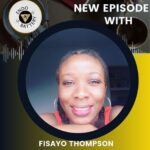
In this episode of Endo Battery, we sit down with filmmaker Fisayo Thompson as she shares her powerful journey with endometriosis and the cultural stigmas surrounding chronic illness. Through her documentary Walking Through Walls, Fisayo exposes the systemic failures in healthcare and the critical role of advocacy in raising awareness and building community.
What we cover:
• Fisayo’s path from early symptoms to diagnosis
• Cultural taboos and the silence around menstrual health
• The impact of misdiagnosis and medical gaslighting
• How Walking Through Walls is shedding light on overlooked stories
• The urgent need for better-informed healthcare providers
• Why validation matters—especially when “you don’t look sick”
• The power of storytelling in fostering change and collective healing
Tune in for an insightful conversation that challenges the status quo and empowers those navigating endometriosis and chronic illness. Don’t forget to subscribe, share, and leave a review!
Website endobattery.com
Endometriosis Journey and Advocacy
Speaker 1
0:02
Welcome
to
EndoBattery
,
where
I
share
my
journey
with
endometriosis
and
chronic
illness
,
while
learning
and
growing
along
the
way
.
This
podcast
is
not
a
substitute
for
medical
advice
,
but
a
supportive
space
to
provide
community
and
valuable
information
so
you
never
have
to
face
this
journey
alone
.
We
embrace
a
range
of
perspectives
that
may
not
always
align
with
our
own
.
Believing
that
open
dialogue
helps
us
grow
and
gain
new
tools
always
align
with
our
own
.
Believing
that
open
dialogue
helps
us
grow
and
gain
new
tools
.
Join
me
as
I
share
stories
of
strength
,
resilience
and
hope
,
from
personal
experiences
to
expert
insights
.
I'm
your
host
,
alana
,
and
this
is
IndoBattery
charging
our
lives
when
endometriosis
drains
us
.
Welcome
back
to
IndoBattery
.
Grab
your
cup
of
coffee
or
your
cup
of
tea
and
join
me
at
the
table
Today
.
Speaker 1
0:47
I'm
thrilled
to
welcome
Fasayo
Thompson
,
a
filmmaker
,
director
and
producer
dedicated
to
telling
powerful
,
untold
stories
.
As
the
creative
force
behind
Walking
Through
Walls
,
fasayo
uses
her
platform
to
shed
light
on
the
realities
of
living
with
endometriosis
,
something
she
knows
firsthand
.
Her
journey
with
endometriosis
began
in
her
teenage
years
,
but
,
like
so
many
others
,
she
faced
cultural
taboos
,
misdiagnosis
and
systemic
healthcare
barriers
along
the
way
.
Through
her
documentary
,
she
not
only
raises
awareness
,
but
also
advocates
for
a
better
education
,
improved
medical
care
and
open
conversations
about
chronic
illness
.
Beyond
filmmaking
,
fasayo
is
a
passionate
advocate
working
to
create
resources
and
support
for
those
affected
by
endometriosis
.
I
am
so
excited
to
have
her
here
to
share
her
story
,
her
work
and
her
mission
.
Speaker 1
1:39
Please
help
me
in
welcoming
to
the
table
Fasayo
Thompson
.
Thank
you
,
fasayo
,
so
much
for
sitting
down
at
the
table
with
me
today
.
I
cannot
express
just
how
grateful
I
am
for
you
for
sitting
down
with
me
,
and
how
excited
I
am
for
you
to
share
your
story
and
for
others
to
hear
your
story
.
So
thank
you
so
much
for
taking
the
time
to
sit
down
with
me
,
thank
you
.
Thank
you
for
inviting
me
.
Speaker 2
2:00
It's
great
to
finally
be
here
and
have
this
very
important
discussion
with
you
,
so
thank
you
for
having
me
.
It's
great
to
finally
be
here
,
you
know
,
and
have
this
very
important
discussions
with
you
,
so
thank
you
for
having
me
on
the
platform
.
Speaker 1
2:08
Yeah
,
it's
a
complete
honor
on
my
part
,
and
when
I
first
heard
your
story
,
I
was
so
impacted
by
it
,
because
your
story
has
little
pieces
that
everyone
has
experienced
,
but
when
you
put
it
all
together
,
the
picture
is
just
.
It
all
together
,
the
picture
is
just
.
I
am
amazed
by
your
grit
and
by
your
perseverance
and
compassion
.
Still
and
I
think
that
was
something
that
,
walking
away
from
learning
more
about
your
story
which
we'll
get
to
in
just
a
second
that
I
admired
the
most
is
that
,
beyond
everything
that's
happened
in
your
journey
,
you
still
hold
an
immense
amount
of
compassion
for
people
and
for
yourself
,
and
I
think
that
was
something
that
I
took
away
when
we
initially
had
spoke
a
while
back
offline
is
that
you
still
held
compassion
for
yourself
,
and
I
think
that
takes
an
immense
amount
of
grace
,
maturity
and
growth
to
happen
.
Can
you
tell
us
about
you
and
your
story
and
why
this
is
so
meaningful
for
people
to
understand
?
Speaker 2
3:10
thank
you
my
story
started
.
I'd
say
officially
13
,
but
looking
back
at
it
it
was
definitely
,
you
know
,
before
then
you
know
,
but
I
,
I
know
people
usually
,
and
doctors
and
um
articles
usually
say
,
oh
,
endometriosis
starts
with
first
monarchesis
,
which
is
your
first
period
.
But
for
me
it
didn't
.
You
know
,
I
was
in
junior
secondary
school
and
my
mates
were
beginning
to
have
their
periods
.
You
know
,
mine
hadn't
come
yet
,
but
there
was
just
this
crazy
pain
,
you
know
,
this
pelvic
pain
and
back
pain
that
I
had
now
and
when
we
you
know
young
girls
would
gather
and
talk
about
periods
.
You
know
,
have
you
started
?
Have
you
started
?
Have
you
started
?
In
oh
,
this
kind
of
conversation
,
I
said
no
,
I
haven't
started
yet
,
but
I
have
the
most
horrible
,
you
know
,
back
pain
.
Well
,
one
thing
you
know
that
I
realized
was
that
I
didn't
tell
my
parents
.
You
know
,
back
home
then
you
know
my
parents
,
they
had
a
bit
of
a
turbulent
marriage
at
the
time
,
so
I
didn't
want
to
add
my
,
my
issues
or
my
troubles
,
you
know
,
to
it
.
So
I
just
kept
thinking
,
oh
,
I'll
be
fine
,
you
know
,
pop
a
panadol
and
and
all
of
that
,
you
know
.
So
I
managed
that
for
a
couple
of
years
I
had
a
period
and
then
one
day
,
during
after
school
club
,
I
fainted
and
that
was
it
.
I'd
say
that
was
the
official
beginning
of
all
of
this
,
of
my
journey
.
Speaker 2
4:36
I
remember
,
you
know
,
then
we're
talking
with
my
friends
and
comparing
,
you
know
,
our
periods
and
how
we
feel
.
I
used
to
have
the
worst
pain
.
There
was
me
and
two
other
friends
who
now
also
have
their
diagnosis
of
endometriosis
.
I
connected
back
with
them
and
it
was
just
this
constant
back
pain
.
Speaker 2
4:52
But
I'm
originally
nigerian
and
talking
about
periods
is
quite
the
taboo
,
or
at
least
in
my
time
.
Then
you
just
don't
discuss
it
,
you
just
don't
talk
about
it
.
You
know
,
you
deal
with
it
yourself
,
you
know
so
.
And
because
we
don't
talk
about
it
,
it's
not
spoken
,
people
just
whisper
about
it
.
You
know
,
if
you
know
,
if
you
have
a
best
friend
there
was
nothing
to
that
,
I
didn't
have
anybody
to
talk
to
,
to
confide
in
.
I
just
knew
that
every
period
was
horrible
and
I'd
always
flood
.
So
I
used
to
.
I
remember
,
you
know
,
always
carrying
a
cardigan
on
my
and
I'd
have
blood
trickling
down
my
legs
and
I'd
,
you
know
,
try
to
rub
it
.
You
know
,
and
not
try
,
you
know
.
Speaker 2
5:32
So
I
had
the
worst
horrible
period
and
I
remember
asking
a
friend
who
you
know
,
who
started
periods
for
me
.
I
said
when
is
this
period
going
to
stop
?
And
she
said
my
mom
said
menopause
.
And
she
said
my
mom
said
menopause
.
And
I
said
when
is
that
?
She
said
when
you're
50
.
You're
like
,
oh
,
my
goodness
,
I'm
14
,
is
this
gonna
continue
to
50
?
I
need
to
lie
down
and
die
right
now
,
honestly
.
Speaker 2
6:00
And
so
every
period
and
ovulation
I
remember
then
like
clockwork
.
It
was
two
weeks
before
my
period
and
during
my
period
I'd
always
faint
and
I
had
to
be
taken
to
a
hospital
and
it
progressed
so
much
it
was
like
every
two
to
three
days
I
was
in
hospital
.
It
was
clockwork
,
all
the
teachers
knew
.
The
teachers
would
say
Fisayo
,
wait
,
let
me
finish
teaching
before
you
faint
.
And
I
screamed
the
building
down
Everyone
near
Fusayo
has
come
again
.
Speaker 2
6:28
You
know
they
say
come
on
,
it's
just
periods
,
manage
.
No
,
I
can't
manage
,
my
back
is
killing
me
.
And
I
think
in
my
culture
maybe
it
was
just
a
Nigerian
thing
at
the
time
they
say
only
pregnant
women
and
elderly
people
have
backaches
.
So
why
are
you
having
backaches
?
Are
you
pregnant
?
You
know
?
Speaker 2
6:48
But
I
didn't
want
to
say
it's
not
just
the
back
ache
,
it's
my
stomach
,
it's
my
pelvic
.
You
know
,
I've
got
pelvic
pain
as
well
,
until
my
family
doctor
said
I
realize
you're
always
here
on
your
periods
and
two
weeks
before
your
period
I
said
yes
.
He
said
do
you
have
tummy
aches
?
I
said
yes
,
I
have
really
bad
pain
,
especially
,
especially
during
my
period
,
and
he
just
said
hmm
,
and
that
was
the
end
of
that
conversation
.
Wow
,
and
he
didn't
say
anything
.
You
know
,
he
checked
,
checked
here
,
checked
there
,
physical
exam
,
and
that'd
be
the
end
of
it
.
I
had
a
permanent
bed
in
the
hospital
.
There
was
a
bed
that
wasn't
given
to
any
other
patients
because
I
was
constantly
in
the
hospital
,
two
,
three
days
in
the
hospital
.
It
was
that
bad
throughout
secondary
school
and
I
wanted
to
be
a
doctor
.
I
don't
know
if
I
ever
said
this
.
Speaker 2
7:32
No
,
you
didn't
tell
me
that
yes
,
I
always
wanted
to
be
a
doctor
.
So
I
went
to
,
you
know
,
I
was
a
science
class
and
,
um
,
I
flunked
out
.
Basically
I
couldn't
keep
up
because
there
was
a
time
I
was
out
of
school
for
a
month
plus
almost
two
months
.
So
by
the
time
I
rejoined
they
did
the
screening
test
.
I
failed
miserably
.
I
was
failed
miserably
and
I
remember
,
oh
,
the
brain
fog
too
.
And
second
option
was
art
,
because
I
also
love
the
creative
.
So
I
went
to
art
and
well
,
yeah
,
thank
god
for
,
for
the
career
I
have
now
.
Speaker 2
8:10
But
it's
just
crazy
.
You
know
how
my
journey
has
been
,
you
know
,
and
the
fact
that
there's
little
to
no
um
education
on
menstrual
health
for
,
for
young
kids
,
for
teenagers
.
You
know
,
but
I
think
you
know
that
is
getting
better
.
But
in
our
time
,
knowing
in
in
the
80s
,
90s
,
2000s
,
there
was
barely
anything
,
any
information
you
know
to
to
go
by
.
And
I
didn't
hear
the
word
endometriosis
till
I
was
,
I
think
,
about
29
,
30
,
you
know
thereabouts
.
And
it
was
just
crazy
the
way
I
,
the
way
I
heard
about
endometriosis
,
I'd
complained
.
Speaker 2
8:47
By
this
time
I
already
had
three
girls
,
three
kids
.
You
know
all
very
horrible
,
horrible
pregnancies
with
hyperemesis
.
You
know
I
survived
.
You
know
the
childbearing
years
,
but
the
pain
wasn't
,
you
know
,
with
every
pregnancy
.
And
finally
,
you
know
,
I
went
to
this
.
I've
been
passed
around
.
You
know
hospitals
,
all
the
to
this
.
I'd
been
passed
around
.
You
know
hospitals
,
all
the
department
.
I
knew
the
hospital
like
the
back
of
my
hands
.
I
knew
every
room
in
the
hospital
and
they
said
no
,
neurogine
,
gyne
,
this
,
that
psychology
,
blah
,
blah
,
blah
,
blah
,
blah
,
blah
.
Speaker 2
9:15
And
finally
I
ended
up
in
front
of
this
doctor
and
she
said
oh
,
I'm
sure
you
don't
have
endometriosis
.
That
was
the
first
.
I
said
oh
,
that
sounds
like
that
,
sounds
serious
,
what's
that
?
And
she
said
oh
,
don't
worry
,
that's
okay
,
you
don't
need
,
I'm
sure
you
don't
have
it
.
I
said
,
but
I
want
to
know
what
it
is
,
because
you've
said
I'm
negative
for
everything
else
,
there's
nothing
else
.
So
if
there's
something
,
can
I
be
tested
for
it
?
And
she
said
I'm
sure
you
don't
have
it
.
Black
women
don't
have
.
It
is
a
rich
,
white
women's
disease
.
Wow
.
Speaker 2
9:43
And
I
said
I
have
never
heard
of
a
disease
that
has
the
sense
to
target
rich
women
.
How
do
you
know
your
host
is
rich
?
How
do
you
know
she's
white
?
How
do
you
?
I've
never
heard
that
before
.
I
said
okay
,
what
if
I'm
the
anomaly
?
What
if
I'm
the
,
the
black
woman
?
They
,
you
know
,
they
,
they
square
peg
in
a
round
hole
,
you
know
right
,
and
we
test
for
it
.
And
she
said
,
oh
,
I'm
sure
you
don't
.
I
said
,
but
can
we
test
for
something
?
She
said
,
yeah
,
okay
,
let's
test
,
let's
do
an
mri
.
And
that
was
the
beginning
,
you
know
,
of
my
journey
.
And
I've
lived
in
three
continents
.
Wow
,
you
know
,
I've
lived
in
nigeria
,
I've
lived
in
grenada
,
in
the
caribbeans
,
and
I've
lived
,
you
you
know
,
in
London
.
So
all
these
doctors
,
all
these
years
,
all
this
misdiagnosis
,
and
no
one
thought
it
was
endometriosis
.
It
was
crazy
.
Speaker 1
10:32
Which
is
crazy
too
,
because
your
husband
is
a
physician
.
So
it's
not
like
you
didn't
have
this
other
component
to
your
story
and
it's
you
know
,
I
think
,
that
a
lot
of
us
struggle
to
get
diagnosed
and
who
struggle
to
understand
our
disease
.
But
when
you're
either
a
provider
or
you
have
a
personal
relationship
with
a
provider
,
I'm
sure
that
had
to
bring
up
some
questions
for
you
guys
,
but
also
it
maybe
changed
the
face
of
advocacy
for
him
and
for
you
.
Speaker 2
11:02
Oh
,
absolutely
,
yes
,
absolutely
.
I
remember
,
you
know
,
moving
from
Nigeria
to
Grenada
,
my
husband
worked
as
a
lecturer
at
the
medical
school
that
you
know
.
He
was
a
tutor
and
and
the
doctors
generally
if
you
,
if
you're
married
to
one
or
close
to
one
,
they
they
write
exams
almost
throughout
their
career
because
you
know
they
have
to
climb
up
in
Ohio
and
if
you
want
to
work
in
another
country
there's
exams
.
So
I
remember
being
in
so
much
pain
and
reading
for
his
exams
and
I'd
say
open
,
can
you
read
through
your
book
and
see
if
you
can
find
what
is
wrong
with
me
?
And
he
says
something
is
at
the
back
of
my
mind
,
like
I
don't
know
what
it
is
,
but
something
is
almost
clicking
but
not
clicking
.
I
don't
know
what
it
is
,
but
something
is
almost
clicking
but
not
clicking
.
I
don't
know
what
it
is
,
you
understand
.
And
when
I
finally
heard
the
word
endometriosis
,
I
remember
driving
back
home
I
just
had
to
park
and
I
called
him
and
I
said
dear
,
have
you
ever
heard
of
endometriosis
?
The
doctor
said
I
don't
have
it
,
but
that's
probably
the
only
last
thing
.
And
he
said
oh
,
my
goodness
,
endometriosis
,
oh
,
yeah
,
it
fits
the
bill
.
And
I
said
what
?
Are
you
serious
?
You
know
what
endometriosis
is
.
He
said
,
yes
,
they
just
measured
it
Unveiling Endometriosis
Speaker 2
12:13
once
.
Speaker 2
12:13
In
medical
school
they
teach
them
about
hundreds
of
thousands
of
diseases
and
conditions
.
And
this
was
just
,
it
was
an
elective
class
,
so
you
didn't
have
to
attend
.
And
it
was
just
,
it
was
an
elective
class
,
so
you
didn't
have
to
attend
,
and
it
was
just
mentioned
as
a
rare
disease
.
And
the
way
they're
taught
in
medical
school
is
,
you
know
,
when
the
patient
comes
in
with
this
set
of
symptoms
,
there's
something
called
differential
diagnosis
.
So
it's
most
likely
this
is
second
,
most
likely
,
that
is
taught
.
Most
likely
,
this
,
you
understand
,
you
know
.
So
between
the
first
and
the
only
mentioned
it
in
person
.
So
they
weren't
prepared
.
And
this
is
one
of
the
things
I
advocate
Now
.
Speaker 2
12:57
It's
not
just
advocating
for
the
public
and
women
to
know
about
endometriosis
,
it's
another
thing
and
very
important
to
advocate
for
the
medical
community
to
know
endometriosis
.
You
understand
,
and
this
is
why
I'm
very
wary
meeting
a
new
doctor
,
because
I
have
to
be
the
one
to
explain
what
is
endometriosis
,
because
even
I
was
married
to
a
doctor
that
I
didn't
know
,
my
,
my
cousins
.
I
come
from
a
family
of
doctors
,
my
godfather
is
a
doctor
,
I'm
surrounded
by
doctors
and
none
of
them
thought
about
the
condition
called
endometriosis
?
None
of
them
.
So
now
I've
had
to
go
back
to
all
of
them
my
physiotherapist
,
who's
done
physiotherapy
for
years
,
to
say
,
hi
,
I
finally
got
a
diagnosis
called
endometriosis
?
None
of
them
.
So
now
I've
had
to
go
back
to
all
of
them
.
My
physiotherapist
,
who's
done
physiotherapy
for
years
,
says
,
hi
,
I
finally
got
diagnosed
with
endometriosis
and
he
said
,
oh
,
what's
that
?
Oh
,
that's
rare
,
oh
really
,
okay
,
it
makes
sense
,
you
know
.
And
now
everybody
says
,
oh
,
sorry
,
we
really
didn't
know
.
We
never
really
thought
it
was
rare
,
we
didn't
think
you'd
have
it
.
You
know
that
sort
of
thing
.
Speaker 2
13:52
So
it's
really
changed
the
face
of
advocacy
for
him
as
well
.
You
know
,
because
he
says
almost
on
a
daily
basis
he
sees
and
diagnoses
endometriosis
patients
.
So
women
coming
from
many
other
doctors
maybe
you
know
.
Second
third
opinion
and
he
could
tell
that's
endometriosis
.
Even
if
you
come
in
for
a
kidney
issue
or
liver
issue
or
cardiac
or
whatever
part
of
your
body
,
you
can
say
you
know
what
I
know
?
This
is
endometriosis
is
not
a
gyne
disease
,
like
other
doctors
say
.
And
he
tells
his
mates
he
says
don't
look
at
it
as
a
gyne
issue
.
If
a
woman
comes
in
with
with
a
problem
in
any
part
of
her
body
and
the
site
is
worse
during
her
cycle
.
Endometriosis
,
think
endometriosis
before
anything
else
.
Speaker 1
14:36
You
know
,
and
I'm
very
glad
that
dr
ken
cenevo
mentioned
that
in
the
in
the
documentary
yeah
,
yeah
,
and
let's
talk
about
the
documentary
,
because
you
created
this
documentary
,
which
I
sat
back
and
watched
in
awe
of
everything
you've
been
through
.
But
the
things
that
you
tackled
in
your
documentary
weren't
just
for
you
.
It
was
looking
at
the
systemic
issues
surrounding
endometriosis
,
the
training
issues
surrounding
endometriosis
,
and
it
walks
through
your
story
figuring
this
out
and
,
man
,
it
was
so
good
.
It
was
so
good
because
it
gave
voice
to
a
lot
of
the
experiences
that
many
of
us
have
faced
,
and
whether
that's
you
know
,
seeing
a
doctor
who
didn't
believe
you
or
felt
like
ablation
was
the
only
option
or
medical
management
was
the
only
option
,
and
that
you
know
that
we
shouldn't
have
the
choice
in
how
we
approach
our
care
.
I
think
all
of
us
have
had
that
experience
at
one
point
or
another
.
But
you
just
put
it
into
film
.
Tell
us
a
little
bit
about
this
film
and
the
process
to
do
that
and
kind
of
what
you
experienced
walking
through
doing
this
film
.
Speaker 2
15:50
Oh
,
well
,
I'd
say
,
what
made
me
do
the
film
?
People
ask
this
question
and
it's
for
a
number
of
reasons
.
I
remember
one
time
I
was
watching
,
just
watching
TV
,
and
I
think
it
was
Kelly
of
the
now
defunct
Destiny's
Child
mom
,
early
on
,
and
she
said
,
you
know
,
in
the
interview
she
said
she
was
beginning
to
forget
her
mom's
face
.
There
about
,
you
know
,
and
that
young
children
who
lose
their
parents
,
you
know
,
for
example
,
maybe
their
mom
,
it
gets
to
a
point
,
you
know
,
in
your
adult
years
her
face
,
you
know
,
begins
to
blow
.
And
at
that
point
I
was
at
the
height
of
the
pain
,
everything
I
felt
,
like
I
was
literally
dying
,
and
that
really
scared
me
Because
at
the
time
my
kids
were
very
young
and
I
just
looked
at
them
in
horror
and
say
,
excuse
me
,
if
I
die
today
from
this
disease
,
you
mean
to
tell
me
my
kids
will
probably
forget
what
I
look
like
,
you
know
.
So
I
said
,
well
,
I
need
to
keep
something
for
them
.
Okay
,
maybe
I
should
just
begin
to
record
things
so
that
they
can
watch
,
you
know
.
And
then
I
also
thought
,
okay
,
when
they
grow
up
,
god
forbid
I
die
from
this
how
would
they
know
I
?
I
fought
.
Well
,
you
know
,
I
fought
to
stay
alive
.
I
fought
to
keep
them
,
I
fought
to
be
their
mom
,
to
to
really
do
you
understand
.
I
didn't
want
anyone
else
to
tell
my
story
.
I
wanted
them
to
see
this
in
in
pictures
and
in
videos
.
You
know
keepsakes
,
you
know
memories
.
So
I
said
,
okay
,
you
know
I'd
start
,
you
know
,
filming
day
to
day
my
struggles
so
when
they
grow
up
as
adults
,
you
know
they
can
,
you
know
they
can
remember
this
.
Speaker 2
17:27
And
also
,
every
time
I
saw
a
doctor
and
I
explained
my
,
my
symptoms
,
they
didn't
believe
me
and
it
was
always
frustrated
.
They
always
said
,
oh
,
but
you
look
good
.
How
old
are
you
?
Oh
,
oh
,
really
,
you're
a
mom
.
You
look
so
young
,
you
look
too
young
to
be
a
mom
.
And
I
said
,
okay
,
yeah
,
well
,
I've
got
this
problem
.
Speaker 2
17:46
And
they
said
you
don't
look
sick
.
There's
always
that
you
don't
look
sick
,
your
symptoms
sound
terrible
,
but
you
look
good
,
you
stand
you
.
This
is
you
,
I
can
see
you
.
You
look
beautiful
.
You
look
young
and
beautiful
.
You
don't
look
like
what
you
say
you
are
.
Are
you
sure
,
you
know
?
And
so
there
was
that
gaslighting
,
to
be
honest
,
you
know
.
And
they
did
say
,
um
,
okay
,
maybe
you
know
painkillers
or
something
,
but
I'm
not
sure
it's
as
bad
as
you
say
it
is
,
you
know
.
So
I
said
,
okay
,
maybe
you
know
next
time
I'm
going
through
it
,
next
time
I'm
having
sure
it's
as
bad
as
you
say
it
is
,
you
know
.
So
I
said
,
okay
,
maybe
next
time
I'm
going
through
it
,
next
time
I'm
having
a
flare
up
,
I
record
it
and
then
show
it
to
the
doctor
so
that
they
can
see
me
.
I
say
,
okay
,
this
is
me
,
of
course
.
When
I'm
seeing
the
doctor
I
have
my
bath
,
I
dress
well
,
nobody
wants
to
look
terrible
,
yeah
,
you
know
.
Speaker 2
18:28
So
I
recorded
those
videos
also
as
evidence
to
say
see
,
this
is
me
when
I'm
really
bad
,
when
I'm
in
pain
.
This
is
what
I
look
like
,
you
know
.
And
also
I
remember
when
I
typed
,
you
know
,
the
first
time
I
heard
about
Novitriosis
.
Immediately
,
you
know
,
I
went
on
Google
.
Then
I
went
on
Instagram
,
you
know
,
I
typed
Novitriosis
and
I
saw
so
many
things
and
so
many
women
who
were
sharing
their
stories
and
something
just
clicked
in
me
At
that
time
,
you
know
I'd
turned
down
.
Speaker 2
18:52
You
know
I'd
turned
down
,
you
know
,
many
jobs
.
I
work
in
the
film
industry
and
I
couldn't
work
because
I
couldn't
give
my
best
,
you
know
,
and
I'd
lost
my
career
,
basically
,
and
I
I
just
thought
to
myself
these
people
,
women
with
endometriosis
,
they're
talking
about
this
,
you
know
,
but
I
think
people
don't
know
how
bad
this
is
.
But
we
know
that
show
,
you
know
,
seeing
is
believing
,
even
pictures
,
don't
lie
.
You
know
what
,
if
I
get
all
these
pictures
and
videos
and
make
a
film
or
something
out
of
it
so
people
can
see
and
not
just
read
about
it
?
When
you
see
it
,
you
believe
it
,
you
know
.
You
know
,
like
show
,
show
and
tell
not
just
tell
,
but
show
it
as
well
.
Speaker 2
19:28
And
then
,
you
know
,
that's
where
I
reached
out
to
a
couple
of
people
.
I
discussed
with
my
husband
,
you
know
,
are
you
comfortable
with
this
?
You
know
we're
quite
conservative
people
.
But
I
said
I
was
at
the
point
where
I
didn't
care
anymore
.
You
know
,
there's
this
thing
,
this
Nigerian
,
or
should
I
say
African
thing
,
where
you
know
you
celebrate
your
wins
but
people
keep
quiet
on
their
struggles
,
keep
it
,
and
say
,
oh
,
just
keep
it
in
the
family
,
keep
it
,
you
know
,
and
solve
your
problems
yourself
.
You
know
,
don't
expose
yourself
.
But
I
didn't
care
.
Everyone
was
looking
at
me
,
you
know
,
at
trip
,
every
time
I
go
to
the
hospital
.
So
I
didn't
care
at
that
point
.
I
just
wanted
people
to
see
and
believe
and
help
me
.
Speaker 2
20:03
And
I
said
,
you
know
,
if
my
husband
is
okay
with
it
and
he
was
from
the
guest
we
say
,
yeah
,
do
what
you
need
to
see
how
bad
this
thing
is
.
People
don't
believe
even
him
when
he
tells
them
how
bad
it
is
,
you
know
.
So
that's
how
,
how
we
started
.
I
said
I
don't
know
where
this
thing
is
going
,
but
let's
just
continue
.
And
I
started
with
my
phone
.
I'd
film
things
,
I'd
speak
to
camera
.
Trust
me
,
I
think
we
only
use
maybe
10
,
20
,
20
percent
of
the
entire
thing
I
filmed
got
terabytes
,
yeah
,
but
it
was
,
you
know
,
when
I
okay
,
let's
make
this
a
film
,
let's
let
people
see
it
,
you
know
.
So
if
people
see
my
story
,
then
they
can
believe
our
story
,
our
collective
story
.
And
that's
how
I
began
.
And
I
didn't
even
get
the
name
for
the
film
.
Speaker 1
20:49
To
the
very
end
,
I
just
kept
thinking
which
I
love
the
name
of
the
film
,
which
is
walking
through
walls
,
because
that
is
literally
what
it
feels
like
.
It
feels
like
you
are
walking
through
walls
to
get
care
exactly
I'd
come
back
.
Speaker 2
21:06
I
came
back
from
from
an
you
know
yet
another
appointment
,
you
know
,
and
I
was
being
told
it
must
be
psychological
.
You
know
,
I
think
you
really
,
because
I
always
declined
mental
health
,
because
I
knew
from
other
people's
women's
stories
that
once
you
get
into
that
mental
mental
health
department
you
weren't
going
to
take
it
taking
serious
,
you'll
be
flagged
as
a
mental
health
patient
and
it's
good
to
seek
mental
health
.
But
I
kept
declining
it
and
said
no
,
this
is
physical
,
is
physical
,
this
is
100%
physical
.
And
I
remember
venting
to
my
husband
saying
you
know
the
whole
story
,
you
know
everything
.
Everywhere
I
go
in
this
hospital
,
everywhere
I
go
on
this
journey
,
it's
just
like
walking
through
walls
and
something
just
clicked
in
my
brain
.
I'm
like
,
excuse
me
,
that
sounds
.
That
would
be
the
name
of
the
film
.
Speaker 2
21:51
And
he
said
,
yeah
,
it
sounds
good
,
and
that
was
how
we
got
the
name
of
the
film
.
Speaker 1
21:56
It's
so
applicable
to
not
only
your
story
but
so
many
of
us
just
based
with
navigating
this
health
care
system
anywhere
you
are
.
Speaker 1
22:09
I
mean
,
it
doesn't
matter
where
you're
located
,
endometriosis
in
any
,
any
healthcare
system
is
a
challenge
.
So
it
literally
feels
like
you're
not
just
walking
through
them
,
but
you
are
rammed
against
them
,
sometimes
,
where
it's
like
it's
an
unbreakable
barrier
to
receiving
care
.
And
I
think
that's
what
was
so
impactful
when
I
was
sitting
there
watching
it
,
thinking
to
myself
wow
,
you
had
more
barriers
than
some
,
and
I
think
one
of
the
barriers
that
many
of
us
don't
experience
is
the
extra
pelvic
piece
of
your
story
,
which
you've
had
multiple
surgeries
and
you
have
thoracic
endometriosis
as
well
,
and
so
you're
walking
through
a
lot
of
different
barriers
.
It's
not
just
pelvic
pain
,
it's
extensive
,
extensive
disease
,
and
so
for
someone
like
you
that
has
more
of
a
challenge
with
very
advanced
disease
.
I'm
sure
that
was
hard
to
walk
through
.
Can
you
tell
us
a
little
bit
more
about
that
,
because
I
mean
,
we
saw
it
in
the
film
a
little
bit
,
but
that
was
only
a
snippet
of
what
you've
experienced
in
your
journey
.
Speaker 2
23:18
Yeah
,
so
as
science
form
,
you
know
,
dealing
with
pelvic
endometriosis
and
having
multiple
surgeries
,
I
realized
that
every
time
I
had
,
you
know
,
pelvic
pain
,
I
had
pain
in
my
chest
as
well
.
So
on
both
sides
of
my
chest
it
was
more
on
the
left
than
the
right
.
And
I
remember
,
you
know
,
reading
from
I
think
it
was
extra
pelvic
,
not
rare
,
um
,
dr
wendy
bingham
,
she's
done
very
amazing
.
Yes
,
you
know
,
I
read
all
about
.
You
know
all
the
sites
.
When
the
juices
can
be
found
you
can
find
in
the
chest
.
I
say
,
yeah
,
yeah
,
exactly
,
you
know
.
If
it
can
be
found
anywhere
,
why
why
not
the
chest
?
You
know
,
and
I
remember
when
I
was
,
I
think
,
I
traced
my
,
my
chest
symptoms
as
far
back
as
17
,
18
Challenges in Endometriosis Treatment
Speaker 2
24:00
.
It
could
be
earlier
than
that
,
but
I
remember
,
you
know
,
I
was
doing
a
diploma
in
French
and
every
time
I
had
my
periods
I
was
like
I
couldn't
breathe
.
You
know
,
I
was
breathless
,
I
couldn't
breathe
.
And
then
,
you
know
,
I'd
get
rushed
down
to
the
clinic
and
be
told
,
oh
,
maybe
it's
panic
,
or
open
your
windows
.
And
then
finally
,
I
got
a
misdiagnosis
of
asthma
.
My
best
friend
was
asthmatic
at
the
time
.
In
fact
,
all
my
best
friends
,
coincidentally
,
had
asthma
and
my
mom
said
oh
,
you
finally
contracted
this
asthma
.
And
I
said
no
,
it's
not
communicable
,
it's
not
infectious
.
And
you
know
,
I
got
an
inhaler
,
I
used
it
.
It
wasn't
working
.
In
fact
,
it
just
made
it
worse
actually
.
And
I
said
I
don't
think
it's
asthma
.
And
the
doctor
said
have
you
noticed
?
You
always
come
,
every
month
,
every
month
,
when
you're
on
your
period
,
you
come
for
your
chest
,
you
have
chest
pain
.
I
said
yes
,
do
you
think
they're
both
related
?
He
said
I
don't
know
,
I
don't
think
so
.
Well
,
you
know
,
period
just
messes
up
a
woman's
body
.
So
you
find
just
feel
different
things
,
different
ways
.
But
yeah
,
just
continue
using
your
inhaler
.
And
that
was
17
,
18
.
And
I
continued
.
Speaker 2
25:14
But
we
put
so
much
attention
on
my
pelvis
,
but
my
chest
,
and
I
kept
thinking
how
am
I
going
to
tell
my
people
that
it's
not
just
my
pelvis
,
it's
my
chest
as
well
?
Something
is
wrong
in
my
chest
.
Every
time
I
laid
down
to
sleep
,
I
just
felt
like
my
lungs
was
filled
with
fluid
.
I
felt
drowning
.
I
kept
telling
my
husband
I'm
drowning
.
Every
time
I
lie
down
I'm
drowning
.
Speaker 2
25:31
And
he
said
God
,
for
Christ's
sake
,
where
do
we
go
with
this
?
Okay
,
see
a
doctor
,
see
a
lung
specialist
,
ask
to
be
referred
.
So
I
went
there
,
asked
for
a
referral
.
I'll
be
told
,
oh
,
it's
very
rare
,
it's
almost
impossible
.
I
said
,
well
,
if
it's
in
the
pelvis
,
well
,
the
chest
is
also
in
the
body
too
isn
to
in
it
,
you
know
,
and
it's
an
old
body
disease
,
you
know
.
Speaker 2
25:55
So
I
kept
pushing
,
you
know
,
for
,
for
,
for
,
that
you
know
.
And
then
I
was
offered
zoladex
,
said
,
oh
,
you
know
what
,
you
know
,
my
doctor
,
my
guy
in
there
,
then
said
why
not
just
go
on
zoladex
?
If
you
do
zoladex
you
just
clear
all
the
endometriosis
.
Well
,
I
read
that
.
No
,
so
zoladex
is
not
the
treatment
and
it's
not
the
cure
.
But
I
kept
pushing
.
Speaker 2
26:09
I
said
something
is
wrong
on
my
chest
,
especially
,
you
know
,
on
my
left
.
So
you
know
,
I
read
up
on
.
You
know
pelvic
,
I
mean
extra
pelvic
injuries
,
especially
diaphragmatic
.
And
I
had
all
the
symptoms
and
even
more
.
You
know
the
shortness
of
breath
,
the
shoulder
pain
,
the
pain
running
down
my
arm
.
You
know
even
my
heart
,
the
palpitations
,
everything
I
said
,
my
heart
,
the
palpitations
,
everything
I
said
.
Well
,
I
think
I'm
a
classic
case
.
We
really
need
to
look
into
this
.
Speaker 2
26:33
And
my
doctor
said
you
know
what
,
let's
focus
on
the
pelvis
.
You
know
,
there
may
be
the
chest
.
But
,
to
be
honest
,
nobody's
going
to
do
anything
or
operate
on
your
chest
unless
you're
at
the
point
of
death
,
and
that
you
know
.
That
really
rang
in
my
head
.
Like
what
?
Like
you
mean
you're
not
going
to
do
anything
at
the
point
of
death
?
He
said
yes
,
so
let's
focus
on
your
,
said
well
,
we
have
cardiothoracic
surgeons
,
don't
we
?
Can
they
not
do
it
?
He
said
no
,
they're
not
trained
to
do
that
.
We
don't
even
know
if
you
have
.
It's
too
risky
.
Nobody's
going
to
go
into
your
chest
because
you
suspect
endometriosis
in
your
chest
.
I
said
well
,
you
know
,
we
faced
a
lot
of
barriers
with
my
pelvis
.
I
think
we
should
go
into
my
chest
.
And
you
know
what
?
I'm
just
going
to
look
for
a
surgeon
who
will
say
yes
to
going
into
my
chest
cavity
.
Speaker 2
27:13
So
I
went
on
and
typed
in
thoracic
endometriosis
who's
done
surgery
?
Who
has
it
?
You
know
I
started
reaching
out
to
people
here
and
there
.
Then
I
wrote
a
list
of
doctors
,
narrowed
it
down
and
contacted
them
the
doctors
.
So
you
know
I
was
discussing
with
both
of
them
at
the
same
time
.
You
know
,
can
you
do
my
pelvic
and
the
rejuvenation
excision
and
my
chest
and
my
diaphragmatic
as
well
,
and
can
you
check
my
lungs
as
well
.
It's
very
important
because
I
keep
drowning
,
something
is
wrong
and
even
when
I
breathe
,
you
know
,
you
can
hear
,
you
know
that
sound
,
you
know
in
my
breath
,
you
know
.
And
they
said
yes
to
it
.
So
I
walked
with
both
of
them
okay
,
let's
see
which
one's
going
to
go
fast
.
Because
at
that
point
I
was
racing
against
time
.
I
kept
telling
my
husband
I
have
that
feeling
like
I
could
die
very
soon
if
I
don't
get
on
that
surgical
table
.
Speaker 2
27:57
So
,
yeah
,
went
to
Romania
.
Pelvis
went
well
,
but
the
chest
not
so
good
.
They
did
.
They
did
an
ablation
rather
than
an
excision
and
that's
very
important
that
I
put
that
in
,
you
know
in
the
film
and
even
you
know
in
the
run-up
to
it
that
excision
.
I
know
we
always
hear
excision
is
better
than
ablation
and
we
know
that
experience
is
not
the
best
teacher
right
,
you
know
.
Speaker 2
28:23
And
to
to
advocate
for
excision
over
ablation
and
still
fall
victim
to
an
ablation
was
very
disappointing
for
me
.
I
really
beat
myself
up
for
a
while
.
I
said
what
could
I
have
done
?
I
told
this
man
,
I
suspect
I
have
endo
here
,
but
I
will
only
do
excision
.
Can
you
do
excision
?
He
said
yes
,
I'm
a
professor
.
I
said
okay
,
professor
Kadil
,
thoracic
excision
please
.
Speaker 2
28:46
So
,
going
on
that
and
I
waking
up
and
I
didn't
see
any
one
of
them
,
I
woke
up
from
that
surgery
and
I
didn't
see
any
of
the
surgeons
that
worked
on
me
.
They
all
traveled
out
immediately
.
I
got
my
surgical
video
.
It
was
from
my
surgical
video
I
saw
that
they
burnt
me
.
They
did
an
ablation
instead
of
an
excision
.
I
reached
out
and
they
said
oh
yeah
,
we
did
our
best
,
take
ketamine
injection
twice
a
day
for
the
rest
of
life
.
I'm
like
nobody's
going
to
give
you
that
kind
of
injection
in
the
uk
and
I
can't
take
injections
for
the
rest
of
my
life
.
You
should
have
excised
right
now
.
And
that
brings
me
to
the
question
of
what
can
patients
do
to
make
sure
that
surgeons
keep
their
end
of
the
bargain
?
Speaker 2
29:29
yes
yes
,
another
,
yes
,
another
important
question
yeah
,
yeah
.
So
when
I
,
you
know
,
I
went
to
India
last
year
to
see
Dr
Mangs
,
I
said
excision
,
not
ablation
.
He
said
no
,
I
do
not
ablate
,
I
will
do
an
excision
.
I
said
you
better
keep
,
yeah
,
his
excision
.
Yeah
,
and
he
did
a
great
job
,
an
excellent
job
.
Speaker 1
29:49
Yeah
,
something
I
loved
about
your
film
is
the
fact
that
it
is
kind
of
open-ended
,
because
your
story
is
not
done
,
and
I
think
that
a
lot
of
us
walk
into
surgeries
,
like
you
said
,
hoping
that
it's
kind
of
the
end
of
that
road
or
the
end
of
that
storyline
.
And
I
think
that
,
to
be
realistic
,
not
everyone
is
going
to
have
a
blossoming
ending
.
You
know
that
romantic
ending
of
the
happily
ever
after
.
Speaker 1
30:15
You
know
,
and
I
think
we
have
to
be
realistic
in
this
disease
it's
not
just
about
our
stories
,
it's
about
the
capability
of
this
disease
and
for
some
people
,
you
know
,
after
they
have
excision
and
they
seek
out
proper
treatment
,
it
is
great
.
But
there
are
people
that
will
struggle
because
of
the
repercussions
of
the
disease
potentially
,
but
also
like
their
bodies
are
,
are
like
hubs
for
endometriosis
,
right
,
and
and
I
love
that
your
story
isn't
finished
in
a
way
because
it's
realistic
in
in
the
film
,
not
that
I
love
that
you
have
to
still
go
through
the
things
that
you
do
.
Managing Expectations in Endometriosis Treatment
Speaker 1
30:55
I
don't
want
you
to
hear
that
,
but
that
you're
painting
a
realistic
picture
for
so
many
people
and
I
for
myself
you
know
I
maybe
don't
deal
with
as
much
of
the
endopain
aspect
of
it
,
but
there
are
repercussions
of
living
with
this
disease
for
so
long
and
having
so
many
different
surgeries
and
having
so
many
other
things
,
other
comorbidities
,
that
accompany
endometriosis
,
and
so
it's
good
for
us
to
have
that
in
our
minds
when
we
are
seeking
care
,
that
this
is
step
one
and
if
it
goes
great
it'll
be
thrilling
.
But
if
you
set
that
expectation
so
high
that
it's
going
to
be
roses
after
and
then
it's
not
,
it
is
so
hard
on
your
mental
health
and
your
emotional
health
and
everything
else
because
you
have
this
high
expectation
and
this
dream
of
it
all
being
normal
again
.
Whatever
normal
looks
like
for
someone
right
,
and
when
it's
not
,
it
is
so
hard
.
What
has
been
your
experience
?
Walking
through
that
from
surgery
to
surgery
and
still
struggling
?
At
times
it's
been
heartbreaking
.
Speaker 2
32:05
I
don't
know
if
there's
another
worse
word
to
explain
that
,
but
it's
been
very
heartbreaking
.
Speaker 1
32:12
If
this
part
one
kept
you
captivated
,
come
back
for
part
two
of
this
episode
with
Vasayo
Thompson
.
It
only
gets
better
from
here
,
and
you
won't
want
to
miss
it
.
Until
next
time
,
continue
advocating
for
you
and
for
others
.
