
Send us a text with a question or thought on this episode ( We cannot replay from this link)
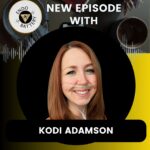
What if chronic illness showed up two months into your relationship and never left? We sit down with Kodi—writer, advocate, wife, and mom—to unpack what love, parenting, and identity look like when your body keeps rewriting the plan. It’s a raw, often funny conversation that moves from ER dismissals and misdiagnosis to the small, practical rituals that make each day livable.
Kodi breaks down the diagnoses behind her symptoms—hypermobile EDS, dysautonomia, and dystonia—and the eight-year gap before anyone named her dystonic storms. We talk about the reality of short appointments, medical bias, sensory overload in waiting rooms, and why telehealth can be a lifeline. If you’ve ever left a clinic feeling invisible, you’ll find language, validation, and next steps here: how to prioritize your top concerns, ask for concrete follow‑ups, and build a care plan that respects your limits.
We dive into identity after illness with Kodi’s deceptively simple keep–adjust–drop method. She revisits old passions, tracks how they feel now, and either keeps them, adapts them, or lets them go. Open mics became too loud; bluegrass jams with earplugs worked. Painting, puzzling, piano, and e‑biking now steady her nervous system. Think of it as a six‑inch plate—choose what truly nourishes you, and stop pretending you can carry everything. Alongside grief, humor plays a real role. Dark jokes don’t erase pain; they loosen its grip long enough to breathe, connect, and try again tomorrow.
Marriage and parenting evolve under the weight of symptoms, so we share tools that build closeness without burning out. A “transparency journal” helps trade hard truths with time to process. Bed snuggles, Lego show‑and‑tells, and couch movies turn flare days into gentle connection. Intimacy adapts by season—sometimes it’s deep talk while tag‑teaming dishes, sometimes it’s quiet presence. We also name the tradeoffs of cash‑pay therapies and frequent scans, and how choosing small, lasting joys—like watching snowfall—can change the texture of a week.
If you’re navigating endometriosis, EDS, dysautonomia, dystonia, or any chronic condition, this conversation offers honest companionship, practical advocacy tips, and a reminder that your story has value. Listen, share with someone who needs it, and leave a review so more people can find this space.
Website endobattery.com
Setting The Table
SPEAKER_02
0:00
What if chronic illness entered your life just two months into a relationship and never left? In this episode, I sit down with Cody, a writer, advocate, wife, and mom, for a raw, often funny conversation about love, parenting, and survival when your body changes everything. We talk about navigating a healthcare system that doesn't always listen, grieving that life you thought you'd have, and why humor, honesty, and self-advocacy can be a lifeline. This isn't a polished success story, it's a real one about choosing connection, building community, and finding strength in sharing the messy middle. If you've ever felt alone in chronic illness, this episode will remind you why your story and your voice matters. So stick around. This podcast is not a substitute for medical advice, but a supportive space to provide community and valuable information so you never have to face this journey alone. We embrace a range of perspectives that may not always align with our own, believing that open dialogue helps us grow and gain new tools. Join me as I share stories of strength, resilience,
Meet Cody And Her Story
SPEAKER_02
1:16
and hope. From personal experiences to expert insights. I'm your host, Alana, and this is Indobattery, charging our lives when Indometriosis drains us. Welcome back to Indobattery. Grab your cup of coffee or your cup of tea and join me at the table. Today I'm joined by Cody, who is a writer, advocate, wife, and mom who has spent the last decade navigating life with chronic illness, alongside love, parenting, and all the messy realities in between. After her health dramatically changed early in her relationship, Cody and her partner faced challenges that tested everything they thought they knew about marriage, resilience, and partnership. Through honesty, humor, and a whole lot of lived experience, Cody shares what chronic illness has taught her about relationships, self-worth, and survival. Not the polished version, but the real one. Her work centers on helping others feel less alone, offering insight, validation, and practical wisdom for those living with chronic illness and the people who love them. Cody's story is a powerful reminder that life with chronic illness isn't easy, but it can still be meaningful, connected, and deeply human. So grab that cup of coffee or tea and join me in welcoming Cody Adamson to the table. Thank you, Cody, so much for sitting with me today and joining me on the podcast. I it's such a privilege to sit down with someone and just have fun and talk. So thanks for doing that and sitting with me. I agree.
SPEAKER_00
2:45
I'm glad that you asked. I'm glad you reached out. I'm excited to have the opportunity to do this.
SPEAKER_02
2:49
Yeah. First things first, as we all sit down at the table and grab our cup of coffees, our cup of tea, what is your order for the day?
SPEAKER_00
2:58
My order, okay. So my favorite thing, and I drink this every day, like a crazy obsessed person, is bangle spice tea. It's very cinnamony, very like autumn-esque. Um, but then I add cinnamon chobani creamer. So it's just so much cinnamon in a cup that like I feel like I'm drinking a cinnamon roll. So that's that's my go-to. I love it.
SPEAKER_02
3:22
You know what? People say cinnamon is good for the soul. And I would wholeheartedly agree. I think it's the real spice of life.
SPEAKER_00
3:29
I think cinnamon is it. There's no other spices. There's no other spice. Why even why even bother with the other ones? I don't need any other spice. If I just had cinnamon forever, I'd be set. What about you? What are you drinking?
SPEAKER_02
3:41
So I have the privilege of drinking an Americano with brown sugar cinnamon.
SPEAKER_01
3:49
Okay.
SPEAKER_02
3:50
Yeah. Mm-hmm. I made my um own brown sugar cinnamon syrup. Oh, that's cool. Yeah. And it's that's what I use because I love it. And I don't like the fake stuff. So I get that.
SPEAKER_00
4:09
Yeah. Yeah. That's where I like like the Chobani is like super clean. It's just like cream, yeah. Cinnamon. It has protein in it too. A little bit. It's not, it's not the other ones where they're just like straight oils. Like, I don't know if you've seen like some of them where it's just like the first ingredient is vegetable oil. I'm like, oh, I should probably think of more whole foods.
SPEAKER_02
4:30
So I like the Chobani one. Yeah. And I just have my own espresso maker, which is a privilege to have. And then I have a little, it's an Americano with a little bit of cream and brown sugar cinnamon syrup, just a little bit. I love that.
SPEAKER_00
4:43
Like brown cinnamon sugar syrup. I'm gonna have to look up a recipe. That sounds really good. Okay.
SPEAKER_02
4:47
I'll send it to you. So now that we have our orders out of the way and our comfort drinks, and we're setting the table for others to kind of join us. Tell us in the comments of anywhere that you're listening to this what you drink and what your comfort drink is. And maybe I'll try it next. Who knows? And maybe I'll add a shot of tequila sometimes. We don't know. And anything is up for grabs here.
SPEAKER_00
5:11
It is. We'll do a podcast later next time and we'll have a lot of fun. Yeah.
SPEAKER_02
5:18
Don't don't tempt me with a good time. But Cody, I I first of all, I want to say this. So this is a little bit out of my normal content in the sense that it's not endospecific. And and that's okay. Like I feel like there are times that a lot of us with endometriosis forget that chronic illness transcends one diagnosis. And I think that that's one thing that I really have learned so much is we oftentimes have multiple diagnoses. And so, but we all have this lived and shared experience. And it's how we lived with these experiences, the things that we've walked through, the tr the medical traumas, the stresses of life of living with a chronic illness, that kind of I mean, it's it it draws a picture of how we can live our lives, right? Like how we choose to manage these can ultimately be the deciding factor long term in our outcome, right? Right. So that being said, I came across your page on social media and I was like, you know, I like a good chronic baddie who is willing to laugh. Like I just I think we need to laugh as people who are constantly in this state of I don't know, just despair. Despair. Like one thing out of the other. There's another day. Wow, another day. But in order for us to kind of set the stage for what we'll talk about even more, can you tell us more about you, what you live through, how you live through it, just so we get to know you just a little
Misdiagnosis And ER Horror Stories
SPEAKER_02
7:05
bit better?
SPEAKER_00
7:05
Sure. Um, so my list of like diagnoses is just like super long. So I won't go through the whole list, but some of the more like popular ones is like, of course, I have hypermobile EDS, um, I have dysautonomia. So I don't technically have a POTS diagnosis possibly yet. I'm getting a tilt table test done like next week or something to see if it's POTS or is it what level of dysautonomia. I also have a condition called dystonia, um, which leads to um what are called dystonic storms, which if anybody's ever seen my content, it looks like seizures, but I'm conscious the whole time. And then I have what are called drop attacks, which look like fainting episodes, but again, I'm conscious the whole time. And that's all due to um something we found only a year and a half ago. I've been on oxygen like intermittently for about 10 years now, and only a year and a half ago did we finally figure out maybe what's going on with my brain, and it's just basically a lot of um congenital deformities. So born with it in my veins. We've always looked at my arteries, but my veins are the problem. Turns out like none of them grew. Or if they did, they grew really weird. And then like a part of my brain is deformed, and so like blood just doesn't travel through my brain like it should. It pools, which causes me to get deoxygenated, or not enough gets in, which also causes me to get deoxygenated. So, like little thingy on my finger, I've got like 98% saturation in my blood. I should be great. But in my brain, if we were to like probe it, I like have no oxygen in there. So, and that all really came about due to a couple of traumatic brain injuries, one of which I like lost my memory. I've had mold toxicity, I've had just a slew of things that just have really bad luck, honestly. So um, some of it is genetic and some of it just wrong place, wrong time. So, and that has just led me to being honestly, I was kind of like a little bit of like a sickly kid growing up, but I would how I always tell my story is I was truly chronically ill starting in 2015. So yeah.
SPEAKER_02
9:21
That's I mean, I feel like that lends itself to so many odd doctors' appointments. Yeah. So many times where I'm sure you're like, what did what just came out of your mouth? Oh my gosh. What what is like what are some of those things that were said to you that like made you like side-eye a little bit, you know?
SPEAKER_00
9:45
I just remember like so. My very first time I went to the ER for my dystonic storms, right? That took over eight years till we had a name for that. The very first time I went in for my dystonic storms, like I I just was like nonstop seizing, and they were telling me I was having muscle cramps. And I was like, they're like, you just need some bananas and some salt. Like, you are bananas, that's what you are. What in the world? As I'm like sitting there, like my head's just nonstop bobbing. My arms and legs are like, I look like some weird exorcist moment, I'll be honest. And they were just like, bananas, bananas are gonna fix you. And I'm like, that's not the solution. And even like after that, my next like ER visits were like, these are menstrual cramps. And I was like, I'm gonna take my uterus and chuck it at you if I can. So this is not menstrual cramps. I know it sounds a little bit gory right there, but I just uh I feel like my experience with medicine has just been really difficult because I've had to advocate hard to be taken seriously. Cause like the number one thing I have gotten for a long time was this is a panic attack or some sort of psychological disturbance, which like I do have anxiety and mental illnesses are real. So like we did explore that for a minute, but it's it's not, it was something physiologically wrong, and it just took a lot of work to finally figure it out. But yeah, I've gotten some some comments.
SPEAKER_01
11:21
I'm sure I don't know. I like want to think of more mental illness, basically.
SPEAKER_00
11:29
Do you even have a uterus? Because let's be honest, half of the time, it's the guys that are just like, it's probably just a woman problem.
SPEAKER_02
11:36
I'm like, not a woman, what what I checked my uterus right out and it's still had still had a problem. So that is I'm not exactly there. I think it's such a lazy diagnosis, though. I think it's because they don't know and they don't they aren't given the time to really explore it. And I think that's a big part of the reason why in the health system we don't get the care we need
Systemic Gaps And Self-Advocacy
SPEAKER_02
12:03
because yeah, money drives it, time drives it, not patient-centered care. And we are a reactive, not a proactive health care system. Yes. So that's probably one of the things that I struggled with. I remember sitting in the ER and then telling me that a muscle relaxer is gonna help me pass a kidney stone. And I I don't I'm like, I'm sorry, have have did you go to medical school? Those are like pretty basic things. Like kidney stones aren't like something, some weird anomaly. Those those happen to just about anyone. Had I been a guy, I probably would have gotten pain medicine. But the reality is that we aren't treated the same when we are visiting those hospitals. No, no. So I think, especially if it's something that is just not right off the top of their head. And that's not to say all doctors are that way. I I don't want to altogether.
SPEAKER_00
12:57
Well, but it's when I when you've done the chronic illness thing, though, unfortunately, it's at least half of your experience, if not more than half of your experience, is doctors just it's uh it our how do I say this all right? Like the education that the doctors receive only reaches so far. And I've I've talked about this before, even on my platform, that chronic illness actually really is a new science. Right. Like the things that I've had, I probably with something that was happening to me when I was 16, I would have been dead at 16. That'd have been the end of my life. Like a hundred years ago, 16 was the furthest I would have made it. Now, because of surgeries and procedures that we do have, we're extending the lives of people that would have died otherwise, which is phenomenal. But we can't expect our doctors to really understand what are these things, because truly those things were supposed to take us out. And so it's hard because like I have had my moments where I've been angry at a lot of doctors, but then as I've done this now for gosh, going on 11 years, I can give a lot of grace to the fact that I'm like, you know what, you're just not the right fit for me. You just don't know. You don't know. So don't give me bogus answers. Let's be real, and I'm gonna carry on to the next guy. So yeah.
SPEAKER_02
14:14
Well, and I think too, like, I I don't think most doctors are going into this with malicious intent. I think they want they genuinely want to help people, but our bodies are so intricate. Like they are amazing. We have amazing bodies, right? Do what they do. It's just that sometimes when our wires cross, it makes things a little bit more challenging for people to look outside the box to what could happen, right? Like every diagnosis started somewhere, you know. It we have to start somewhere with something, you know. So it's that persistence of advocating for yourself. How did you manage that and not feel like completely defeated and just like shriveling yourself?
SPEAKER_00
15:05
Well, I mean, I'd be lying if I said I never have. Yeah. I've had my moments. Um, I think though, overall, I think that's why I use humor uh to help me. How do I say this all right? I I use humor to help it just feel not so heavy. And I know that's not everybody's flavor. Like I know that I use dark humor sometimes in my platform, and I have received a couple of messages. One person in particular was actually really hurt that I was laughing in the ways that I was, because she's like, this is ruining my life. How are you able to laugh about it? And I like wrote back and I said, it's ruining mine
Humor As A Lifeline
SPEAKER_00
15:47
too. We just cope in different ways. And that's what I think that I think that everybody has to seek is like what is actually truly a healthy way to cope. Like, I wouldn't say that everybody's way to cope is humor. It's my way to cope because I also have a husband who's a law enforcement officer. So he sees really wild stuff and he copes through humor. And our life is almost just like this insane merry-go-round that the only thing we know how to do is to laugh. But other people like I think finding, you know, an outlet, like if it's art or cozying up to like a good movie, you know, I remember uh I received some pretty grim news um a couple summers ago uh that it looks like I'll likely develop dementia in the next five to eight years. That's kind of the timestamp that was put on me. And uh my husband and I, we did fold in and then we watched all the Lord of the Rings and Hobbit movies and like binged them and ate a bunch of junk food and cried our eyes out, and then that helped us get over it, you know. But then from there, then we just made a lot of death jokes, honestly, and we still do. And so I don't know, like I said, it's not everybody's flavor to laugh, but laughing for me just makes it seem more like we're just on a crazy ride. And and I maybe it has to do with our faith too, like we're Christians, and so we have a belief that like this isn't our only existence, and I think that helps us laugh because then we can just be like, you know what? This existence was wild, can't wait to see you in the next one because a little bit better. That's just kind of our flavor to handle it all.
SPEAKER_02
17:31
Yeah, and I do think you know, everyone is different. I'm definitely of the humor type, right? You know, you know, you know, also having community is essential for me. So, you know, part of the nonprofit that I'm part of, we the the board is phenomenal. It's five women, first of all, who all get along who laugh and want to be around each other and work hard together. Right. Also, we all have really angry pelvises. So that's our joke all the time is our angry pelvis being angry pelvis club, you know. I love it. It's true. We all have an angry pelvis. Some guys, like some of our husbands were like, You guys, that is not like I don't like that. And I'm like, but it's true. Okay. You know? And so that was one of the things that both one of the gals husbands and my husband were like, I don't, I don't want to hear that again. Like, I'm like, you want the sticker to go? Where we have a sticker, okay? Yeah, you know, we're in my t-shirts. He did.
SPEAKER_00
18:31
Well, you did, yes, I love that. But arguably you wouldn't have known each other if it weren't for your angry pelvises. Exactly. It's what bonds you.
SPEAKER_02
18:41
And you know, now we can sit there and we can laugh and have joy. And then we can also sit with each other on the really hard days. Those really hard moments where there's no explanation, and there's no explanation needed. It's just I'm having a hard day, and I can sit in the space and grieve. And that that toughness, you know, whether it's a new diagnosis, whether it's a challenge with your current diagnosis, maybe it's who knows? Maybe you're just flaring constantly and can't figure it out, or you just want to, you know, punch a wall because you're so angry that your body can't be normal. Yeah, you can't do things normally. And I have felt that. I mean, just recently I have, you know, felt that with a very bad SI joint. And so the anger behind the pain and being and missing out with my family, like that's been one of the hardest things. Is like, yeah, you know, my kids are I'm like, um, I'm in a lot of pain today. Oh, there's, you know, my kids are like, again, like always. I thought it was just yesterday. I thought it was just yesterday. Today's new day, you know. Um, but I think there is like something to be said about holding space for both, right? There's space for humor and there's space for grieving. There's space for just being too. It doesn't there doesn't have to be a name to it. And I'm there's there's healing in all of those things too. Right. You know, what have you found to be the most beneficial other than humor way to kind of walk through those challenging times? I mean, you talk about going and having a movie night, right? There's that's one time, but how is it consistent?
Reclaiming Identity With A Keep–Adjust–Drop List
SPEAKER_00
20:29
Actually, so that was like something I really explored this past year. Um, I'll just I don't want to get too too heavy on like something that happened. I had a very traumatic thing though happen Christmas of 2024. So 2025, I just needed to take the year off. Like I just needed to not chase all of my problems. Like I had to go to a few doctors' things for a handful of issues that were rather like acute, like couldn't ignore them. But otherwise, like I didn't chase for answers, I didn't chase for diagnoses. And then what I took the time to do was like actually really explore this. Like, what makes me feel like me? And I created this list where I had three sections, right? So the first section was I wrote things I used to enjoy. And that could just be in any phase of my life, from when I was a kid to even presently, things I used to enjoy. And then I would go and do that thing again. Um, like, like, for example, I used to play at open mics a lot. I used to sing and and play my instruments and and everything like that. So I would I went to the open mic, tried it out again, and then like I really paid attention to like, how am I feeling? Do I feel myself? Do I feel grounded right now? And then so that's where it would lead to my second section, which was keep, adjust, or drop. So either I keep it, like, okay, yeah, I feel, I feel good right here. Or I didn't quite feel it. So I'm going to adjust it, try again. Or like, you know what? Nope, that wasn't me at all. I've I'm I've I've that part of me is just gone now. And so I would just drop it. And then I that third section just allowed me to kind of write those notes of just like, okay, this, I think I need to adjust this and this is how I'm going to adjust it. And I'm going to try it this way next time, or any other thoughts that would come up about it. And so honestly, by the end of the year, I told my therapist, I was like, turns out I was doing a lot of things that like weren't good for me. I was just like spitting myself out there in the world, just like trying to find joy, trying to find dopamine, honestly, half the time. Just something to like feel like I'm enjoying my life. And I said, I was just doing a lot that like I didn't enjoy. I said it turns out by the end of the year I only have like four or five things that like I really enjoy that like I really sit with it and I want to do it and I feel myself. And he's like, that's normal. It's like it's not normal to have like 25 things. I was like, oh I did. So overachiever. I wasn't trying. I think my brain just like was never really checking in with like, does this actually feel like me? Cause like you hear, you'll, you know, you'll see like trends online. You're like, well that's cool. I'll try that or you know, and so I was collecting just too much and I was like overwhelming my system with just nothing that really helped me enjoy who I am or to like climb out of like really rough moments. So like I just had another like phase of one of my so this year I'm now starting to go back to like trying to figure things out with my body and the past doctor appointment I had gave me some news that I didn't love. So I was sad, ate some chocolate because that's one of my things turns out not dropping chocolate. Nope. Turns out that is on the favorite list. That is on the top. And then I came home though and I painted and normally I would have gone and done something arguably like borderline reckless because I have really bad habits of like I don't like my life. I'm going to do something wild. Instead though, because of the year I had I took that information from my list and I'm like I need to paint right now and my insides were like no we need to run we need to go and explore because of that fight or flight. Yeah and like that like grip with like mortality that sometimes is just really hard to face. But instead I came home and I painted and like I was able to just like pull myself out of that dragging down type feeling so much easier by the end of the day. Anyways I just kind of went off on a minute there but it's just something I was like really explored this past year. So I'm really passionate about it. So that's just so painting um puzzling playing piano those are kind of my things that I oh and riding an e-bike and my husband got me one for Christmas. So those are like my four things. I do any one of those and it just really helps me feel myself and feel like I'm enjoying life again.
SPEAKER_02
25:16
So that's brilliant. Thank you. Like I really I mean I and I have made this analogy before so if you've listened to the other podcast where I've talked about it I'm going to say it again. But I I live in this picture of you know like when you have the buffet of life right normal people have like that 12 inch plate. When you have a chronic illness you have a six inch plate.
SPEAKER_04
25:40
Yeah.
SPEAKER_02
25:40
And so you have to manage what you put on that plate otherwise you lose its flavor. Yeah it's good. It gets kind of lull you know like you can't differentiate between what you really like and what you don't anymore. And when it starts to overflow you can't just like shove it back on. No shot of a lot. Right. And so and it you may drop something that you love doing because you're trying to fill it with other things that you don't love. Yeah. And so I think that's one of the things that I've had to teach myself in this season of like really exploring what it looks like to have a tangible pace of life is just or sustainable pace in life for me where my body doesn't react negatively I have to find the things that fill my plate that are good and that I want and that are necessary. Yeah. Right. And so I think being able to differentiate that the way that you talked about is such a powerful tool for all of us.
SPEAKER_00
26:47
Yeah I I think that it was just right going because like with your like the analogy I don't know of six inch plate. Yeah what's the right word of a six inch plate
Managing Energy And The Six-Inch Plate
SPEAKER_00
26:57
it it does become that because like with my example of doing open mics turns out like it's too much noise for my my systems now. Like I I and when I start wearing out my nervous system everything just starts to wear out. And so then I I adjusted it and I went and tried a bluegrass group like just jam session which I'm not a bluegrass person but I was like I play guitar so I guess I could do it. And then I brought noise canceling earplugs with me because I knew it was still going to be noisy but it wasn't going to be as noisy as performing as something with like amps, right? Um and I was able to do it and I came home and I wasn't sick from it and I was happy with it. So it had it did that's why you do like the adjust because like with a chronic illness it might shift year to year. But like what are those things that that ground you and that make you really just sit in that moment be like I really like living right now. Like right now I really enjoy living because that's that's a hard thing I think for people with chronic illnesses to wake up every day and have to do chronic illness existing again. So that's to date your doctor date going out another monotonous bachelor. They're not cute most of the time sorry doctors.
SPEAKER_02
28:21
Sorry doctors we love you but there's like to be like well who's on my books today oh another doctor's appointment I I went through that and I'm kind of in that state now where um there for a while I was going to quite a few doctors trying to figure out what was going on and then and you know I was getting to the point where I was like I'm seeing a doctor multiple times a week I can't do this anymore. Yeah. I need to breathe I feel like I'm getting lost as a patient. Yeah. I'm you know I always say I feel like sometimes I'm a professional patient. And honestly like I don't want to be a professional patient. I want to be on a team with my doctors but it when you're going so often it it kind of feels that way. And I do think it stresses our immune system and our you know nervous system out to go to so many doctors, right? Right. Sometimes it's necessary. We can't avoid it all the time. You know but that's kind of like one of the things that I have been working on is is this a doctor's appointment I need to be in physically or can I do a telehealth? Oh that's a good thing too yeah there you go. Because I don't know about you but as someone who has some neurodivergence in her ADHD polyasymptism and but the the fluorescent lights and the smells overwhelm me. Like I can't there are times and and I get really nervous especially seeing new provider I get a lot of anxiety because of that medical trauma because you know it who knows what's going to happen next is am I going to get another diagnosis? Am I not? We don't know right so there's there's that added um fear there. But walking into a doctor's office smelling it um being in the fluorescent lights hearing all the noises and sitting in a waiting room can I just tell you that's anxiety driven in in and of itself I hate waiting rooms so much. But those it can I do does this have to be in person or can I do a telehealth? Yeah. Because if I can do a telehealth I'm going to do a telehealth. Then I have my comforts I have I can take a breath I can take a pause I can be in the environment that is most comfortable to me. Yeah. You know? And that's kind of one of those ways that navigating doctor's appointments for me has been more bearable.
SPEAKER_00
30:43
I think that's genius. Because I I think I'm going to have to convert a lot of what I do this year to that. Because like like I said last year I kind of took the year off but already I've had to go to like five appointments and it's just January. And so I think that's a great way to also kind of not only do you take charge of your hobbies and interests that help you feel grounded but you're also taking charge of like your mental health when it comes to seeking help. And I so many of your appointments really can be done telehealth. You know it's just give me an update on my labs just tell me.
SPEAKER_02
31:20
Yeah exactly and also like let's avoid like all the germs going around.
SPEAKER_00
31:24
Honestly it's a lot of that I get what you mean with the waiting room thing.
Telehealth, Sensory Overload, And Access
SPEAKER_02
31:27
I get like nasty germophobia in all my doctor's appointments I went to a doctor's appointment and it was like it was a it was um like a sports medicine doctor and so they help you know different range of people of you know various degrees and then there was this old guy that came in and there was like a bathroom in the waiting room which is a ick okay it is it stinks it stinks like let's just not okay well right and I'm like why is this necessary so there was a bathroom in the waiting room and he's like walking around and then he goes into the bathroom and I kid you not he walks out and the toilet is still flushing there's no way he washed his hands no way gross and so this I'm like sitting over there and like sanitizing everything I just can't I just can't do it. I can't it's just not in me. But that's where you know being in my own comfort zone I can kind of avoid a little bit of that.
SPEAKER_00
32:25
But yeah you know well and it I mean it's just smart.
SPEAKER_02
32:29
I mean I think a lot of people with chronic illness have weaker immune systems in general so it's just why risk if it's not necessary so 100% hundred percent how do you navigate this as a a wife as a mother because humor is great and it's a really good medicine but it doesn't solve all your problems. And you have a lot that comes to you and if you're anything like me there's a lot of mom guilt there's a lot of wife guilt there's a lot of like I don't want to say shame I don't I don't have shame behind my body but there's anger there's sadness you know that you're feeling like you're missing out.
SPEAKER_00
33:08
How have you navigated that well still with humor I told my husband to divorce me today and he knew I was joking I was just like just divorce me already I haven't been able to do the dishes in days and I just feel really bad. Anyways just been laying in bed honestly for four days now.
SPEAKER_03
33:30
Yeah.
SPEAKER_00
33:30
So but I mean like underneath the humor where I get the most tender is with my kids. Like my husband's a grown man he can take it you know there have been moments though where he isn't taking it well and we have to really regroup and reconnect with my kids though they they're experiencing life through such a different lens than all of their friends. And I think they're just now approaching the age where they know it's different. And I was actually just talking to my husband about this this morning is that there's another gal that I follow. She's got two very young kids like a toddler and an infant. And she has this moment where she's having a seizure and the little toddler's just like walking around her like no, this is what mom does. And my kids used to be that way but now when I have a seizure they cry and they don't know what to do. And so honestly like our biggest focus is
Marriage, Caregiving, And Transparency
SPEAKER_00
34:29
making sure that our kids feel connected to us. It's was tempting and at times still is for me to push them all away because if they have less of me maybe I won't hurt them as much is kind of like the silly mentality behind that. But instead that was just doing more damage. And so now like when I'm having bad days I try to hold them a little bit more even if it's just in my bed or I ask them to bring me something that they're working on like bring it to mommy. I want to see it. Show me your Legos. Show me what you're coloring you know just so that they really feel feel like maybe when mommy's not well this is special mommy time. I don't they're still so young. They're seven and four so I can't really like ask them like do you feel better when we hang out and look at your Legos? Like I don't know. But giving what I can when I can is pretty much the only option I've got and I just hope and pray that in the end I mean arguably they're going to have trauma and um I I hope that therapist does well in the future for them. But um I hope that like it's at least sweetened with little memories of yeah my mom spent a lot of time in bed but then we got to like watch movies together. We got to snuggle we got to play Legos. I don't know it's it's really tricky to navigate because it is a very emotional thing for them. And in fact I mean we're we're about to sign my seven year old up for therapy just because he's having an emotional reaction sometimes that we just don't know how to handle. Yeah. And so it's just we're just using what tools we can. With my husband, you know, he's um done his own therapy bouts with it because there's just times where he can't come to me to express how upset he is because arguably it's upsetting for me to hear it. And so that's been a very useful tool but I know that like overall I think being really transparent, we've say that word a lot let's be transparent right now. Like how are you feeling how are you doing mentally? With with my husband, the transparency, we even for a while there did what we call a transparency journal where um it was getting really hard for us to talk about how hard things were without getting emotional. And so we would write out all of our thoughts of like whatever and then we'd hand it to the other person and we had a rule that they had to answer it in 48 hours. And so they got to sit down with these thoughts, these emotions when they were ready for it and then express their thoughts and emotions kind of without the odds of like anybody interrupting it, anybody saying they're wrong. Right. And that actually was really healing for a phase in our marriage where we were really struggling to feel connected. So it takes work. Yeah it it unfortunately if you're chronically ill you're working really hard just for what a lot of people would take for granted but for me it makes the reward of those relationships so much richer. I love my kids and I love my husband because we've taken that time to pour that love into those relationships.
SPEAKER_02
37:59
Yeah one of the things that's really hard I mean I have days where it's really hard for me to give more at night specifically so like the bath times the the dinner the dishes the cleaning up my husband has to take a lot of that load a lot of load right and and there's a lot of guilt that I sit with in that because I'm like I should be doing more like he works all day he comes home he's he I mean he pretty much takes over the household when he gets home and he never complains about it never complains. But I have that guilt right like I need to be more of a partner to him and one of the things that I do to kind of help connect that is when I can do things I absolutely do them. And I can do them a lot of times but there are there are seasons where it is much harder to do certain things right and I'm honest about that. You know I I kind of kind of help by gauging where I'm at each day when he gets home and and we talk throughout the day we'll text or whatever. The other thing that we've always done is at night when I'm able to we do everything together. So it's like we do the dishes together. I'll clean the table while he's doing dishes the things that I really struggle with like leaning over a sink that's really hard for me with my back my hypermobility like to stand that long in front of the sink sometimes is really hard. So he'll do the dishes and he'll he'll you know and I'll clean the table I'll do the things that I can do and we'll talk so it'll be in those conversations like sometimes we stand around the kitchen and just talk or you know we'll have a drink at night together. Yeah. At the couch and just talk. And sometimes it's about nothing in particular but it's about being present where you can you know same thing with my kids. It's it's but it's not easy because now my girls know that they're more susceptible to having things like in though like a lot of what I deal with are genetic nature. And so my girls know this. They hear me talk about it. They're not dumb you know and so there's that guilt for me as far as like my girls could potentially have this and and walk through that I will I will help them along the way obviously they don't have to do that alone. I think they see a picture of what their future could look like and that bothers me probably more than them seeing me sick.
SPEAKER_00
40:31
I know what you mean no I do because like I I've seen some things with I mean like like I said some of my things are just like weird deformities when I was born but a lot of it is genetic and I see it actually more in my daughter than in my son. And as I'm watching her grow and her extra bendiness and everything like that, I'm like, oh no I think it's I I I get really bothered online. I've seen some people say that like
Parenting Through Illness And Gentle Presence
SPEAKER_00
41:00
when people who knowingly have conditions or diseases have children like they should be put in jail for that basically I think that like we really need to change the narrative that um being chronically ill is the end of your life.
SPEAKER_03
41:15
Yeah.
SPEAKER_00
41:15
Like I was really disturbed when I saw that like the Norwegian countries were getting like medals and praised for eradicating Down syndrome when really the the mode for doing it was abortion. And it bothered me that like we're not talking enough about the fact that like a person just because they have to exist a little differently doesn't have any value. And so what I really try to drive home to my children is like no matter what they end up with, they are valuable. They have a lot to give this world even if you're bed bound you can still give to this world you can give your thoughts on a blog or or and you don't have to give to the world arguably you can just give for yourself. Yeah you can give for your home or or your little family or you know that it's it's you're just you're not worthless though. And so that's what I try to teach my children and that's what I try to show them too you know like when I do my silly little paintings which are not very good I do try to show them and I'm like look at what look at what mommy made and all it is I mean I know that we're not old enough to have like the big conversations but arguably they watched me lay in bed all day and mommy made a little painting. Cool mom you know like but mommy just still did something I and and I still am here I'm alive I'm alive and that's what I just don't want my kids to think is that if they do get these things that their life is over and down do I feel sad that it's gonna be similar struggles to what I've had. Yeah but at least they've got a tutor.
SPEAKER_02
42:51
Right. Yeah yeah and that's something why I'm doing what I'm doing is to help change the trajectory for my kids. Yeah like making it better for the next generation hopefully I can't do it alone but I I I I want to put my two cents in like I want to do what I can when I can you know well and I love that too because so I'm loving that there's more and more people talking about their chronic illnesses because now the doctors are hearing more about these things. Yeah.
SPEAKER_00
43:23
And we have social media and we have the internet and ways to put this information out there that the doctors are getting a more like in real time in real life these are what things some people are dealing with and and it and I think that that only helps with quicker diagnoses as well as more modalities and and ways to help yeah the next generation.
SPEAKER_02
43:46
So yeah it's great. When you're talking to other people online what are some of the most inspiring things that you hear and see oh I think in general
SPEAKER_00
44:00
The fact that people want to connect over these issues feels really cool. I only started my platform in March last year. So coming up on my one year birthday of being an influencer. I don't know what you call it. But um, but um the like I just remember at first I was not creating with much. I was just putting out little memes that I thought were funny that I would make. But then people wanted to like talk about them and people wanted to like connect over them. And I had I don't even have but like one friend that has chronic illness, and I'm like, hey, yeah, this is cool. Wow. And so I think it's just been neat now to grow. I'm still like arguably on the smaller side, but I've got like almost 8,000 on Instagram now and like 6,000 on TikTok. That's not nobody, that's a lot of people. That's a crowd. Um and and I know what I've been just so touched by is when people are saying that what I'm doing is make is making a positive impact on their life. I didn't think I could have that effect. I'm a big goofy dorky person. Um, and my husband likes me. But I was as sure, I wasn't sure if the rest of the world would. You know what? You're winning for one. That's all that matters. That's it. That's right. It's just I think um watching them feel more courageous to talk to their doctors themselves, watching people say, like, hey, now I want to make chronic illness content. I want to be seen, I want to be a part of this. Um, I've gotten comments of of like people, you know, I'm crying right now. Thank you so much. You put it into words that I couldn't. Um and all of that just really inspires me to keep going because um this can be a really lonely, rough road. And especially if you're just not living in a hospital, I doubt you know very many people with chronic illnesses. So it's just nice to have a community that understands what it's like. And I have never had that. Um, and it's
Community, Social Media, And Being Seen
SPEAKER_00
46:08
really a blessing to be a part of, honestly.
SPEAKER_02
46:11
Yeah. It's hard to like step outside of your circumstances sometimes and out of the isolation of your circumstances. And then when you do, it kind of feels like freedom to just be you. Yes. And you don't have to make this massive impact of like global proportions by doing everything you possibly can, wearing yourself out, but you can make a big impact in someone's life. Like, yes.
SPEAKER_00
46:42
I think it's very much it comes down to like the one, like so. My husband, he does social media, he has a very big following. He's like hundreds of thousands of people watch his face every day. Bless him. He does law enforcement content, so it's a rather polar. He just shows up and there's polarity there. For me, like I was at first really trying to almost like compete. I'm like, I'm gonna catch up, I'm gonna get where you're at here real soon. Um, turns out not a lot of people maybe want to like face the music of like what their life is and what they're going through. This is like a difficult topic for people to kind of look at and like want to look at it. So that's where actually no, though, I have now like a collection of of friends that I have a deeper connection with than my husband will ever have with his audience. And so it really does come down to like if I get just one person that says this was awesome, I'm like, yeah, yeah. I don't need thousands of fans. I just need one person to be like, this made a difference in my day. Yeah, that feels really good.
SPEAKER_02
47:46
Yeah. I'm not good with social media. That is why I never had even made a real until I started this podcast. And I still am like, oh, I don't want to do it. You know, my energy. Um, my husband is not a social media person, is not on it at all. He has no desire to be. He barely talks to humans if we're being honest. So but I wish he would because he's really witty and he's really fun. But it it is it is what it is. And so that's not my strong suit, but it is interesting to like be able to put content out there that it you is meaningful to you and it's meaningful to others. Like, yes, I love getting those messages where people are like, this really helped me, and and I am so happy that it does. That that's the reason I do this, right? Is to help people and give voice to people that feel like they don't have a voice in their own health journey. Right. That is something that I feel like sometimes the medical field can strip from you in in a way, right? Like they strip that autonomy, if you will, by not giving you that space to speak for yourself.
SPEAKER_01
48:59
Exactly.
SPEAKER_00
49:00
Well, they they don't. I mean, you get like a 15-minute spat with a doctor. You don't get to tell them about, like, hey, this is really affecting my husband. He's like super depressed. Um, this is really affecting my children. They cry all the time. Like, there's none of that. You can't be human about it. You just have to switch right into like, here's my latest symptoms, this is what's going on, these are my previous diagnoses, this is the direction I think we should go. What are your thoughts? And they're like, I don't know, try this specialist, and they spit you on to the next guy and you gotta do it all over again. So it's it's hard. And so, like, doing content makes it human. And like, like I just started a blog this month uh uh with the issue of Cody.com, issue with Cody, of Cody, I don't know, whatever I am. Uh and I got my first issue somewhere. I've got issues, anyways. But um uh but I had my first person comment back on a blog just like the other week. And like I'm like, oh, I'm doing it. Like, and it's not because I'm doing it because I'm making money. I even did this funny thing yesterday. Somebody wrote me a poem about mine and my husband's relationship, and it inspired them to write poetry. And I got on my story and I was like, y'all, I don't want to be paid in cash, I want to be paid in art. Yeah, I want to inspire people, and that just feels really cool. That like the hard things I go through, I'm not alone in, right? And can help other people feel less alone. That feels really good.
SPEAKER_02
50:31
Yeah. I mean, and talking about the whole doctor's office and money thing, we we touched on this not on the podcast before, but before we started, was the fact that a lot of times in chronic illness, we end up going cash pay for the things that we desperately need just to survive, right? Because our healthcare system is just not built for those of us in chronic illness spaces, right? And how we have to give up so much in order to do that. And it feels like life gets taken from you sometimes, the life you dreamt of. How do you process
Cash Pay, Lost Plans, And Small Joys
SPEAKER_02
51:10
walking through chronic illness, taking so much of what you thought your life was gonna be like and not letting it sink you?
SPEAKER_00
51:22
That's a really good question. I it's hard to answer now because this just it's been so long that I kind of I don't I don't set goals anymore. In fact, my very first blog post was how I find resolutions to be dumb and I don't like them because nothing ever goes to plan in my year. I I'm lucky if I get something to go to plan in my month.
SPEAKER_01
51:52
Right.
SPEAKER_00
51:53
And so I know at first when I first got sick, I was still finishing my college degree, and I had dreams of my career, and I had dreams of how I was just gonna execute my entire life. And then very suddenly uh it was not going to happen that way, and I just knew it. Like my then boyfriend, but now husband, was like, this is just gonna be a little thing. You'll be better in a couple months. And I just knew in my system, knew my body that I was like, this is one of those things you don't really come back from. I can feel that. And so I think that it's hard because yeah, the medical system costs so much. I do a lot of alternative medicine to help the littler things, and so that's all cash pay. Then you've got to pay co-pays and for scans. Oh my gosh, I have to get so many scans every year that like it's insane. And so we don't get to go on vacations. Uh, we have kind of an old halfway broken house. We uh, you know, don't have any luxurious cars. The luxurious thing I own is an e-bike now. And it's very nice e-bike. Like it's outside of that, I'm wearing TJ Maxx clothing and just like it's easier said than done, right? But don't keep up with any Jones. Yeah. Just don't. Just don't. Don't even look at them. They're not even your grass, they're not even your yard, they're not even your family, they're not even your life. So, how do you make what you've got and really make it something magical? I can't say every day feels like I'm in Disneyland, but I got to watch the snow fall slowly out my back door. It's like become that in my life. Yeah. It really is. And it's it would it took years to get there. So if anybody listening to this is like, I am not there, I'm still angry that I don't get the life that I want. It's okay.
SPEAKER_01
53:49
Right.
SPEAKER_00
53:49
Be angry. Go smash some plates, go go throw a pumpkin off of a hill. That was very therapeutic for me one time. Like, yeah, it's okay. It's okay. This is really hard to like grieve and to let go. But when you can, in the moments that you can, just slow down, slow down, start get stop getting your tunnel vision of all the things you're missing out on, and what is actually happening right now. And what is good about it, and and what what can be just worth living for. And just looking at little snowflakes falling the other day just made my week. I wouldn't say that transition's easy, but but um with practice, you can you can definitely change your mindset as to what a good life is.
SPEAKER_02
54:31
Yeah. I think it little things can add up to big things. Yeah. Little things can add up to big impact. They always say if life gives you lemons, make lemonade. I hate lemonade because it goes down too fast. And so um I'm just not a real sour person in general, but but you know what I do like are those lemon heads with the sugar on the outside that you like, you know, it just stays there, you know, and it it l it lingers, it lasts. Um and I want sweetness to last as much as I can. And sometimes we have to be okay with just that little bit of sweetness that lasts instead of like quick moments of gratitude are great. But right sitting before you and do I have food to eat? Hopefully you do. And if you do, that's a gift, you know? Especially if you're not able to work, right? Right. For food on the table. Do I have friends? Do I have family? And if you don't have those things, reach out to people. Well, people help. We'll be your friends. We'll be your friends. We'll be your friends, yeah. That's what we're doing this for. Yeah. Yeah. Yeah. I can be a good friend. I may not get back to you. I might look at your text and not get back to you for a week, but I'll get back eventually. Oh, we'll get there. I'm just as bad.
SPEAKER_00
55:57
ADHD is it's a thing. I didn't know I had it till a year ago. I got a genetic test done. And I was like, my mom has ADHD. My sister and my brother, they all definitely have ADHD, but not me. I was like, not me at all. And then I got a test back and it was like, you have 11 alleles for ADHD. I was like, oh, I'm very ADHD, it turns out.
SPEAKER_01
56:17
Oh, take it. Forgot to look in the mirror. Yeah.
SPEAKER_00
56:22
But no, it's it's a real thing. But no, it's yeah, it uh yeah, like I said, I think that like if 10 years ago me heard the heard, you know, somebody saying, like, just love the little things, I'd be like, shut up. I don't want to hear that. Like, don't tell me I want the big things. I want my dreams. I want what I what I want. So it's like there's space for both. Yeah. But like what you said with the lemon head, if it's sweet, stop. Just soak it. Just just get all the sweet you can out of whatever that little moment is. If it's your kids giggling, just stop. Listen to them giggle. You know, if if it's uh a new song dropped by your favorite artist, just sit and listen to it. Just enjoy it. So it just makes life rich. Yeah. It's go for like a nice rich slice of chocolate cake. You know, you're not eating the whole cake, just get a good slice.
SPEAKER_02
57:18
Slice. Yeah. And it and if it's memes back and forth to your best friends, then let it be. Let it be. Yeah. And that's okay. Sometimes we just need to like doom scroll. Not doom scroll. I don't I don't encourage that. I encourage doom memeing. Uh there.
SPEAKER_00
57:34
Yes. Yeah. I have a friendship Instagram group. No, that's all we do. We send funny memes. Yeah. Yeah.
SPEAKER_02
57:41
I love that's all we do. My friend group. We do a lot of memes. That's how we communicate. We actually don't use words anymore. So fair.
Tangible Advice For The Thick Of It
SPEAKER_00
57:50
I think we've retrograde to like caveman talk in a lot of our communication in the world, anyway. So pictures make sense. That's how they started in caves anyway.
SPEAKER_02
57:58
So yeah, it's fine. Oh my gosh. What is maybe one or two pieces of advice that you would have for someone who is really in the thick of it right now? Really in the thick of navigating either a new diagnosis or navigating the grief, the sadness, the anger surrounding their chronic illness. What are some very tangible pieces of it pieces of advice that you would give to them?
SPEAKER_00
58:26
I'd say my first piece of advice is pain demands to be felt. So go feel it. Go feel it. Go. I don't know what that is for you. If you need to go sing a song at the top of your lungs, if you need to go, like I said, chunk pumpkins off a hill. If you need to scream into the void, just go do it. Pain demands to be felt, and that's okay. So do it. And then my second piece of advice though, after you've felt your pain, choose something that makes your life rich. Just make it your thing. Yeah. Make it so that when you wake up in the morning, there is something there that you really just want to do. You want to wake up for. And if all you have is an energy amount of ten minutes to do that thing, don't, don't, don't compare yourself to the Joneses that they got to do it for an hour and you could only do it for 10 minutes. Just do your 10 minute thing. I don't know. Just it's an endurance mindset. You can have to have an endurance mindset. And then after you do it enough, eventually your new normal actually can be pretty good.
SPEAKER_02
59:34
Yeah.
SPEAKER_00
59:35
Can be pretty good.
SPEAKER_02
59:37
For those that are maybe in a better space with their chronic illness, what would be one piece of advice that you would give them in their advocacy?
SPEAKER_00
59:50
Shout it from the rooftops. Post about it. If you don't want to create like a true social media page, just put it on your Facebook or something, you know, like, or or talk about it on YouTube. Just set up your camera and just talk. I think that people are hungry right now for information. Amazingly, like a lot of these platforms have become their own Google search engine in a way. You know, you can use YouTube.
Partner Q&A And Daily Honesty
SPEAKER_00
1:00:15
How many of us use YouTube? Like, how do I sew a pocket on, you know? And there's like 500 videos for people that apparently sewing pockets was really important to 500 people to make a video about it. Your condition, your diagnosis is going to be important to somebody else's journey. I would have not known what dysonic storms were until I watched somebody else's video and I went, oh, I do that. That looks familiar. And then I searched that route, and that's how I finally found a diagnosis. That's, I think that's going to be the way that the medical world is shifting, is us peers, us patients talking about it so that we can all help the next generation have information quicker so that they can get relief quicker. So talk loud. Talk about it where you can. Blog about it, make videos about it, do podcasts. Just whatever your form, just do it.
SPEAKER_02
1:01:10
Yeah. Oh I love it. I love it. Cody, you are a breath of fresh air for me.
unknown
1:01:16
Well, thank you.
SPEAKER_02
1:01:18
I've enjoyed this. This is so fun. Yeah. I, you know, I I oftentimes and I love I love doing this podcast. I love being able to bring the technical side of things, but I also really love sitting with humans that get it, that can have a different perspective than my own and allow me the space to learn and grow from them how to navigate this life with chronic illness. Like it is never linear. It's never this, we've got it figured out. We are continuously learning how to live this life and how to live it with a chronic illness. And so when you have others who have a different perspective, I there's there's just something so refreshing. And and that sounds weird to say because it's like, I'm so glad that you have chronic illness so that I can learn from you. That's not what I'm saying.
SPEAKER_00
1:02:09
That's fine. But we all need friends and what the things we're going through, so that's okay. Right.
SPEAKER_02
1:02:14
Well, I have to walk through this. I want to walk through it with friends, you know. I want to walk through it with other people who get it. And and if we have to do it online, we have to do it online. That I mean, I guess that's the one good thing about technology is that you can do it with other people, right? I think so.
SPEAKER_00
1:02:28
I think that's the beautiful thing about it is that I now get to talk to somebody, not even in my state, not even in my neighborhood, but somebody who gets it. And I just gotta have a really fun conversation for a whole hour about it. And I learned a lot. So this is this is, I think I hope so inspire other people. Open up the conversation, get yourself out there, find spaces and places that you can feel this kind of connection. It's really good for you.
SPEAKER_02
1:02:49
Yeah. And now I'm gonna leave this open to you, whether you want to do this or not. But I always like to leave space for those who maybe don't live in this endosphere, is like what I like to call it, to ask me questions. And I will ask, answer them to the best of my ability. Again, not an expert, not a doctor, just a lived experience in a patient. So, do you have any questions that you are dying to ask me?
SPEAKER_00
1:03:16
I mean, I'm curious because they're, you know, it's a niche in itself to be chronically ill, then it's a niche within that to be a chronically ill wife and mother. And so that is a lot of where my interests lie. How do you juggle being a wife and mother with your chronic illnesses?
SPEAKER_02
1:03:35
With honesty. With honesty. I think I think as parents, we sometimes try to hide what we're going through with our kids. And I'm not saying we have to sit and dwell on it, but I do think that we have to be honest because I think the harm sometimes can be done when you push yourself so far to cover up what's really going on so that you can be normal, so to speak, whatever normal is, right? If you're being honest with your kids and saying this is kind of a hard day for me, I'll do the best that I can. I think they're willing to give you more grace, but also like meet you where you're at. They're learning that honesty, they're learning how to listen to their bodies, they're learning how to advocate for themselves to everyone in their family, right? Right. And so, as someone who has daughters who will potentially have the same diagnoses as I do, I want to teach them that it's okay to not be okay. Yeah. You know, it's okay to say, I'm really struggling today, I'm really tired today, my fatigue is awful today. And but also see on the other end how I navigate that, you know, and that no matter what I'm dealing with, no matter the pain, the fatigue, the brain fog, no matter my love for them doesn't change. Yeah. And my desire to be their mom doesn't change. And so from that perspective, I have to give myself the grace to be honest, to be to be what I am, while also really impressing on my kids that the love will not change,
Intimacy, Seasons, And Connection
SPEAKER_02
1:05:12
regardless. And if they have fear over potentially going through the same thing, I always, always tell them I will be your number one advocate. Yeah. And I teach my girls, even in school, whether it's in math class or they're struggling with friends or whatever, you need to advocate for yourself. And it starts in those little itty bitty ways of like, how do you advocate for yourself? And it can start in school. So those are some of the things that I kind of do. And and I also sit and and you know, leave space for grief. Yeah. I talk to my husband about the areas that I'm struggl struggling with, and I yell sometimes, but not at him, but I yell because I'm mad. Yeah. Like I and I always go to And say, I'm mad right now. I'm this is how I start. I don't need you to fix this. I just need you to listen. The foundation had some good because they want fixers, you know? And so I will say, I don't need you to fix this. I just need you to listen. And I will just wolf, you know, I'll work on it. Yeah. You know? And so I think that opens space, but I also encourage him to find other people that have the same experience. Right. Because I think that when you have a support person that is a caretaker a lot of the time, they need an outlet for that too.
SPEAKER_00
1:06:43
Yes. Yeah.
SPEAKER_02
1:06:44
They have a really hard job. Chronic illness is hard, yeah. But I honestly think it is harder for the my support people.
SPEAKER_00
1:06:51
I agree though. Like that's kind of I've actually made a shift this year in my content to kind of really like bring conversation to both perspectives, both the those that are going through chronic illness and the person that's giving care. And because it just everybody needs to have that community and that place to feel like I belong here, people get it here. So yeah. Yeah.
SPEAKER_02
1:07:12
Intimacy different for everyone too. That's the other thing. Like in your marriage, intimacy looks different for everyone. Yes. So to be to compare that aspect, intimacy could be legitimately just hanging out together.
SPEAKER_00
1:07:25
Yeah. And and that's kind of, yeah, that's what we're trying to open up this year about is just like there are phases where it's one way and there are phases where it's another and both can exist. That doesn't mean that your marriage is failing. It doesn't mean that they're not in love with you or any of those things anymore. It's just, I don't think it's far from a lot of marriages. No. But we're just kind of going through unique experiences. So it's just kind of hard to feel like, oh, you know, this isn't working out. I think a lot of marriages just go through really hard phases. So I think it's great though, too, that you you have really been transparent back to that word again with your kids of just the reality, but then also making sure that they know that you're in your their corner through it all, whatever they need, emotionally, mentally, physically. Yeah, as a mother should and does.
SPEAKER_02
1:08:13
So right, right. Yeah. And you know, not everyone is gonna have kids, and not everyone and and and those who want, you know, especially when you have endo, a lot of people don't have that ability anymore. Right. And they so desperately want it, you know. And and if that is you, I stand in space with you. I hear you, I see you. It is hard. But it gives you room to love on others. You can find blessings in every avenue, right? Yeah. But it is um, it is challenging to be a mom with chronic illness. It is.
SPEAKER_00
1:08:48
It is it is it's super hard, but I love it in ways, like not that I love being sick doing it. It's just like I it is the road that I wanted.
unknown
1:08:57
Right.
SPEAKER_00
1:08:58
It's the road I wanted, and not everybody wants it, or those that want it, they can't have it. Like you said, uh my heart hurts because I I I wish everybody could have what they want in a lot of ways. But yeah, I think that those that I've talked with that are struggling with um infertility or they just they're not even with somebody to like make that happen, then then there's just still ways that you can give that nurturing care to those in your little bubble, your neighbors, you know, the the spaces that you're a part of. But I feel it's really cool to sit down with another individual whose chronic illnesses we cross over in some ways. Yeah. We're also very much trying to do very similar things in our lives. That's where I think it's great that you're doing this podcast, even outside of your comfort zone with endometriosis, because we're all actually living pretty similar experiences. It's just kind of a little bit unique in some spaces.
SPEAKER_02
1:09:55
So and that lived experience, like I said, it it can transcend any diagnoses, right? Yeah. So I think that has something to do with it
Where To Find Cody And Closing
SPEAKER_02
1:10:05
and is talking to others who just get it, despite maybe not having the same chronic illness, is powerful. But I have so enjoyed this time and just sitting down with you and hearing the rhythms of the oxygen math.
SPEAKER_00
1:10:22
I don't it's you are only listening. This is oxygen that you're hearing this whole time.
SPEAKER_02
1:10:29
But it's great because that is the reality that we live with. That's my reality. That's your reality. And um, and it's keeping you alive and you know, keep able to do this. So that's it's it's a gift to hear that. And and it's rhythmic and kind of kind of peaceful for me.
SPEAKER_00
1:10:49
So I just thought it was like a little ocean, like if the ocean went shh every now and again.
SPEAKER_02
1:10:57
Wonderful.
SPEAKER_00
1:10:58
I don't know. It's just the waves splashing, okay? That's right. Little, yeah, once it gets all the way up to the sand. Yes. Yeah.
SPEAKER_02
1:11:06
Look at it that way. Makes so much more fun. But it's just been such a sweet time to sit with you and and laugh. It's just been so refreshing. So thank you for taking the time. For those who want to follow you, those who want to learn more about who you are and and what you're going through, where can they find you?
SPEAKER_00
1:11:26
It's pretty much an issue with Cody across everywhere. So I've got a website now, that's where I blog. Um, I've got uh Instagram, Facebook, and TikTok. That's what I have other things in the work, but that's that's where I'm definitely at right now is those spaces where you can read my blog and you can find my podcast on Spotify too. I guess I that I need to get back to that. That's kind of taking a really big hiatus right now, but there's some episodes on there. Um but an issue with Cody, it kind of comes from just because I'm a Christian, uh, with the woman with an issue of blood. That's kind of what if you can if you know that verse with an issue with blood, that's where it inspired what I talk about, because I have an issue of blood. So it's an issue with Cody, because uh I've got lots of issues. So yeah, that's that's where that's where you can find me if you if you want to hear me be goofy and and chatter on. A lot of my focus this year is going to be on um relationships, most like foremost, and then like my second tier would be probably like family relationships, like as far as like with kids. But I my goal is that other marriages or partnerships or whatever level it is, have the tools and have the resources so that more people can successfully go through the hard together so that way they don't feel so alone and that they also know how to ask the right questions to help support each other because the support does need to go both ways. So that's kind of if that is your thing, that's your jam, come come hang out with me. And perfect, yeah. So I really appreciate that you reached out. Um this was great. This was so fun. This is this really felt so casual. I was like so nervous. This felt like any other conversation.
SPEAKER_02
1:13:11
So that's we all just need to have these conversations sometimes. That's that's where we learn the most sometimes, is when we put aside the script and just dig in together and invite each other into each other's spaces so that we can learn and grow and become stronger humans. Exactly. But thank you so much. I look forward to continuing this at some point because I'm sure we will. We gotta do so. Yeah, 100%. Absolutely. Until next time, everyone, continue advocating for you and for others.