
Send us a text with a question or thought on this episode ( We cannot replay from this link)
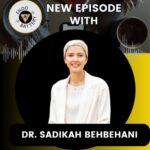
“Unexplained infertility” can feel like a dead end, especially after you’ve done everything you were told to do and the embryo transfers still don’t stick. We sit down with Dr. Sadikah Behbehani, a double board certified fertility doctor and minimally invasive gynecologic surgeon, to talk through a reality many patients never hear clearly: endometriosis is frequently the hidden cause behind infertility, recurrent implantation failure, miscarriages, and years of confusion, even when pain is mild and imaging looks normal.
We get practical about the decision points patients face every day. How do you screen for endometriosis when fertility workups focus on sperm, tubes, ovulation, and “normal” ultrasounds? Why is laparoscopy with expert excision still the only definitive diagnosis, and why does surgeon skill change what gets found, treated, and prevented from recurring? Dr. Behbehani explains how inflammation and scarring can interfere with fertilization and implantation, how endometriomas can affect ovarian response, and why age and timing often matter more than any single lab result, including AMH.
We also tackle the hardest planning questions: whether to do IVF before surgery or after surgery, why IVF medications can flare endometriosis pain without clear evidence of worsening disease stage, and when GnRH agonists like Lupron make sense for embryo transfer versus egg retrieval. We discuss symptom management when surgery has to wait, plus nuanced medication decisions including cannabis use, SSRIs, and newer weight loss drugs, with an emphasis on individualized care rather than rigid rules.
If you’re trying to protect your fertility while living with endometriosis or adenomyosis, share this with someone who needs clearer options, then subscribe and leave a review so more patients can find it. What decision are you facing right now: surgery first, IVF first, or egg freezing as a backup?
Website endobattery.com
The Questions Everyone Googles
SPEAKER_00
0:00
What if infertility isn't actually unexplained? What if someone can have advanced endometriosis with little to no pain or symptoms at all? And when it comes to IVF and surgery, how do patients know which path to take first? Especially when time ovarian reserve and emotional exhaustion are all part of the equation. Today we're diving into one of the most nuanced and misunderstood conversations in women's health: the intersection of endometriosis, infertility, IVF, and excision surgery. We're talking about the questions patients are desperately searching for answers to, from silent endometriosis and failed embryo transfers to IVF medications, fertility preservation, and the risks of waiting too long for surgery or rushing into it too soon. If you've ever felt overwhelmed by trying to navigate fertility decisions while also managing chronic symptoms, this episode is for you. So stick around.
Show Purpose And Medical Disclaimer
SPEAKER_00
1:04
Welcome to Indobattery, where I share my journey with endometriosis and chronic illness while learning and growing along the way. This podcast is not a substitute for medical advice, but a supportive space to provide community and valuable information so you never have to face this journey alone. We embrace a range of perspectives that may not always align with our own, believing that open dialogue helps us grow and gain new tools. Join me as I share stories of strength, resilience, and hope. From personal experiences to expert insights. Charging our lives when endometriosis trains us.
Meet Dr. Bebehani And Patient Advocacy
SPEAKER_00
2:17
She's also the associate professor at the University of California Riverside School of Medicine and is deeply involved in women's health research, education, and advocacy. Please help me in welcoming Dr. Sidika Bebahani to the table. Thank you so much, Dr. Bebehani, for sitting down with me today. I have always admired all the work that you do and just your passion and your vigor, but you bring it with such evidence and drive to learn more and create better. So sitting down with you in this space is an honor for me.
SPEAKER_02
2:50
You're so sweet, Alana. Thank you for having me on your podcast. I know how much change and difference you've made by spreading and raising awareness with Endobattery, and I'm really honored to be here today talking to you. I wish, I hope I can help educate women and educate and spread awareness on endometriosis and fertility and kind of highlight and augment the field that you've built so far in awareness and appreciation for the disease.
SPEAKER_00
3:16
Well, if there's anyone that can do that, that it is you. Like the way, and for those that don't know, so Dr. Bebehani and I have, we go back a little ways and we have met through various other connections, and then we met at the Endo Summit for like a couple for a couple years now. And every single time that we have conversations surrounding fertility, infertility, and metriosis, the way that you connect not only the evidence-based things, but you also connect the the emotions and the struggles of many of those who are walking through infertility. And you do it in a way that's so validating, but also not you don't menace words. Like you just you say what needs to be said, but you do it in such a way that it just clicks. And I remember walking away this year specifically from one of the sessions that you did, or I think I don't even know if you were speaking at this session, but um, afterwards, so many people were like, oh my gosh, she is so good at communicating this with evidence and like it's because I care.
SPEAKER_02
4:27
I am really passionate about this. And sometimes I may come off as being aggressive sometimes, and I'm very like animated when I talk, but I am very truly passionate about the topic. And it really gets me frustrated and it really gets me angry when I see how mistreated those women are, when I see how misled they are, when I see how they're not given the appropriate care and treatment and attention they deserve. So I'm just here as a fellow female person who also menstruates, who, you know, also has a uterus, and I completely understand what those women get, are going through, and it really just upsets me at the care that they received so far. So when I when I talk about endometriosis and fertility, I'm truly talking about a subject that's I'm very passionate about. I've dedicated my entire life to help gain more knowledge on the topic so that when I speak, I'm educated, I know what I'm saying, and I'm not afraid to speak up. And this is why I sometimes will butt heads with other physicians or other specialists who claim that they know what they're saying. But if they're not backing up their claims with evidence, then in my opinion, you know, they they don't know what they're doing.
SPEAKER_00
5:33
I agree with that. And that's I think what so many times patients need is just that approach of like the mix of the passion and the evidence behind the passion. It's not like it's empty void passion of like, this is how I feel all the time. It's it's rooted in something deeper than just a surface feeling or even experiential in a lot of ways. Like there's there's um so much value to bringing all of that to the table, which you do so, so well. So, I mean, that's probably one of the things that I've always taken away from every single time that you've spoken is just like the passion and and really advocating for women in this space, which is huge. Because it is, and this conversation is very nuanced, right? There's a a lot of um, there's a lot of noise in this space specifically, not only the endometriosis space, but the IBF and fertility space. And so I think that a lot of times when that comes to the surface, I think we as patients can feel very overwhelmed and invalidated in that process. And so when you have someone that's saying, I get where you're coming from, this is what the research is saying, this is my experience with this, and I'm passionate to help you. That speaks volumes.
SPEAKER_02
6:50
And you know what's important too, Alana? Is making sure that those women feel heard, because that's a big problem when it comes to endometriosis, is women feel dismissed, their symptoms are not being taken seriously. So sometimes I'm just here holding their hand and letting them know that I believe them, that I'm here right along with them. I'm on their side. My my goal in this is to help them get to the other side of it, whether it's pain or infertility, and I'm going to listen to every complaint and every symptom they have. I'm not going to dismiss any of their concerns. And if I don't know how to help address something, I'm going to guide them to who can help them. Because I'm just one piece of it. I'm just one part of the puzzle. I can't be everything. And you know how endometrosis is complex, it involves lots of different systems. So I need to grow connections and get to know people in other specialties so that I can refer patients to them when needed. So I always tell my patients, I can't do it all. I'm not the physical therapist, I'm not the GI specialist, you know, I'm the endometriosis surgeon that will link all those specialties together. I'm the one who's going to direct you to the multidisciplinary team that you need, but I need my other specialists to also bring in the care that their experience adds to the journey. And so I'm here as your cheerleader, I'm here as your coordinator, I'm here as your friend, I'm here as your surgeon. And I'm not going to let go of you until you've crossed to the other side, until you're comfortable and you're happy with where you're at. And this is just what I would want for myself if I were going through a journey like this. And so I think every patient deserves that. And it upsets me and gets me sad and angry when I hear patients are being told to go elsewhere because they're too complex. Or that there's nothing wrong with them to just relax. How many times have we heard this? Or you're resisting treatment because I'm telling you to go on the pill and you're not listening to me. Or I told you to have hysterectomy and you're not listening to me. You can't do that to women. You can't do that to patients. It's just not fair. Yeah. No.
SPEAKER_00
8:48
Well, and I think what I love is that you talk a lot about partnership with your patients. It's not you dictating their care, it's you partnering with them in their care, which I think it makes the biggest difference when you're a patient and you have a lot of big decisions, like trying to figure out whether you want to have kids, or if you do, how to achieve that. And then how to also address this disease that doesn't play by any rules and can be very invasive. And so I think like that's one of the hardest challenges, too, is that the a lot of times as patients, we feel like we have no say in our care. Even if we have a desire for kids and someone's saying, no, you need to have hysterectomy to alleviate your pain, where's our voice in this, right? Like we can say no, but are you gonna leave us at, you know, in the exam room with no other options? And I think that's something that you have talked about on several occasions and that you're passionate about is partnering with the patient. If when we're talking in context of partnering with the patient, and when it comes to those patients with endometriosis, but they also want to have kids, but maybe have infertility, maybe maybe we can start there. What
Why Endo Hides Inside IVF Clinics
SPEAKER_00
10:07
is the connection between endometriosis and infertility?
SPEAKER_02
10:11
There's a huge connection, unfortunately. And if we were to look at the infertile population, so women walking through any IVF office there to get information and gather resources on infertility, 50% of those women will also have endometriosis. That's a huge number. There are so many fertility offices. You see thousands of women going through fertility treatment. 50% of those women will also have endometriosis. Some of the endometriosis presents early with pelvic pain, issues with bowels, issues with bladder, you know, all the classic symptoms of endo. And some women have none of these symptoms or have had those symptoms, but have not really addressed them with anyone specifically. So endo has never come up. But when they're trying to get pregnant, they're facing challenges now. So the first person they see may be the fertility doctor. And unfortunately, a lot of the fertility doctors are not asking all those questions about endometriosis. They're not looking to diagnose endometriosis. They're checking the sperm, they're checking the tubes, they're making sure the woman has eggs and is ovulating. And if she didn't get pregnant naturally, the next step immediately is going to be IVF. And IVF is a huge deal. IVF is emotionally taxing, it's expensive, it's mentally exhausting, it's a journey. And unfortunately, it doesn't work for everyone. So even if you put in all the time and resources, and at the end of the day, you may still not have a baby to take home. And that could be very disappointing. So before jumping into IVF, we want to make sure we've actually ruled out all the treatable causes. And sadly, endometriosis is one big one that often gets ignored and dismissed. People get bundled in unexplained infertility. The majority of women in the unexplained infertility group have endometriosis, but some also have PCOS, they have male type, male hormone issues, or or male factor infertility. So there may be other things that are causing infertility that get addressed and the endometriosis gets ignored, and everything else gets labeled as the cause for infertility. Then they go through a transfer and they don't get pregnant. Then they do another transfer and they don't get pregnant. That's when they start to realize that there must be something else going on because I followed my doctor's advice, I went through IVF, I made those beautiful babies, and now they're not sticking. Or you have transfers and you get miscarriages or chemical pregnancies. And all of that could be due to the missed endometriosis. So people like to call it silent endometriosis when the only symptom is infertility. I'm completely against that diagnosis because fertility is not silent at all. If you're struggling to get pregnant, that's a huge symptom that could be just as serious, if not worse, as pelvic pain and bowel issues and bladder issues. And so anytime I see a patient who's here to see me for fertility, she may not bring up pelvic pain at all. We're not talking about endometriosis. I always ask details about their periods. How often do you get a period? Is your period painful? You can pick up so many subtle symptoms of endometriosis if you start asking. For example, just this morning I saw a patient who's had four embryo transfers unsuccessful. Four. And then realized she probably has endometriosis. And so when I ask her those questions, she has diarrhea on her period. She has pain with sexual activity sometimes in certain positions. She has bloating every time she's on her period. So all those subtle symptoms could be endometriosis. So we really need to dig further into all the fertility patients. And when doing a workup, really look for endo.
How Endometriosis Gets Diagnosed
SPEAKER_02
13:37
But then that brings us to the next question is well, I suspect endo. How do I diagnose it? Right? I get that question a lot. So patients say, okay, doctor, now you're telling me my transfers have failed or have been unsuccessful because of my endo. How can I confirm I have it? There are so many tests that have come across the market that have unfortunately not been validated as extremely sensitive and accurate at diagnosing endo. So you could have false positives, you could have false negatives. There's blood work, there's biopsies from the lining of the uterus. There's so many tests. None of them are accurate. The only way we can confirm for sure you have endo or not is surgery. And surgery sounds scary. If we were to go back to the old days, so I'm I'm a double board certified fertility doctor and minimally invasive Gewine surgeon. So when I did my REI training, my infertility training, if you look at the workup for infertility, it says check the sperm, check the eggs, check the tubes. And then at the very end, there's going to be the diagnostic laparoscopy. Because even back then, 30, 50 years ago, people knew that in women who could not get pregnant after the standard workup has been done, it is probably endometriosis. And the only way to diagnose it and treat it is surgery. We've come a long way with imaging. We're really good at picking up endometriomas, deeply infiltrative endometriosis, but there still remains a group of women who have early stage one and stage two endometriosis that does not show up on imaging. And we can't say you don't have endo because your ultrasounds came back normal. We absolutely cannot say that. And this is where it becomes important that you really discuss your symptoms with an endometriosis expert and get their opinion on whether or not they think you have endo. But in women who have recurrent implantation failures where they're doing transfers with IBF and they're unsuccessful, or they have recurrent miscarriages, I have a very little low threshold of taking them to the OR to find out what's going on. And a lot of people are scared of having surgery because they hear about all the potential complications and risks. And I'm not taking surgery lightly. It definitely comes with risks, but we have to weigh the risks and benefits. And many, many times the benefits significantly outweigh the risks. It is not fair to this couple to just force them to do more and more transfers with no change in outcome. If you do the same thing every time, you're gonna get the same results. You need to do things. It's crazy. Yeah, so crazy. And I can't tell you how many people I've operated on that had negative biopsies, negative ultrasounds. They were told by other doctors that you can't have endo, all the tests come back negative, but they have all the classic symptoms of endometriosis. You take them to the OR, 100% you're going to find endo. You can't just say, I, uh-huh, I found it, it's there. Now you know you have endo. You got to treat it at the same time as well. And this is why it's important to have the surgery done with a specialist, because A, we can recognize the subtle changes in the pelvis that may be caused by endo. We can recognize those implants that shouldn't be there, and we have the skills to excise them and send them to pathology so the pathologist can confirm it's endo or not. And for my fertility patients, I don't just do excision of endo and be done. I check and rule out all the other contributing factors in there that can affect fertility and pain. So I always check the fallopine tubes. If there's any blockage in the tube, I will try and unblock it. If there's anything I can fix with the tube, I will fix it because I'm a fertility surgeon. I will always check the cavity of the uterus. If there's anything that's interfering with implantation in the cavity of the uterus, I want to fix it. If there's a polyp, if there is a fibroid. And then I always check the appendix, because we know the appendix is an important pain generator. Believe it or not, even endo on the diaphragm, the muscle that helps us breathe really far away from the uterus, endo up there can decrease implantation rates in the pelvis. So I also inspect the diaphragm. If there is any endo on the diaphragm, we get rid of it. So surgery is not just focused on finding endo and cutting out the endo, it's focused on finding out why you're not getting pregnant, why you have pain, and trying to fix all the other pain generators and all the other systems that can contribute. I even do pelvic floor injections at the end of the surgery to help relax any tight muscles that have formed there from years of being in pain. So pelvic floor muscle dysfunction is very common in endometriosis patients. And again, I say this because I have so many patients who say, Okay, doctor, you said excision. I'm going to talk to my local gynecologist and I'm going to ask her to excise the endometriosis if she sees it. You can't do that. I see Alana's shaking her head. You can't do that. You can't ask someone to do something they don't know how to do. And that's where I get frustrated, is because those doctors need to say, I suspect you have endo, you need to have endo with a specialist. It is really unfair to those women to go through surgery thinking and expecting that that surgeon is going to do the exact same work that they envisioned them doing that they heard about from endo specialists when that person is not a specialist. And it's really hard then to fix the problem or to have to go back in and reoperate on this poor woman who just had surgery three months ago. But if it wasn't done right, then unfortunately you gotta redo it. And why do I talk about surgery? Why is it so important? And you asked about fertility, Alana, and I could talk about this for the entire hour, but it's because women get pregnant after excision of endometriosis. Yes. There's a 50% chance of natural pregnancy in women who were previously infertile before surgery. So if you have normal sperm, open tubes, you don't know what's wrong, we find endo, we cut out the endo, and you've been trying to get pregnant for a while prior to surgery and were unsuccessful, there is a 50% chance that you will get pregnant naturally after surgery. We may not even need to do anything else, just the surgery itself. And the most important predictor of pregnancy is age. And this is why we don't want to waste time. Age is always going to be the most important predictor of
How Endo Disrupts Fertility Biology
SPEAKER_02
19:28
pregnancy. So the sooner we can fix things, the sooner we can get rid of the endo, the better outcomes we'll have, and the more likely it is that you'll get pregnant naturally with nothing else.
SPEAKER_00
19:37
Yeah. But I think what's interesting, like we're talking about endometriosis and it causing or affecting fertility, but how? Because I think a lot of people are confused as to how endometriosis is actually affecting fertility if it's not on the uterus, or maybe it is, maybe you have adenomiosis as well. But for some people, it may just they're like, I had an endometrioma or a cyst on my ovaries. Is that the only reason you know I'm having a hard time with fertility with the endometriosis? Like, why does endometriosis impact fertility?
SPEAKER_02
20:11
That's a great question. So, first of all, let me start off by saying the endometriosis is not your fault. If you have endometriosis, it's nothing you did wrong. It is not your diet or lifestyle that caused you to have endometriosis. It's not any decisions you made throughout your life that caused you to have endometriosis. You were born with endometriosis. So it starts way before women have their periods. They have those little implants or deposits of endometriosis that are usually quiet until you have periods, and then those cells that are undifferentiated cells can trigger and become endometrial lining cells, so similar to the lining of the uterus. Then they respond to hormones, and every time your body makes estrogen and progesterone with ovulation, those implants can grow, they can become more stimulated, and they can create issues with scarring and pain. So we've established that those endometriotic deposits are tissue that should not be there. It's tissue that looks similar to the lining of the uterus that responds to hormonal stimulation, even potentially makes its own hormones, and there's a little cycle going on where the hormones trigger the endo, the endo grows deeper and wider to the space where it's at. And so those implants, the more cycles you have, the more opportunity they have to progress and get worse with time. Some woman's endo progresses very fast, others progress very slowly. We cannot predict who's going to have the endo progress at what rate, but we know that lifestyle changes can help improve symptoms from endo. So if you go on an anti inflammatory diet, if you cut out all triggers or stimulants like caffeine, alcohol, you may feel better, but it's not going to make your disease go away. Now, the disease that's there, how is it bad? It creates a lot of inflammatory markers. Think about those deposits bleeding into themselves with no way for the blood to come out. With your uterine lining, every month you Shed it through your cervix and the blood comes out. With those implants, that scarring and that bleeding has no exit. So it stays there. That creates inflammatory markers. Any inflammation in the body is not going to be helpful for the egg and the sperm. So it affects fertilization where the sperm and the egg don't actually combine. It affects implantation, where when we put an embryo directly into the uterus, now it doesn't want to stick to the uterus because there's lots of inflammation around it. And it can even create scar tissue around the tubes where the tubes are now blocked from scarring from endo and the egg and the sperm cannot meet. Endometrioma specifically are a difficult challenge because it's endometriosis off the ovary itself. They're taking up space, they're interfering with the growth of the normal eggs around them. They're toxic. If you're doing IVF and you puncture that endometrioma, you're spreading all the yucky stuff around the eggs. That's not good for the egg quality. And the eggs do not grow to their best potential when there's an endometrioma there that's constantly aggravating them. So egg quality may be affected by endometriosis. So all those factors combined can lead to infertility.
SPEAKER_00
23:11
Does uh endometriosis affect ovulation as well and increase the miscarriage rate? Because I know when I was going through this journey of potentially not having kids, that was something that I was told is that, you know, you may be able to get pregnant, but you're gonna have a higher miscarriage rate. And that just kind of sent me into a spiral because I didn't really have any more information surrounding that.
SPEAKER_02
23:38
Yeah, you're absolutely right. So, first of all, let me backtrack a little. Not everybody with endometriosis has infertility. Because again, I hear I have young girls coming in saying, My doctor told me I can never have kids because I have endometriosis. That is absolutely not true. And that is not fair to tell someone you're infertile before they've even tried to get pregnant. And I've actually seen women get pregnant when they were not ready to have children because they thought they were not able to get pregnant. So infertility with endometriosis is about 30 to 50 percent, meaning that there is a 50 to 70 percent chance you get pregnant naturally, even though you have endometriosis. The younger you are, the more likely it is that natural pregnancies will happen despite having endo. And sometimes women come in, they've had one kid already or two kids, and they say, I can't have endo doctor. I got pregnant twice before. It doesn't matter. Some women with endometriosis still get pregnant naturally. So don't forget that. Now, talking about miscarriages, definitely there's an association between endometriosis slash adenomyosis and poor obstetrical outcomes. So miscarriages, chemical pregnancies, but also during pregnancy, the risk of abnormal placentation, diabetes, high blood pressure, early delivery, all those really scary complications in OB can happen because of endo and adeno. Endometriosis, we can surgically remove. Adenomiosis is within the uterus itself. In women who want to get pregnant and have children, we don't typically recommend a hysterectomy. I never force anyone to have their uterus removed. I have patients who are close to menopause that value the uterus and still want to keep it and it's their choice. I counsel them on the pros and cons, the risks and benefits. And then, like you said, I always make sure that the patient gets involved in the decision making because ultimately it is up to them. And I have the other, I have the other side of the spectrum where I have young women who know they don't want to have children. They've made up their minds. They don't want to have, they know what they want. They I respect their autonomy, they're adults, they can make informed choices. And if that's what they want, then I will give them the the the hysterectomy that they deserve, especially if they have adenomiosis, because we know the only way to get rid of adenomyiosis is to do a hysterectomy. But in women who really want to get pregnant and they have adenomiosis, then if they're doing IVF, I do try and give them medication to shrink the uterus before we do an embryo transfer. But that uh doesn't always work. I also have patients who opt for surrogacy when they have adenomyosis.
SPEAKER_00
26:05
Yeah.
SPEAKER_02
26:05
Because sometimes we have to be creative and think outside
IVF Can Flare Pain Without “Worsening”
SPEAKER_02
26:08
the box to help them start a family.
SPEAKER_00
26:10
Right. Does when we're you're looking at all of these options. I think some one of the things that I have heard on multiple occasions is when women with endometriosis or adenomiosis go into the office and get IVF, pain is heightened. And I don't know if that's because of the medication they're using. We hear this often in this space, right? Like I went in for IVF and I maybe had a little pain, and then after IVF, my symptoms got significantly worse with the IVF treatment. Can you explain why that might happen for those people that are considering that?
SPEAKER_02
26:49
Yeah, unfortunately, that's absolutely true. A lot of women will have more pain after their IVF cycles, and it's because those endobitriotic deposits have all those receptors that respond to hormones. And when you're doing IVF, your body's being exposed to supraphysiological levels of hormones, so really high levels, and that can trigger the implants to become more inflammatory. However, there's no data to say your endo will become more advanced, so at higher stage, or spread because of the IVF treatment, which is reassuring. And that allows us to actually treat women with IVF to help retrieve eggs first before we do surgery, especially if we're worried about the egg count dropping after surgery. So I was telling my patients not to worry about their endo getting worse after IVF because we have a plan. We're gonna get rid of it anyway. But their periods may be more painful because those implants are there, they're sucking up all the hormones, they're responding to all those hormones, and their first period after surgery may be one of, oh sorry, first period after IVF may be one of their worst periods ever. First period after surgery can also be really bad. But with IVF, sometimes you have to do more than one cycle. So I have patients who say, Doctor, I can't do this anymore. My period was really bad. I don't want to go through another IVF cycle. They also feel very bloated, very crampy during the IVF cycle because of all those elevated hormones. The ovaries are stretching with IVF, they're pulling on all those ligaments. If there's endometriosis around the ovaries, you're actually making that endo stretch and rub against the ovary, which can elicit pain too. So during IVF, it can make pain worse. But the good thing about it is that it's usually a quick process. Usually we're done in two weeks. And the first four or five days, the ovaries are still slowly responding. It's usually the last week of the IVF cycle where it can be really bothersome and annoying. But if it helps us get the eggs, then again, I think it's worth it, knowing that we have a plan. This is not going to go on forever. As soon as the eggs are out, as soon as the embryos are created, we are going to do surgery to get rid of the endometriosis and reset the clock. But again, I listen to my patients. If someone says I cannot do this, this is one and done. I cannot go through another IBF cycle, then I respect that. And we come up with other ways to do it. Maybe we should do surgery first, clear out all the endo, then do IVF so that their pain is not triggered by their IBF cycle.
SPEAKER_00
29:08
Yeah. Well, okay, so when you're talking about doing egg retrieval, is there evidence to point to egg quality in egg count being affected by not only the endometriosis, but by uh the surgery?
SPEAKER_02
29:23
Egg count for sure, unfortunately, regardless of how careful we are around the ovaries. And again, I'm a fertility doctor, so no one loves and treasures those ovaries more than I do. I have a really hard time taking out an ovary and someone who may not even need it because I'm like, this ovary is so precious. We work so hard to make those out. But anyway, I try my very best to reduce the damage to the ovary. We use surgical techniques to reduce blood loss, reduce trauma. We're very gentle with our dissection, but despite our best efforts, peeling a cyst from the ovaries always going to cause a drop in the egg count. So the number of eggs after surgery, and as reflected by an AMH, so usually people get an anti malarian hormone level, an AMH level, AMH will always drop after surgery. The quality of the egg is a different story. Again, I go back to saying age is the most important determinant of pregnancy. So when you're young, you're gonna have better eggs. When you're older, you're going to have lower quality eggs. How long is the surgery going to delay our IVF? Are we going to wait six months in someone who's 41 before we do an egg retrieval? Then I would say age is going to ruin any improvement we may have in egg quality from surgery. Or are we talking about a 25-year-old where when we do surgery, she potentially could get better quality eggs because her eggs were never as good as a 25-year-old's eggs should be. And I see that often with endometriosis patients. You see a really great AMH. They come to see me with an AMH of two, and we say, amazing, two is great. Two means 20 eggs in a healthy woman. You stimulate this endo patient and you only get five or six eggs. Doctor, what happened? My AMH is really good. It's because the endometriosis is suppressing your ovary. It's not letting your ovary respond to its full potential. Now we get rid of the endo with surgery and we do another IBF cycle and we still get six eggs. But the AMH dropped from two to one. But now that's a more appropriate response. Now your ovary is actually giving you everything it has. So the number of eggs retrieved post-surgery may not change as much depending on how you responded pre-surgery. But if pre-surgery we were struggling to get two or three eggs, I would try and get as many eggs as I can before surgery because I'm concerned after surgery, the three eggs will become one egg. And that can make a big difference when it comes to embryo creation. However, in women who've had IVF, their ovaries are not doing as well as they should. We should not just keep pushing and pushing more IVF. We need to do something different. So then we do surgery and repeat IVF again, given that they're in an appropriate age to do so. When you're older, we should just get as many eggs as we can as soon as possible. We don't want to delay things. And sometimes that's possible, and other times it may not be. If they have really large cysts or endometriomas on their ovaries and we really can't access the ovaries, then I tell them, let's do surgery ASAP because I need you to recover from surgery so we can do the egg retrieval. And I usually recommend waiting about six weeks. There's no data to support that. We don't know what the ideal period of waiting is. We just theoretically want to wait for all the suppression from stress to be gone before we stimulate the ovary. And we don't want to wait too long because then we don't want to risk the endometriomas, the cyst on the ovary coming back, because we know every month a woman ovulates is an opportunity for a cyst to grow. And then we also want to take the age factor into account.
SPEAKER_00
32:52
One of the things that I was always a little bit fuzzy on was, you know, we hear these statistics about people who have endometriosis surgery. Um, and maybe they've had IVF before that, but now they're going down the route of I know I have or I suspect or I know that I have endometriosis. I'm going to have the surgery. And then how long should
Surgery, AMH Drop, And Timing Decisions
SPEAKER_00
33:12
someone potentially wait to see if they can conceive naturally? Because that does increase the rate of natural conception after surgery. Am I correct in that?
SPEAKER_02
33:21
You're absolutely right. So the highest pregnancy chances are the first six months after surgery. So depending again on the couple's age and how long they've been waiting for a pregnancy. Sometimes women say, I'm you're not in a rush. I want to try naturally first. So then I say six to twelve months, depending on their age, depending on all the other factors. And other times women say, Doctor, I cannot wait at all. I have embryos frozen from prior to surgery. I just want to transfer the embryo and try and get pregnant as soon as possible. Have baby number one, relax, know that I can get pregnant, and then maybe for the second baby, I will try naturally. And that's absolutely fine. So the soonest I would recommend a transfer is six weeks. But if you can try, I usually say, let's try for three to six months. And then come back and see me in six months if you're not pregnant. And after six months, we can talk about whether or not we should do fertility treatment. I oftentimes will do ovulation induction. I'll give them letrazole, a pill to help them ovulate. I'll supplement with additional progesterone and say, okay, we're doing things, just a little bit of changes here and there. Go and try that for three months. Come back if you're not pregnant, and then we can talk about what else we can do. Sometimes we add an IUI cycle if there is a mild male factor in fertility. And other times, especially if they're older, I don't want to wait too long. So I say, okay, three months. If you're not pregnant, three months, come back and see me. We need to do IVF before we lose the eggs. And then it becomes more challenging. We have to remember though that the egg count does not correlate with pregnancy chances. You can have a really low egg count, but if you're young, you can still get pregnant naturally. And you can have a really high egg count, but if you're older, your ovarian egg quality may have a lot of uh irregularities in the egg. So they may have a lot of chromosomal abnormalities, and those are less likely to result in a pregnancy. So if you get an egg from a 20-year-old and an egg from a 40-year-old, the 20-year-old egg is always going to do better and result in higher pregnancy chances. And it's the age that determines that, not the number of eggs.
SPEAKER_00
35:20
Interesting. Well, and I think that's like why, you know, we talk so often about making sure that if you have endometriosis, that you see a specialist much earlier because the and not have multiple reoccurring surgeries, right? We hear this all the time in this space, and maybe that's not common knowledge to a lot of people, but having a surgery earlier with an expert or someone that really understands endometriosis and surgery, you have better chances overall at not only the fertility aspect, but also better quality of life. Can you speak just a little bit more to that? Because I think there's a lot of confusion surrounding how many surgeries and how young. I think there's there's room for us to grow in that area specifically.
Early Surgery And The Scar Tissue Myth
SPEAKER_02
36:08
Absolutely. You there's no number of years you need to wait and struggle in pain before we can do something about it. And I oftentimes unfortunately see that with the young girls going through painful periods. They're 13, they're 14. The doctor says you're too young, they go on birth control, it's not helping, they're missing school, they're in pain all the time. Someone has to do something about it. And so unfortunately, teenagers still have endo. Teenagers may not respond well to hormones. If they do, great. If I can get them on the pill until they're in college, until they're older, more mature, they they're more ready for surgery, let's do it. I'm all for it. But if they continue to struggle in misschool and are hospitalized with pain, then we really need to do something about it. So I do operate on young women for endometriosis. We do find the endo, we excise it. The longer the endo stays behind, the worse outcomes you're going to have, and the more difficult the surgery is going to be. And we don't want to wait for that to happen. I have patients who say I have had ultrasounds for 10 years. No one saw anything until this one they saw an endometrioma. And now finally they believe. I don't want to wait until an endometrioma forms and I can see it on ultrasound to say I believe you. That is not fair. That's not right. We would should have acted on this 10 years ago when she first said she was having pain. If not the 10, not, you know, 10 years ago, at least nine years ago, you know, she shouldn't wait this long until something pops up on imaging. Because once it pops up on imaging, it means it's advanced. It means it's been there for a long time. So the longer the endo stays behind, the more likely it is that it's going to affect your ovaries, it's going to affect your tubes, it's going to affect your eggs, and it's going to lead to a more difficult, complex surgery, where then, you know, you may need to have a longer recovery. You may need to have multiple surgeries if there's bowel and bladder involvement. So ideally, you won't get the endo when the patient is young. Do they need to have another surgery? Whenever I see someone who's young, I always tell them there is a chance that you may need another surgery later because you're only 15. You have 35 more years of periods to go. Things will come up in the next 35 years. But the recovery and the risks from laparoscopy, the recovery is so quick, risks are so small. I'm more than happy to take you back to the OR five years later and give you another five years of good quality life. There is nothing wrong with that. People are scared of having surgery because they are told surgery creates scar tissue. Scar tissue is bad. Scar tissue from healing is wonderful scarring. It's friendly scar. It's the scar tissue from disease that you don't want to see. So the scar tissue from endometriosis is a hundred times worse than the scar tissue from healing. The scar tissue from endometriosis is concrete, it's rock hard, it's really hard to cut into, it's hard to excise. I don't want your endo to create that sort of scar. Whereas the scarring from healing is friendly scar. It's it's it's not painful scar. I always like to give examples. So if you cut yourself, for example, and the surgeon sutures your cut, you're forever gonna have a scar to say you had surgery or you had something sutured on your arm, but it shouldn't hurt. Imagine having an infection, a skin infection, where the skin becomes necrotic and dies, and then new skin replaces it. It's gonna be forever puckered and ugly, and it's probably gonna hurt because the infection is still there. That's totally different. So the scar from healing from laparoscopy is very friendly scar, a minimal scar, it should not cause pain. Especially if the surgeon was very meticulous with the dissection and hemostasis and there's very little blood loss. People always ask me, how can I prevent scar formation? It's the actual surgery that puts you at risk for scar. You do the surgery right with little trauma, little blood loss, then your wrist cuff scarring is significantly less than if the surgery is messy with a lot of bleeding and a lot of trauma to the tissue.
Symptom Control When Surgery Waits
SPEAKER_00
39:51
For those people that are, you know, maybe in college and they're they don't have they're not able to do surgery right away, or they're not financially in a place where they can do that, maybe taking off work or school or whatever the case is, what do you recommend to get them that doesn't affect their fertility necessarily, but also get them by in symptom management? Because I know that there is a big differentiating factor between symptom management and disease maintenance, if you will, or management. What do you do for those patients?
SPEAKER_02
40:27
Exactly. That's why I said some women may not be ready to have their endotted yet, but they can definitely control the symptoms of their disease. We talked about lifestyle changes, so an anti-inflammatory diet, pelvic floor physical therapy. I love pelvic fluor PT. All my patients get referred to pelvic floor PT because it's a huge part of the puzzle. You really need to get those muscles relaxed, coordinated so that they don't interfere with not just pain, even your bowel and bladder function can improve with physical therapy. And then seeing maybe an acupuncturist for acupuncture. I love acupuncture for fertility. There's lots of data to say that acupuncture helps improve pregnancy chances and IBF outcomes. Acupuncture for pain can also be helpful. And then also possibly suppressing their periods. So when someone's having periods every month, they're producing all those hormones, the hormones are inflammatory. We can go on birth control pills, we can put a Mirena IUD. It's like putting a band-aid on the problem. I'm not treating the endo, but I'm controlling your symptoms from the endo until you're ready to address the endo. And none of these are going to affect your fertility. People always worry about being on birth control pills. There are some cultures, there are some backgrounds, ethnic backgrounds, where they have been raised to think that birth control pills will prevent you from getting pregnant later. Like they're evil. They you know they cause infertility. The birth control masks whatever problem you currently have. So if you have PCOS today and you go on birth control pills, you're going to have PCOS when you come off birth control pills. If you have endometriosis today, you go on birth control pills, you're going to have endometriosis when you come off birth control pills. So if the actual cause of infertility is present, going on birth control pills is not going to change that. It'll still be present when you come off birth control pills. And I think that's where the connection has been made is while my friend, my cousin, she went on birth control, now she can't get pregnant, and she had the kid before. It's not that the birth control created infertility, is the condition that was there or the condition that developed, regardless of birth control, is what's causing infertility. So it's safe for a woman to go on birth control pills. You know, I obviously you need to talk to your gynecologist, make sure you don't have some, you know, conditions that may make you not a good candidate. A Mirena IUD, I like because you put it in, you'll leave it in for seven years, it stops periods, it causes light periods. Progesteron-only pills are great. There's some progesterone-only pills that don't have estrogen for women who cannot take estrogen. But what I don't like is trying 10 different brands of birth control pills before saying nothing works because they're all the same. The estrogen dosing, we only have two options for estrogen. The progesterone, we probably have a lot more progesterone, different progesterone options and the combined birth control pill. And I see gynecologists just trying to switch and switch to different brands. I always like to hear more about what is it on this pill that you don't like, so I can figure out what progesterone type I can recommend for the next birth control. And if we've tried, uh let's say we try norothendron, which is the progesterone and the combined pill, and they say, oh, that's giving me a lot of headaches. I'm getting a lot of breakouts, acne. Then I say, okay, let's try a different progesterone with the combined birth control. That's drosperinone. That works really well for acne or PMDD. And then they say, okay, that problem is fixed. Great. But if they say no, now I have all this irregular spotting, it's bothering me. We're not just going to keep trying different, different types and then say nothing worked. Like at some point we have to think of other things. And that's when surgery becomes possibly uh essential or important. Because I don't think it's right to try 10 different birth controls. And women get traumatized by the experience, Alana. They then hate birth control, they never want to go in on it again because they've had. So many negative symptoms and side effects, and it's not fair. Like it's I don't think that's how women should be treated.
SPEAKER_00
44:06
No. Well, there's so much to unpack here with this because one of the things that I I want to do this in two separate medication subsets because we hear a lot about IBF and GNRH Agnes drugs, as well as endo with GNRH Agnes drugs.
Lupron, Cannabis, And Medication Tradeoffs
SPEAKER_00
44:25
And we know that there's some evidence to show that there's egg decrease when you're on that, but yet we hear that fertility clinics use it in efforts to do IBF. And then we also have people who are using um like a cannabis to help with that pain, but we also hear that could potentially decrease egg and quality. So can you touch on that a little bit? Because I think these are really big topics that we hear a lot of that there's not a lot of clear direction to patients a lot of times, and they just don't understand the nuance within those medications.
SPEAKER_02
45:05
Yeah, absolutely happy to talk about those meds. So let's start with the GNRH agonist. It's been around for years, it comes in different shapes and forms, different countries have different names for it. But GNRH agonist, what it does is it puts women in menopause. It stops, period. It's an injection that comes in two different forms. One you take every three months, one you take every month. GNRH is the hormone that the brain makes to stimulate another part of the hormone to produce LH and FSH, two different hormones that will then stimulate your ovaries to produce eggs. When you're giving a GNRH agonist and the body's constantly being exposed to this hormone, it's telling your brain to shut down hormone production. So then that brain hormone is not being produced, the ovaries are not being told to produce estrogen and progesterone, and everything shuts down in the ovaries. So it puts women into medical menopause. The problem with it, if you are using it for fertility patients, it may be really hard to wake up the ovaries from their menopausal state later. There is very clear data, Alana, in fertility world. Okay, so when we're talking about GNRH agonist and endometriosis and IVF, we now know that there is absolutely no need to put women on a GNRH agonist before you do an IVF stimulation cycle. Because again, back in the days when I was in training, anytime you hear endometriosis, you're like, uh-huh, you need to go on GNRH agonist for two months and then we stimulate you. And then someone smart enough said, okay, wait, let's really look at the numbers here and see if that makes sense. And what we realized is by giving them GNRH agonists for one month or two months before an IVF cycle, we were actually shutting down their ovaries so much where it was hard to wake them up again. They were producing less eggs, they were making less embryos. So we now know that this step is not necessary. It's not essential. No IVF cycle needs to be suppressed first before you stimulate with two months of GNRH agonist. When it comes to embryo transfer, that's that's a totally different story. So anytime we're talking about IVF, I like to split it into two parts. We have embryo creation and we have embryo transfer. Before an embryo creation cycle, you should not go on a GNRH agonist. You need to stimulate the ovaries as much as you can to get, you know, the good quality eggs, and you don't want to suppress them before you stimulate them. Once you're satisfied and you have all your embryos, and now we're proceeding with the next step, which is the embryo transfer, that's our opportunity to get rid of all the inflammation we talked about that can affect implantation. So that's when doctors may recommend GNRH agonist for two or three months before an embryo transfer, or surgery before an embryo transfer. Or what I typically do is both if they have adenomyosis. So I do surgery to get rid of the endometriosis, and then I do a GNRH agonist for two months, plus or minus letrozole and progesterone before I do an embryo transfer. Why do I do that? Because the endo is excise surgically, the adeno I cannot excise surgically. And the lupron is going to shut down the estrogen production and receptors in the muscle layer of the uterus to reduce inflammation within the muscle layer of the uterus.
SPEAKER_00
48:13
So then I have to do that. It's not getting rid of the endometriosis. It's just losing.
SPEAKER_02
48:18
And then I have people ask me, well, can I just do the GNRH agonist and not do surgery? The GNRH agonist is not going to get rid of your endo. It's still going to be there. It may deactivate it temporarily, but we don't know to what extent. And we don't know how much disease is still going to be there. So if I have control over your disease and I can cut it out and get rid of it, then I would much rather do that and tell you with certainty that you don't have any endo left behind. But I cannot do that with the adenomyiosis because it's within the uterus itself. The only way for me to do that is to do a hysterectomy and get rid of the entire uterus. So I typically will evaluate the uterus for adenomyiosis on my ultrasounds. I'll evaluate for it during surgery. And if I have a suspicion for adenomyiosis, then I will surgically treat the endometriosis, followed by a course of the GNRH agonist before doing an embryo transfer. Because at this point, I don't need your ovaries. We are doing a medicated cycle for the frozen embryo transfer. And again, I see people try and do a natural cycle for transfer after a GNRH agonist. It's not gonna work. It takes forever for the ovaries to kick back in. You need to give a month break. People are disappointed. I thought I was getting my transfer. What happened? So it's much smoother and makes more sense to shut down everything and then give you external hormones that will only thicken the lining of the uterus to an extent. And when we're happy with it, we do your embryo transfer. So we have a lot more control over what's happening. So that's speaking of the GNRH agonist and its use and fertility. Now, the medical marijuana and using marijuana for pelvic pain, unfortunately, a lot of women have to do that because they are out of options. They've tried a lot of different things, they're still in pain. So they try cannabis to help with their pain. But you're right, it does affect your ovarian response. And it's not the best medication to be on when we're doing an IVF cycle. So ideally, I would love for my woman to come off it. Some people say, do I have to be off it for a certain period of time before we do IVF? I'm not going to make you wait three months to see if you can come off it for three months before doing IVF. But if you can come off it today as we're having this consult while I do my workup and come up with a plan, then I think that would be great. But a lot of women feel like they need it and they cannot function without it. And so, you know, I try, we we have a discussion, we negotiate a plan. How much time can you give me? How much time I will lay, I will take. But I don't have a set time where I say, if you're not off it for three months, you're not my patient. I'm not doing your IBF. Because I don't think it's fair. We have to be reasonable and how much women can tolerate and what we can get done. And same with the birth control pills. I have patients who are on birth control and they can't come off them. Every time they come off them, they feel terrible, their pain comes back, their bleeding is heavy, but they want to freeze their eggs. So then I kind of work with them and try and just segue from birth control, two weeks of stimulation to freeze the eggs, then back on birth control. So we always have to listen to our patients. And there's no one plan fits all. What works for you may not work for someone else. And I try my best to get women off medications, even off birth control pill, for at least a month to give their ovaries time to breathe before stimulation. That sounds like a wonderful idea, but in some women it's just not feasible.
SPEAKER_00
51:22
Yeah. What should people be concerned about or maybe take caution with with medications? Like specific, are there specific medications that they should really try to stay away from when they are wanting to get pregnant and maybe going through IVF or even endometriosis surgery and then IVF? Are there ones that you're like, please just stay away from these until we get this all figured out?
SPEAKER_02
51:46
So many patients are on a bunch of different things for different health conditions. And again, you have to weigh the risks and benefits of being on the meds versus off the meds. For example, mood stabilizers, antidepressants, antipsychotics. They especially SSRIs, they're very common. A lot of women are on antidepressants. And maybe there is a small risk of congenital abnormalities in babies where women are on SSRIs. So cardiac defects, the risk is slightly elevated. But what are the risks to the mom? If I get her to stop her antidepressants, is it going to push her into fluoride depression? I don't want that. So then I will continue their cycle while on antidepressants. If we're talking about weight loss medications, GLP ones, right? They've become very popular now. Some people say you have to be off them for three months, or I'm not doing your fertility treatment. Some say you have to be off them for a month. We don't have data. It's all very new. And I have patients who come off it and they gain all the weight they lost and they feel very inflamed and they feel terrible. What am what service am I really doing here? So you have to individualize. So there's, you know, I can't, other than like methotrexate and chemotherapeutic drugs, I think there has to be an educated discussion. I oftentimes will also call the the um other specialists. So for example, this morning I had an allergy doctor call me. She says, Hey, I'm seeing your patient. This treat, I recommend this treatment. Are you okay with it? She's also doing IVF. So then we have to talk about, okay, does it really need to start today? Can you give me two weeks and then you start the protocol? And she says, Absolutely. I'm like, great, then let's do it. She's just starting her IVF cycle now. I completely agree with your medication plan for her allergies. Let's just wait two weeks and then start them. And other times, you know, I have patients who are on, like I said, antipsychotics and antidepressants, and I call their psychiatrist and they say, I cannot have her off the meds for one day. Like, no, this is not, this is not, it's gonna push her back into a health crisis, a mental health crisis, and we don't want that. So then I work with the medications they're on. So there's no absolute contraindication to any medication, other, like I said, than chemotherapeutic drugs, methotrexate, things like that. And we have to have an educated discussion with the patient on how we think this can affect their cycle and whether or not it's safe and whether or not it makes sense to come off the medication before we do an IBF cycle. And that's why the doctor is very involved. You know, there are some offices where like the coordinators are doing all of this. Sometimes you need medical decision making and you need to think of okay, how is this patient going to respond specifically? And the answer may not be uniform across all patients. Okay, this patient needs this, but the other one can be okay off her meds, and she's gonna go through IVF off her meds.
SPEAKER_00
54:19
What is a realistic expectation for IVF success with endometriosis?
IVF Expectations, Egg Freezing, Donor Options
SPEAKER_00
54:25
I think a lot of people are still probably on the fence with maybe they'll have the surgery and maybe IVF will work, won't work. And it's also costly and not only financially, but emotionally and physically and spiritually exhausting to walk through this. What should their expectations be with IVF and endometriosis? I agree with you.
SPEAKER_02
54:46
IVF is tough, and so is surgery. We too, you know, I'm a surgeon and I'm a fertility doctor, so for me, I do IVF every day, I do surgery every day. But I understand that for this couple, this is something very new, this is something very emotionally stressful, anxiety-provoking, and financially consuming too. So not everybody with endometriosis will need IVF. But when we're talking about IVF and surgery, we have to decide: are we doing IVF before surgery? Are we doing IVF after surgery? Are we doing IVF at all? Is surgery the next best step? And then we see how things go after. So I always like to talk about fertility treatment, not just IVF, because sometimes, like I said, it's ovulation induction medication, maybe an IUI cycle, a couple of IUIs before we do IVF. Like we have to figure out what we're treating with the IVF. So in women who have endometriosis that's active, when we're doing our IVF cycle, we do sometimes see lower egg quality. And I see sometimes, I say sometimes because there's no uniform data here. There are some studies that say the exact egg you retrieve from an endometriosis patient compared to an egg from a non-endometriosis patient, if you match them for everything else, match them for age, match them, they're gonna do just as well. And there are other data that says no, women with endometriosis, their eggs are poorer quality. Again, I'm a clinician, so when I talk about egg quality, it's what the lab tells me. They say, oh, the egg looks dark, or the cytoplasm looks irregular, or they come up with all those like weird descriptive ways to tell me that the egg does not look good.
unknown
56:10
Right.
SPEAKER_02
56:10
And do we get that same egg in someone of the same age who doesn't have endometriosis? Probably not. Probably, you know, those are uh changes that happen to the egg because of all the inflammation around it. So those women may need more than one IVF cycle to try and get a good egg. And then it becomes more emotionally exhausting and more financially exhausting because now you're still paying, you know, an X amount of money for one cycle, you're repeating it two or three times. And I try my best to get as many eggs as I can before surgery because, like I said, I know the eggs can drop, but at some point I have to tell patients sometimes that, hey, we did this twice. We're not getting good eggs. We should do surgery now and see what happens after. Maybe we'll get better eggs, maybe we won't. But if we don't get better eggs, I want to have a plan. So egg donor sometimes is an option. If you you have a uterus, we'll clear out all the endo, your implantation rates should be great, but we can't get a good egg. So if we get someone else's egg, fertilize it with your partner's sperm, make an embryo, put the embryo back into the uterus, your chance of success is going to be related to that donor egg's age. You can be 40, you can be 45, and you can still get pregnant with a healthy baby if it comes from a younger egg. So IVF and surgery, we have to discuss in what order they come. And then some women, like I said, if they're young, partner's healthy, normal sperm, open tubes, they're ovulating, they may not even need IVF at all. But also a lot of those women with endometriosis have a low egg count. So sometimes I'm not even treating infertility. I'm just seeing them for a pelvic pain endometriosis consult. And I get an AMH level and their egg count is really low. They didn't haven't done anything yet. They've never had surgery, they don't have cysts on their ovaries, they're young, they're in their early 20s, but their ovaries have already taken a hit from the endo, or their ovaries have already developed abnormally as the endo is growing. So now they're stuck with this decision on, hey, are you ready to have children? Do you want to freeze your eggs? And think about it later because they may be in college, they may not be in a relationship right now, they're not ready to have kids. And then it becomes even more stressful thinking about it because if they if they don't meet someone right after surgery, how long are those eggs going to last? Do I have a year? Do I have five years? Do I have 10 years? And we don't have answers to those questions. We don't know how long those eggs are going to last. So then I do recommend freezing eggs just as a security blanket, like as a backup plan. If they don't get pregnant naturally, they know they have those eggs to come back to. So unfortunately, it comes up. Egg freezing, IVF, fertility talk comes up in most of my endometriosis consults. And that's actually why I did extra training in endometriosis, because I realized how interconnected those two fields are. You can't really just be an endometriosis surgeon and ignore fertility because the whole idea of endometriosis is it happening in younger women who are of childbearing age, who potentially want to have kids later or have been trying to have kids. And then you can't be a fertility doctor and not know about endo because, like we said, 50% of patients walking through your fertility office are going to have endo. So I'm fortunate to have had training in both and to use my expertise to kind of help with this decision-making process. Because, like I said, not every two patients are the same. We talk about options. I present all the data, I present all the options to them, and then we make an educated decision on what to do next.
SPEAKER_00
59:28
There's so much to unpack too. I mean, I think we are just touching the iceberg of everything that is endometriosis, IVF, infertility. Like there's so much to this. And I know that everyone's care is going to be so individualized, which is why I love your approach to patient-centered care being individualized and multidisciplinary, right? So I think that as we wrap up, I one piece of advice you want to give to those patients that are in this stage of infertility.
Don’t Give Up And Trust Your Gut
SPEAKER_00
59:57
Don't give up.
SPEAKER_02
59:58
Don't give up on yourself and listen to your gut. And if something doesn't feel right, then it's not right. But please don't feel like it's your fault. It's nothing you did wrong. And don't give up on yourself. Because I know women are strong. And I know women who've gone through fertility and endometriosis and pelvic pain, they are stronger than your average woman. And if they've made it this far, you may just need a little bit more hand-holding to get you to that other side.
SPEAKER_00
1:00:24
So don't give up. That's my advice. I love it. Well, thank you so much, Dr. Bebehani. I always admire the work that you do. And I love sitting down and learning from you. I it's constant. I'm always learning every time I get to spend time with you. So thank you for taking the time because I know how busy you are.
SPEAKER_02
1:00:42
You're very welcome, Alain. I'm so glad to be here. I'm happy to be here today, and I hope that I was able to help you raise awareness and spread the word on endometriosis and educate women on how it may affect their fertility.
SPEAKER_00
1:00:52
I absolutely think this is gonna be a game changer for so many people that have felt like they are in that gray space and not knowing what step they need to take next. So I know this is gonna be a really amazing tool. So if you have been impacted by this episode or you know someone that could be, pass it on so that they can get the help that they so desperately want and need a lot of times. But until next time, everyone, continue advocating for you and for others.