
Send us a text with a question or thought on this episode ( We cannot replay from this link)
Pelvic pain can make your body feel unpredictable, tense, and impossible to trust. But what if that tightness isn’t your body “breaking” at all, and it’s actually a protection strategy from a nervous system that’s been through too much for too long?
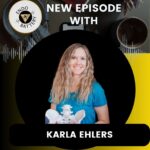
We sit down with Karla Ehlers, a pelvic health occupational therapist and founder of Occupelvic Health and Wellness, to connect the real dots between pelvic floor dysfunction and nervous system regulation. We get into why strengthening isn’t always the answer, how chronic stress and medical trauma can keep your system stuck, and why symptoms can flare when life feels unsafe, uncertain, or out of your control. If you’re navigating endometriosis, pelvic pain, hypermobility, or that constant bracing you can’t seem to turn off, this conversation offers language and clarity that many of us never get in a doctor’s office.
We also talk practical tools you can try right away: building functional awareness, understanding interoception, using sensory supports, and finding what actually helps your body feel safe. Karla explains co-regulation and neuroception, and why healing often speeds up when you’re in the right community, not just doing the “right” exercises. We even challenge spoon theory and explore how you can be “resting” while your nervous system is still burning energy in a spiral.
If this resonates, subscribe, share this with a friend who needs validation, and leave a review so more people living with pelvic pain and endometriosis can find these nervous system grounded tools.
Website endobattery.com
Your Body Is Not Failing
SPEAKER_00
0:00
There's so many people living in bodies that feel unpredictable, tense, and even unsafe. They've been told it's just stress or hormones or something they just have to live with. But what if your body isn't failing you? What if it's actually trying to protect you? Today's conversation is one I've been really looking forward to because we're diving into a part of health that's often overlooked, misunderstood, and honestly, rarely talked about in a way that actually feels helpful. We're talking about pelvic health, but not just from a muscle or exercise standpoint. We're looking at it through the lens of the nervous system and how our bodies respond to stress, how they hold tension, how they protect, and sometimes how they shut down. I'm joined by Carla Ellers, a pelvic health occupational therapist and the founder of Ocupelvic Health and Wellness. Her work is rooted in meeting people exactly where they're at and helping them understand the deeper connection between their nervous system, their pelvic floor, and their everyday lives. In this episode, we talk about why strengthening alone isn't always the answer, how chronic stress and pain show up in the body, especially with endometriosis, and most importantly, what you can actually start doing to feel safer, more connected, and more supported in your body. This is a conversation that I think so many people need to hear. Whether you've been dealing with pelvic pain, navigating endometriosis, or just feel disconnected from your body in ways you can't quite explain, this one's for you. So stick around. Welcome
Meet Carla And Her Approach
SPEAKER_00
1:45
to Indobattery, where I share my journey with endometriosis and chronic illness while learning and growing along the way. This podcast is not a substitute for medical advice, but a supportive space to provide community and valuable information so you never have to face this journey alone. We embrace a range of perspectives that may not always align with our own, believing that open dialogue helps us grow and gain new tools. Join me as I share stories of strength, resilience, and hope. From personal experiences to expert insights. I'm your host, Alana, and this is Indobattery, charging our lives when Indometriosis drains us. Welcome back to Indobattery. Grab your cup of coffee or your cup of tea and join me at the table. Today I'm joined by Carla Ellers, a pelvic health occupational therapist and the founder of Ocupelvic Health and Wellness. Carla's work goes beyond just the physical side of pelvic health. She focuses deeply on the connection between the nervous system and the pelvic floor and how our everyday lives, stress, and routines shape how our bodies function and feel. She's helped thousands of individuals navigate things like pelvic pain, dysfunction, and disconnection from their bodies, all through a really holistic, compassionate lens. What I love about her approach is that it's not about the quick fixes. It's about meeting people where they're at and giving them tools that actually support real lasting changes. Please help me in welcoming Carla Ellers to the table. Carla, thank you so much for sitting down with me today and taking the time to share your passion and your expertise with us because I know that this is going to help someone out there today, and I've been looking forward to it. So thank you so much.
SPEAKER_01
3:27
Yeah, I'm so excited to be here and how we connected at the Endo Summit this year. We had just a great time. So thanks for having me.
SPEAKER_00
3:36
Yeah, of course. You got in the introduction to the chaos crew, is what I like to call us. We we have a lot of fun. That's I guess the perk of it, right? Yeah. Yeah, exactly. So before we get started, we like to go over what is your drink order of the day.
SPEAKER_01
3:55
Yes, I have a tea today. Uh this is has slippery elm and marshmallow root in it. It's like really good for our digestion. So that's what I'm drinking.
SPEAKER_00
4:06
You would have something good for digestion, which we'll get into just in a second here. And then I have twings, like the tea, came out with refreshers recently, and they're just like a mixed refresher with like little chunks of uh freeze-dried mangoes and peaches and stuff. Super tasty. So that sounds good. Yeah, it's a good summer treat that isn't full of like junk, it's just tea, which is nice. So that's my word for the day. Before
Medical Trauma And Chronic Pain
SPEAKER_00
4:36
we get started, fully on everything that you do, everything that we've kind of gone over a little bit previous to this is who are you? Let us know who you are, how you got into this space as an occupational therapist for public floor, because this is an interesting thing that I have not covered yet. So the more we get to know about you and how this started, that would be great. Yeah.
SPEAKER_01
5:00
So I'm Carla Ellers and my background is an occupational therapist since 2014. So I've been in the medical system for a while now. And I started my own business, Ocupublic Health and Wellness, a few years ago, just wanting to get out of the system of, you know, the chronic dysregulation within the whole medical field and starting my own online business helping women to overcome chronic pain and just really seeing how, you know, the medical trauma that so many women have go through from the gaslighting, the invalidation for so many years of trying to get diagnosis of not being believed and just not getting the right referrals. And so that's really what I want to see. My voice is helping women to get the expert eyes on them quicker, just like a lot of women in this space or like with Endobattery and a lot of the other advocates. I do see myself not only as a therapist, as a coach, but also like your biggest advocate because I'm going to be there for you to make sure like the other people in the medical system are doing their job, right? Because that is so frustrating when when a lot of my clients and patients, they they know their bodies more than the doctors in the medical system. And just having that that validation, that confidence to say, no, like this is actually what's going on, and this is the planning care that I deserve. And so that's kind of a gist of what I do. And I got into this uh kind of just in my own, my own journey of not with endometriosis, but with chronic pain. But in high school, my mom took me to see a mental health therapist when I was like in early high school. I didn't have any confidence, no self-esteem. And I went to one therapist meeting and out of town, and I was like, I'm never going back. There was just so much um fear about that already. And so I've kind of created my my my therapist um, you know, rapport with my clients based off of that. Like this does not have to be some fear-provoking um, you know, session and and and and um relationship. And so um, you know, a few years later, I end up having a back injury and just go into like the actual physical therapy and seeing some improvement, but there's just so much more to pain, pelvic pain, back pain, just there's so much more to pain than just the physical tissues. And so the pain is a sensory and emotional experience. That's truly the definition of pain. And so we have to address the sensory system, we have to address the emotional system and all of that that is an interplay within pain and the nervous system. So um it's kind of a different approach. And then, you know, we talked about kind of digestion already. I had my gallbladder removed. So, you know, just like going through my own issues with that and not having any guidance or anything years ago. And I met a lot of women at the Endo Summit that we were sitting at a table and there were five of us that all had our gallbladders removed. I'm like, you know, like it's it's a very more it's a it's a correlation that I don't think a lot of people realize yet that there are there are a lot of digestive issues and outside of just you know the common um endobelly bloating, right? There there's deeper rooted digestive issues that um are further exacerbating the inflammation um and dysregulation within the body.
SPEAKER_00
8:29
Yeah.
Meeting You Where You Are
SPEAKER_00
8:30
One of the things that you and I previously had talked about was the fact that in what you do, you like to meet people where they're at. What does that look like in the practical setting?
SPEAKER_01
8:43
Yeah. So meeting someone where they're at, it means not technically, because I do mostly work online, right? But meeting them at where they're at and just really truly seeing what is meaningful to you, you know, what is impacted by your chronic pain, by the trauma you've been through, and what do you want to get back to doing? It's not always just about the exercises, right? Like that's a tool. That's a tool, you know, but what is meaningful to you and how can we grade, you know, different activities back or you know, make uh change the pacing and change the your environment to help that those meaningful activities and really break it down to see, you know, taking it like baby steps, I guess is what we could say. Um, so truly just saying what is meaningful to you and what do you want to get back to? And for a lot of women with endometriosis, you know, jobs are affected, which means you're not making as much money, which causes us to have even more stress, right? And so what I'm really passionate about is helping women prepare and recover from these excision surgeries so that you can get back to work and make a living and feel confident in yourself because that's something that's not talked about enough, is like the financial piece of, you know, when you can't make uh earn a living for yourself, just that alone is dysregulating to our nervous system because you are in constant fight or flight. You're like, where's my next paycheck gonna be coming from? And so, you know, I know there's some kind of talk about different like getting on disability and different things like that, which that could be helpful for some, but that is extremely limiting, you know? And I don't want women to feel like they have that that's their only option is, you know, like is getting on disability, you know, like how can we work through this and figure out what kind of occupation, what kind of job can be geared towards your strengths. Right. Right. What strengths do you have? Because within a lot of the the groups on social media and you know, we're we're we're sharing about the pain and the frustrations and all those things. But you know, sometimes we do need to take a step back and be like, okay, you are a whole person. Yeah. What are your strengths? And there are, and it's so hard when there is so much chronic pain and the trauma, like all those things can get kind of pushed down and be hard to find. So it is kind of like an onion peeling that back and kind of rediscovering yourself, especially after excision when pain does start to improve, but you find yourself searching, like, oh, is it gonna come back? It's like that that's that's trauma. Is that that shadow trauma that's hidden, like kind of in the back of your head, and just always wondering if it's gonna come out, like that's that is trauma. And you know, working, working through that is not talked about enough.
SPEAKER_00
11:36
Yeah.
Pelvic Floor Meets Nervous System
SPEAKER_00
11:37
It's interesting because like before I had met you, I really hadn't thought about like the OT side of pelvic pain and the nervous system. And I think like what's really common is that we kind of separate care and of the nervous system and care of the pelvic floor or pelvic floor dysfunction. We tend to like separate those two things into two different categories. And I think what's interesting is when I met you and when we talked about this, you combine the two. It's not just a musculoskeletal issue, it's not just a nervous system dysregulation issue. They kind of go hand in hand a lot of times. Can you talk to us just a little bit about that and why this matters so much and combining those two efforts?
SPEAKER_01
12:22
Yeah, I mean, your pelvic floor is an anticipatory uh function. And so when you have some sort of stress response or trauma, you know, any like that's going to tighten. And so we can do all the exercises and trying to relax. And but when the when there's something in your environment, whether it's within your relationships, with work, within um inner turmoil, inner dysregulation, if those are coming up within your your your environment, that's going to cause stress somewhere in your body. And when there's already um, you know, some susp susceptible trauma within the pelvic area, there's already pain there. Our brain is our already guided to to tighten there because that's been your response. And and it's it's just it's a protective response.
SPEAKER_00
13:18
You and I had kind of done a a call before this, and we were talking about that, and like how much of our fears and our freeze and our flight modes and all of that really translate into not only your whole body, but like I really felt in my core, like in my public floor, when you have a minute to disassociate from some of these things that stop you in your path and cause you to like get in that sympathetic system even more. When you have time to downregulate that or more upregulate your parasympathetic system, it uh releases that tension that you're holding on to. Like it's amazing to me when we worked on that, just how much I was holding in the pelvic floor. And there were like simple things that we could do that you walked me through. But it was interesting that I didn't put that connection together of how much we hold in our pelvic floor. And then on top of that, if you have pain and you have trauma within that, I just I imagine like a lot of times our automatic response in that scenario is to tighten that, is to protect and to guard. And when that happens, then we see the fallout through our whole body, not just our pelvic floor, but everything in our body. And it translates back into the brain. It feels like a circle, like that cycle, that hamster. The pain cycle, yeah. Yeah, yeah.
Functional Awareness And Interoception
SPEAKER_00
14:42
When we get into that mode, are what are some like practical tools that you like to use for people that are in that state of heightened sympathetic system and we are tense everywhere, which I tend to be quite often, and I don't even realize I'm doing it.
SPEAKER_01
14:59
So the first thing, and then we had talked about this, is that functional awareness. We have to have awareness around something before we can truly make some sort of change, right? And so just being able to be like, wow, I am getting a little upregulated. I'm feeling more anxious and driven. And one thing that a lot of people don't talk about is like we do need some of that fight or flight to get through our day that gives us that energy, you know. So it's the same as with inflammation, both like fight or flight inflammation, inflammation, it gets kind of a bad rep, but we need both of those things to have homeostasis within our body. So, but it's identifying um and noticing that shift within ourselves. So maybe for some people, a lot of the women I work with, especially if they have pelvic floor dysfunction, it's that tightening within within the pelvic floor. Maybe it could be tightening in the jaw or in the upper abs. That was me actually. My upper abs. I was an upper ab gripper. We're just holding on, trying to suck it in, looking good, right? And or maybe in our in our glutes. A lot of people hold a lot of tension in their glutes. So it's kind of identifying and bringing some mindfulness to your daily activities of, you know, maybe I'm just sitting here waiting for a doctor's appointment, but I'm so nervous and I'm literally squeezing my glutes. And can we bring some awareness to that or wherever you're at, whatever daily thing is is causing you stress? Maybe for for some moms, it's it's you know, children screaming, and that's something we can get into too is this part of our nervous system, you know, is that auditory processing. And so even that can make us feel even more into dysregulation without even realizing it. So it's kind of noticing cha subtle changes within our body before it gets to 10 out of 10 pain. Right. And so there's a term, it's called interoception. And this is where we can have identifying sensations within our body of hunger, needing to go to the bathroom, pain. And when there is chronic, chronic pain, um, any kind of um neurodivergence, interoception is um, it's kind of diminished, or it's either it's it's it can be hyper hyper-aware, right to a point where it's hard to even identify other sensations that are happening within the body. So it's kind of that finding that that happy medium of can we bring some mindfulness to the body outside of just pain, right?
SPEAKER_00
17:42
Yeah, and that's like that's what was interesting. Like when you and I were talking about this, is that I was completely unaware of the fact that those little things, especially with that neurodivergent piece, like how much I was holding on to just those little pieces. And I I didn't recognize that. Like you would ask me, you're like, what is something that really gets you going? You know, like in that mode. And I was like, I honestly don't know. I feel like I'm good most of the time. And then I started thinking back and walking through that with you, and I was like, oh, okay, this is what you mean. It it's like little triggers, especially if you're neurodivergent, like where you're you hold on to things and you and you, you know, ruminate on a lot of these things, and your body is like telling you, okay, we're we're holding on and we're gonna fight this for you. But it's like almost to the extreme, and you don't even realize it.
SPEAKER_01
18:39
Yeah. And a lot of that, you know, can be with so much frustration within the medical system, right? Because a lot of it is outside of your control, and you're trying to even just call to schedule an appointment and you're on hold forever, and then you just end up giving up. So it's like it's all of that on top of it too, right? And so, you know, being able to have different systems to say, okay, that's not happening today. I'm gonna try tomorrow. And, you know, is your is your brain and um your nervous system, is it perseverating on those too much? And how can we um, you know, bring in some different tools to help not distract, but it's kind of that deep retraining of, okay, taking it off of my plate here, we're moving on to to something new that's nourishing for my system.
SPEAKER_00
19:32
What are some cues for that functional awareness though? Because I think there's probably a lot of people that are like, what does that even look like? How can we tell from those little things when we don't take the time to like really sit and be maybe as mindful? Because we're going through our day, right? Like we are a lot of times even just surviving through our day. So what does that functional awareness look like practically? Well, I might ask you that. Okay. I don't I don't know all the time. That's I mean, that's truly one of the things that I'm I'm really working on is like, what does that look like for me? And I think a lot of times for me, I recognize it probably more in my upper traps. Like I can feel this motion of my shoulders going up and that tension. And I if I find myself like reaching back and like massaging my upper traps more and things like that, I can feel that. And then a lot of times for me, if I were to stop and really think about it, I think for me it's noticing my inability to fully take a deep breath. Like that's something that I feel like is really hard when I'm holding on to that tension. Is like, and I don't like again, I don't recognize in myself that I'm holding on to that. It's if I stop and think about it, then I'm like, oh, I can't really take a whole deep breath without wanting to hyperventilate.
unknown
20:56
You know?
SPEAKER_00
20:57
So maybe that's for me, that's been one of those signals and cues. But I think it's probably different for everyone.
SPEAKER_01
21:05
And for you, you know, from things that you shared, you know, I would encourage you when you are turning inward, right? With with focusing on that breath, you know, maybe maybe the deep breath isn't something that is really safe for your body. And this is why an individualized approach is is so important. Because we can talk about taking those deep breaths, but for you know, for someone who maybe is hypermobile and has some different deficits, that that that alone can can feel unsafe. And so I like that you brought up like hiking the shoulders because those upper traps come up. And so if you think about it, if your shoulders are coming up, what do you think your public floor is doing?
SPEAKER_00
21:48
Right.
SPEAKER_01
21:48
It's also likely coming up and tightening. And so I like to when if you notice that first go into it with bring up, bring them up even more, and then you can feel the release. As you come back down. So if you notice, and and so maybe this could be like when you're driving, are you tense like this? Because you know, you're it is kind of stress stressful because you're driving, but can you bring some some um body awareness during that? Or, you know, another like just picking um an activity that you're doing a lot, like a lot of women are washing dishes if they have kids, you know, like what is what can you be doing while you're washing dishes that's nourishing for your nervous system to stay present. And so kind of maybe focusing on the weight bearing in your feet or feeling the sensation of the water on your hands, bringing some grounding approach to these daily activities.
SPEAKER_00
22:44
Yeah,
Hypermobility And Feeling Safe
SPEAKER_00
22:45
and that uh something you brought up was like the hypermobility piece. So to put this in perspective, that deep breath sensation, for me, I have what they call slipping rib syndrome, which is essentially where my ribs slip out of place when I stretch or take a deep breath. So, like if I'm on all fours and I'm doing like a cat cow, or if I'm doing um taking deep breaths and on all fours, trying to get that inflation into my chest, a lot of times my rib will slip out and it's a very uncomfortable feeling. So I think there's a lot of times that taking that deep breath can cause that fear. So that's kind of like what we were talking about. Like it causes that tension. And I think that's something that for me, as someone who's hypermobile, that's a really hard thing to break, is that fear of hurting myself, the fear of causing more pain or harm to my body, because our bodies are so unpredictable. For those people that have those really unpredictable bodies who tend to be a little bit more bendy or even can flare just in the simplest ways, are there tools or tricks that can be helpful for those people who can't maybe identify when something's gonna happen right away because our bodies are unpredictable.
SPEAKER_01
24:01
Right. So for that in particular, I would encourage you to play with maybe different positions, you know, maybe providing more support to the ribs. So maybe hands and knees breathing wouldn't be as supportive as maybe if you were positioned on your back where the back part of your ribs were more supported from on the on the ground. Um, you know, seeing if maybe taping could help have some compression there to make that feel a little bit safer. Um so that's just what I can think of for that particular, you know, scenario. It's really it's tr trying different things, but just changing and pacing it a little bit because when we do try to change things too much, we're like, okay, I don't really know what what was helpful. And so that is that slow controlled pacing piece that is very important so that we can adapt to figure out what actually is supportive and feeling safe for your body.
SPEAKER_00
25:07
Yeah. Do you work with people as well to help feel safe in their bodies again for that unpredictable body? Because, like, as someone who has for a long time not felt safe, like it's your our bodies are throwing us for a wing-ding, if you will, pretty frequently. And so it's that feeling of like, and I think this is where that gets into that nervous system dysregulation too, right? Like where we just don't feel safe in our bodies anymore. We don't know what it's gonna throw at us, we don't know like why things are happening the way they are. And so I think with that, for me, I recognize like that's probably causing some of that dysregulation within my nervous system. How do we combat that? Like as people where that's a constant battle.
SPEAKER_01
25:54
Yeah, I I immediately think of when I'm coaching women on feeling safe within their bodies, particularly in preparation for excision surgery. Because ideally, I would like to work with women before surgery so you can have a baseline of what movements do feel good for you. Because after excision, we don't want to be throwing new exercises and movements at you. You want to already know, like, oh, this one feels really good for me. This is my go-to, right? And so that's why I'm really proactive about getting women before surgery so we can work on those calming techniques and retraining that system so that after surgery, when that we have that clean slate, because your surgeon got rid of all that, that um, that tissue, right? And we can move forward versus constantly back on the internet. Oh, what should I do now? What, you know, like, and just having that support. Um, and so feeling safe within your body is so individualized because your experience with the slip rib, like that's not the same for everybody, right? And so this individualized approach really uh, especially when it comes to nervous system healing, it's more than just different tapping strategies and you know, different humming, like those are all vagal vagus nerve toning strategies to help our vagus nerve. But if if you're if your system is still having unsafe feelings outside of these strategies, like what else is it? Yeah, what else is going on?
SPEAKER_00
27:33
Yeah. Well, and if anyone's like me, I like predictability. Like I like to know what we're doing. And the nervous system loves predictability, yes. Yeah. And I feel really unsettled when I don't know what's gonna happen. I think that's where for a lot of us, like that's where that dysregulation comes from, is just not knowing, right? And I think especially if you have, if you're neurodivergent, if you're ADHD, autism spectrum, there's a lot of times that the unknown is frightening and it's it creates a lack of trust within our bodies in and of themselves. So knowing that there is a baseline, that there's something, there's that home base, right? Like there's that predictable place that you can lean on, I think has got to be helpful. I wish I had that in my excision surgery. I was literally like floundering in the wind, I felt like, because I had no idea, A, what I was doing, but B, I just didn't really know how to cope with my new reality post-excision. You know, for me, obviously I had my excision surgery, hysterectomy, and all of that. So hormones were off on top of that. So everything was just chaotic in my mind. And I think that the healing process was much harder because of that. And so I wish I would have had like that safe space going back to my journey. But good news is that it's never too late to get back to that place of like safety and security, right? Yeah, you're creating it for yourself now. Yeah.
Nervous System States And Co-Regulation
SPEAKER_00
29:06
If someone is listening and realizing, hmm, this might be me, what's the first place that they can start?
SPEAKER_01
29:12
Well, like we say, kind of having that functional awareness for themselves and first just noticing when you are becoming dysregulated. And when we talk about the nervous system, a lot of people know fight or flight. That's that sympathetic nervous system, that's that upregulation, you're feeling anxious, stressed. But when we get to that tipping point, we're going down into overwhelm and hopelessness. And that's on the opposite end of this nervous system spectrum. And that is called dorsovagal state. And so we kind of need to understand that when we're up here and we're we're fight or flight, we're going on, we need something grounding to bring us down. But when we're in the hopelessness and, you know, that part of depression, we need something to mobilize out of that, right? And so for both of these, um, there's a third piece to our nervous system. It's called ventral vagal state. And that's where um we use other people's nervous systems, that socialization piece. And that's why I'm so um, I love group training and group um support group, but for me, like group retraining, like truly using other people's nervous systems to help yourself. And so when we're when we're all the way up here, we need to be mindful that, okay, what are some what are some grounding activities to help bring me down? And when we are down here, when we're feeling helpless and in that depression, what are some safe movements to bring you out of that? And so how and how can you um incorporate the socialization? Because there's um another term it's called co-regulation, and that's when our nervous systems are speaking with each other. And so, even right now, between us, you know, through eye contact and through having nice facial expressions, these are all really soothing for our nervous system. Because I don't know if you've if you've noticed if you've walked into a doctor's office and the front desk lady or even the doctor just comes in and you know, they you can tell they don't give a crap. And your nervous system feels that, right? Yes, that is co-regulation, you can feel that. There's another term, it's called neuroception. Our body is always scanning, always scanning for safety, always. And so when we do have that that soft eye contact, that those nice facial gestures, that is telling our nervous system that this is safe. And so this is really important to understand with your spouse, your partner, family members, and and and it's frustrating for women who do experience chronic pain and endometriosis. A lot of them feel like their families don't understand. And, you know, so so this is where that piece of co-regulation is really important. And if you don't have that within your family or your relationship, that's why my group is important. That's why other groups are important, right? So you can find that validation, that nervous system safety with other people, because nervous system healing cannot happen alone. That's one of the foundational pieces of foundate of nervous system healing, is it cannot happen alone. We have to have another nervous system to help us to co-regulate. And that's where some of this when chronic pain can be exacerbated through stress, when you do have maybe a fight with your spouse, if we don't understand that those two nervous systems are communicating together, um, then that's going to further cause that dis that cycle, that dysregulation.
SPEAKER_00
32:53
That's fascinating. I never knew that it part of like healing that dysregulation is being in community with others. Like I always knew that was so important to me. You know, when we started Indovillage, it was like one of the things that we really grasped onto is the fact that we were in this community together. We knew it was healing, right? Like we have this sense of it. We feel it. We know that we feel better once we're done. And it's so funny that you mentioned that because it was like there's so many times where I am tired, I am feeling even overwhelmed, and I I don't really like want to go sometimes, if I'm being honest. And I get there and I'm so like there's something about being in that community of people who get it, who've been there themselves when we're laughing and we're sharing jokes and you know, whatever the case is. And then I come home and I'm yes, I'm tired because that I'm I'm so like full. Like it's been a lot, but it's also been so healing to sit in space with these people. And I just never put the fact that that is tied to my nervous system as well. Yeah, it is. That's crazy. That's crazy. There's science behind it, yes. Well, and I knew there was, and I just I don't know why the two dots did not connect that there's an actual term for this, and that there's an like I knew there was science, but it wasn't like I didn't realize how much it was personally doing for my nervous system and how much your nervous system needs that. Like it's yeah, it's restorative to be in community.
SPEAKER_01
34:25
Yeah. And that's why it's so important to have community who does have a strength-based approach because there are a lot of the groups online, you know, on your Facebook feed, if something's popping up every day of someone um sharing their pain, and you know, a lot of women, especially if they're neurodivergent, you know, we have a there's a lot of empathy and you can feel those feelings. And so that's kind of being brought up too. So being mindful of that environment on your phone, like if if there is a lot of turmoil that keeps popping up in your visual field, um, you know, that's dysregulating alone. So really finding a space that is a strength-based approach for your healing.
SPEAKER_00
35:11
Yeah. Well, and that's like one of those things that I always tell people, I'm like online support groups can be really helpful, but also like in person, just that actual touch and that face-to-face is so powerful to being in community with people. Like at the Endo Summit, right? Yeah, exactly. Yeah, yeah. And just like the laughter that comes from it, that you don't you would not get that online. Like it just, it just as hard as you could try, you would just feel like you're talking over each other all the time. And but you think about going and having a seat at the table with multiple people and how fun that is. Yes, it can be overwhelming for those of us who have sensory issues sometimes, but in the right context, I think that just allows your body to just take a breath sometimes too. If it's the right, the right scenario, the right group of people. Yeah. Could be the opposite for some situations. But but in general, yeah, like the endosomet, we it was like we sit there and we laugh, but it's we laugh about the things that sometimes bring us pain, right? It's not that we're necessarily dismissing or diminishing the pain, it's that we're using that pain and laughing at kind of the things that we've gone through. And for me, that's healing to just know that many of us have gone through it and we can laugh about some of that stuff.
SPEAKER_01
36:30
Yeah.
Spoon Theory Versus Your Real Capacity
SPEAKER_01
36:31
And I wanted our conversation we had, we're talking about um the spoon theory. And I wanted to chat with that about you because your analogy was really, really insightful.
SPEAKER_00
36:43
Yeah. So the analogy, so I have a hard time to be fair. This podcast's name kind of was based off of this spoon theory in the sense that like we only have so much to give. How do we recharge? How do we get some of those spoons back, type of thing? But the spoon theory hasn't really served me well in my mind. My mind doesn't connect with it as well. I just have a harder time picturing it and understanding it and then living that out. And so one of the things that we had kind of talked about, and I've talked about this before in the podcast, is that I think of in the chronic illness space, I think of it like this. If there is a buffet, we many people can grab just like a normal dinner plate and fill it, right? And they kind of know when to stop and they or they know like they have enough room to taste all the things. For chronic illness, we have a six-inch six-inch plate as opposed to like a 12-inch plate. So we have to be super mindful about what we put on our plate before everything kind of just gets one big blob and it starts falling off and it gets overwhelmed and it starts overflowing, and it the taste of it isn't as good because it's mixing, you know, green beans with peaches. Like it just doesn't mesh well, right? And so, in my mind, as chronic illness people, we have to be mindful of our smaller plate and add what's really important, but we also need to add like the sweet spot, right? Like we need our nutrients, we need our our our nucleus, the things that keep us going. But we also need to have the ability to have that thing that fuels our soul, those sweet things that we crave as well. But it may not be a big piece, it may be something small, as long as we're getting a little bit and not overflowing our plate. So that's kind of like what I think of is the buffet plate. Like, how much can you carry on your plate and how big is your plate? Ours just I feel like is much smaller than typical people's plate is.
SPEAKER_01
38:39
So yeah, I I like that that a lot. And part of me does has some skepticism about the spoon theory too, because let me tell you why, it is an energy conservation technique, right? So we're trying to figure out how to best conserve energy physically, right? And so we're figuring out how many spoons you need to take a shower, to go to the grocery. But just because you are physically resting and watching TV or whatever you are doing for resting, right? How do you know your nervous system is not all already spiraling? Because that can take so much energy already. And that's what I see a lot is that we're trying to save all this energy for physical activity, but so much energy can be consumed when we are sedentary and spiraling. Yeah, that's going to take just as much uh energy. So creating those spoons for yourself, but also realizing bringing that functional awareness piece to okay, I am resting here, but is my nervous system truly at rest? And what could I do to try to find some peace within myself?
SPEAKER_00
39:53
Yeah.
SPEAKER_01
39:53
To to save some of that energy, some of that energy that I need to to have the focus to do the hard phone call, to create, you know, all these um executive functioning things that have to happen within our brain, they they do take energy, but a lot of that energy gets gets taken away when we are kind of silently spiraling, right? Yeah.
SPEAKER_00
40:20
Well, and I actually think that's and that's so true because there are a lot of times that people fuel themselves by being active. So it's not necessarily the active, I think, as much as it is like that that emotional cognitive battery, if you will. Because I I think there's a lot of times that I may not be as physically active, but I am exhausted emotionally and mentally. And it does create a physical exhaustion. But if I get out and I start moving my body, then I feel more energized. I feel like I can give more to the things that are important to me, whether that's my family, whether that's my work, whatever the case is, like there is an element to that that I think it's more than just physical. It's it's that bandwidth, right? Like it's your capacity in any way that is, whether that's physical, emotional, mental. And you and I kind of talked a little bit about this because there are times that in my brain, I have a really hard time accomplishing things if I feel overwhelmed. And I think a lot of us on um any sort of spectrum, it it's really hard for us to organize the things that we need to do and prioritize things when it feels like it is a mess everywhere. And that's kind of what I mean by like having what you can carry on your plate, because I do think that there's that piece of it where everything just gets muddled and everything feels overwhelming and you start spilling over in every area of your life. And for me, like if I don't, if I'm not aware and if I I'm a list person, like I need to make my lists to make sure that I'm like accomplishing things. But then if I don't accomplish those things, I am automatically in this heightened state of like freak out, you know, and that wrecks my nervous system too. So there's like so many different components to this, and that's why that individual individualized care makes such a difference. But I know so many of us struggle with this, is like it's not just physical, it's mental, it's emotional, it's spiritual, it's all of those things put together, create that plate, you know?
Sensory Toolkits And Daily Regulation
SPEAKER_00
42:26
So I like that perspective on that. Can you share with us just two to three simple tools to help regulate the nervous system? So we've kind of talked a little bit about the tapping and the breathing and things like that, but what are like a couple things that help regulate our nervous system that also help our pelvic floor? Right.
SPEAKER_01
42:46
So we talked about the functional awareness and kind of seeing where you are holding that tension. And so this is where it comes to be individualized because when we're trying to bring in um ways to kind of hack your nervous system, it's like what kind of sensations do feel good for you, right? And so someone might like compression versus maybe a light touch. And so I kind of doing what what what we like to get into, it's like a sensory profile, and we have to figure out what sensations are regulating to your new nervous system. And so a lot of people can really identify with I have pain with with this, you know, like maybe am I sciatic, right? You know, and so outside of that, what sensations do feel good for you? Right. And so what movements feel good. And so kind of switching your mindset to searching for things that are regulating to your body and do feel good and that nourish your body. And so that might take a little bit of what we call like sensory exploration. And so creating a little sensory toolkit for yourself, maybe it's a vibrator, maybe it's a feather, maybe it's um a soft piece of fabric. You know, what like what are things that do feel good to your body that you can start exploring?
SPEAKER_00
44:18
Yeah. Those are like really practical things. I I don't remember. There was one session we talked about this at the summit, having like that sensory tool bag that remember who it was that carried them with them where they had like, you know, the things that they knew that they would need, whether it was like one of the things that set them back sensory-wise was maybe having dirty hands. So they had like a clean wipe in their sensory pack. Or maybe they had earplugs if it was gonna be too loud, or maybe it was, you know, the dryness on their lips is always gonna be something that they're like, I hate this, I can't stand it. It's like it's triggering, so they always have like chapstick, whatever that is, like having a fidget, that can definitely help in your regulation throughout the day. Just little things doesn't have to be big all the time. Because the reality is, like, and maybe you can speak to this, like the reality is that we can't always stop and take these massive breaths and be as mindful when we're in the middle of you know, New York City traffic, you know, like it's not always achievable to do like mindful stuff. So like having those sensory tactile things are helpful, I think.
SPEAKER_01
45:28
Yeah, definitely some sort of like little fidget. Like honestly, I have a little fidget right now that I've been playing with this whole time. So yeah. So just kind of creating your own self-care toolbox, whether that's for sensory, whether that's for movement, whether that's for you know, um, your own mental health. So yeah, it's not just about physical exercise, which that's very important. Like, don't get me wrong, like we all need that, right? But there is there are steps before you can create that for yourself, especially when there is so much chronic pain and guarding and just a um, like I have a lot of women who they want to retrain their core, but immediately when they start to do exercise, they be get bloated the next day. So we have to take it slow because when you do exercises, especially for the core, you know, it is kind of that um compressing, it's that spinal movement. And when you are similar to like a lot of women, when they're in pain, they go into that fetal position, right? And so um kind of seeing if you're in that fetal position because you're in chronic pain, you know, moving your spine in that direction as well, is that underlying dysregulation for you? I don't know. I don't know. So it's like those types of things, like looking at the patterns that your body has just innately gone to, and how can we how can we switch the pattern a little bit to create safety within your body?
SPEAKER_00
47:12
Yeah, and you know what we had talked about just a little bit ago meeting people where they're at, but what does that look like when people are dealing with severe pain? Because I feel like a lot of people are like, if you meet me where I'm at, I'm gonna be in that fetal position. How do we get them out of that and meet them where we're at in those situations? So I mean, that's kind of back to our sensory toolkit.
SPEAKER_01
47:32
If you're in that fetal position, you or you're noticing the pain, what could feel better for you? What could it be comp could it be compression? Could it be uh changing the location, your environment? Could you go outside? You know, so it's it's changing different parameters to to get your brain and body out of that loop.
SPEAKER_00
47:57
Yeah. Something that you and I had kind of talked about was for me, going back to like, you know, talking about things that I like to hold on to that are small. So this is like the pain thing. And you were like, you take it and you put it in this box or in this window, and you just like kind of release it. You push it off. Like, does this matter right now? And one of the things that I realized that I oftentimes do in this the pain scenarios for me that have been really helpful is that I have to talk to myself and say, am I in danger? Is there a threat around me? Am I capable of moving my body this way? Am I capable of taking a sip of water? Am I capable of feeding myself right now? And so, like, I walk through a lot of those things and like self-talk those things through so that I can bring myself back into this reality. Because sometimes I will work myself up emotionally and mentally into a realm that's not even realistic to what's actually around me. Like I create a space that isn't as healthy or safe for myself. But if I'm allowing myself to regulate my space sometimes, I feel like my nervous system can then regulate as well.
SPEAKER_01
49:15
Yeah. Yeah. I love that you shared that. Thank you for sharing that. Because a lot of like when there is so much chronic pain, it's like your brain is just like, oh, this is here again, right? Like, here it is again, here it is again. And so that self-talk is important because they do create better endorphins within your body, right? Yeah and and better messages that you're sending, those better beliefs about yourself. And so, you know, it's it's hard because it it is a struggle, but when you when it becomes more natural and when you start to retrain those patterns, your nervous system is going to start searching for those patterns versus the negative patterns. Right, right.
SPEAKER_00
49:59
And that's not to invalidate the pain, that's to help identify what's actual pain and what's your nervous system firing too much. Like there is a difference there, or not firing, but how your brain perceives that pain. For
Rapid Fire Tips And What To Stop
SPEAKER_00
50:13
just these quick last few seconds here, we're gonna do a few quick questions, rapid fire, um, that may be helpful. Um, one thing you wish every woman knew about their body.
SPEAKER_01
50:29
One thing I wish every woman knew about their body is that they are what they want it to be, right? They can become whatever they want to be. And, you know, when when there is so much chronic pain, it can put us into a bubble of creating these false beliefs about ourselves. And so I want every woman to know about their bodies that there is healing, you know, there there can there can be the right approach to to overcome your chronic pain and that um you are strong.
SPEAKER_00
51:02
Yeah. Oh, that's good. Okay. Most misunderstood symptom of pelvic floor dysfunction.
SPEAKER_01
51:10
The most misunderstood symptom of pelvic floor dysfunction, I would have to say, we didn't get into this too much. Maybe this could be for another conversation, but um gut health and our digestion, you know, like all of that is connected. So if there are if there is dysregulation within the gut, the the pelvic floor is gonna follow suit too and also be dysregulated. So those two are definitely connected.
SPEAKER_00
51:35
So that will be another episode because I think that's gonna be a big one for us. So if people have questions, they gotta let me know because this we'll we'll we should touch on that. Um, daily habit you swear by.
SPEAKER_01
51:47
Daily habit I swear by is getting up and spending time for myself in the morning. Because when there is dysregulation, nervous system dysregulation, the first thing that we lose is our own self-care rituals. And so, what are the rituals that that you need to create for yourself to be intentional for your healing? And I I can already I can tell on days when I don't get up and do something for me in the morning. I'm dysregulated all day. It you know, it really does set the tone for the day, even if it's just for a couple of minutes.
SPEAKER_00
52:24
Yeah, I like that. Something people are doing that you would maybe gently say, maybe stop doing.
SPEAKER_01
52:33
Well, kegels for one. Um I feel like that's a trend people are starting, people know that, right? Like, yeah, I don't know. I feel like that's been that's been out in the in the in the social media. Like, don't do Kegels. So um breath holding, holding our breath. You know, that's just going to keep us in this state of dysregulation. So I know we talked about like the shallow breathing for you, but you know, there's more work to be done for you for your breathing system to help you to feel safe. But um, yeah, breath, breath holding, um, because that does not only for our nervous system, but when we are lifting something, when you're picking up your kid, if you're holding your breath, that's just putting so much pressure down on the pelvic floor. So you're at increased risk of having a prolapse, leaking, um just different things like that. So breath holding is definitely one.
SPEAKER_00
53:27
Oh, these are all really good. Like, I'm like, there's so much we can expand on this. But so much. Like, that's why I'm like, this is such a unique space that I feel like you're in. And I hadn't really realized there was this space for a really long time. So I'm really glad that we were able to meet and kind of go over this. But if someone's listening and feels disconnected, frustrated, or even betrayed by their body, what would you want them to hear as our last remarks?
SPEAKER_01
53:54
Well, I would encourage you that your body is just trying to protect you. It really is. And it's it's adapting to the environment that you're in. And so what is going on within the relationships, within your environment, within your medical um providers that aren't helping you to create that safety for yourself. Um and and if if if there's some red flags there, then that's where we need to start.
SPEAKER_00
54:24
Yeah, I hear that one.
Final Reframe And Closing
SPEAKER_00
54:26
If this episode resonated with you, I hope that you are walking away with just a little bit more understanding and maybe just like a little bit more compassion for your body and for you and the work that you've been doing and and hopefully the healing that you have, because this has been helpful for me. Just meeting with you and understanding more is giving me better tools and better recognition about myself and my journey. So I appreciate you taking the time. I appreciate your expertise in this. And I want to have you back because we should talk about more of this stuff. It's so fascinating to me. Let's do it. All right. Well, we'll see we'll schedule it.
SPEAKER_01
55:03
So, all right.
SPEAKER_00
55:04
Thank you so much. And until next time, everyone, continue advocating for you and for others.